

Made byBobr AI

History of Drama: From Greek Rituals to Medieval Stage

Explore the evolution of drama from Dionysian rituals and ancient Greek tragedies to Medieval mystery, miracle, and morality plays.

#theatre-history#greek-drama#medieval-theatre#liturgical-drama#thespis#literature-study#ancient-greece
Watch
Pitch
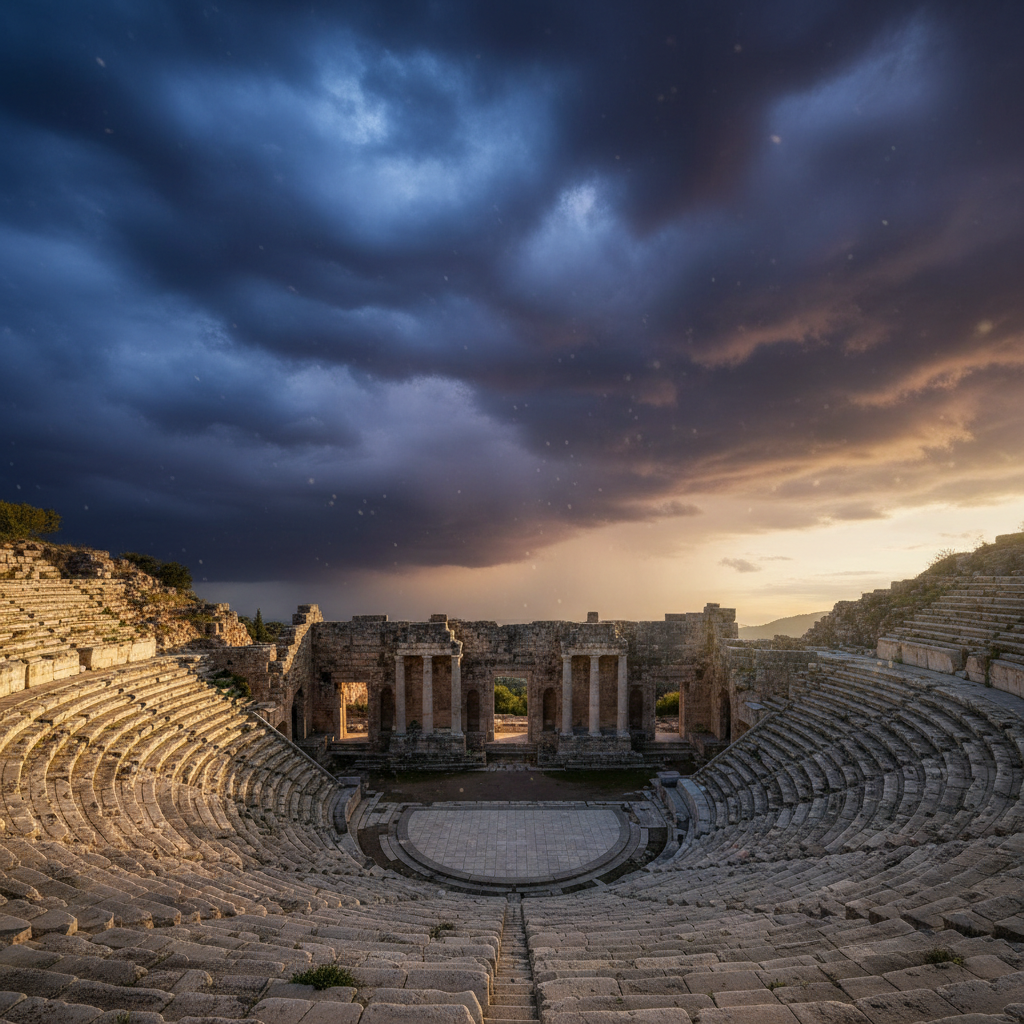
Classical Greek stone amphitheatre ruins under a dramatic sky, cinematic lighting, ultra detailed, historical atmosphere

The Birth of Drama: From Ritual to Stage

നാടകത്തിന്റെ ഉത്ഭവം: ഒരാമുഖം

Exploring the Greek Roots & Medieval Rebirth

Made byBobr AI

Defining Drama

എന്താണ് നാടകം?

"A true play is three dimensional."

Core Ingredients: Actor, Dialogue, Setting, Plot, Audience

Reflection: Why do we say a play is different from a novel?

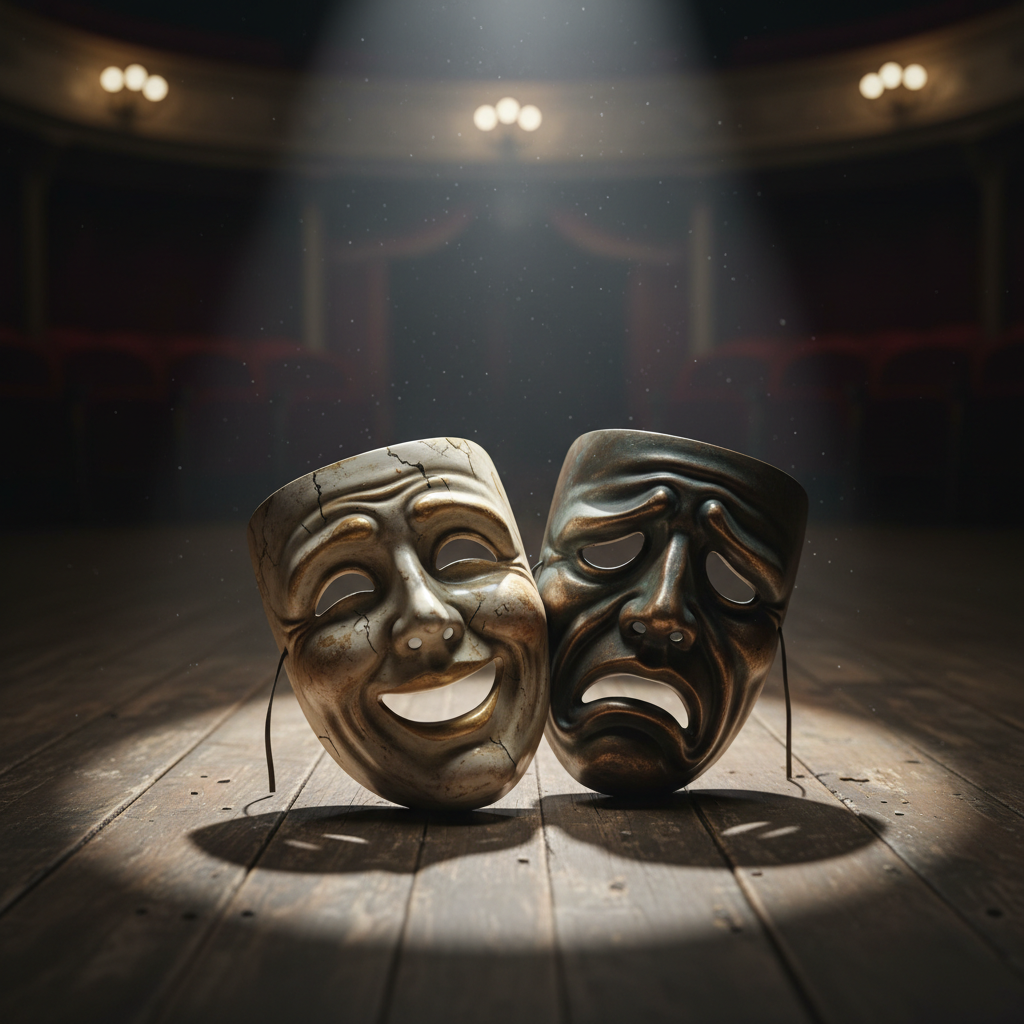
Comedy and Tragedy theatre masks resting on a wooden stage floor, spotlight, photorealistic
Made byBobr AI

The Greek Connection (ഗ്രീക്ക് പാരമ്പര്യം)

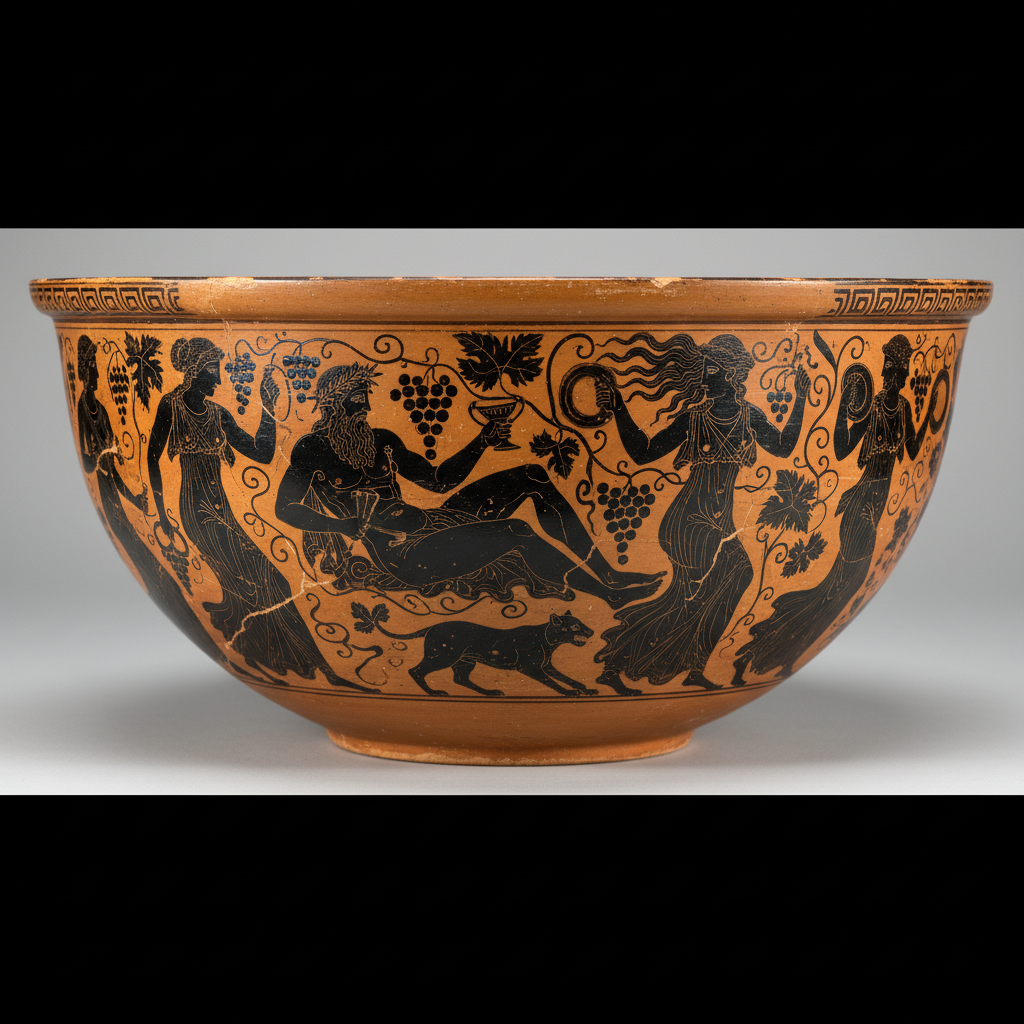
  • Roots in the Worship of Dionysus (God of Wine & Fertility).
  • The Dithyramb: Passionate Choric hymns sung by 50 men.

Fun Fact: Have you heard of 'Thespians'? Do you know where that word comes from?

Ancient Greek vase painting depicting Dionysus and maenads, orange and black figures, historical artifact style
Made byBobr AI

Evolution of Voices in Tragedy

From Chorus to Individual Actors

Chart
Made byBobr AI
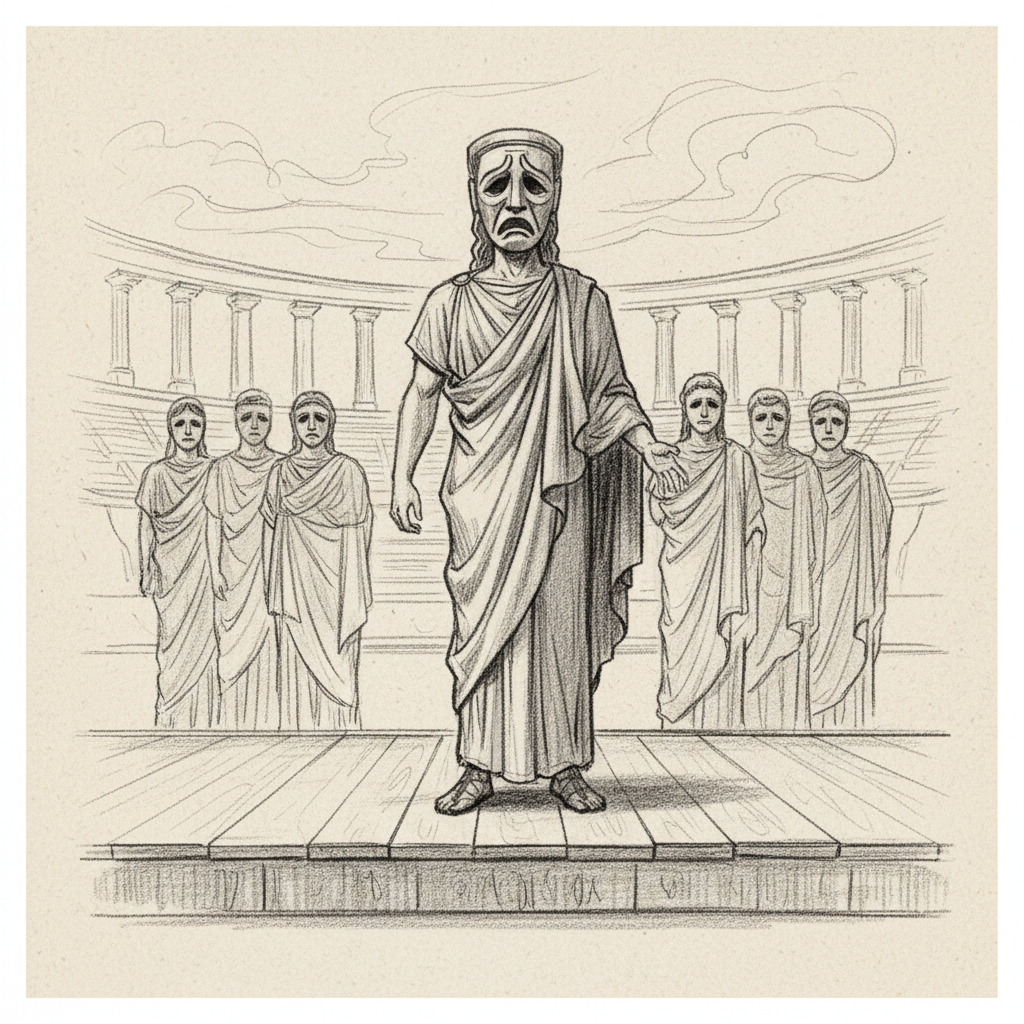
An ancient greek actor standing alone on a stage wearing a mask, separating himself from a group of chorus members in the background, sketch style

The First Actor: Thespis

ആദ്യത്തെ നടൻ

1. Thespis stepped out of the chorus to speak alone.

2. He introduced the first Protagonist (Main Character).

3. This marked the Birth of Dialogue (സംഭാഷണത്തിന്റെ തുടക്കം).

Made byBobr AI

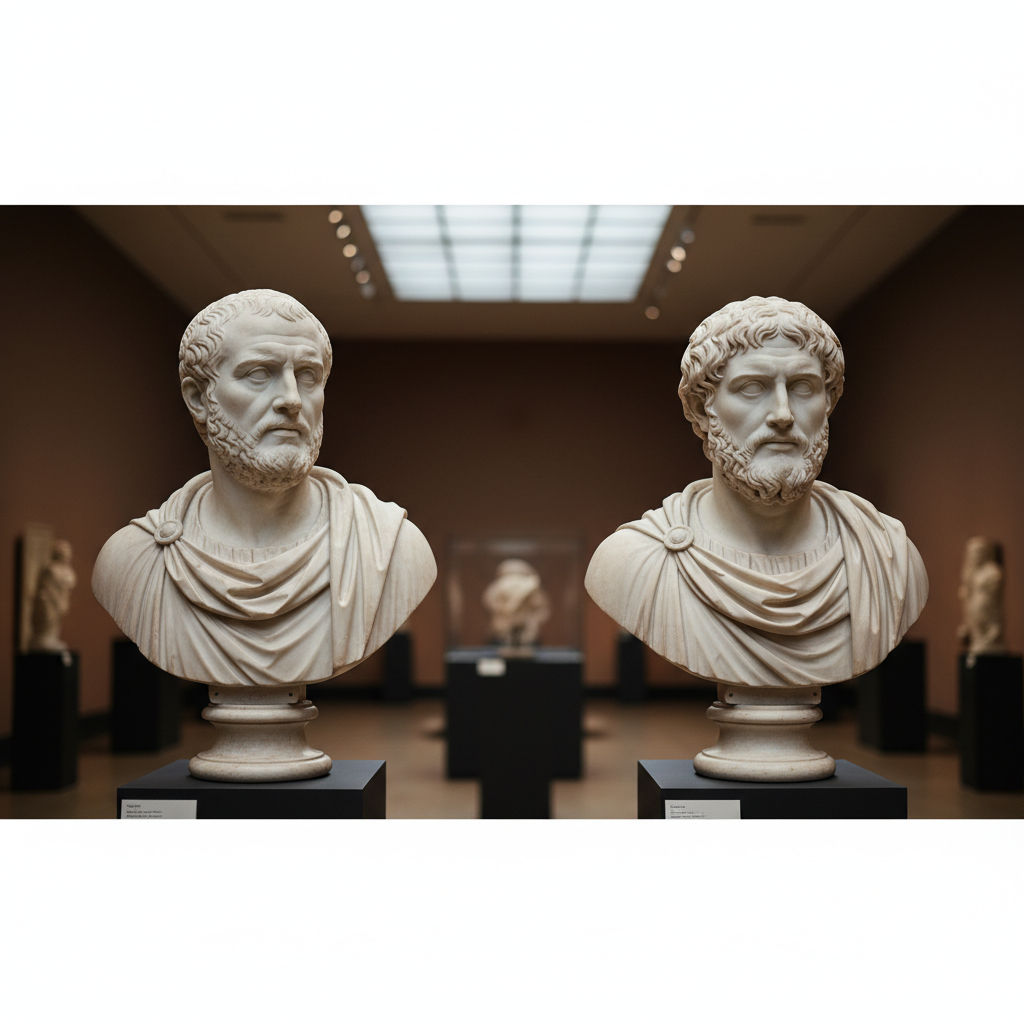
The Great Tragedians

Marble busts of Aeschylus and Sophocles side by side, museum lighting, classical sculpture

Aeschylus

Aeschylus: Introduced the 2nd actor. True conflict begins.

Sophocles

Sophocles: Introduced the 3rd actor. Complex plots (e.g., Oedipus Rex).

Made byBobr AI
Old parchment illustration of a medieval monk reading a manuscript by candlelight, dark atmosphere

The Dark Ages & The Church

With the fall of Rome, organized theatre disappeared. The Church initially banned drama as 'immoral'. However, a new form would soon emerge from within the Church itself.

Made byBobr AI

Medieval Drama: The Rebirth

മധ്യകാലഘട്ടത്തിലെ നാടകം (Medieval Drama)

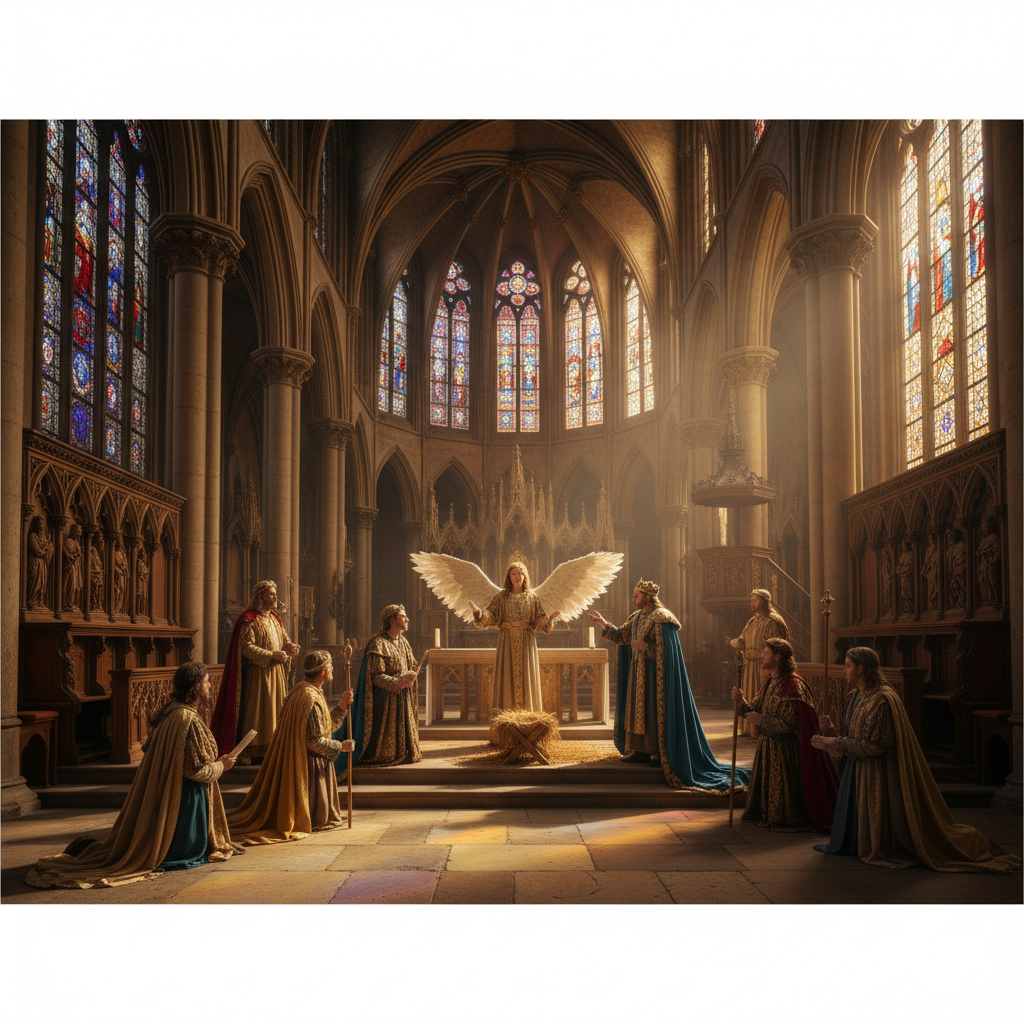
"The cradle of drama rested on the altar."

Liturgical Drama: Started as short enactments of Easter stories during Mass.
Medieval cathedral interior, actors dressed as angels and biblical figures performing near the altar, gothic architecture, stained glass light
Made byBobr AI

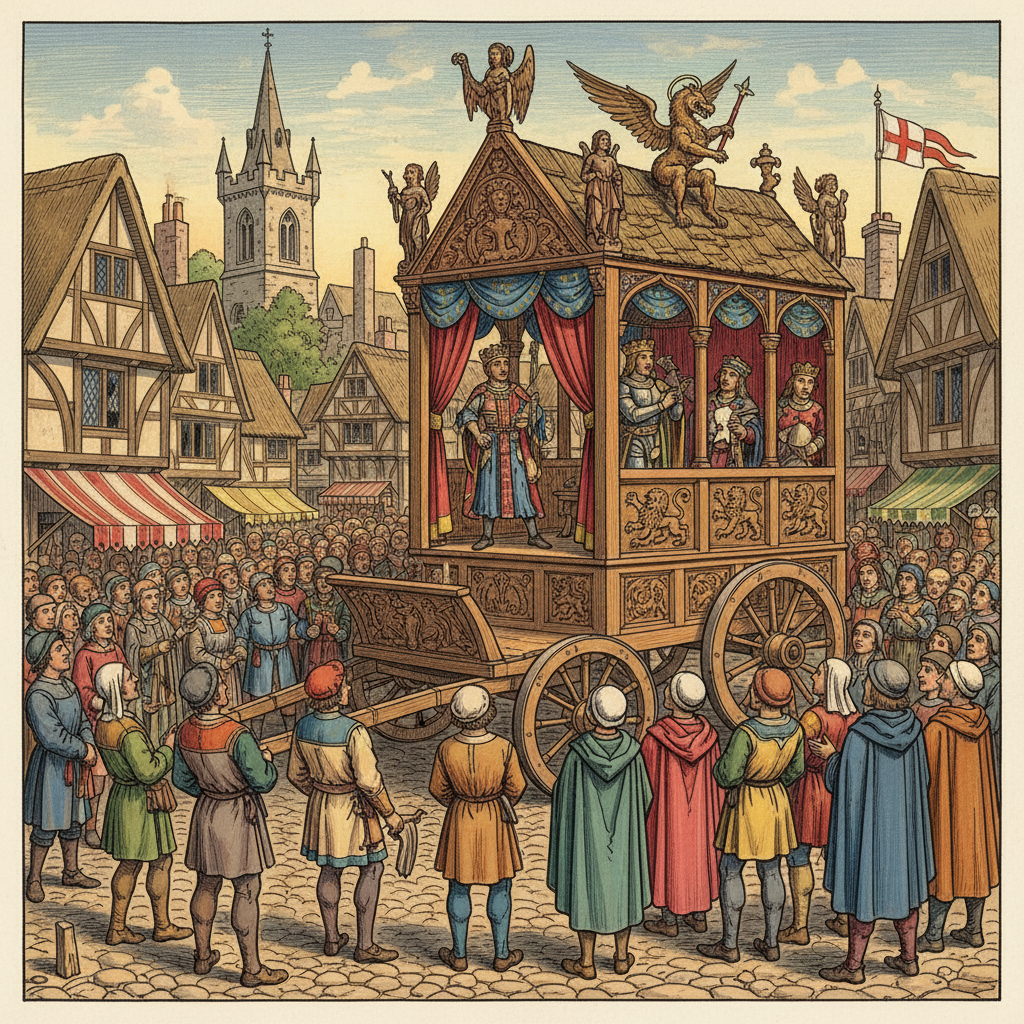
Types of Medieval Plays

Question: Why did the Church use drama? To teach scripture to an illiterate audience.

1. Mystery Plays

Based on Bible stories (Creation to Judgment).

2. Miracle Plays

Based on the lives and miracles of Saints.

Medieval pageant wagon in a town square, wooden stage on wheels, crowd watching a play, historical illustration
Made byBobr AI

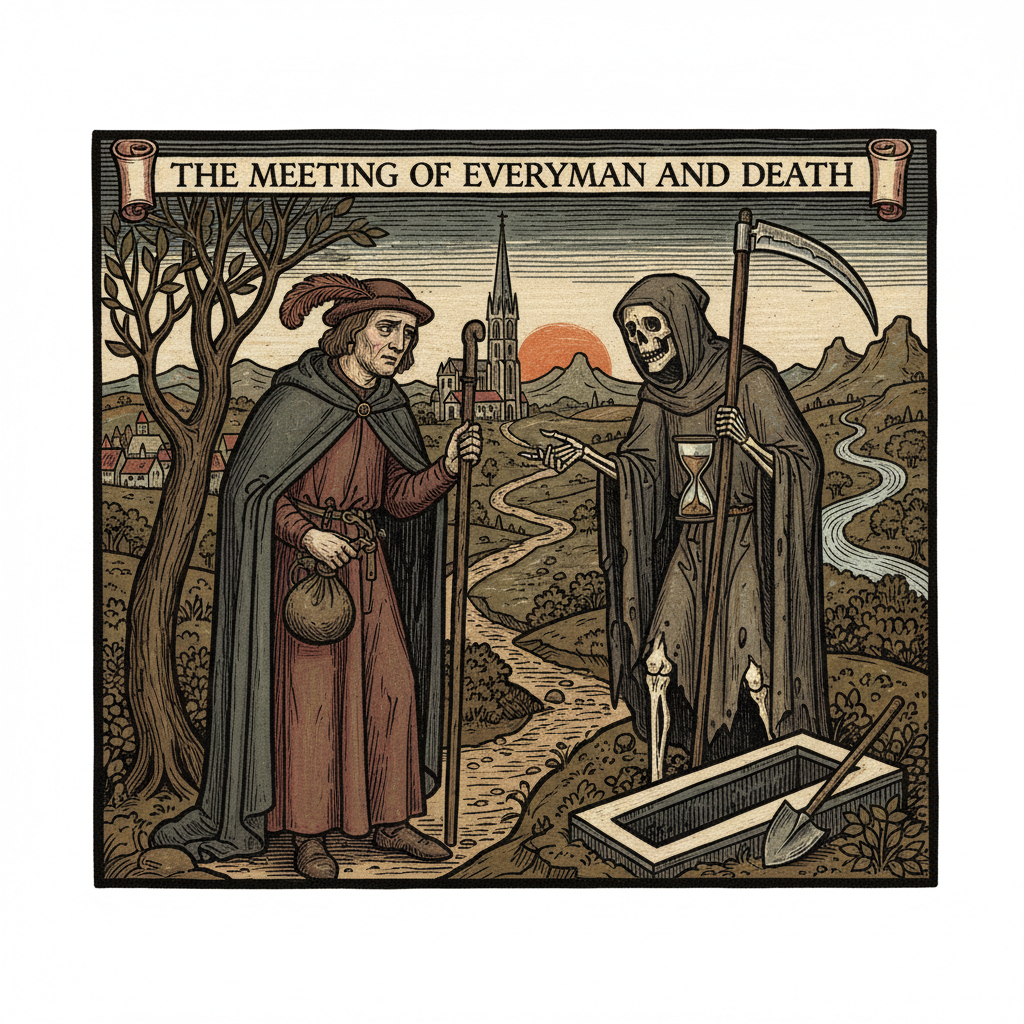
The Morality Play

Dramatizing Good vs. Evil

  • Characters were not people, but virtues and vices (Allegory).
  • Famous Example: 'Everyman'.
  • This moved drama out of the church and closer to professional theatre.
An artistic representation of 'Everyman' meeting 'Death' skeleton figure, woodcut style medieval art
Made byBobr AI

Conclusion & Review

We traveled from Dionysian Rituals → Thespis (Actor) → Medieval Altar → Public Stage.

Quick Quiz

1. Who was the first actor to step out of the chorus?

2. Which type of medieval play is based on the lives of Saints?

A red theatrical curtain closing, spotlit, realistic texture
Made byBobr AI
Bobr AI

DESIGNER-MADE
PRESENTATION,
GENERATED FROM
YOUR PROMPT

Create your own professional slide deck with real images, data charts, and unique design in under a minute.

Generate For Free

History of Drama: From Greek Rituals to Medieval Stage

Explore the evolution of drama from Dionysian rituals and ancient Greek tragedies to Medieval mystery, miracle, and morality plays.

The Birth of Drama: From Ritual to Stage

നാടകത്തിന്റെ ഉത്ഭവം: ഒരാമുഖം

Exploring the Greek Roots & Medieval Rebirth

Defining Drama

എന്താണ് നാടകം?

"A true play is three dimensional."

Core Ingredients: Actor, Dialogue, Setting, Plot, Audience

Reflection: Why do we say a play is different from a novel?

The Greek Connection (ഗ്രീക്ക് പാരമ്പര്യം)

Roots in the Worship of Dionysus (God of Wine & Fertility).

The Dithyramb: Passionate Choric hymns sung by 50 men.

Fun Fact: Have you heard of 'Thespians'? Do you know where that word comes from?

Evolution of Voices in Tragedy

From Chorus to Individual Actors

The First Actor: Thespis

ആദ്യത്തെ നടൻ

Thespis stepped out of the chorus to speak alone.

He introduced the first Protagonist (Main Character).

This marked the Birth of Dialogue (സംഭാഷണത്തിന്റെ തുടക്കം).

The Great Tragedians

Aeschylus: Introduced the 2nd actor. True conflict begins.

Sophocles: Introduced the 3rd actor. Complex plots (e.g., Oedipus Rex).

The Dark Ages & The Church

With the fall of Rome, organized theatre disappeared. The Church initially banned drama as 'immoral'. However, a new form would soon emerge from within the Church itself.

Medieval Drama: The Rebirth

മധ്യകാലഘട്ടത്തിലെ നാടകം (Medieval Drama)

"The cradle of drama rested on the altar."

Liturgical Drama: Started as short enactments of Easter stories during Mass.

Types of Medieval Plays

Why did the Church use drama? To teach scripture to an illiterate audience.

1. Mystery Plays

Based on Bible stories (Creation to Judgment).

2. Miracle Plays

Based on the lives and miracles of Saints.

The Morality Play

Dramatizing Good vs. Evil

Characters were not people, but virtues and vices (Allegory).

Famous Example: 'Everyman'.

This moved drama out of the church and closer to professional theatre.

Conclusion & Review

We traveled from Dionysian Rituals → Thespis (Actor) → Medieval Altar → Public Stage.

Quick Quiz

1. Who was the first actor to step out of the chorus?

2. Which type of medieval play is based on the lives of Saints?

  • theatre-history
  • greek-drama
  • medieval-theatre
  • liturgical-drama
  • thespis
  • literature-study
  • ancient-greece