










Understanding Autism Spectrum Disorder (ASD): A Guide
Explore the symptoms, causes, and treatments for Autism Spectrum Disorder. Learn about neurodiversity, sensory impact, and therapies like ABA and speech therapy.
Autism Spectrum Disorder (ASD)
D'Ivona Rumph | My'Ciara Creech | Christopher Glover
Class & Date
Table of Contents
What is Autism?
Nervous System Impact
Classification
Symptoms
Treatment
Therapy
Side Effects
Additional Information
References
What is Autism?
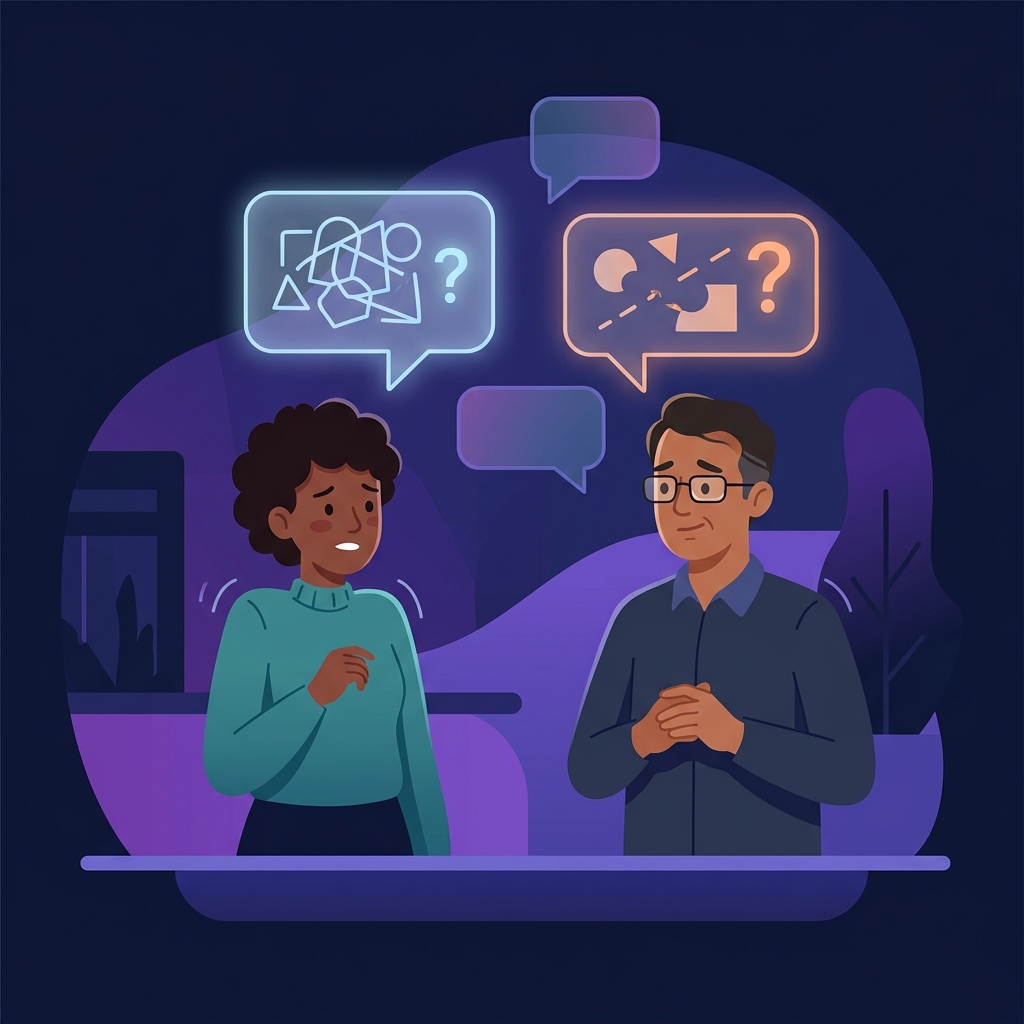
Autism Spectrum Disorder (ASD) is a neurological and developmental disorder
It affects communication, behavior, and social interaction
Called a "spectrum" because symptoms vary from person to person
Nervous System Impact
Affects the brain and nervous system development
Changes how the brain processes information
Impacts emotions, learning, and senses
Classification
Developmental Disorder
Neurological Disorder
Part of Neurodevelopmental Disorders
Usually appears before age 3
Symptoms
Social
Avoids eye contact
Difficulty understanding emotions
Trouble making friends
Communication
Delayed speech or no speech
Repeats words or phrases
(echolalia)
Difficulty having conversations
Treatment
No cure for autism
Early intervention helps improve development
Treatment plans are different for each person
Medications
Help manage symptoms like anxiety or hyperactivity
Do not cure autism
Must be prescribed by a doctor
Medications manage symptoms, not the cause
Therapy
🧠
Behavioral Therapy (ABA)
Applied Behavior Analysis, modifies behavior through reinforcement
🗣️
Speech Therapy
Builds verbal and nonverbal communication skills
🖐️
Occupational Therapy
Teaches daily living and fine motor skills
🌟
Overall Goal
Improves communication, independence, and daily skills
Side Effects & Challenges
Sensory overload
Overwhelming sounds, lights, or textures
Anxiety or stress
From social and environmental demands
Difficulty in school or social settings
Additional Information – Causes
What Causes Autism?
Genetics
Genes play a significant role in determining likelihood
Brain Development
Structural and functional differences in the brain
Environmental Factors
Prenatal exposures and other influences
No Single Cause
Usually a combination of biological aspects
* No single known cause identified
Statistics
1 in 31
children in the U.S. have autism (CDC, 2024)
All Backgrounds
Affects all races, ethnicities, and socioeconomic groups
4x More
Boys are 4x more likely to be diagnosed than girls
Real-Life Example
📖 Meet Alex
A student with autism who excels in mathematics and art
Strengths
Advanced pattern recognition, exceptional memory, creative talent
Challenge
Social interaction can be difficult in group settings
Outcome
With support and accommodations, Alex thrives in school and pursues a STEM career
Class Activity 🎯
DISCUSSION
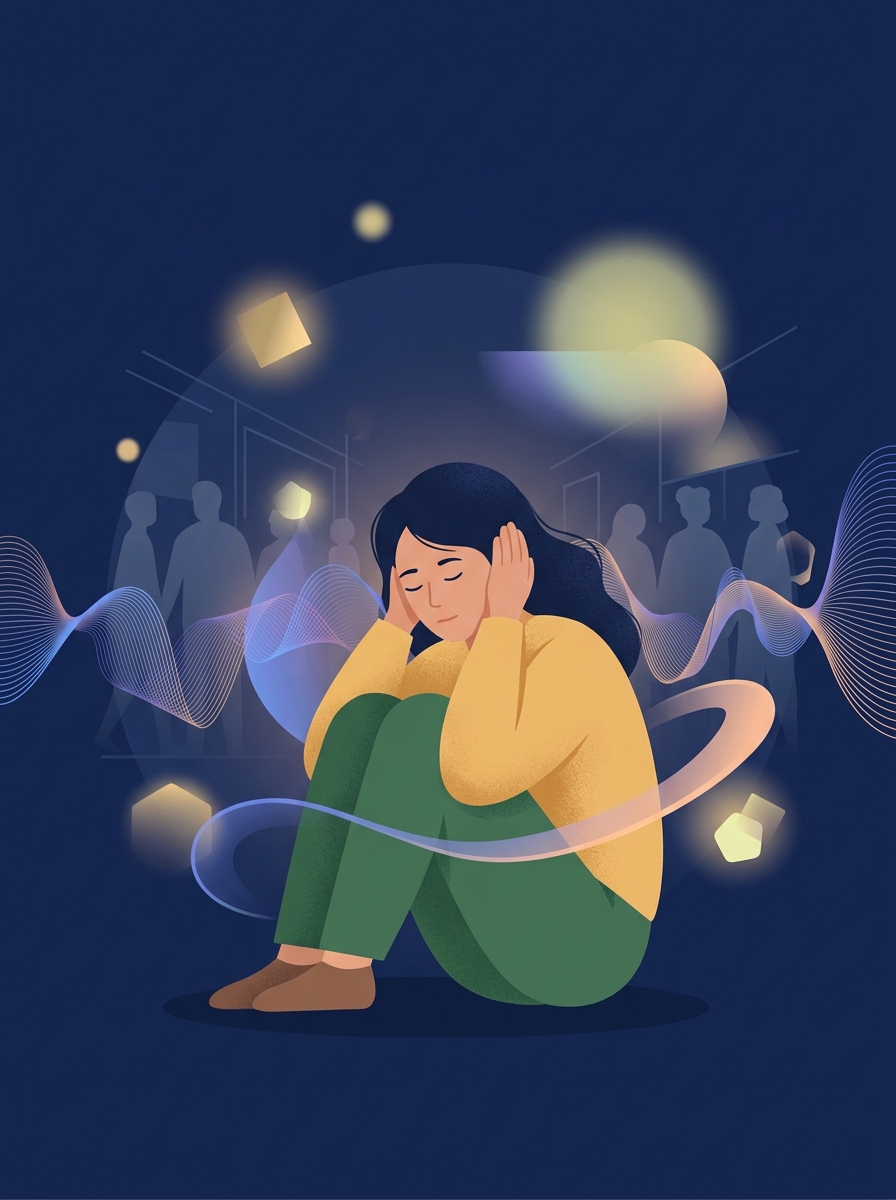
How would you feel if everyday sounds were 10x louder?
Think about it... 💭
Imagine hearing a classroom at concert-level volume
A simple conversation would feel overwhelming
This is what sensory overload feels like for many people with autism
Share your thoughts with the class!
Key Takeaways
Autism is a difference, not just a disorder
Neurodiversity is a strength
People with autism can live successful lives
With the right support
Understanding and support are important
For families, schools, and communities
"Acceptance begins with understanding"
References
Centers for Disease Control and Prevention (CDC)
Autism Spectrum Disorder (ASD)
https://www.cdc.gov/autism/about
National Institute of Mental Health (NIMH)
Autism Spectrum Disorder
https://www.nimh.nih.gov/health/publications/autism-spectrum-disorder
National Institute of Child Health and Human Development (NICHD)
Autism Spectrum Disorder (ASD)
https://www.nichd.nih.gov/health/topics/autism
- autism
- asd
- neurodiversity
- occupational-therapy
- early-intervention
- special-education
- mental-health