



History of Economic Revolutions & Industrial Billionaires
Explore how the Industrial Revolutions created history's wealthiest titans, from Rockefeller's oil empire to Carnegie's steel revolution.
Economic Revolutions & The Titans of Industry
How Innovation Forged History's Wealthiest Billionaires
Defining Economic Revolutions
Economic revolutions, primarily the Industrial Revolutions, represent pivotal shifts in history where mechanization, energy innovation, and mass production replaced agrarian systems. These eras did not just change how goods were made; they radically altered global wealth distribution, birthing the first modern billionaires.
The First Industrial Revolution (1760–1830)
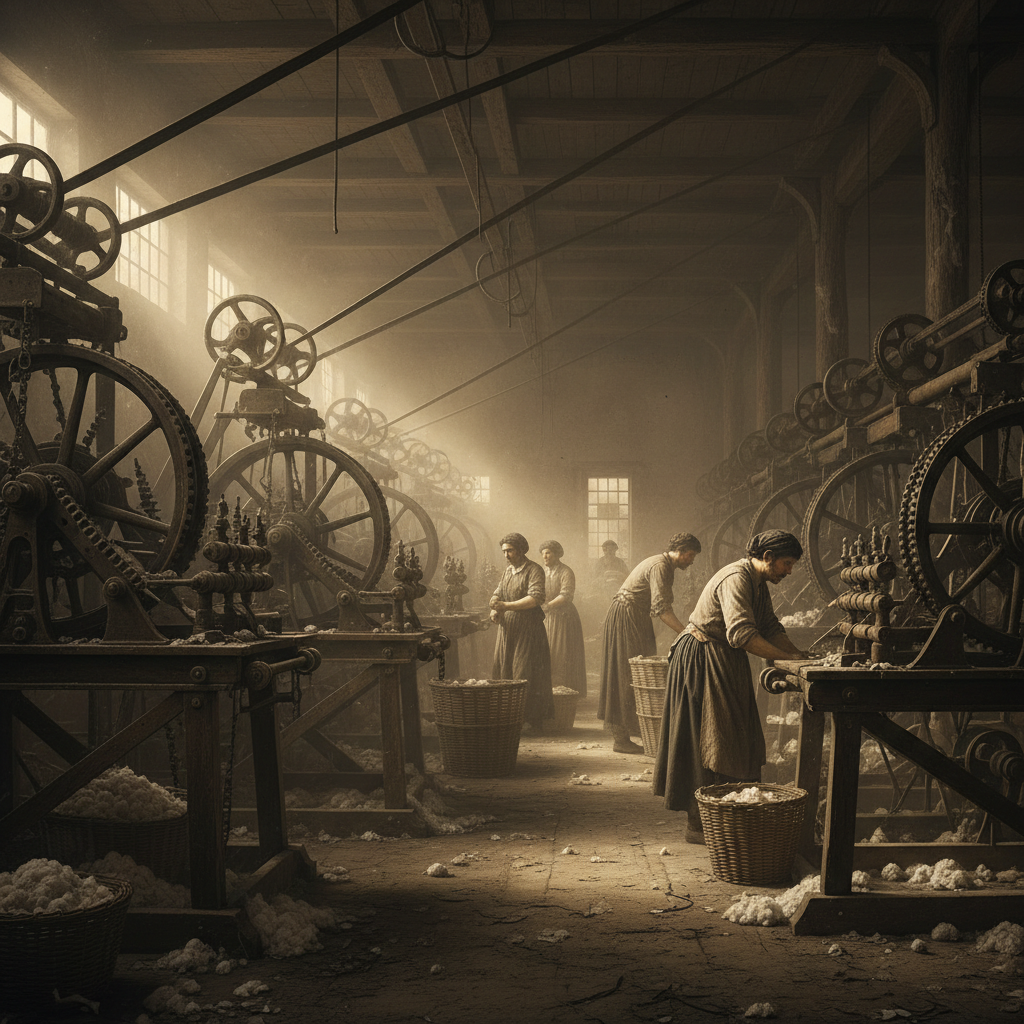
Originating in Britain, this era marked the transition from hand production to machines. Fueled by coal and steam power, it revolutionized textiles and manufacturing. This period laid the groundwork for sustainable growth in living standards and capital accumulation.
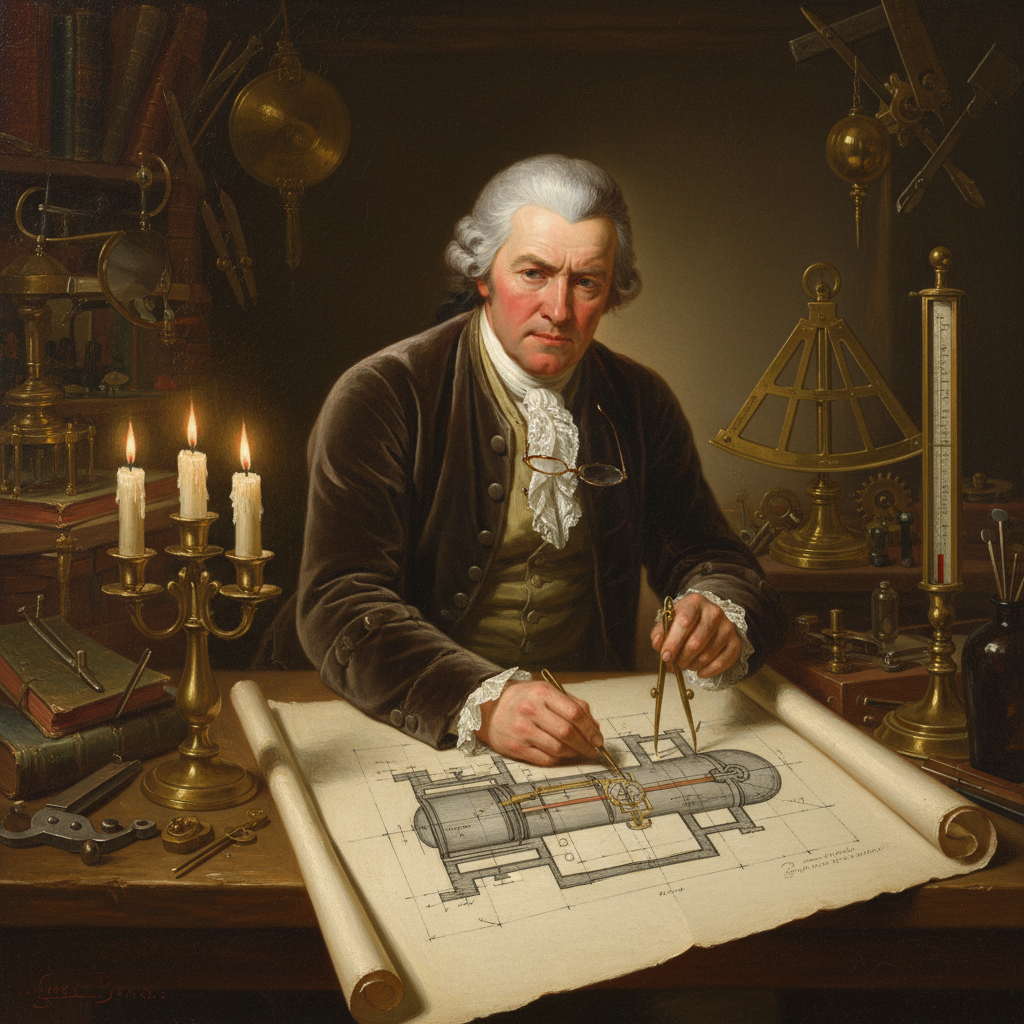
James Watt: The Steam Pioneer
Although not a billionaire by modern metrics, Watt's improvements to the steam engine were the catalyst for all subsequent wealth creation. His estate was valued at £80,000 in 1819—equivalent to billions in economic impact today.
The Second Industrial Revolution (1870–1914)
Expansion: Spread rapidly to the United States, Europe, and Japan.
Key Technologies: Electricity, petroleum, steel, and internal combustion engines.
Infrastructure: The rise of railroads, telegraphs, and telephones created national markets.
Mass Production: Enabled unprecedented scales of operation and profit.
John D. Rockefeller
Industry: Petroleum (Standard Oil)
Rockefeller founded Standard Oil, which controlled 90% of U.S. oil refineries and pipelines. His adjusted peak net worth is estimated at $400 billion, arguably making him the wealthiest individual in modern history.
Andrew Carnegie
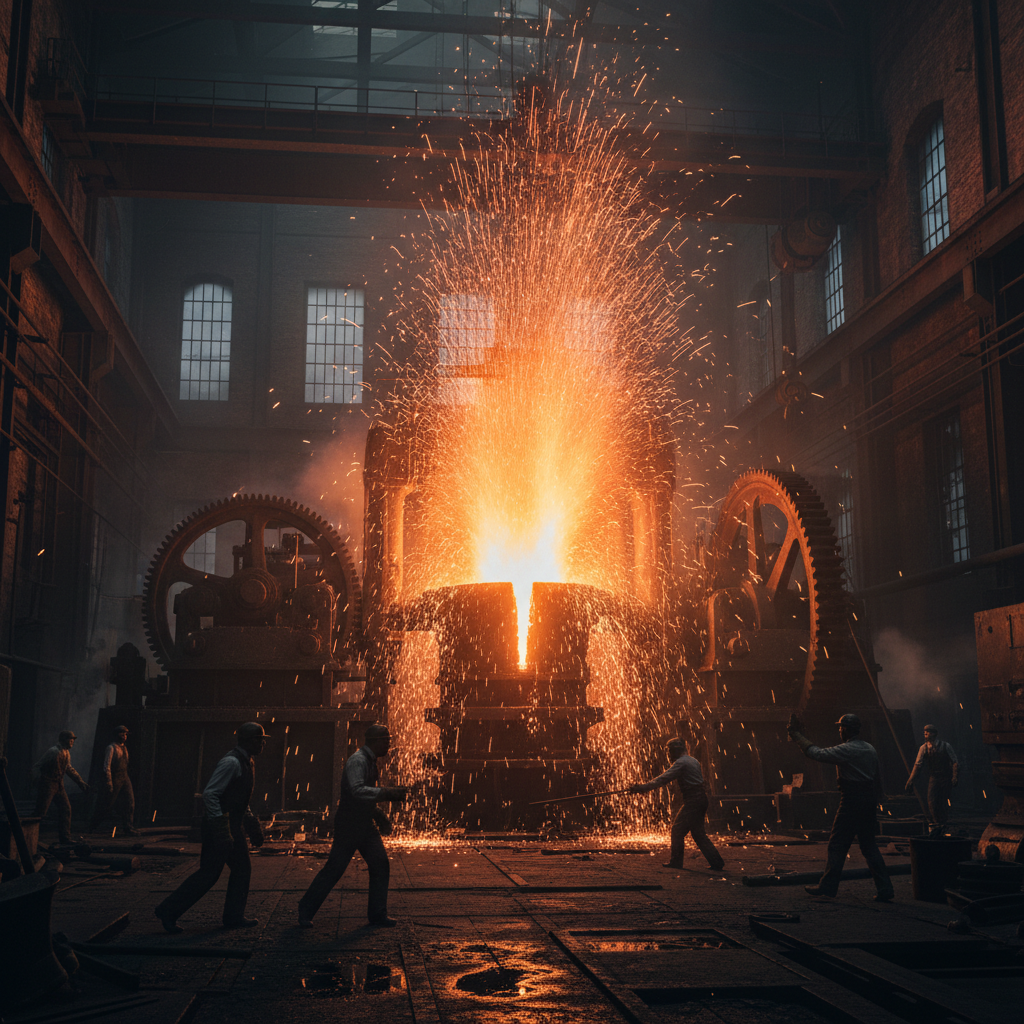
A titan of the steel industry, Carnegie revolutionized production using the Bessemer process. He sold Carnegie Steel for $480 million in 1901. Adjusted for inflation, his wealth peaked at approximately $372 billion.
Henry Ford: The Assembly Line
Innovation: Perfected the assembly line, dramatically reducing production time and cost.
Product: The Model T brought the automobile to the masses, not just the wealthy.
Wealth: Amassed a fortune equivalent to ~$200 Billion today.
Inflation-Adjusted Peak Wealth (Billions USD)
When adjusted for inflation and GDP share, these industrial 'robber barons' possessed fortunes that often exceed today's top tech billionaires, illustrating the immense value capture of the Second Industrial Revolution.
Global Economic Impact
• Wealth Explosion: Created new elite classes while expanding the middle class. • Urbanization: Factories drew millions into cities, reshaping demography. • Consumerism: Mass production made goods affordable, sparking the consumer age.
Legacy of the Titans
The patterns established during these revolutions—monopoly, innovation, and scale—continue to define wealth today. The billionaires of the steam and steel ages forged the archetype for the digital tycoons of the 21st century.
- economic-history
- industrial-revolution
- billionaires
- john-d-rockefeller
- andrew-carnegie
- wealth-creation
- business-history