




Made byBobr AI

Ionization Energy Trends and Patterns in Chemistry

Learn about First Ionization Energy, governing factors like shielding and nuclear charge, and periodic table trends across Period 3 and Group 2.

#chemistry#ionization-energy#atomic-structure#period-3-trends#shielding-effect#science-education#period-table
Watch
Pitch

Ionisation Energy

Trends, Patterns, and Inquiry Chemistry - Atomic Structure

Made byBobr AI

Starter: The Tug of War

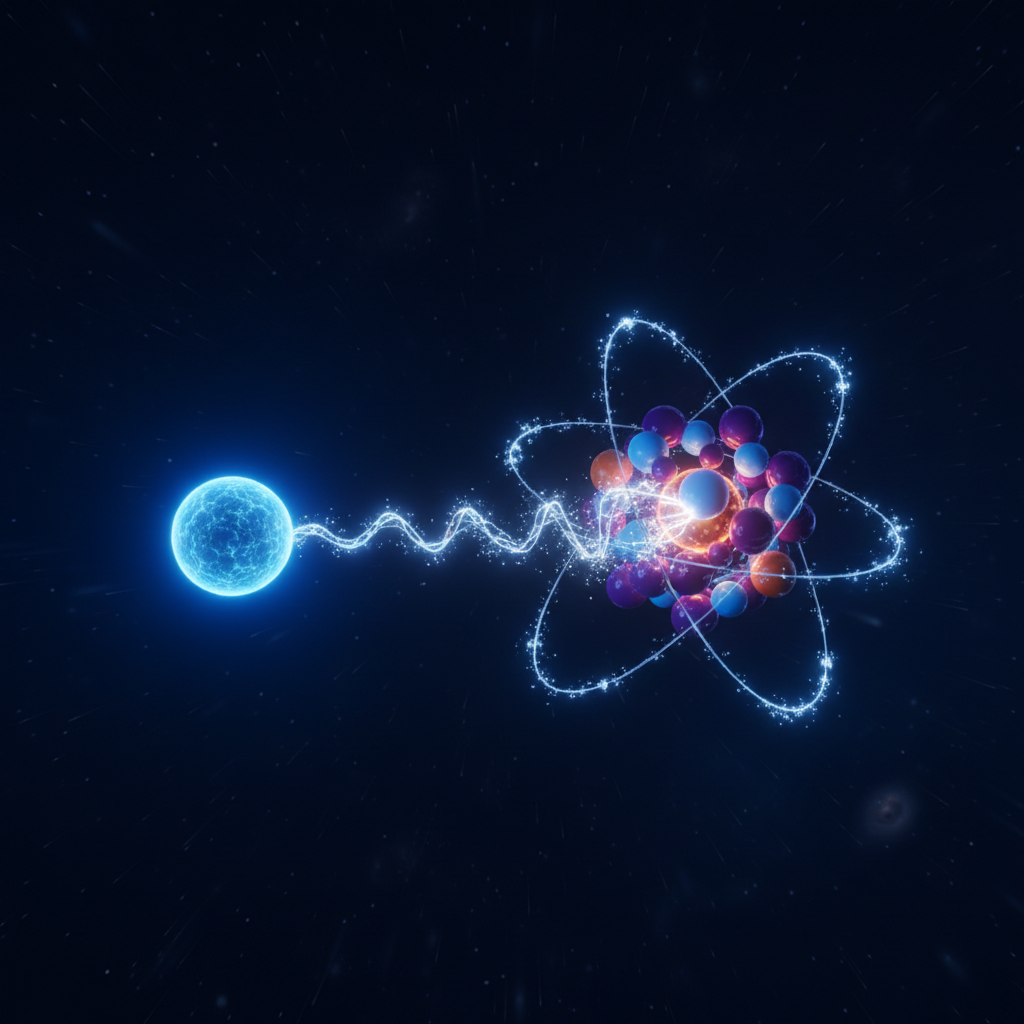
Look at the image of the atom. Imagine the nucleus is a magnet and the electrons are metal balls. Inquiry Question: Why does it require effort (energy) to pull the outermost electron away? Think about: 1. Distance from the center. 2. What lies between the center and the outside.
Made byBobr AI

Defining First Ionisation Energy

  • Definition: The energy required to remove one mole of electrons from one mole of gaseous atoms to form one mole of gaseous 1+ ions.
  • Equation: X(g) → X⁺(g) + e⁻
  • Key Requirement: Everything must be in the gaseous state.
Made byBobr AI

The 3 Governing Factors

To understand trends, you must understand these three factors that affect attraction between the nucleus and outer electrons:

1. Nuclear Charge: More protons = stronger pull.
2. Atomic Radius: Further distance = weaker pull.
3. Shielding (Screening): Inner electron shells repel outer electrons, reducing the pull of the nucleus.

Made byBobr AI

Trend Across Period 3 (Na to Ar)

General Trend: Ionisation energy increases across a period.

Why?
- Nuclear charge increases.
- Shielding remains similar (same shell).
- Atomic radius decreases.

Note the small drops at Al and S (Evidence of sub-shells!).
Chart
Made byBobr AI

Trend Down Group 2 (Be to Ba)

General Trend: Ionisation energy decreases down a group.

Why?
- Although nuclear charge increases, the effect is outweighed by increased distance and shielding.
- Outer electron is further away and more shielded.
Chart
Made byBobr AI

Visualizing Shielding

Imagine wearing multiple coats in winter. The heat of your body (the nucleus) is felt less on the outside because of the layers (shells).

The inner electrons repel the outer electron, pushing it further away and reducing the nuclear attraction.

Made byBobr AI

Mid-Plenary: Checkpoint

True or False: Ionisation energy decreases across a period?
True or False: Increased shielding lowers ionisation energy.
True or False: Helium has a higher ionisation energy than Hydrogen.
Made byBobr AI

Inquiry Tasks Strategy

Choose your level. Use the Help Slide if needed.

Level 1: Describe
Level 2: Explain
Level 3: Analyze
Made byBobr AI

LEVEL 1: Foundation (Describe)

Look at the data for Group 1 Elements (Li, Na, K, Rb).

  • 1. What is the general trend in Ionisation Energy down the group?
  • 2. Which element is the easiest to remove an electron from?
  • 3. State the value for Lithium compared to Potassium.
Made byBobr AI

LEVEL 2: Intermediate (Explain)

Explain the trend across Period 2 (Li to Ne) using scientific reasoning.

  • 1. How does the Nuclear Charge change across the period?
  • 2. Does the Shielding change significantly? Why/Why not?
  • 3. Combine these factors to explain why Neon has a higher value than Lithium.
Made byBobr AI

LEVEL 3: Advanced (Analyze Anomalies)

The general trend increases across Period 3, but Magnesium (Mg) is higher than Aluminum (Al), and Phosphorus (P) is higher than Sulfur (S).

  • 1. Write the electron configuration (sub-shells) for Mg and Al.
  • 2. Explain why removing an electron from Al's 3p orbital is easier than Mg's 3s orbital.
  • 3. Apply spin-pair repulsion theory to explain the P vs S anomaly.
Made byBobr AI

SOS Support Station

Key Keywords:
- Nucleus (Positive center)
- Electron Shells (Energy levels)
- Attraction (Pull)
- Distance

Sentence Starters:
"As you go down the group, the number of shells _____."
"This means the distance between the nucleus and outer electron _____."
"Therefore, the attraction is _____."
Made byBobr AI

End Plenary: Exit Ticket

Exchange your answers with a partner. Check:

✅ Did they mention Nuclear Charge?
✅ Did they mention Distance/Radius?
✅ Did they mention Shielding?
Rate your confidence: 1 (Confused) to 5 (Expert).
Made byBobr AI

Next Steps & Homework

Summary:
Ionisation energy generally increases across a period and decreases down a group due to the interplay of charge, distance, and shielding.

Homework:
Research 'Successive Ionisation Energies'.
Why is there a huge jump after removing the valence electrons?

Made byBobr AI
Bobr AI

DESIGNER-MADE
PRESENTATION,
GENERATED FROM
YOUR PROMPT

Create your own professional slide deck with real images, data charts, and unique design in under a minute.

Generate For Free

Ionization Energy Trends and Patterns in Chemistry

Learn about First Ionization Energy, governing factors like shielding and nuclear charge, and periodic table trends across Period 3 and Group 2.

Ionisation Energy

Trends, Patterns, and Inquiry Chemistry - Atomic Structure

Starter: The Tug of War

Look at the image of the atom. Imagine the nucleus is a magnet and the electrons are metal balls. <b>Inquiry Question:</b> Why does it require effort (energy) to pull the outermost electron away? Think about: 1. Distance from the center. 2. What lies between the center and the outside.

Defining First Ionisation Energy

<b>Definition:</b> The energy required to remove one mole of electrons from one mole of gaseous atoms to form one mole of gaseous 1+ ions.

<b>Equation:</b> X(g) → X⁺(g) + e⁻

<b>Key Requirement:</b> Everything must be in the gaseous state.

The 3 Governing Factors

To understand trends, you must understand these three factors that affect attraction between the nucleus and outer electrons:<br><br>1. <b>Nuclear Charge:</b> More protons = stronger pull.<br>2. <b>Atomic Radius:</b> Further distance = weaker pull.<br>3. <b>Shielding (Screening):</b> Inner electron shells repel outer electrons, reducing the pull of the nucleus.

Trend Across Period 3 (Na to Ar)

<b>General Trend:</b> Ionisation energy increases across a period.<br><br><b>Why?</b><br>- Nuclear charge increases.<br>- Shielding remains similar (same shell).<br>- Atomic radius decreases.<br><br>Note the small drops at Al and S (Evidence of sub-shells!).

Trend Down Group 2 (Be to Ba)

<b>General Trend:</b> Ionisation energy decreases down a group.<br><br><b>Why?</b><br>- Although nuclear charge increases, the effect is outweighed by increased distance and shielding.<br>- Outer electron is further away and more shielded.

Visualizing Shielding

Imagine wearing multiple coats in winter. The heat of your body (the nucleus) is felt less on the outside because of the layers (shells). <br><br>The inner electrons repel the outer electron, pushing it further away and reducing the nuclear attraction.

Mid-Plenary: Checkpoint

True or False: Ionisation energy decreases across a period?

True or False: Increased shielding lowers ionisation energy.

True or False: Helium has a higher ionisation energy than Hydrogen.

Inquiry Tasks Strategy

Choose your level. Use the Help Slide if needed.

LEVEL 1: Foundation (Describe)

Look at the data for Group 1 Elements (Li, Na, K, Rb).

1. What is the general trend in Ionisation Energy down the group?

2. Which element is the easiest to remove an electron from?

3. State the value for Lithium compared to Potassium.

LEVEL 2: Intermediate (Explain)

Explain the trend across Period 2 (Li to Ne) using scientific reasoning.

1. How does the Nuclear Charge change across the period?

2. Does the Shielding change significantly? Why/Why not?

3. Combine these factors to explain why Neon has a higher value than Lithium.

LEVEL 3: Advanced (Analyze Anomalies)

The general trend increases across Period 3, but Magnesium (Mg) is higher than Aluminum (Al), and Phosphorus (P) is higher than Sulfur (S).

1. Write the electron configuration (sub-shells) for Mg and Al.

2. Explain why removing an electron from Al's 3p orbital is easier than Mg's 3s orbital.

3. Apply spin-pair repulsion theory to explain the P vs S anomaly.

SOS Support Station

<b>Key Keywords:</b><br>- Nucleus (Positive center)<br>- Electron Shells (Energy levels)<br>- Attraction (Pull)<br>- Distance<br><br><b>Sentence Starters:</b><br>"As you go down the group, the number of shells _____."<br>"This means the distance between the nucleus and outer electron _____."<br>"Therefore, the attraction is _____."

End Plenary: Exit Ticket

Exchange your answers with a partner. Check:

Did they mention <b>Nuclear Charge</b>?

Did they mention <b>Distance/Radius</b>?

Did they mention <b>Shielding</b>?

Rate your confidence: 1 (Confused) to 5 (Expert).

Next Steps & Homework

<b>Summary:</b><br>Ionisation energy generally increases across a period and decreases down a group due to the interplay of charge, distance, and shielding.<br><br><b>Homework:</b><br>Research 'Successive Ionisation Energies'.<br>Why is there a huge jump after removing the valence electrons?

  • chemistry
  • ionization-energy
  • atomic-structure
  • period-3-trends
  • shielding-effect
  • science-education
  • period-table