


Made byBobr AI

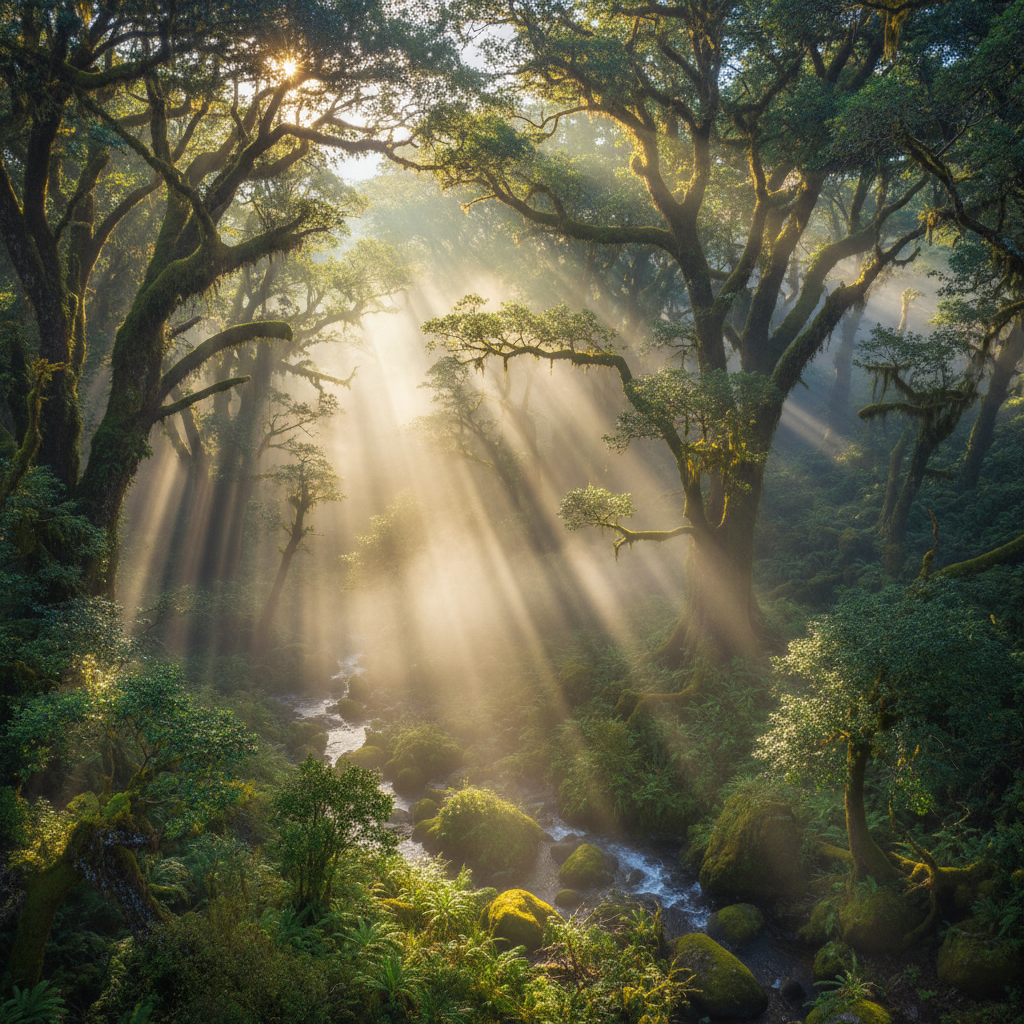
Forests' Role in Oxygen and Carbon Dioxide Balance

Explore how forests act as Earth's biological thermostat, managing CO2 levels through photosynthesis and carbon sequestration to regulate the atmosphere.

#forest-conservation#carbon-sink#climate-change#photosynthesis#ecology#environmental-science#reforestation
Watch
Pitch

Forests: The Earth's Breath

Balancing Oxygen and Carbon Dioxide in the Atmosphere

Made byBobr AI

The Global Thermostat

Forests play a critical dual role in regulating our atmosphere. They act as a biological thermostat, moderating the greenhouse effect by absorbing carbon dioxide (CO2) and replenishing oxygen (O2) necessary for most life forms on Earth.

Made byBobr AI

Where Does CO2 Go?

Not all human-generated emissions remain in the atmosphere. The land sink—primarily forests—absorbs nearly a third of emissions, significantly slowing the rate of global warming.

Chart
Made byBobr AI

The Mechanism: Photosynthesis

Trees act as chemical factories powered by sunlight. They take in Carbon Dioxide and Water, and convert it into Glucose (energy) and Oxygen. This process fundamentally shaped Earth's habitable atmosphere.

Made byBobr AI

Forests as Carbon Sinks

  • Biomass Storage: Trees store carbon in their trunks, branches, leaves, and roots.
  • Soil Sequestration: A significant portion of forest carbon is trapped in the soil, often more than in the trees themselves.
  • Long-term Security: Old-growth forests continue to accumulate carbon for centuries, making them irreplaceable.
Made byBobr AI

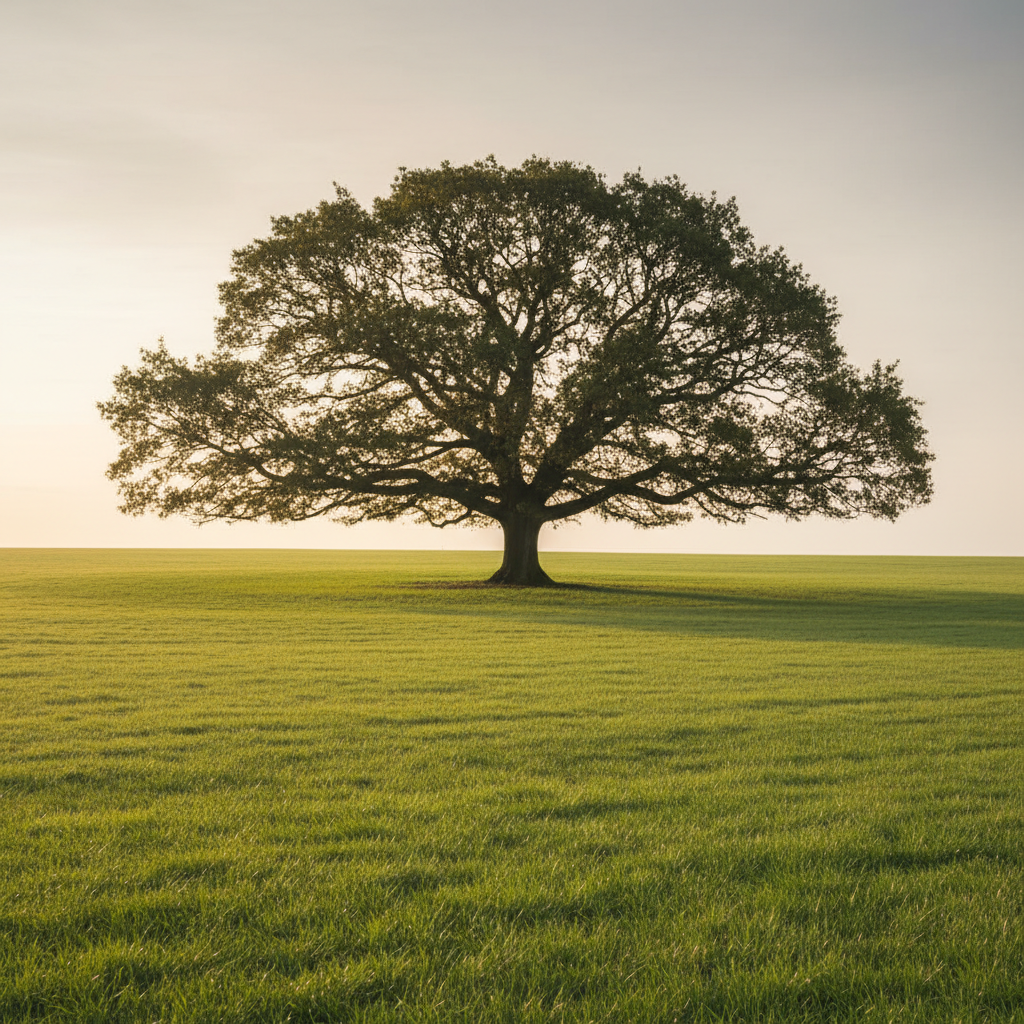
"A single mature tree can absorb 48 pounds of carbon dioxide per year and release enough oxygen to support two human beings."

Source: Arbor Day Foundation

Made byBobr AI

Carbon Stock by Biome

Different forest types store different amounts of carbon. Tropical forests hold massive amounts in biomass, while Boreal forests store vast quantities primarily in their soils.

Chart
Made byBobr AI

The Deforestation Crisis

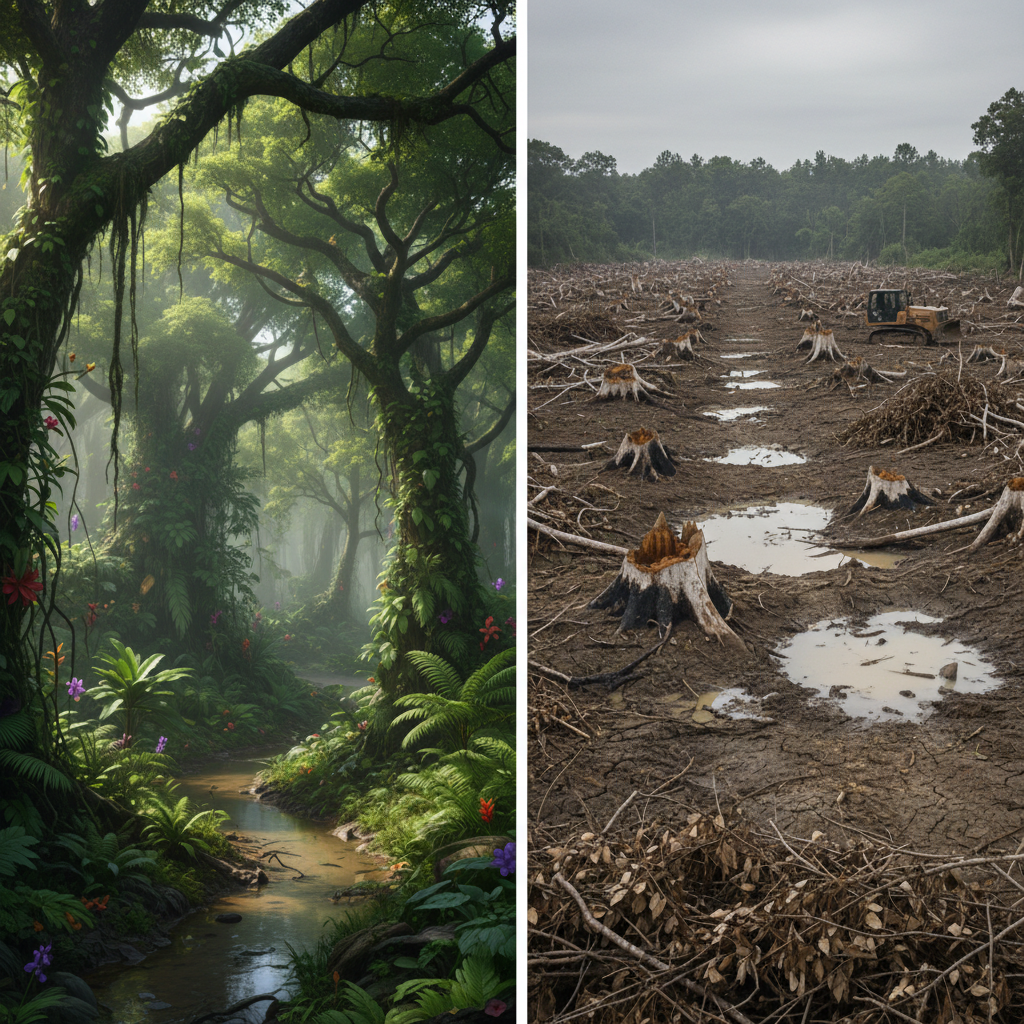
When forests are cut down or burned, they stop absorbing CO2. Worse, the carbon stored in their biomass is released back into the atmosphere, turning a carbon sink into a carbon source.

Made byBobr AI

The 'Lungs' of our Planet

Made byBobr AI

The Path Forward

  • 1. Conservation: Protecting existing old-growth forests is more effective than planting new ones.
  • 2. Reforestation: Restoring degraded lands to increase carbon capture capacity.
  • 3. Sustainable Management: Ensuring logging practices do not exceed the forest's regeneration rate.
Made byBobr AI
Bobr AI

DESIGNER-MADE
PRESENTATION,
GENERATED FROM
YOUR PROMPT

Create your own professional slide deck with real images, data charts, and unique design in under a minute.

Generate For Free

Forests' Role in Oxygen and Carbon Dioxide Balance

Explore how forests act as Earth's biological thermostat, managing CO2 levels through photosynthesis and carbon sequestration to regulate the atmosphere.

Forests: The Earth's Breath

Balancing Oxygen and Carbon Dioxide in the Atmosphere

The Global Thermostat

Forests play a critical dual role in regulating our atmosphere. They act as a biological thermostat, moderating the greenhouse effect by absorbing carbon dioxide (CO2) and replenishing oxygen (O2) necessary for most life forms on Earth.

Where Does CO2 Go?

Not all human-generated emissions remain in the atmosphere. The land sink—primarily forests—absorbs nearly a third of emissions, significantly slowing the rate of global warming.

The Mechanism: Photosynthesis

Trees act as chemical factories powered by sunlight. They take in Carbon Dioxide and Water, and convert it into Glucose (energy) and Oxygen. This process fundamentally shaped Earth's habitable atmosphere.

Forests as Carbon Sinks

Biomass Storage: Trees store carbon in their trunks, branches, leaves, and roots.

Soil Sequestration: A significant portion of forest carbon is trapped in the soil, often more than in the trees themselves.

Long-term Security: Old-growth forests continue to accumulate carbon for centuries, making them irreplaceable.

A single mature tree can absorb 48 pounds of carbon dioxide per year and release enough oxygen to support two human beings.

Source: Arbor Day Foundation

Carbon Stock by Biome

Different forest types store different amounts of carbon. Tropical forests hold massive amounts in biomass, while Boreal forests store vast quantities primarily in their soils.

The Deforestation Crisis

When forests are cut down or burned, they stop absorbing CO2. Worse, the carbon stored in their biomass is released back into the atmosphere, turning a carbon sink into a carbon source.

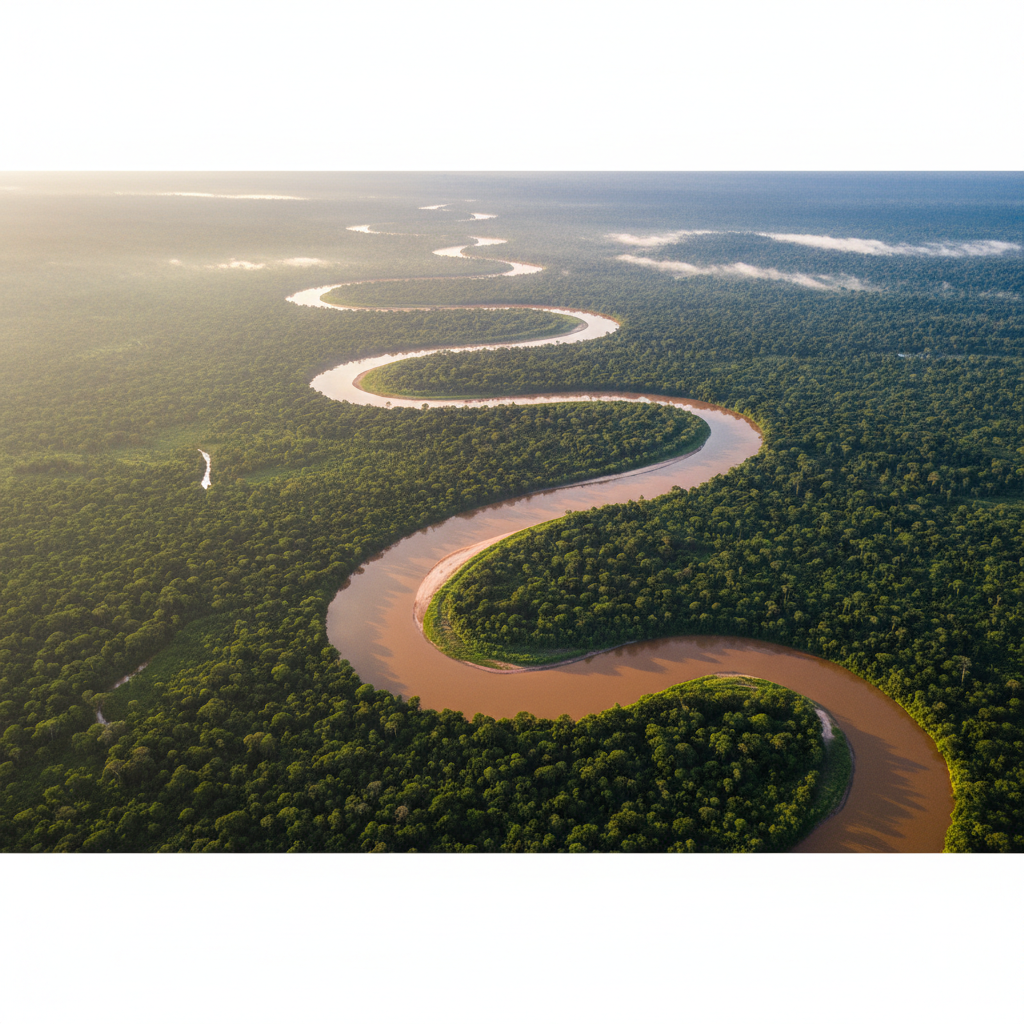
The 'Lungs' of our Planet

The Path Forward

Conservation: Protecting existing old-growth forests is more effective than planting new ones.

Reforestation: Restoring degraded lands to increase carbon capture capacity.

Sustainable Management: Ensuring logging practices do not exceed the forest's regeneration rate.

  • forest-conservation
  • carbon-sink
  • climate-change
  • photosynthesis
  • ecology
  • environmental-science
  • reforestation