

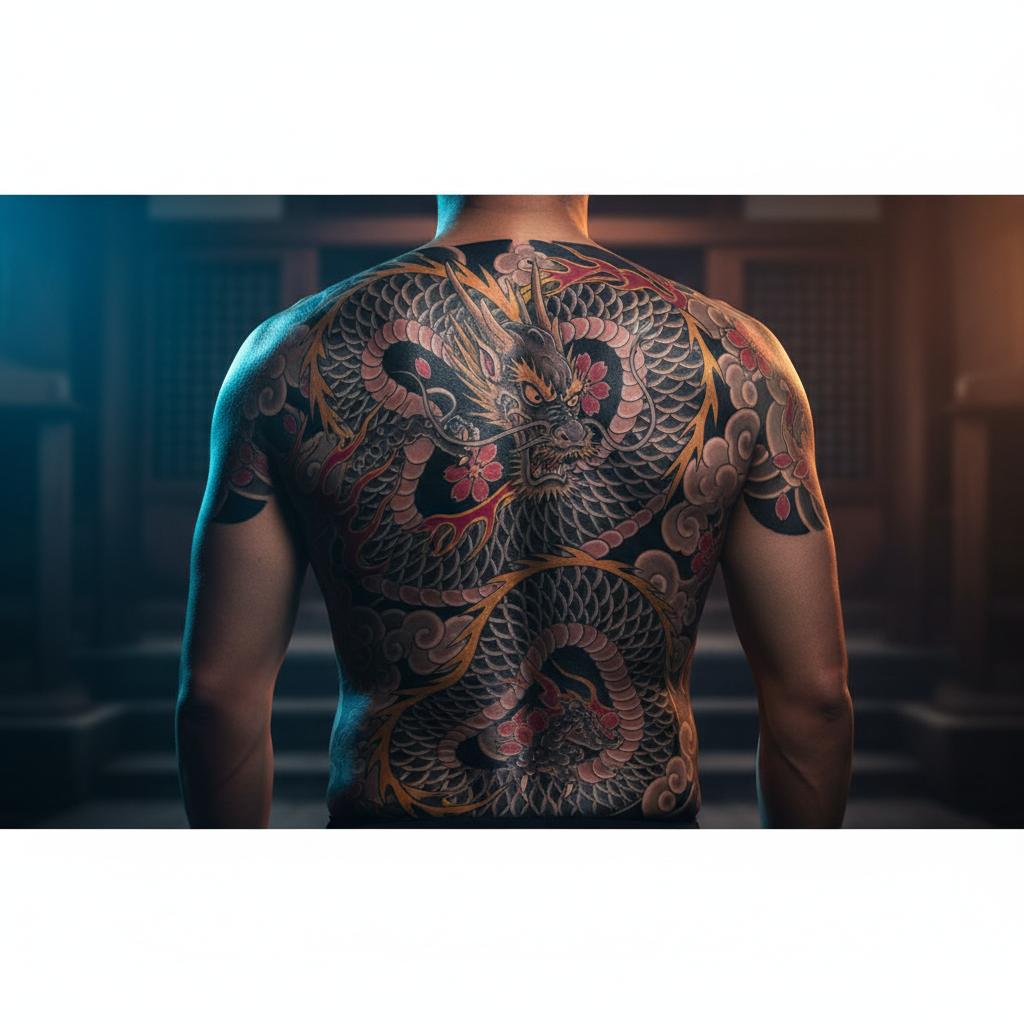
Mastering Tattoo Design: Balance and Rhythm Principles
Learn how to apply fundamental design principles like balance and rhythm to tattooing to ensure stable, flowing compositions that suit the human body.
Principles of Design in Tattooing
Mastering Balance and Rhythm - Sumit M. Tank.
The Art of Placement
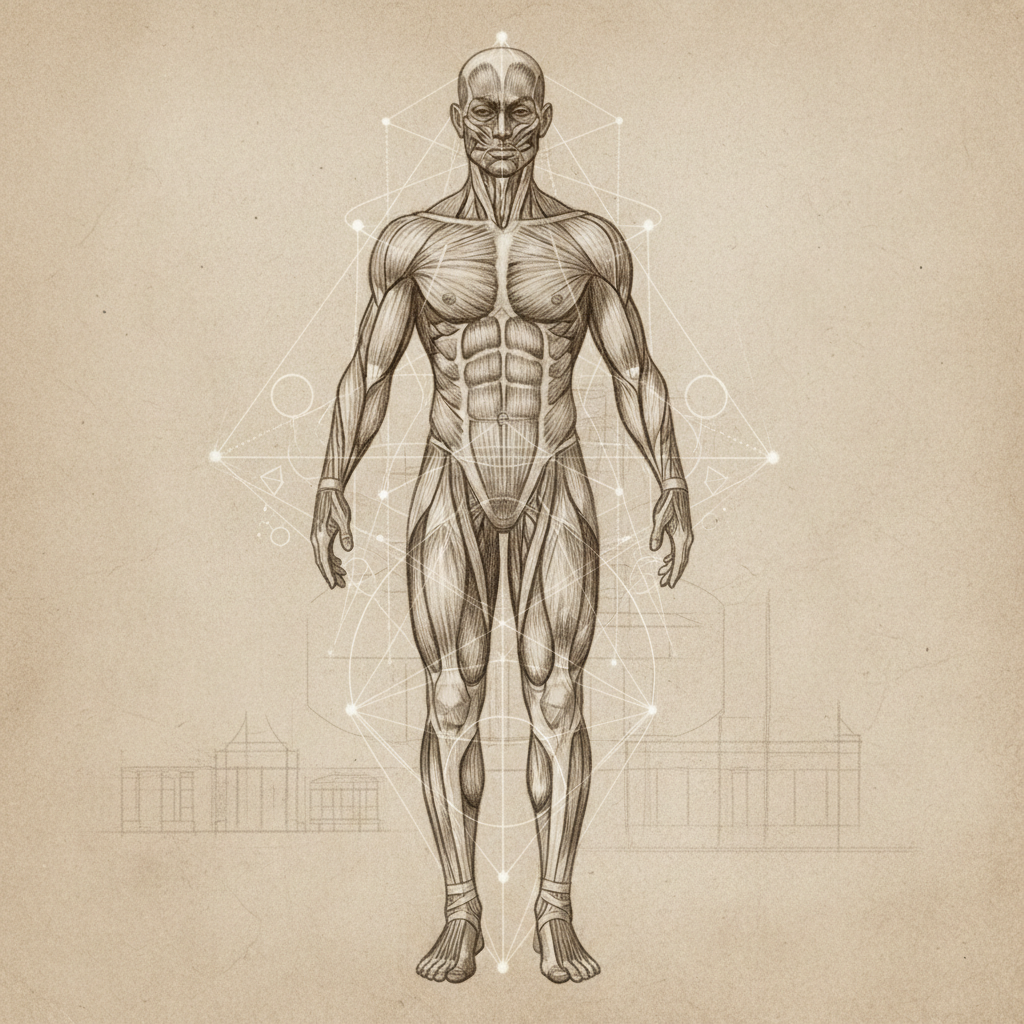
Tattoo design is not just about the image itself, but how it interacts with the human form. Understanding design principles ensures that a piece feels intentional, stable, and flows naturally with the body's anatomy.
Defining Balance
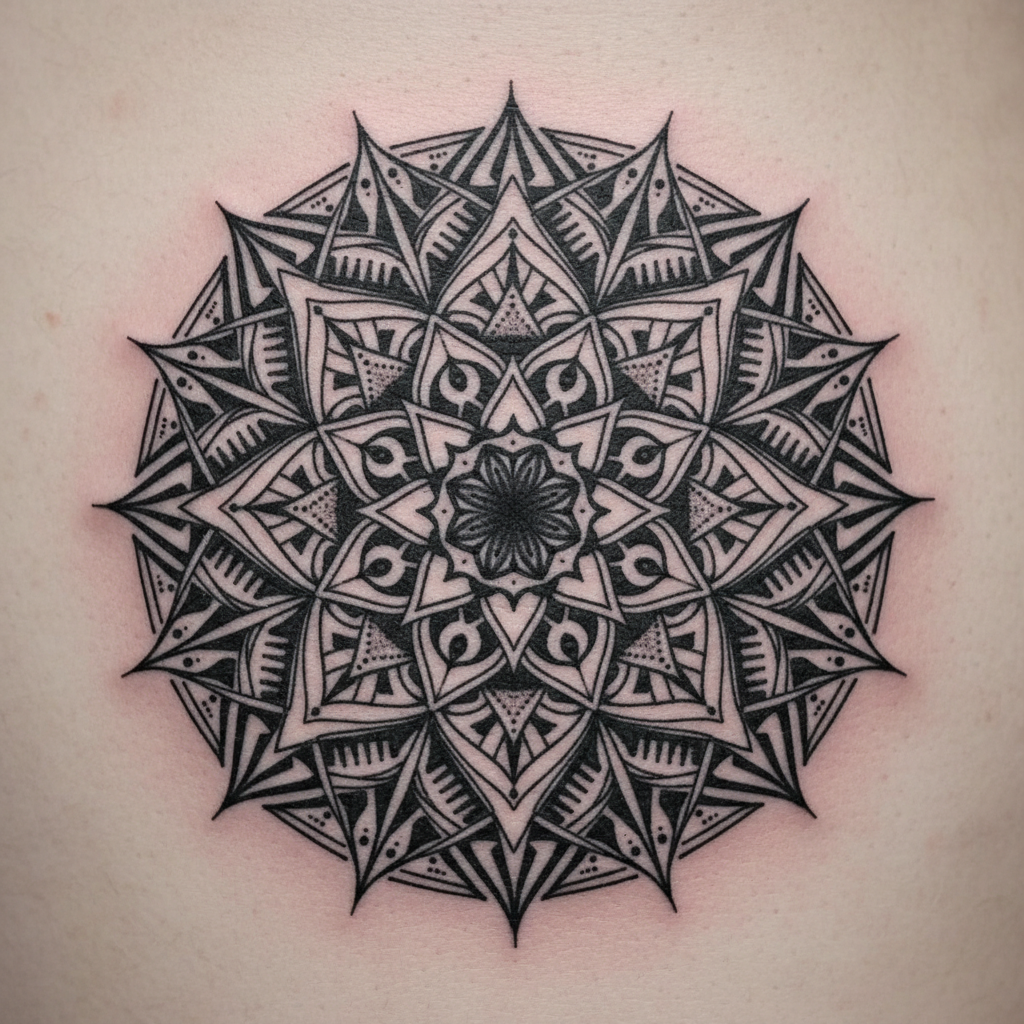
Balance refers to the distribution of visual weight across the body. It ensures the tattoo feels stable and grounded rather than chaotic or top-heavy. A balanced design respects the natural center and creates a sense of equilibrium.
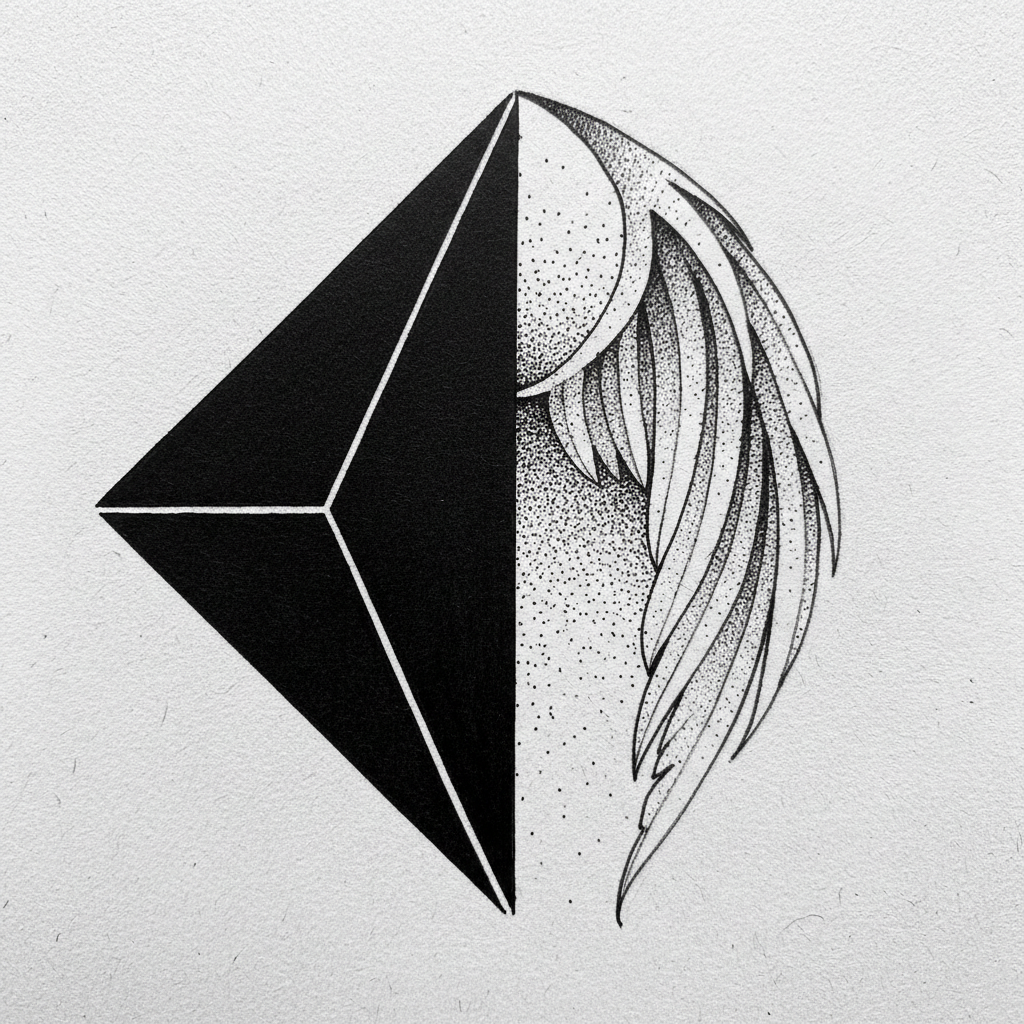
Visual Weight: Position & Shape
<strong>Position:</strong> Elements placed farther from the natural center of a body part attract more attention and feel visually heavier.
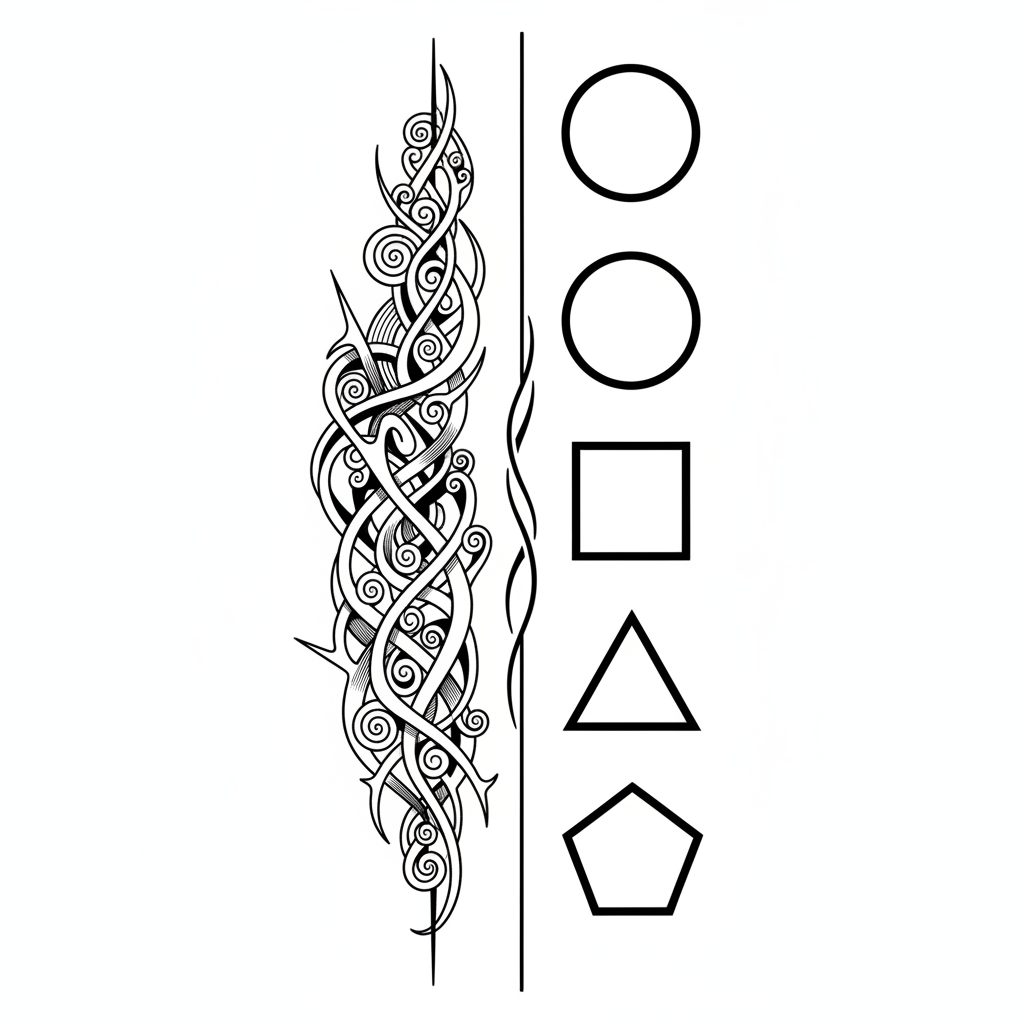
<strong>Shape:</strong> Intricate, complex forms carry more visual weight than simple, geometric forms.
Visual Weight: Color & Size
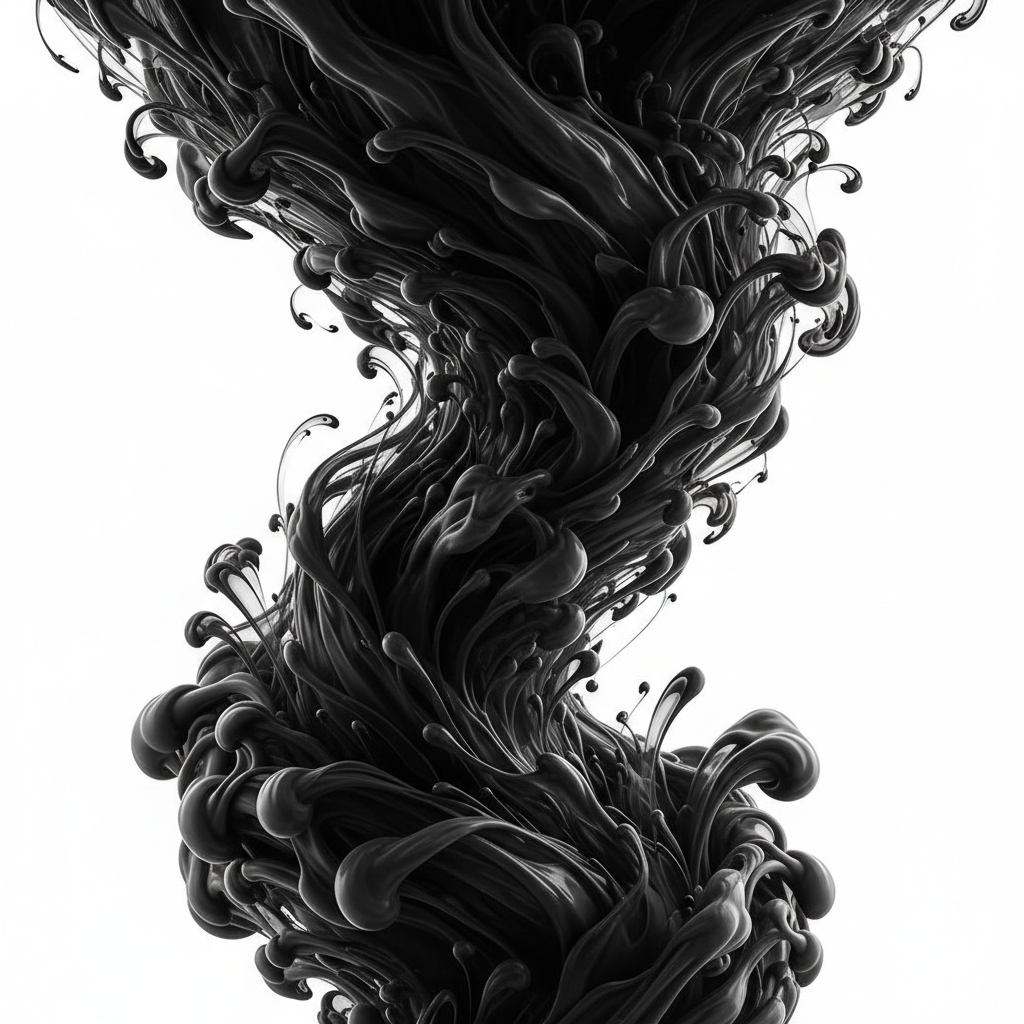
<strong>Color:</strong> Dark, saturated, and high-contrast tones feel significantly heavier than soft, muted, or negative-space heavy areas.
<strong>Size:</strong> Larger elements naturally dominate the composition and anchor the design's weight.
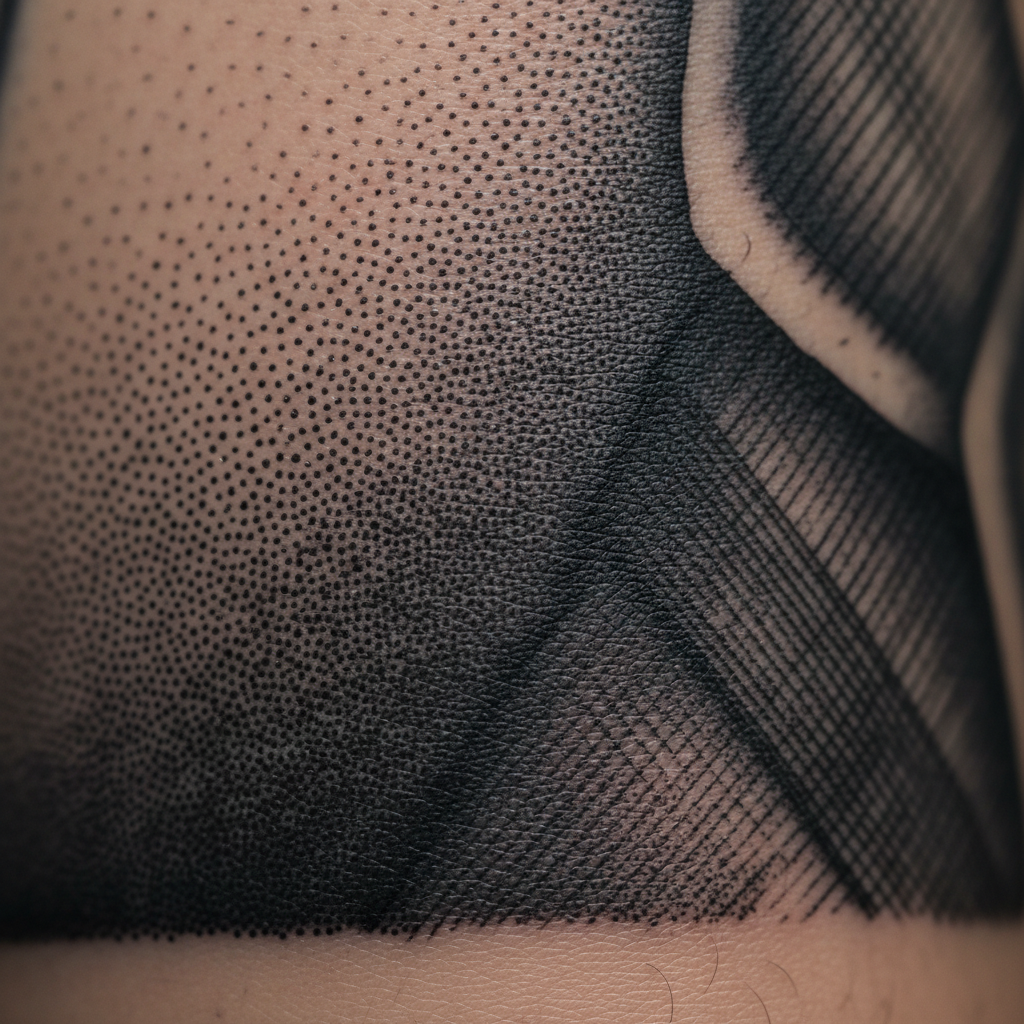
Visual Weight: Quantity & Texture
<strong>Quantity:</strong> Increasing the number of grouped elements increases their collective visual weight.
<strong>Texture & Detail:</strong> Areas with dense shading or high detail draw the eye and feel heavier than smooth, minimal surfaces.
A well-balanced tattoo feels grounded, readable, and long-lasting on the body.
Understanding Rhythm
Rhythm is the flow of the design. It is the arrangement of elements to create movement that harmonizes with the body's natural anatomy. Without rhythm, a tattoo can look stiff or 'pasted on'.
Creating Rhythm
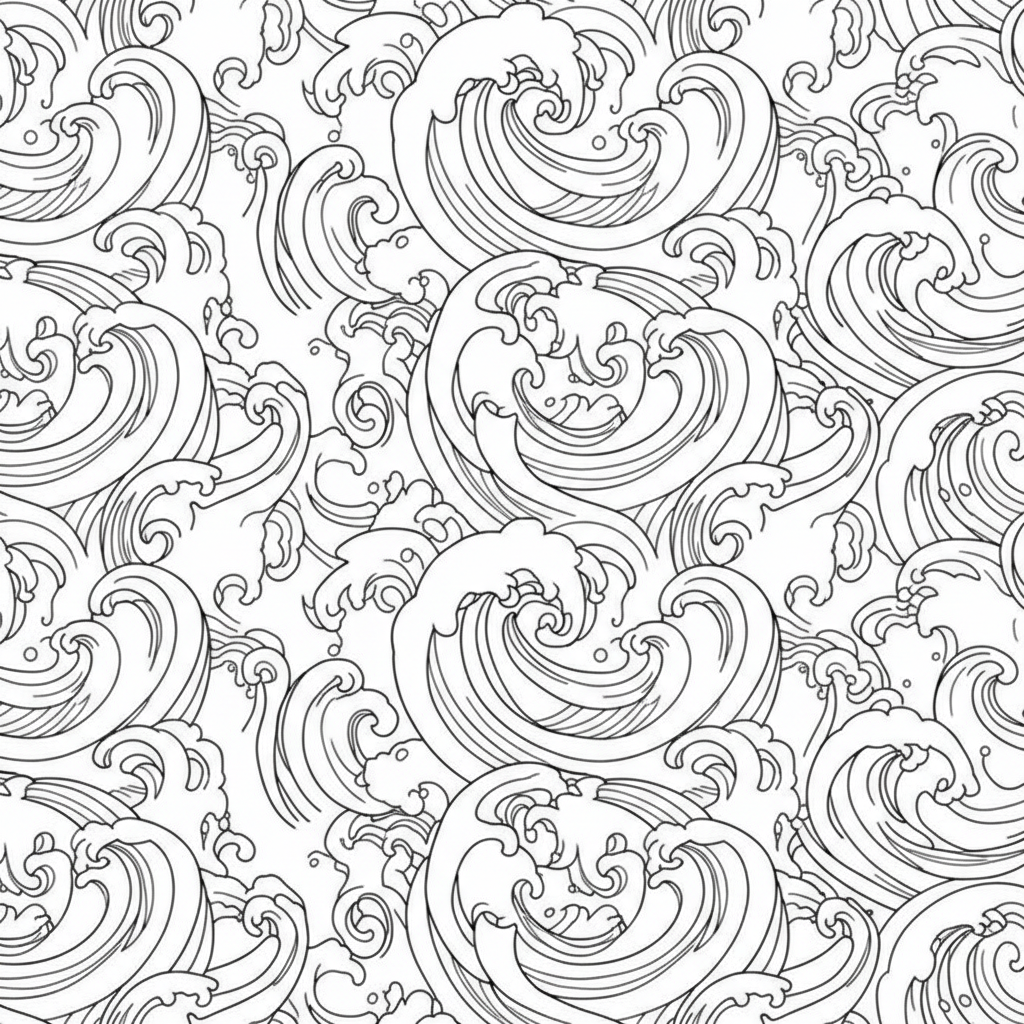
<strong>Repetition:</strong> Repeating shapes, lines, or forms establishes a beat that the eye follows.
<strong>Pattern & Continuity:</strong> Consistent patterns connect disparate parts of the tattoo into a unified whole.
<strong>Directional Movement:</strong> Lines that guide the viewer's eye along the muscles and curves enhance the body's form.
In tattooing, balance creates stability, and rhythm creates life.
- tattoo-design
- design-principles
- art-education
- tattooing-techniques
- visual-balance
- composition-tips
- body-art