

Understanding Tattoo Design: Principles and Artistry
Learn the core principles of tattoo artistry: function, form, and meaning. Discover why design is essential for longevity and body flow in tattooing.
What Is Design?
Form, Function, and Meaning in Tattoo Artistry
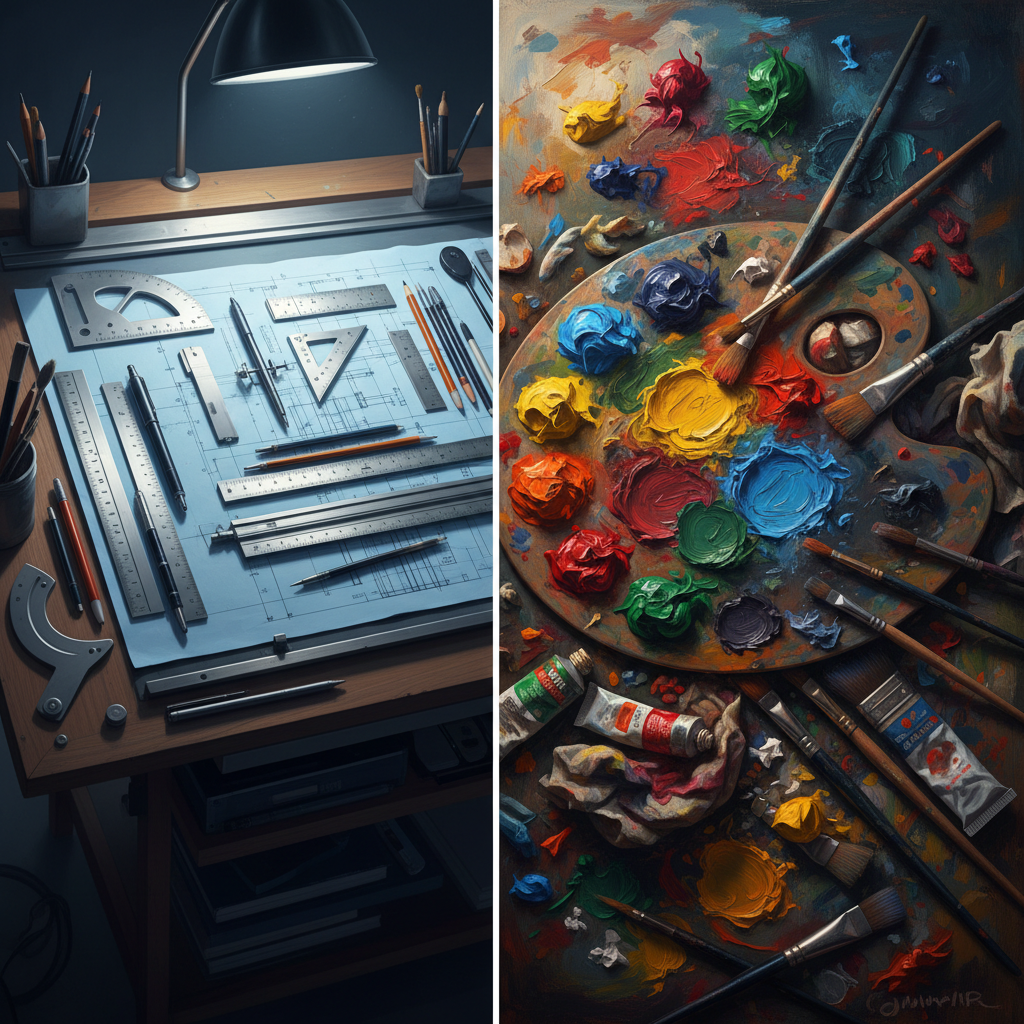
Designing vs. Drawing
Drawing is often about personal expression and aesthetics.
Design is about problem-solving and structure.
A great drawing can fail as a tattoo if it lacks design.
What Is Design?
DESIGN
FUNCTION (Purpose / Use)
FORM (How it looks)
MEANING (Communication)
Design is the intentional planning of ideas so they work, feel right, and communicate clearly.
Design is not decoration. It is decision-making with purpose.
1. FUNCTION (Purpose)
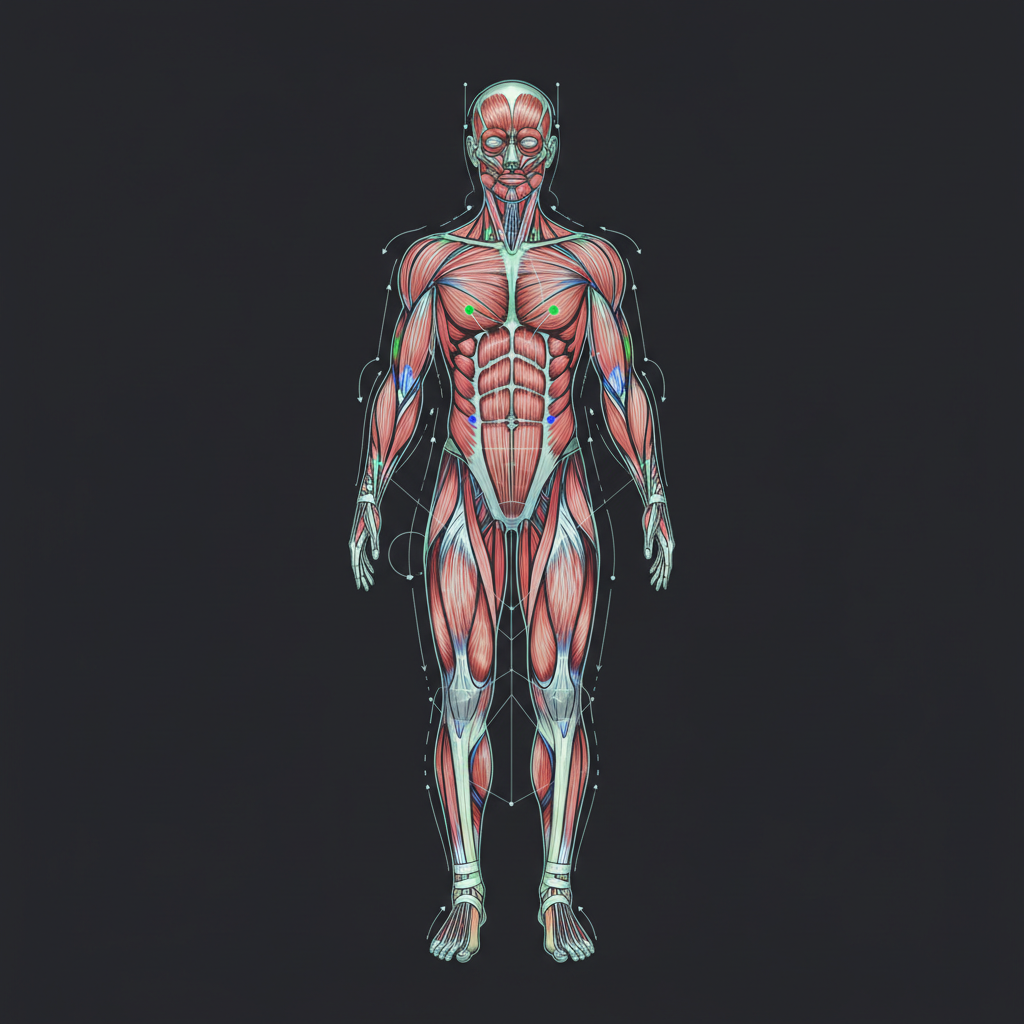
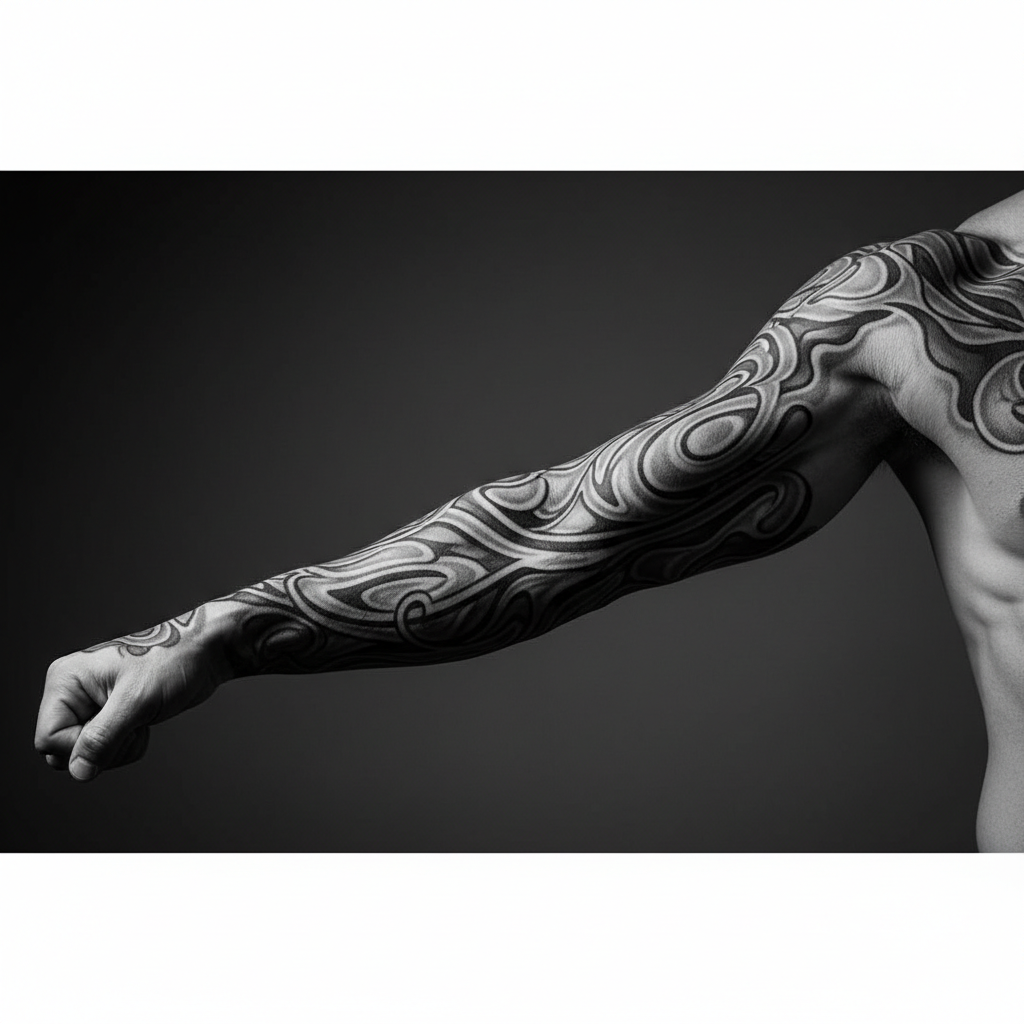
Function dictates where a tattoo fits on the body. It considers movement, aging, and visibility.
Does the design allow for the skin's natural stretch? Will it hold up over 20 years?
2. FORM (Aesthetics)
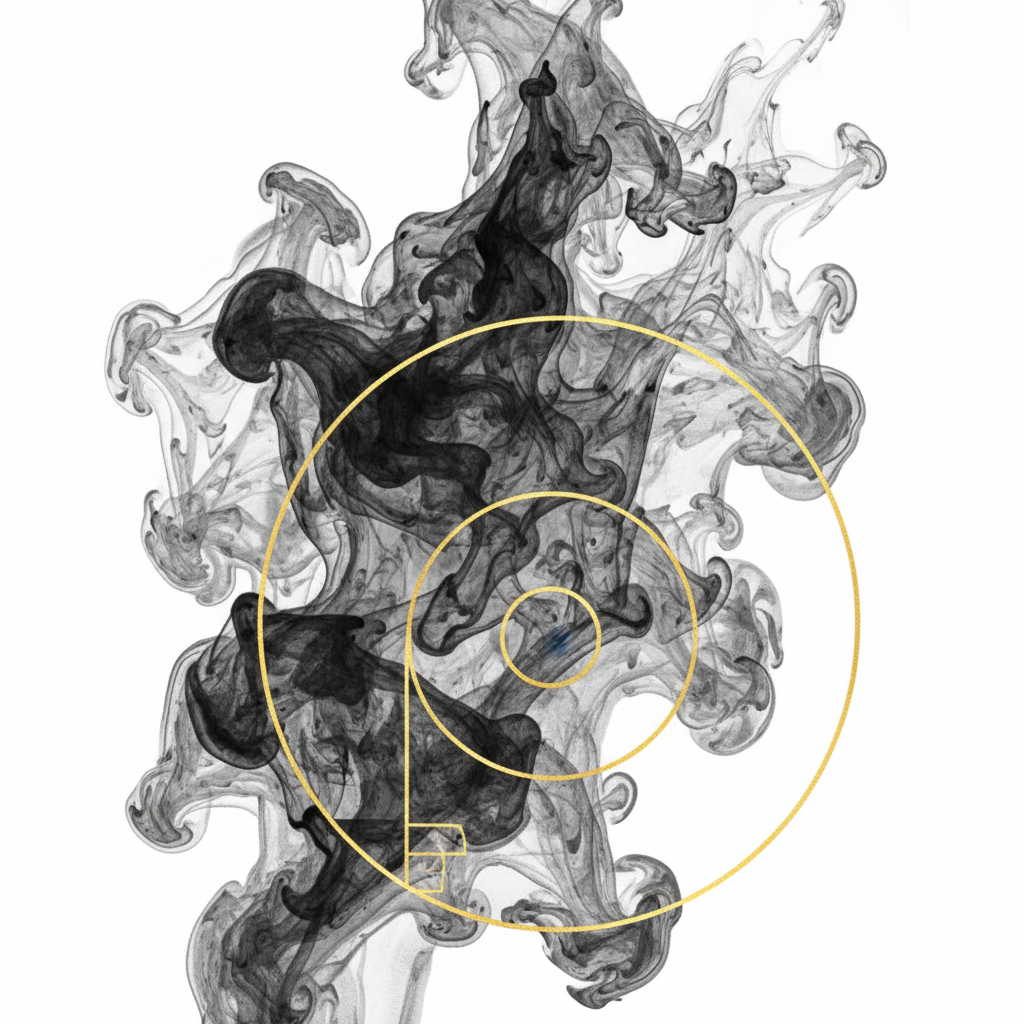
Form is the visual language: composition, contrast, balance, and style.
It is how the eye travels across the piece. Is it legible? Is it dynamic?
3. MEANING (Story)
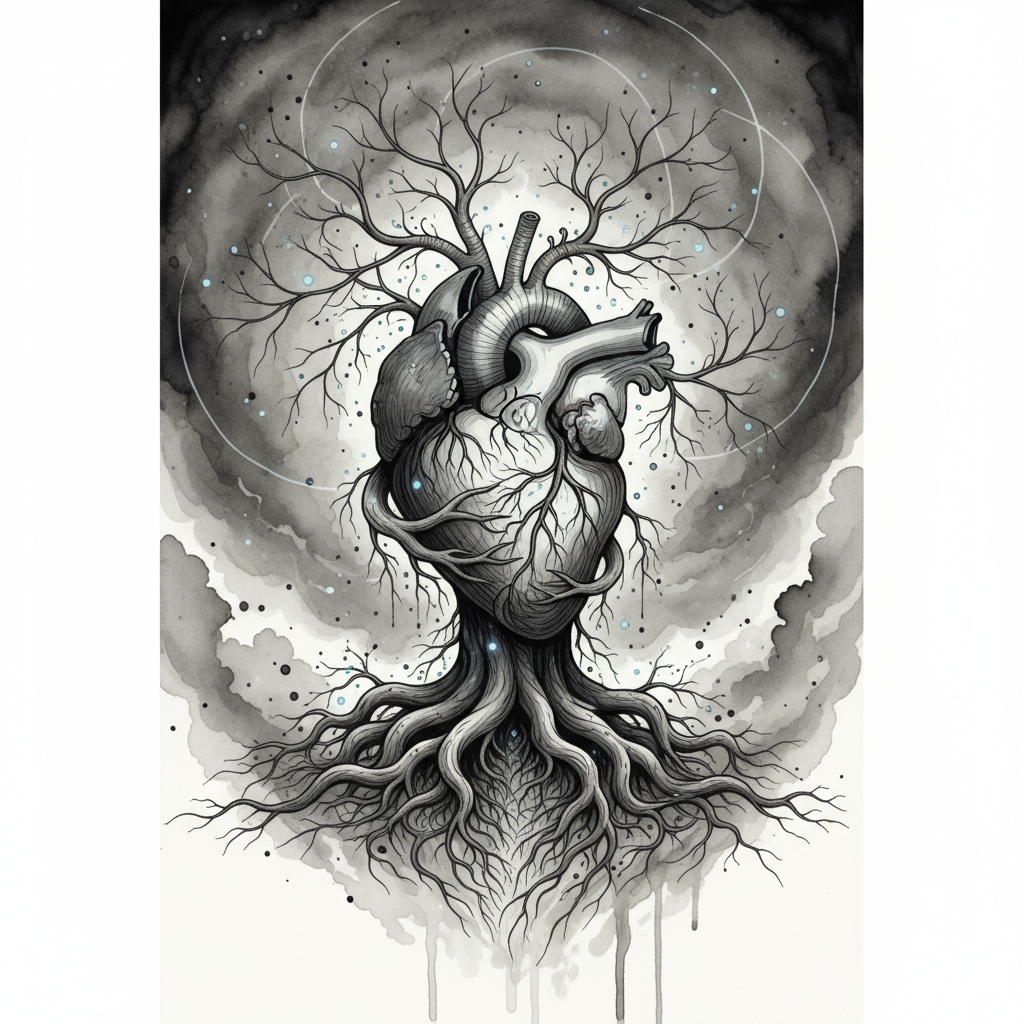
Meaning is the emotional resonance. What does the imagery communicate?
Even 'meaningless' cool designs clearly communicate an attitude. The design must match the intent.
Design is not decoration. It is decision-making with purpose.
Core Principle
Design Decides Flow & Longevity
In Tattooing, Design Must:
Fit the curvature of the body (Morphology).
Account for ink spreading over time (Aging).
Be readable from a distance (Legibility).
This is why we design before we draw.
The Takeaway
Design is the logic that makes art wearable.
Without design, it's just a doodle. With design, it's a tattoo.
- tattoo-design
- art-principles
- tattoo-artistry
- design-vs-drawing
- visual-composition
- tattoo-education