
Made byBobr AI

How Environment & Biology Shape Workplace Personality

Explore how family, education, and occupational settings influence personality traits and behavior. Essential insights for HR and team development.

#personality-traits#hr-strategy#organizational-psychology#employee-development#cultural-context#big-five-assessment
Watch
Pitch

Personality & Environment

How Surroundings and Biology Shape Who We Are

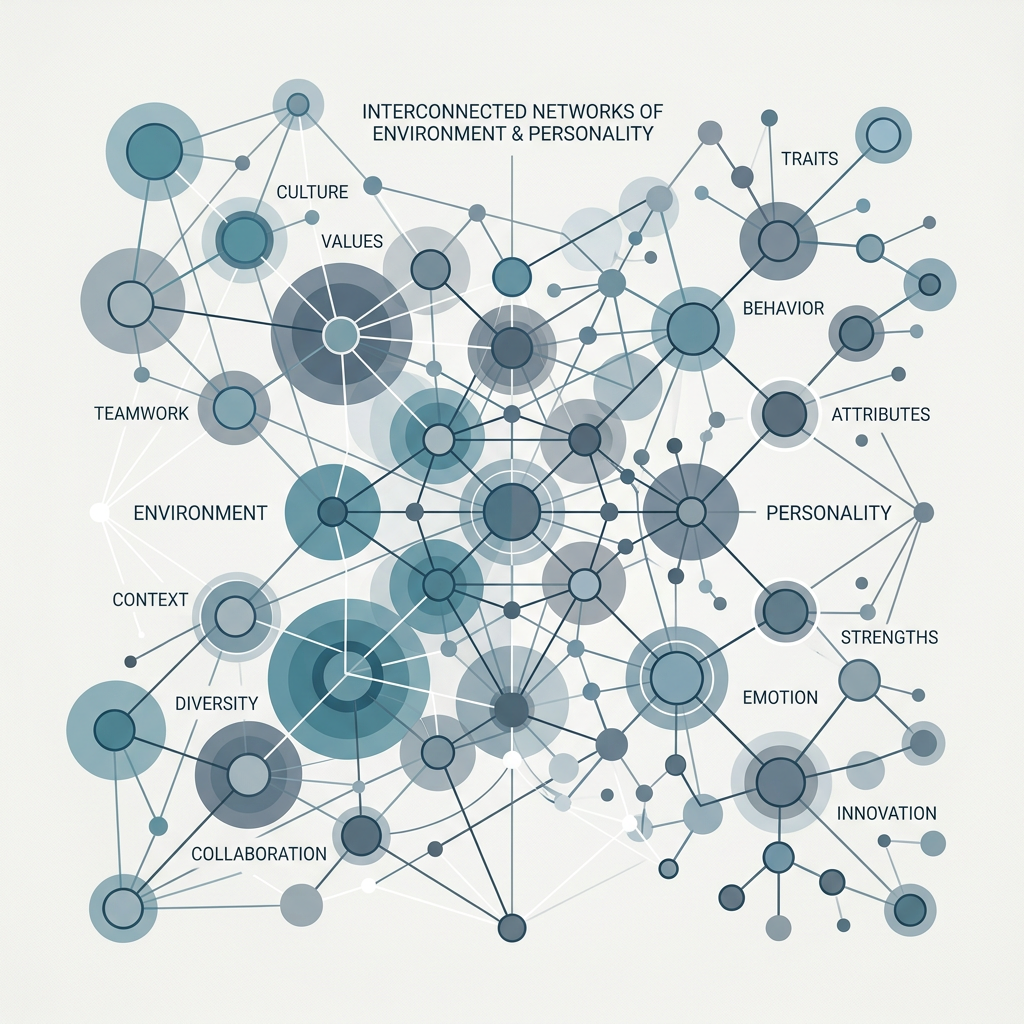
Abstract Networks
Made byBobr AI

Environmental Influences on Personality

Your surroundings and biology work together to shape your personality. The places you live, the people around you, and every moment can influence who you become.

Key Environmental Factors

🏠
Living Environment
👨‍👩‍👧
Family Dynamics
🎓
Education
👥
Peer & Friend Relationships
💼
Occupational Settings
Life Events & Trauma
A person's history and environment shape how they interpret experiences and develop traits. Trauma, for example, can alter perception and emotional responses.
Made byBobr AI

Behavioural & Situational Influences

Learning Through Consequences

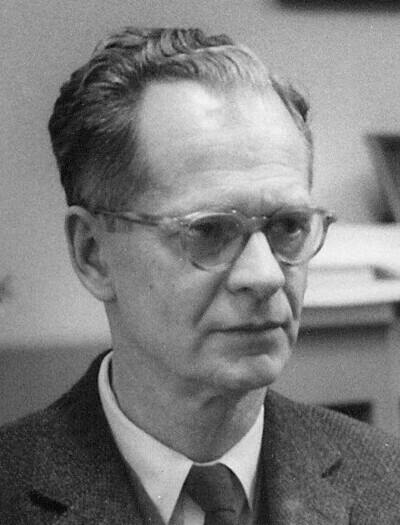
B.F. Skinner
B.F. Skinner
(1976)
Behaviour is shaped by consequences, not biology.
Personality arises from reinforcement and learning.
i
Example
"Being praised for good behaviour makes it more likely to be repeated."

Situational Pressure

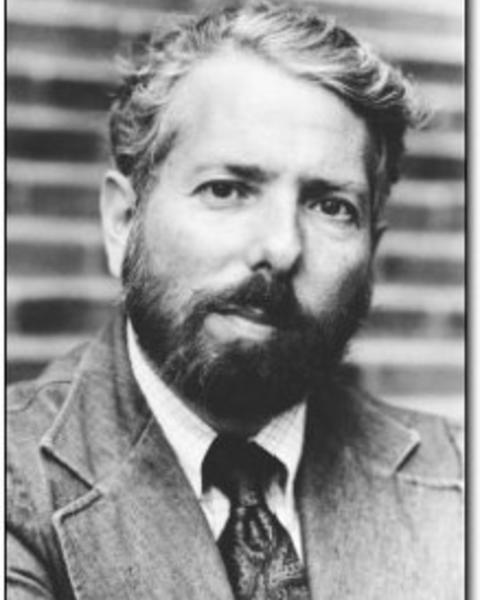
S. Asch
S. Asch
(1951)
S. Milgram
S. Milgram
(1963)
Situational factors can sometimes override individual traits.
Observing real behaviour may be more reliable than personality tests — self-reported answers can vary by context (e.g. work vs. home).
!
Context Matters
"Someone may say they are very conscientious because they are always on time at work — but this might not be true at home."
Made byBobr AI

Personality is Not Set in Stone

Genetics, life events, and our choices all shape how we grow and change. Understanding this encourages a growth mindset — for both individuals and organisations.

Neuroticism & Anxiety

People who frequently feel anxious tend to score higher in neuroticism, linked to negative emotions. Perfectionist concerns (self-criticism) and perfectionistic striving (high standards) both influence behaviour. (Stoeber & Otto, 2000)

Situational Behaviour

People use labels like 'shy' or 'outgoing' but behaviour changes with context. A coworker may seem shy at work but be outgoing elsewhere. (Ross & Nisbett, 2011). Social media can also distort our perception of someone's true personality.

Perception Matters Most

How people interpret and understand situations is key. Traits don't always predict behaviour in every situation. (Mischel, 1968)

"

Personality traits are relatively stable — but they can and do change with life roles, experiences, and cultural context.

Made byBobr AI

Implications for HR Professionals

Focus less on hiring for fixed traits — and more on helping employees grow and adapt. Personality assessments are best used for development, not as permanent labels.

1
Recruitment & Selection
Use structured interviews and validated Big Five assessments to match candidates to job requirements — not simplistic type labels.
2
Team Dynamics
Trait diversity helps build balanced teams and improve communication, collaboration, and conflict resolution.
3
Employee Development
Personality can shift over time. Support growth through job rotation, coaching, mentoring, feedback, and training workshops.
4
Ethical Use
Ensure assessments are used fairly, transparently, and in compliance with legal standards. Build on strengths and support challenges.
The work environment itself can affect traits like neuroticism — especially during stressful times or job insecurity. Matching roles to strengths boosts satisfaction and performance.
Made byBobr AI
Bobr AI

DESIGNER-MADE
PRESENTATION,
GENERATED FROM
YOUR PROMPT

Create your own professional slide deck with real images, data charts, and unique design in under a minute.

Generate For Free

How Environment & Biology Shape Workplace Personality

Explore how family, education, and occupational settings influence personality traits and behavior. Essential insights for HR and team development.

Personality & Environment

How Surroundings and Biology Shape Who We Are

Environmental Influences on Personality

Your surroundings and biology work together to shape your personality. The places you live, the people around you, and every moment can influence who you become.

Key Environmental Factors

🏠

Living Environment

👨‍👩‍👧

Family Dynamics

🎓

Education

👥

Peer & Friend Relationships

💼

Occupational Settings

Life Events & Trauma

A person's history and environment shape how they interpret experiences and develop traits. Trauma, for example, can alter perception and emotional responses.

Behavioural & Situational Influences

Learning Through Consequences

Behaviour is shaped by consequences, not biology.

Personality arises from reinforcement and learning.

Being praised for good behaviour makes it more likely to be repeated.

Situational Pressure

Situational factors can sometimes override individual traits.

Observing real behaviour may be more reliable than personality tests — self-reported answers can vary by context (e.g. work vs. home).

Someone may say they are very conscientious because they are always on time at work — but this might not be true at home.

Personality is Not Set in Stone

Genetics, life events, and our choices all shape how we grow and change. Understanding this encourages a growth mindset — for both individuals and organisations.

Neuroticism & Anxiety

People who frequently feel anxious tend to score higher in neuroticism, linked to negative emotions. Perfectionist concerns (self-criticism) and perfectionistic striving (high standards) both influence behaviour. (Stoeber & Otto, 2000)

Situational Behaviour

People use labels like 'shy' or 'outgoing' but behaviour changes with context. A coworker may seem shy at work but be outgoing elsewhere. (Ross & Nisbett, 2011). Social media can also distort our perception of someone's true personality.

Perception Matters Most

How people interpret and understand situations is key. Traits don't always predict behaviour in every situation. (Mischel, 1968)

Personality traits are relatively stable — but they can and do change with life roles, experiences, and cultural context.

Implications for HR Professionals

Focus less on hiring for fixed traits — and more on helping employees grow and adapt. Personality assessments are best used for development, not as permanent labels.

Recruitment & Selection

Use structured interviews and validated Big Five assessments to match candidates to job requirements — not simplistic type labels.

Team Dynamics

Trait diversity helps build balanced teams and improve communication, collaboration, and conflict resolution.

Employee Development

Personality can shift over time. Support growth through job rotation, coaching, mentoring, feedback, and training workshops.

Ethical Use

Ensure assessments are used fairly, transparently, and in compliance with legal standards. Build on strengths and support challenges.

The work environment itself can affect traits like neuroticism — especially during stressful times or job insecurity. Matching roles to strengths boosts satisfaction and performance.

  • personality-traits
  • hr-strategy
  • organizational-psychology
  • employee-development
  • cultural-context
  • big-five-assessment