




Made byBobr AI

Plant Species Detection Using YOLOv8 Deep Learning

Discover how YOLOv8 enables real-time plant species identification and localization for precision agriculture and biodiversity monitoring.

#yolov8#computer-vision#deep-learning#plant-identification#precision-agriculture#ai-research#object-detection
Watch
Pitch
Background
Icon
Deep Learning ยท Computer Vision

Plant Species Object Detection

Using YOLOv8 Model

Automated identification and localization of plant species using state-of-the-art real-time object detection

Research Team ยท October 2023

Made byBobr AI

CONTENTS

Decorative Leaf
01 Project Overview & Motivation
02 Dataset & Plant Species
03 YOLOv8 Architecture
04 Training Pipeline
05 Results & Performance
06 Conclusion & Future Work
Made byBobr AI
01 โ€” Project Overview

Why Automate Plant Species Detection?

Manual plant identification is time-consuming, error-prone, and requires expert knowledge. Automating with deep learning enables scalability for agriculture, ecology, and biodiversity monitoring.

๐ŸŒฟ Biodiversity Monitoring

Track and catalog plant species at scale

๐ŸŒพ Precision Agriculture

Identify crops and weeds automatically

๐Ÿ”ฌ Scientific Research

Accelerate botanical studies

Made byBobr AI
02 โ€” Dataset & Plant Species

Training Data & Species Coverage

5,000+
Training Images
15
Plant Species
3 Classes
Healthy / Diseased / Weed
Rose
Rose
Sunflower
Sunflower
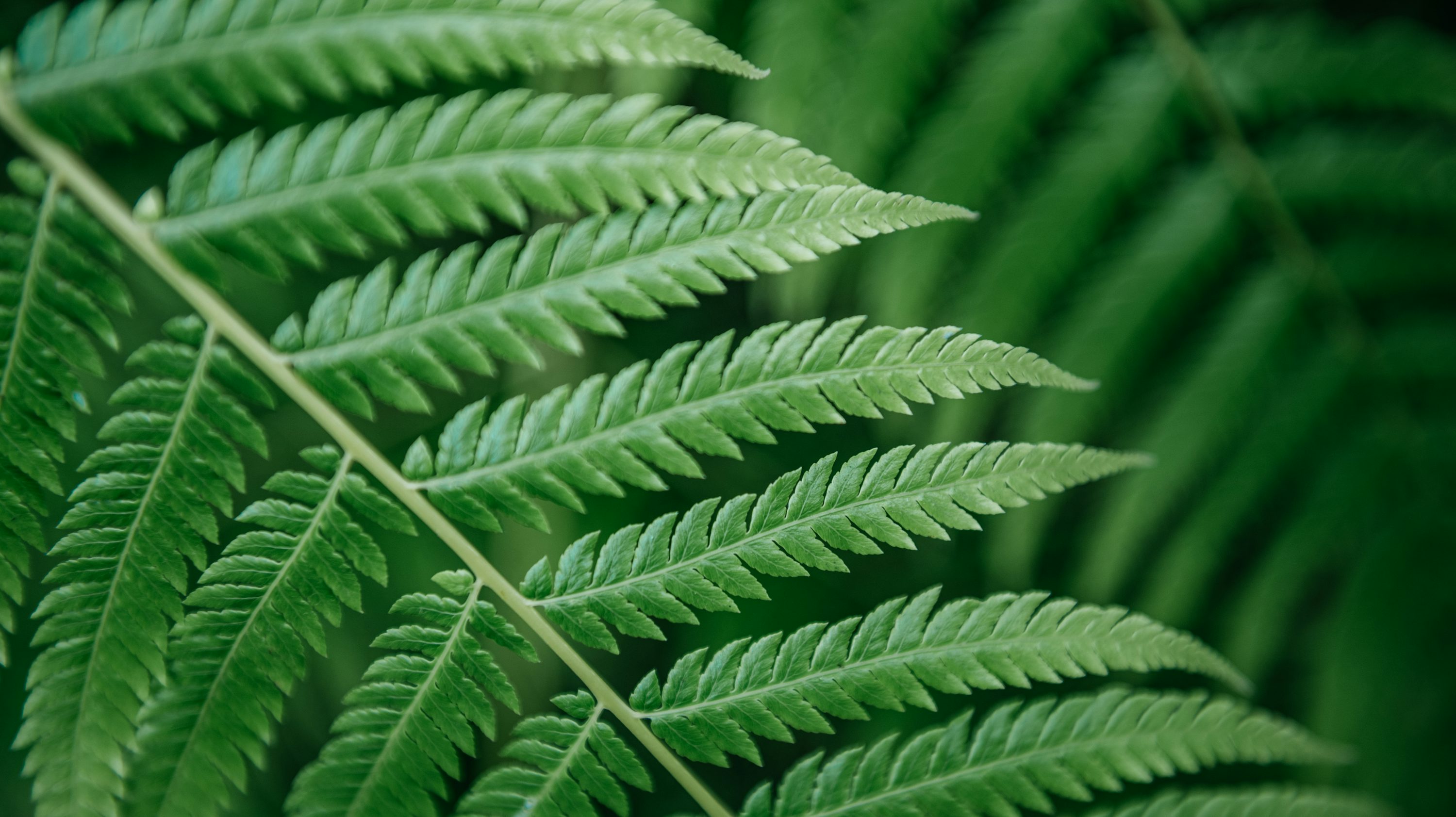
Fern
Fern
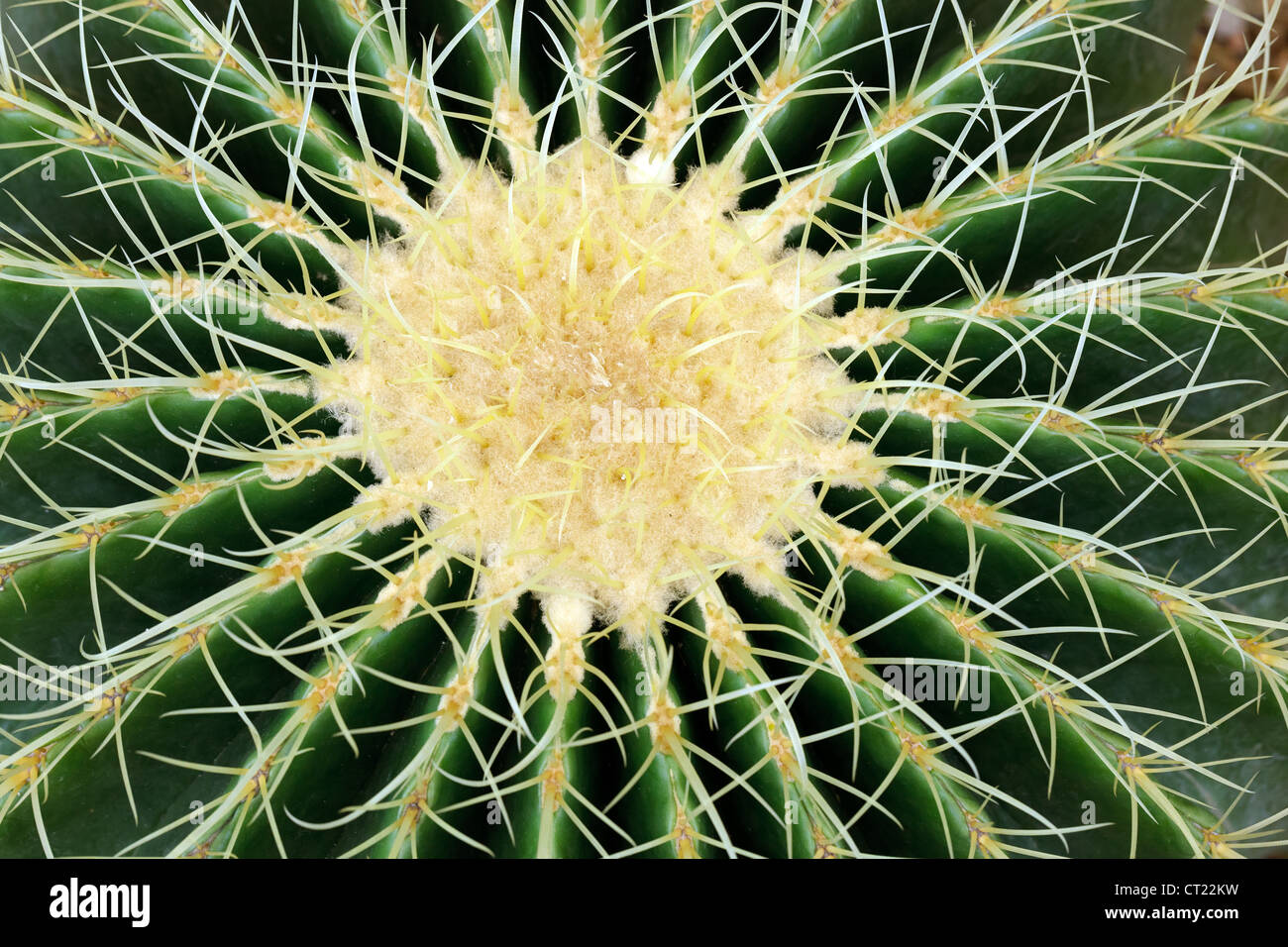
Cactus
Cactus
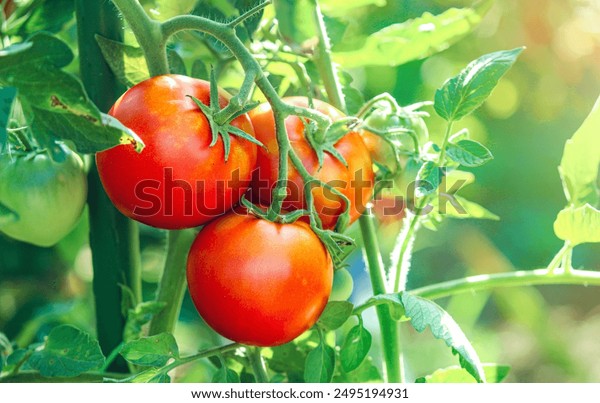
Tomato Plant
Tomato Plant
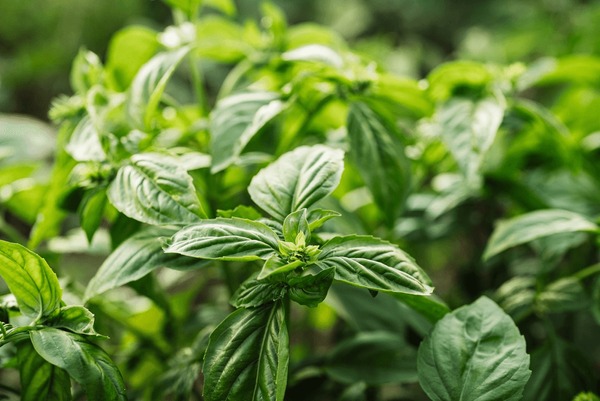
Basil
Basil

Dataset sourced from PlantVillage & custom field photography. Annotated using Roboflow.

Made byBobr AI
03 โ€” YOLOv8 Architecture

How YOLOv8 Works

Input Image
Raw pixel data
Backbone (CSPDarknet)
Feature extraction
Neck (PANet / FPN)
Feature aggregation
Detection Head
Coord & class predictions
Output: Bounding Boxes + Labels
Final predictions

Key Features of YOLOv8

Anchor-free detection
Multi-scale feature fusion
Real-time inference speed
Pretrained on COCO dataset

Why YOLOv8 for Plants?

High accuracy on small objects (leaves, flowers)
Fast inference โ€” suitable for field deployment
Easy fine-tuning on custom datasets
Made byBobr AI
04 โ€” Training Pipeline

From Raw Images to Trained Model

1

Data Collection

Field photography + public datasets

2

Annotation

Bounding box labeling with Roboflow

3

Preprocessing

Resize to 640ร—640, augmentation (flip, rotate, HSV)

4

Model Training

YOLOv8n/s fine-tuned, 100 epochs, batch size 16, AdamW optimizer

5

Evaluation

mAP@0.5, Precision, Recall metrics

model = YOLO('yolov8s.pt')
model.train(data='plants.yaml', epochs=100, imgsz=640)
Made byBobr AI
05 โ€” Results & Performance

Model Evaluation Metrics

mAP@0.5 91.4%
Precision 89.7%
Recall 88.3%
Inference Speed
42 FPS
Rose
94%
Sunflower
92%
Cactus
91%
Tomato
90%
Fern
88%
Basil
87%
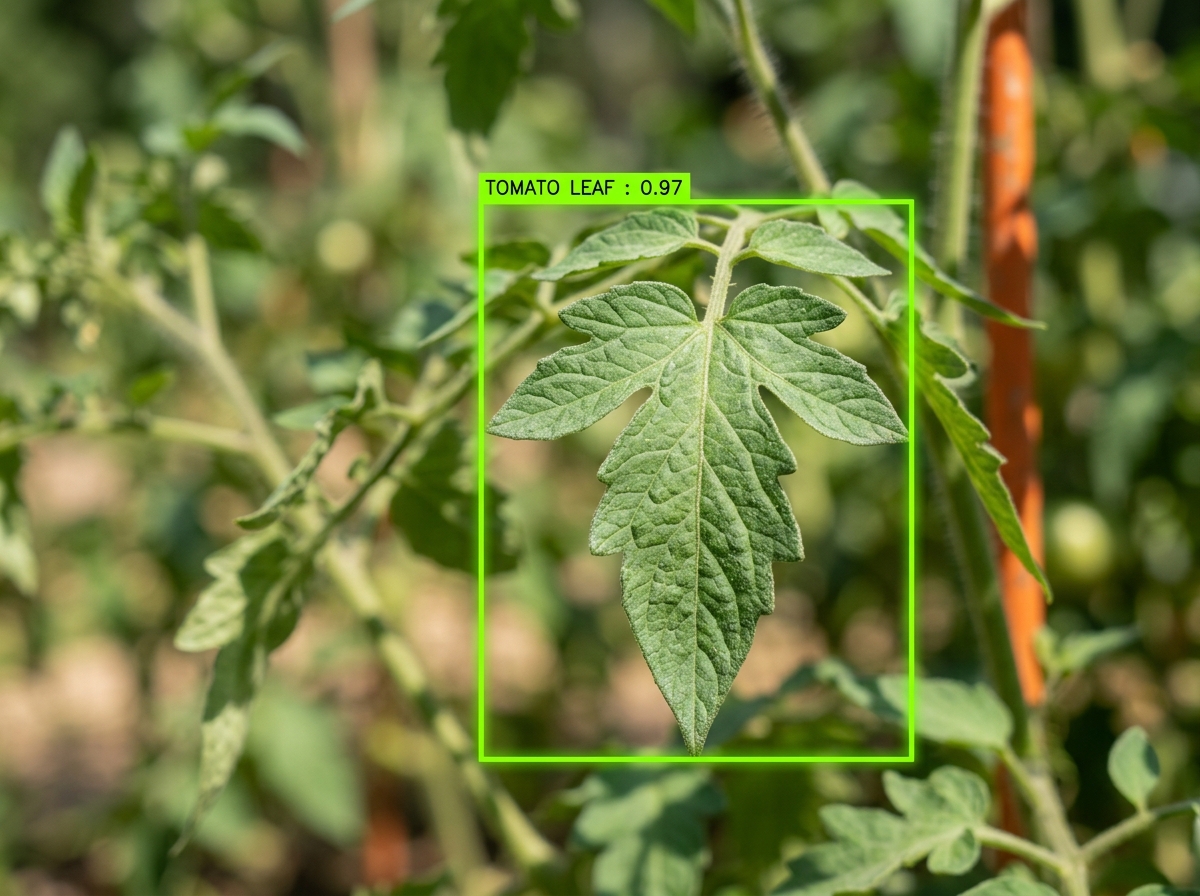
Sample Detection
Detection Output Tomato Plant โ€” 96.2% confidence
Made byBobr AI
06 โ€” Conclusion & Future Work

What We Achieved & What's Next

Key Takeaways

Successfully trained YOLOv8 to detect 15 plant species with 91.4% mAP

Real-time detection at 42 FPS โ€” suitable for edge deployment

Robust performance across lighting conditions and leaf orientations

Open dataset pipeline enables easy extension to new species

Future Work

Expand to 50+ plant species

Mobile deployment (iOS/Android via CoreML/TFLite)

Integrate disease severity scoring

Drone-based field detection system

Bridging deep learning and botanical science for a greener future.

Made byBobr AI
Botanical Background

Thank You

Questions & Discussion

GitHub | github.com/nature-research/plant-yolo
Email | contact@botanicalvision.edu
Computer Vision & Plant Sciences Lab
YOLOv8 & Ultralytics Logo
Made byBobr AI
Bobr AI

DESIGNER-MADE
PRESENTATION,
GENERATED FROM
YOUR PROMPT

Create your own professional slide deck with real images, data charts, and unique design in under a minute.

Generate For Free

Plant Species Detection Using YOLOv8 Deep Learning

Discover how YOLOv8 enables real-time plant species identification and localization for precision agriculture and biodiversity monitoring.

Deep Learning ยท Computer Vision

Plant Species Object Detection

Using YOLOv8 Model

Automated identification and localization of plant species using state-of-the-art real-time object detection

Research Team ยท October 2023

CONTENTS

01

Project Overview & Motivation

02

Dataset & Plant Species

03

YOLOv8 Architecture

04

Training Pipeline

05

Results & Performance

06

Conclusion & Future Work

01 โ€” Project Overview

Why Automate Plant Species Detection?

Manual plant identification is time-consuming, error-prone, and requires expert knowledge. Automating with deep learning enables scalability for agriculture, ecology, and biodiversity monitoring.

๐ŸŒฟ Biodiversity Monitoring

Track and catalog plant species at scale

๐ŸŒพ Precision Agriculture

Identify crops and weeds automatically

๐Ÿ”ฌ Scientific Research

Accelerate botanical studies

02 โ€” Dataset & Plant Species

Training Data & Species Coverage

5,000+

Training Images

15

Plant Species

3 Classes

Healthy / Diseased / Weed

Rose

Sunflower

Fern

Cactus

Tomato Plant

Basil

Dataset sourced from PlantVillage & custom field photography. Annotated using Roboflow.

03 โ€” YOLOv8 Architecture

How YOLOv8 Works

Input Image

Raw pixel data

Backbone (CSPDarknet)

Feature extraction

Neck (PANet / FPN)

Feature aggregation

Detection Head

Coord & class predictions

Output: Bounding Boxes + Labels

Final predictions

Key Features of YOLOv8

Why YOLOv8 for Plants?

Anchor-free detection

Multi-scale feature fusion

Real-time inference speed

Pretrained on COCO dataset

High accuracy on small objects (leaves, flowers)

Fast inference โ€” suitable for field deployment

Easy fine-tuning on custom datasets

04 โ€” Training Pipeline

From Raw Images to Trained Model

Data Collection

Field photography + public datasets

Annotation

Bounding box labeling with Roboflow

Preprocessing

Resize to 640ร—640, augmentation (flip, rotate, HSV)

Model Training

YOLOv8n/s fine-tuned, 100 epochs, batch size 16, AdamW optimizer

Evaluation

mAP@0.5, Precision, Recall metrics

yolov8s.pt

plants.yaml

100

640

05 โ€” Results & Performance

Model Evaluation Metrics

91.4%

89.7%

88.3%

42

Tomato Plant โ€” 96.2% confidence

06 โ€” Conclusion & Future Work

What We Achieved & What's Next

Key Takeaways

Successfully trained YOLOv8 to detect 15 plant species with 91.4% mAP

Real-time detection at 42 FPS โ€” suitable for edge deployment

Robust performance across lighting conditions and leaf orientations

Open dataset pipeline enables easy extension to new species

Future Work

Expand to 50+ plant species

Mobile deployment (iOS/Android via CoreML/TFLite)

Integrate disease severity scoring

Drone-based field detection system

Bridging deep learning and botanical science for a greener future.

Thank You

Questions & Discussion

github.com/nature-research/plant-yolo

contact@botanicalvision.edu

Computer Vision & Plant Sciences Lab