



Made byBobr AI

Optimizing Hospital Call Center & Patient Access Operations

Learn how centralizing hospital call center operations and upgrading infrastructure can increase appointment conversion rates from 6% to over 10%.

#hospital-management#healthcare-operations#call-center-optimization#patient-access#business-process-reengineering#revenue-cycle
Watch
Pitch

Centralizing Operations for Patient Access

Optimizing Conversion through Corporate Governance & Infrastructure Upgrades

Made byBobr AI

Current Operational Landscape

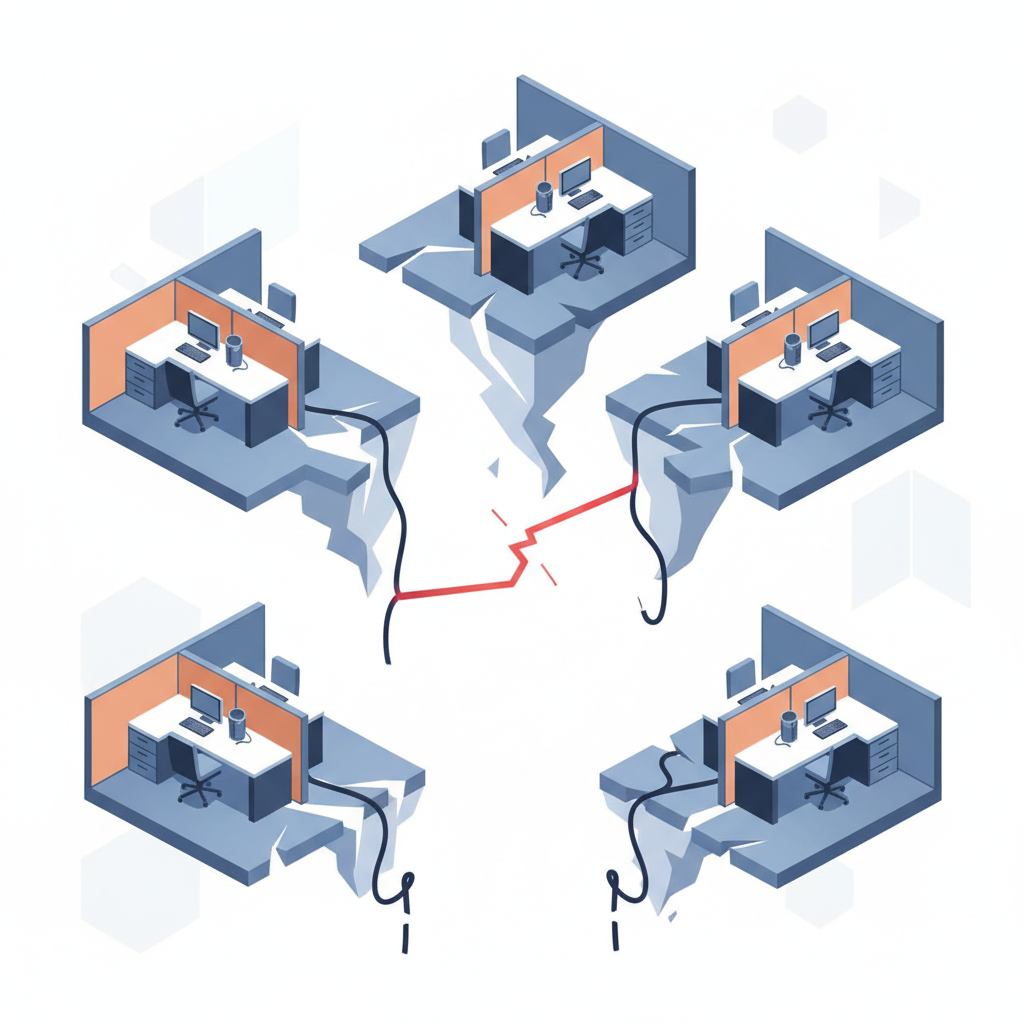
Currently, our workforce is fragmented. The team is divided into Corporate and Unit SPOCs. Unit SPOCs are physically located at hospitals and report directly to Unit Heads. This decentralized structure creates silos, limiting visibility into the appointment pipeline.

Made byBobr AI

Key Challenges & Pain Points

  • Decentralized control leads to inconsistent handling of incoming appointment calls.
  • Unit Heads manage operational SPOCs, creating a conflict of focus for conversion targets.
  • Hardware and software outages cause frequent interruptions in the booking process.
  • Inability to seamlessly track virtual numbers at local hospital levels.
Made byBobr AI

Current Conversion Performance

Our current conversion rate stands at 6%. Without centralized tracking and adequate resources, we are missing a significant portion of patient leads.

Chart
Made byBobr AI

Strategic Realignment

Centralizing Command under Corporate Head

We propose shifting the reporting line of Unit SPOCs from Unit Heads to the Corporate Head. This structural change will unify the team, standardize processes, and provide the oversight needed to drive conversion rates aggressively.

Made byBobr AI

Technology & Infrastructure

Implementation of Virtual Numbers to track all incoming calls at hospitals. We have identified immediate needs for upgraded hardware and robust software to ensure zero-interruption service.

Made byBobr AI

Operational Workflow & Shifts

  • Corporate Team Shift Window: 06:00 AM to 11:00 PM.
  • Night Shift Operations managed by dedicated Night Manager.
  • Consolidated Morning Follow-ups: Corporate team processes all pending night cases immediately at shift start.
  • Resource Allocation: Hiring additional staff to maintain service levels during peak hours.
Made byBobr AI

Impact Projection: Conversion Uplift

By taking control of all SPOCs and optimizing the incoming funnel, we project a 60-70% relative increase in conversion efficiency.

Chart
Made byBobr AI

“Taking control of incoming calls allows us to drive conversion from 6% to significantly higher benchmarks, directly impacting hospital revenue.”

— Strategic Proposal

Made byBobr AI

Implementation Roadmap

1. Approval of Headcount & Hardware Budget. 2. Integration of Virtual Numbers. 3. Transfer of Reporting Lines to Corporate. 4. Commence Full 6AM-11PM Operations.

Made byBobr AI
Bobr AI

DESIGNER-MADE
PRESENTATION,
GENERATED FROM
YOUR PROMPT

Create your own professional slide deck with real images, data charts, and unique design in under a minute.

Generate For Free

Optimizing Hospital Call Center & Patient Access Operations

Learn how centralizing hospital call center operations and upgrading infrastructure can increase appointment conversion rates from 6% to over 10%.

Centralizing Operations for Patient Access

Optimizing Conversion through Corporate Governance & Infrastructure Upgrades

Current Operational Landscape

Currently, our workforce is fragmented. The team is divided into Corporate and Unit SPOCs. Unit SPOCs are physically located at hospitals and report directly to Unit Heads. This decentralized structure creates silos, limiting visibility into the appointment pipeline.

Key Challenges & Pain Points

Decentralized control leads to inconsistent handling of incoming appointment calls.

Unit Heads manage operational SPOCs, creating a conflict of focus for conversion targets.

Hardware and software outages cause frequent interruptions in the booking process.

Inability to seamlessly track virtual numbers at local hospital levels.

Current Conversion Performance

Our current conversion rate stands at 6%. Without centralized tracking and adequate resources, we are missing a significant portion of patient leads.

Strategic Realignment

Centralizing Command under Corporate Head

We propose shifting the reporting line of Unit SPOCs from Unit Heads to the Corporate Head. This structural change will unify the team, standardize processes, and provide the oversight needed to drive conversion rates aggressively.

Technology & Infrastructure

Implementation of Virtual Numbers to track all incoming calls at hospitals. We have identified immediate needs for upgraded hardware and robust software to ensure zero-interruption service.

Operational Workflow & Shifts

Corporate Team Shift Window: 06:00 AM to 11:00 PM.

Night Shift Operations managed by dedicated Night Manager.

Consolidated Morning Follow-ups: Corporate team processes all pending night cases immediately at shift start.

Resource Allocation: Hiring additional staff to maintain service levels during peak hours.

Impact Projection: Conversion Uplift

By taking control of all SPOCs and optimizing the incoming funnel, we project a 60-70% relative increase in conversion efficiency.

Taking control of incoming calls allows us to drive conversion from 6% to significantly higher benchmarks, directly impacting hospital revenue.

Strategic Proposal

Implementation Roadmap

1. Approval of Headcount & Hardware Budget. 2. Integration of Virtual Numbers. 3. Transfer of Reporting Lines to Corporate. 4. Commence Full 6AM-11PM Operations.

  • hospital-management
  • healthcare-operations
  • call-center-optimization
  • patient-access
  • business-process-reengineering
  • revenue-cycle