
Made byBobr AI

Besifloxacin-Eluting Contact Lens Review: Sustained Delivery

A comprehensive review of besifloxacin-eluting contact lenses for treating bacterial keratitis, featuring 21.6x higher drug bioavailability than eye drops.

#bacterial-keratitis#ophthalmology#drug-delivery-systems#contact-lenses#pharmacokinetics#besifloxacin#biomedical-engineering
Watch
Pitch
JOURNAL CLUB PRESENTATION

Besifloxacin-Eluting Contact Lens

with Sustained Drug Delivery and Enhanced Bioavailability

Kuang L, Boychev N, Chen L, Ross AE, Kanu LN, et al.

International Journal of Pharmaceutics: X, 11 (2026) 100511

Group Members
Presenter 1
Presenter 2
Presenter 3
Presenter 4
Presenter 5
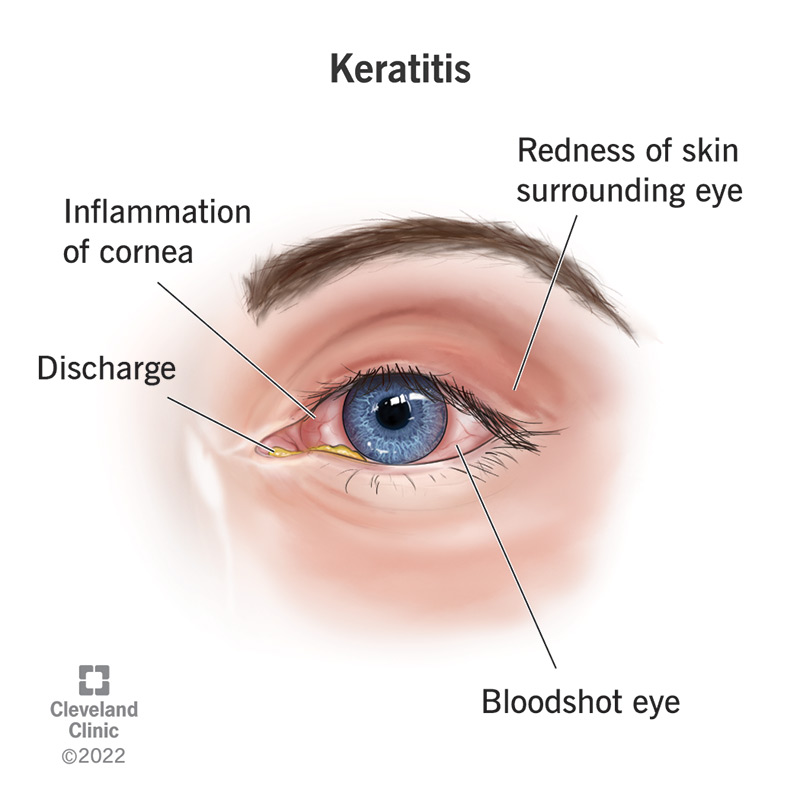
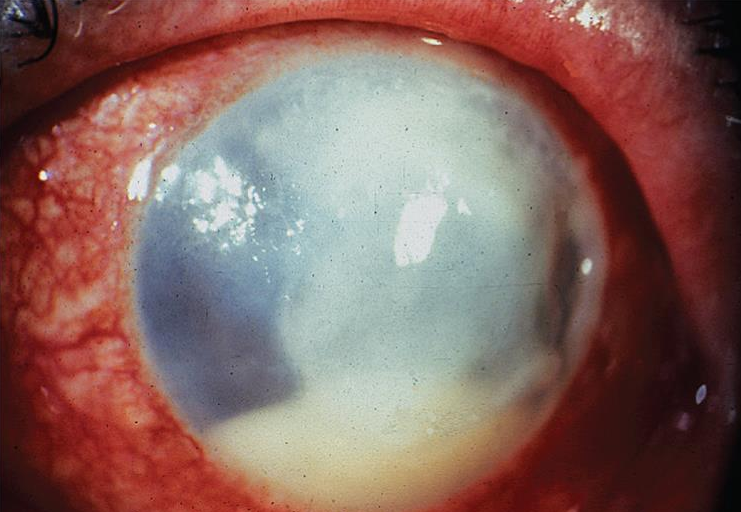
Research Keratitis Eye Eye Cover
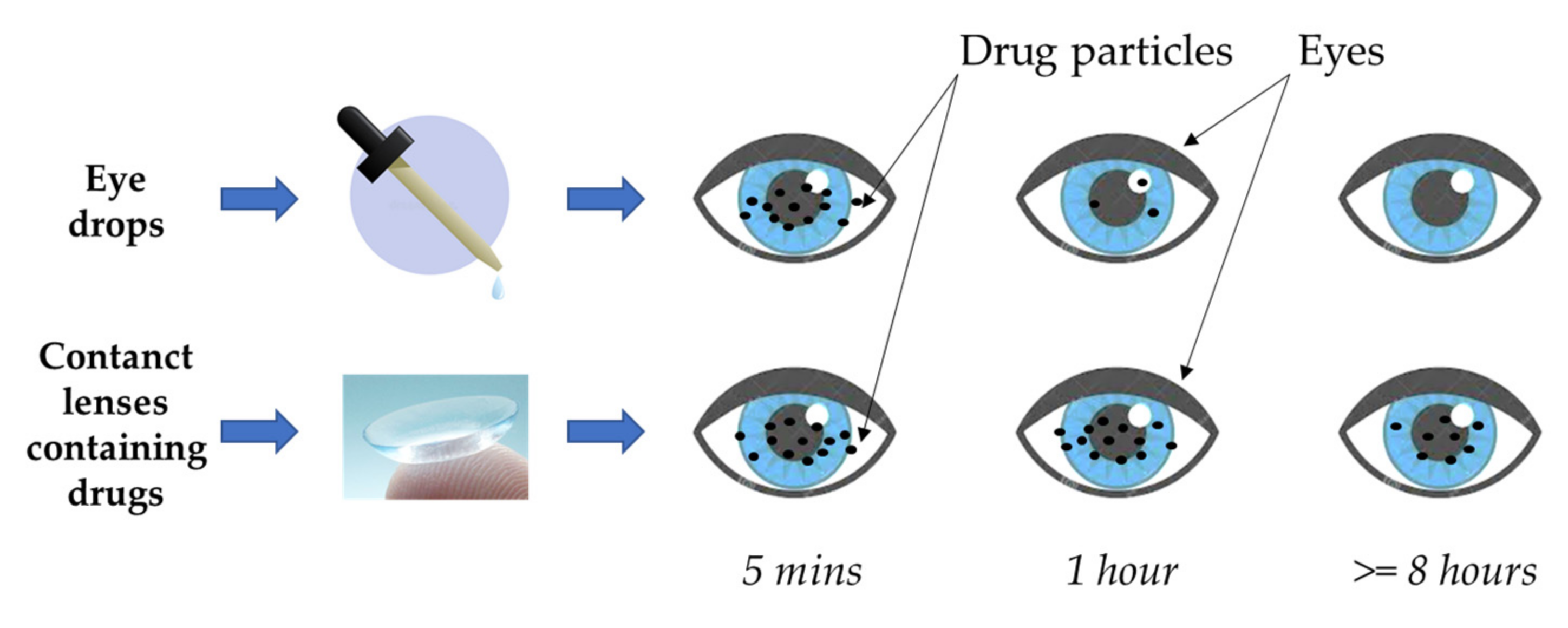
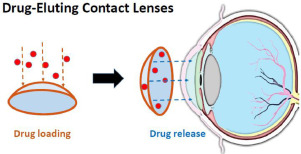
Contact Lens Configuration Diagram
Harvard Medical School / Mass Eye and Ear
Made byBobr AI

Presentation Overview

1
Introduction & Background
2
Problem Statement
3
Besifloxacin: The Drug
4
Drug-Eluting Contact Lens Concept
5
Materials & Methods — Fabrication
6
Physicochemical Characterization
7
In Vitro Drug Release
8
Stability Studies
9
Antimicrobial Efficacy & Cytotoxicity
10
Pharmacokinetics & Biocompatibility
Comprehensive Journal Club Review | Masters Level Evaluation
Made byBobr AI

Introduction: Bacterial Keratitis

What is Bacterial Keratitis?

A rapidly progressive ocular infection caused by bacterial pathogens. Leading cause of corneal blindness worldwide.

Prevalence & Impact

Significant global burden; affects vision and quality of life. Requires urgent and effective treatment.

Current Standard of Care

Intensive topical antibiotics (eye drops or ointments) administered hourly, even at night.

Key Clinical Limitation

Ocular bioavailability typically <7%. Poor corneal penetration + patient non-compliance.

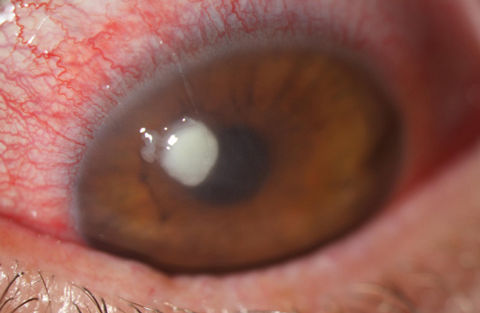
Keratitis Eye
Keratitis Diagram
McDonald et al., 2014 | Ung et al., 2019
Made byBobr AI

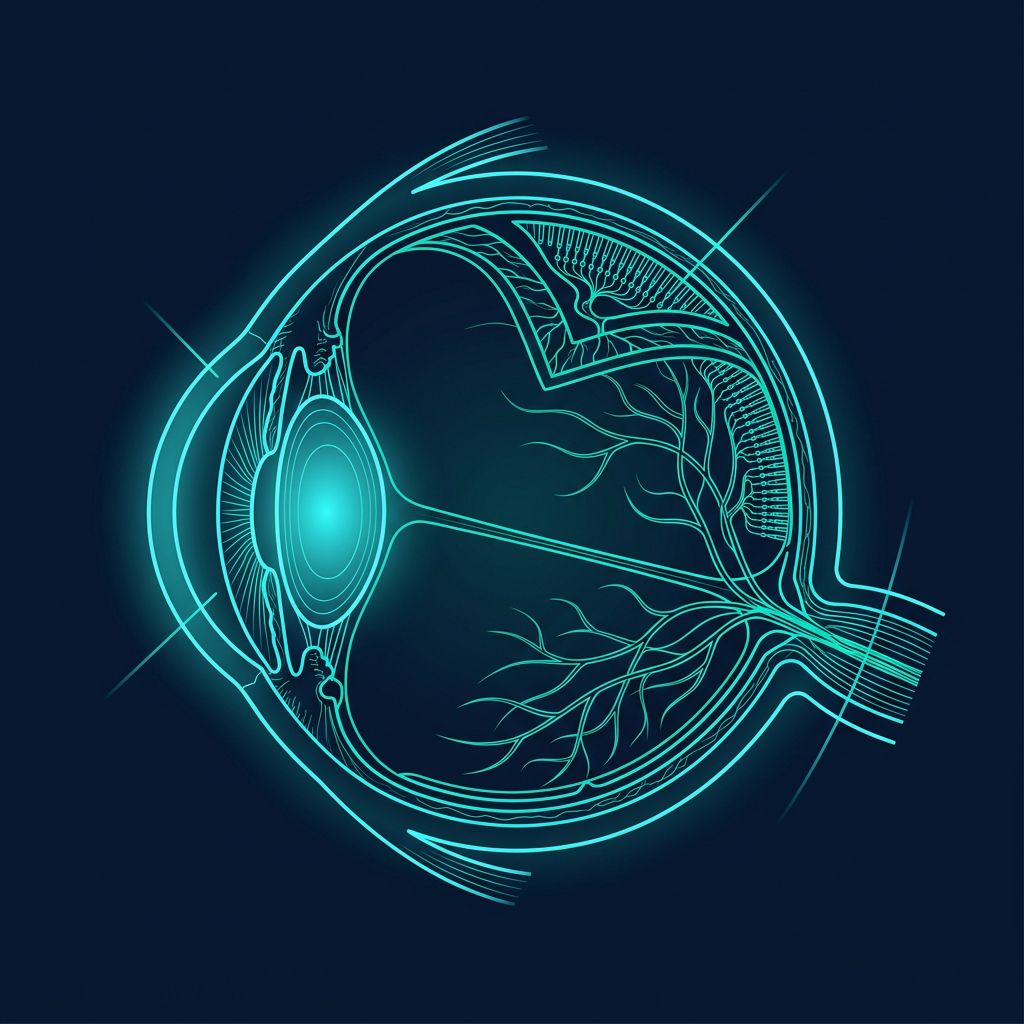
Barriers to Ocular Drug Delivery

Corneal Layers

Hydrophobic epithelium + endothelium flank the hydrophilic stroma — impedes both hydrophobic & hydrophilic molecules

Tear Turnover

0.5–2.2 μL/min tear turnover dramatically reduces drug concentration

Nasolacrimal Drainage

Drug washed away via nasolacrimal duct

Blinking & Reflex Lacrimation

Further reduces residence time

Drug Half-Life in Tear Film

Only 2–5 minutes for most conventional eye drops!

Ocular diagram cross section

Result: Intensive hourly dosing regimens required → poor compliance → compromised efficacy

Source: Ross et al., 2019 | Peng et al., 2022 | Jumelle et al., 2020
Made byBobr AI

Besifloxacin (BXF): Drug Profile

Drug Class

4th generation fluoroquinolone antibiotic
Broad-spectrum: active against Gram+ AND Gram− bacteria
Including multidrug-resistant strains
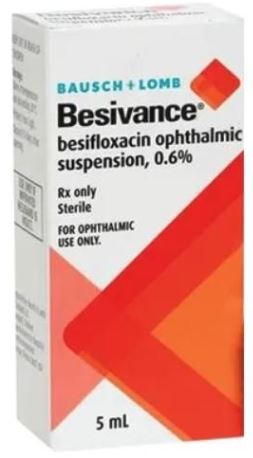
Commercial form: Besivance® 0.6% ophthalmic suspension (Bausch & Lomb)

Pharmacochemical Properties

pKa (amino group) ≈ 9.67
pKa (carboxyl group) ≈ 5.65
log P ≈ 0.5 (LOW octanol-water partition coefficient)
Poor aqueous solubility
Solubility in PBS (pH 7.4): ~236 μg/mL
⚠️ DUAL LIMITATION:
Poor dissolution in tear fluid AND poor transcorneal permeability

Why is BXF Challenging to Deliver?

Unlike most drugs, BXF has BOTH poor solubility AND low log P
Cannot dissolve well in tear fluid
Cannot penetrate lipophilic corneal epithelium
Previous formulations (DuraSite® in Besivance®) may impair corneal penetration
No BXF-eluting contact lens existed before this study
Besivance Eye Drops
Tótoli & Salgado, 2018 | Comstock et al., 2010
Made byBobr AI

Existing Formulation Strategies & Their Limitations

Strategy
Examples
Improvement
Limitation
Viscosity enhancers / mucoadhesives
DuraSite® (Besivance®)
Extended ocular residence
Impaired corneal penetration, blurred vision, stickiness
Lipid-based nanocarriers
Liposomes, NLC, NLCs
Improved drug loading & penetration
Sustaining therapeutic levels remains challenging
In situ forming gels
Chitosan-gelrite systems
Better retention
Short-term release, discomfort
Polymeric microneedles
PLGA microneedle arrays
Direct corneal drug delivery
Requires professional administration
Nanofibrous ocular inserts
BXF-loaded nanofibers
Extended release
Sub-therapeutic concentrations
Drug-eluting Contact Lenses
Present Study (BXF-CL)
Sustained 24h+ release, 21.6x higher Cmax
— (This study addresses prior gaps!)
Gap: No besifloxacin-eluting contact lens system had been reported prior to this study
Source: dos Santos et al., 2020 | Polat et al., 2022 | Bhatnagar et al., 2018 | Peng et al., 2022
Made byBobr AI

Study Objectives & Hypothesis

HYPOTHESIS:

A besifloxacin-eluting contact lens (BXF-CL) incorporating an EC/RSPO polymer film reservoir can overcome the physicochemical limitations of besifloxacin to provide sustained therapeutic ocular drug delivery exceeding conventional eye drops.

1

Fabricate BXF-CL

Develop and optimize drug-loaded polymer film embedded within contact lens periphery

2

Physicochemical Characterization

Assess morphology, water content, light transmittance

3

In Vitro Drug Release

Evaluate sustained-release kinetics vs commercial contact lenses

4

Stability Assessment

Evaluate drug integrity after UV curing, sterilization (autoclave & gamma irradiation), and 2-year storage

5

Antimicrobial Efficacy

Test against S. aureus and E. coli using agar disk diffusion

6

In Vivo Pharmacokinetics

Compare aqueous humor drug levels vs hourly Besivance® eye drops in rabbits

First-ever besifloxacin-eluting contact lens system reported in literature
Made byBobr AI

Materials & Methods: Overview

Key Materials

  • Besifloxacin HCl (LKT Labs)
  • Besivance® 0.6% ophthalmic suspension (Bausch & Lomb) — comparator
  • Eudragit® RSPO (MW 32,000 Da) — copolymer, provided by Evonik Industries
  • Ethocel™ Standard 10 Ethylcellulose
    (viscosity 9–11 mPa·s, ethoxyl 48–49.5%) — Dow Chemical
  • Hexafluoroisopropanol — solvent
  • Methafilcon contact lens blanks (Kontur Inc.) — base material
  • PBS pH 7.4 (Invitrogen)
  • S. aureus ATCC 25923 & E. coli ATCC 29922 (ATCC)
  • Human Corneal Epithelial Cells (HCECs)
  • New Zealand White rabbits (animal model)

Methods Overview

STEP 1
BXF-CL Fabrication (spin-coating + UV polymerization)
STEP 2
Physicochemical characterization (OCT, spectrophotometry, gravimetry)
STEP 3
In vitro release (HPLC, PBS, 37°C)
STEP 4
Stability (UV, autoclave, gamma irradiation, 2-yr storage)
STEP 5
Antimicrobial & cytotoxicity testing
STEP 6
In vivo pharmacokinetics & Draize test (rabbit model)
All in vivo protocols approved by IACUC — Schepens Eye Research Institute
Made byBobr AI

BXF-CL Fabrication Process

1

Drug-Polymer Solution

  • BXF + EC + RSPO dissolved in HFIP
  • Low-dose: 1:5 (BXF:Polymer)
  • High-dose: 2:5 (BXF:Polymer)
  • EC/RSPO blend ratio = 1:1
2

Spin Coating

  • 50 μL pipetted onto concave blank
  • Spun at 100 rpm for 6 min
  • Vacuum dried in desiccator x 7 days
3

Central Aperture

  • 4-mm dermal biopsy punch used
  • Creates crisp central aperture
  • Maintains optimal optical clarity
4

UV Polymerization

  • 350 μL liquid methafilcon added
  • Fully covers the dried polymer film
  • UV cured at ~110 mW/cm² for 5 min
5

Lathing

  • Solid methafilcon cylinder is lathed
  • Machined into final contact lens shape
6

Final BXF-CL

  • Hydrated lens OD: 14.7 mm
  • Polymer film OD: 12.0 mm
  • Central aperture: 5.2 mm
  • Film thickness: 51–60 μm

Polymer Matrix Rationale

  • EC: hydrophobic, diffusion-limiting matrix → controls release rate
  • RSPO: flexible, tunable permeability → prevents cracking
  • 1:1 Ratio: optimal film integrity + encapsulation performance

Why peripheral film placement?

  • Preserves clear central optical zone during drug delivery.
  • Mimics structural aperture design of cosmetic tinted contact lenses.
Contact Lens Reference Diagram
Made byBobr AI

Physicochemical Characterization

Morphology (OCT)

  • OCT confirmed uniform drug-polymer film embedded in lens periphery
  • Hydrated lens dimensions:
    • Outer diameter: 14.7 ± 0.03 mm
    • Film OD: 12.0 ± 0.1 mm
    • Central aperture: 5.2 ± 0.1 mm
  • Film thickness:
    • Low-dose: 51 ± 7 μm
    • High-dose: 60 ± 13 μm
  • Linear swelling ratio: 1.3 (dry → hydrated)
  • Base curve: ~9.2 mm (hydrated)

Interpretation: Precise spin-coating control achieved uniform film.

Light Transmittance

  • Measured across visible spectrum (390–700 nm)
  • Results: BXF-CLs vs Commercial CLs → NO sign. diff.
    • p = 0.20 (Kruskal-Wallis, n=4)
  • Both dose formulations show comparable optical clarity
100%
0%
95%
Low-dose
94%
High-dose
96%
Commercial

Clinically important: Patient vision unaffected.

Water Content

  • Measured gravimetrically (wet vs. dry weight after lyophilization)
  • Results: BXF-CLs vs Commercial CLs → NO sign. diff.
    • p = 0.48 (Kruskal-Wallis, n=4)
  • Similar to commercial brands (Frequency® 55, SofLens® 55)
60%
0%
54%
Low-dose
55%
High-dose
55%
Commercial

Clinically important: Comparable lens comfort.

BXF-CLs are physically and optically comparable to commercial contact lenses
Source: Section 3.1 | Chen et al., 2022 | Nguyen et al., 2021
Made byBobr AI

In Vitro Drug Release Kinetics

Chart
Chart
* p = 0.015–0.029 (Mann-Whitney U) vs Commercial CL | Source: Section 3.2

Commercial CL: Burst Release

  • 29.7 ± 1.3 μg (83%) within 1st hour
  • No drug detected after 4h
  • Total: only 35.8 ± 2.3 μg/lens

BXF-CLs: Sustained Release

  • Sustained and steady release over 24h
  • Low-dose: 276.7 μg (96.6% of drug load)
  • High-dose: 521.7 μg (97.7% of drug load)

Key Achievement

Up to 15.4× greater total drug delivery vs commercial CLs
Assay conditions: PBS (pH 7.4), 37°C, 5 mL sink conditions, HPLC quantification
Made byBobr AI

Stability Studies: UV Irradiation & Sterilization

UV Irradiation Stability

Drug-polymer film exposed to same UV conditions as encapsulation (~110 mW/cm², 5 min)

BXF within polymer film

Identical UV-Vis peaks (245, 288, 338 nm) + identical HPLC retention time (10.1 min)

→ NO DEGRADATION

Free BXF solution (control)

Loss of characteristic peaks

→ Significant degradation

Interpretation: Polymer matrix PROTECTS besifloxacin from UV damage during fabrication

Autoclaving (121°C, 220 kPa, 20 min)

Drug itself: stable (no degradation) ✅

BUT: 58% (low) & 49% (high) cumulative release DECREASED ❌

Drug leached into autoclave buffer during sterilization

Release duration shortened from 48h to 12h

~41% drug released within 1st hour

Conclusion: AUTOCLAVING NOT SUITABLE for BXF-CLs ❌

Gamma Irradiation (25 kGy, Cobalt-60)

Cumulative release: PRESERVED (p = 0.40 low, p = 0.90 high) ✅

Similarity factor f₂ = 91.7 (low) & 81.8 (high) — both ≥50 = SIMILAR ✅

LC-MS/MS: drug integrity confirmed ✅

Morphology, transmittance, water content: all unchanged ✅

✅ GAMMA IRRADIATION SELECTED as terminal sterilization method

Source: Section 3.3 | Galante et al., 2018 | Shah et al., 1997
Made byBobr AI

Long-Term Stability: 2-Year Storage Study

Study Design

  • Storage conditions: Dry state, 4°C, amber glass vials, preservative-free

  • Duration: 2 years

  • n = 5 lenses per formulation per time point

  • Evaluated: Drug release kinetics, morphology, light transmittance, water content

Drug Chemical Integrity

HPLC: drug released from stored lenses identical to pristine besifloxacin. No degradation detected.

Cumulative Release Amount

  • Low-dose: p = 0.27 → NOT significantly different from baseline (f₂ = 80.3)
  • High-dose: p = 0.54 → NOT significantly different from baseline (f₂ = 83.0)
  • Both f₂ values ≥50 → Release profiles are SIMILAR ✅

Lens Morphology & Transmittance

  • All lenses maintained normal morphology
  • Light transmittance: p = 0.27 (low) / p = 0.48 (high) → unchanged
  • Water content: p = 0.45 (low) / p = 0.78 (high) → unchanged

Clinical & Commercial Implication

Extended 2-year shelf life enables commercial viability and clinical practicality

Dry storage at 4°C is feasible for medical-grade preservation

BXF-CLs maintain drug integrity, release kinetics, and lens properties for at least 2 years — supporting strong translational potential

Source: Section 3.3.3 | Kamaly et al., 2016

Made byBobr AI

In Vitro Antimicrobial Efficacy

Methods & Principle

Agar disk diffusion assay (Kirby-Bauer method)
Organisms: S. aureus ATCC 25923 (Gram+) and E. coli ATCC 29922 (Gram−)
Release buffer collected at 8-hour timepoint (clinically relevant sustained-wear period)
6-mm paper disks loaded with 25 μL of release buffer
Plates incubated 37°C for 24 hours
Zone of Inhibition (ZOI) measured
Group S. aureus ZOI E. coli ZOI BXF Conc (μg/mL) HPLC
VCL (no drug) 0 mm 0 mm 0
Low-dose BXF-CL 84.3 ± 6.7 88.9 ± 3.7 78.8 ± 14.9
High-dose BXF-CL 102.2 ± 12.0 101.2 ± 12.3 100.7 ± 7.6

Agar diffusion & HPLC concentrations are CONSISTENT (p=0.17–0.43, Kruskal-Wallis) — confirming bioactive drug integrity

High-dose > Low-dose

S. aureus: p = 0.023 (Mann-Whitney U, n=4)

E. coli: p = 0.029

Drug Bioactivity Confirmed

Besifloxacin retained full antimicrobial potency after fabrication, sterilization, and release

Gram+ & Gram− Coverage

Effective broad-spectrum antibacterial activity preserved in BXF-CL system

Clinical Significance

BXF-CLs release therapeutically active drug concentrations throughout 8h wear — sufficient for keratitis treatment

Section 3.4 | Comstock et al., 2010 | Kuang et al., 2021
Made byBobr AI

In Vitro Cytotoxicity on Human Corneal Epithelial Cells

Methods

  • Protocol: ISO 10993-5:2009 standard
  • Cell line: Human Corneal Epithelial Cells (HCECs)
  • Extraction: BXF-CLs immersed in cell culture medium (3 cm²/mL, 24h, 37°C)
  • Exposure: Extract applied to seeded HCECs (96-well plate) for 24h
  • Assessments:
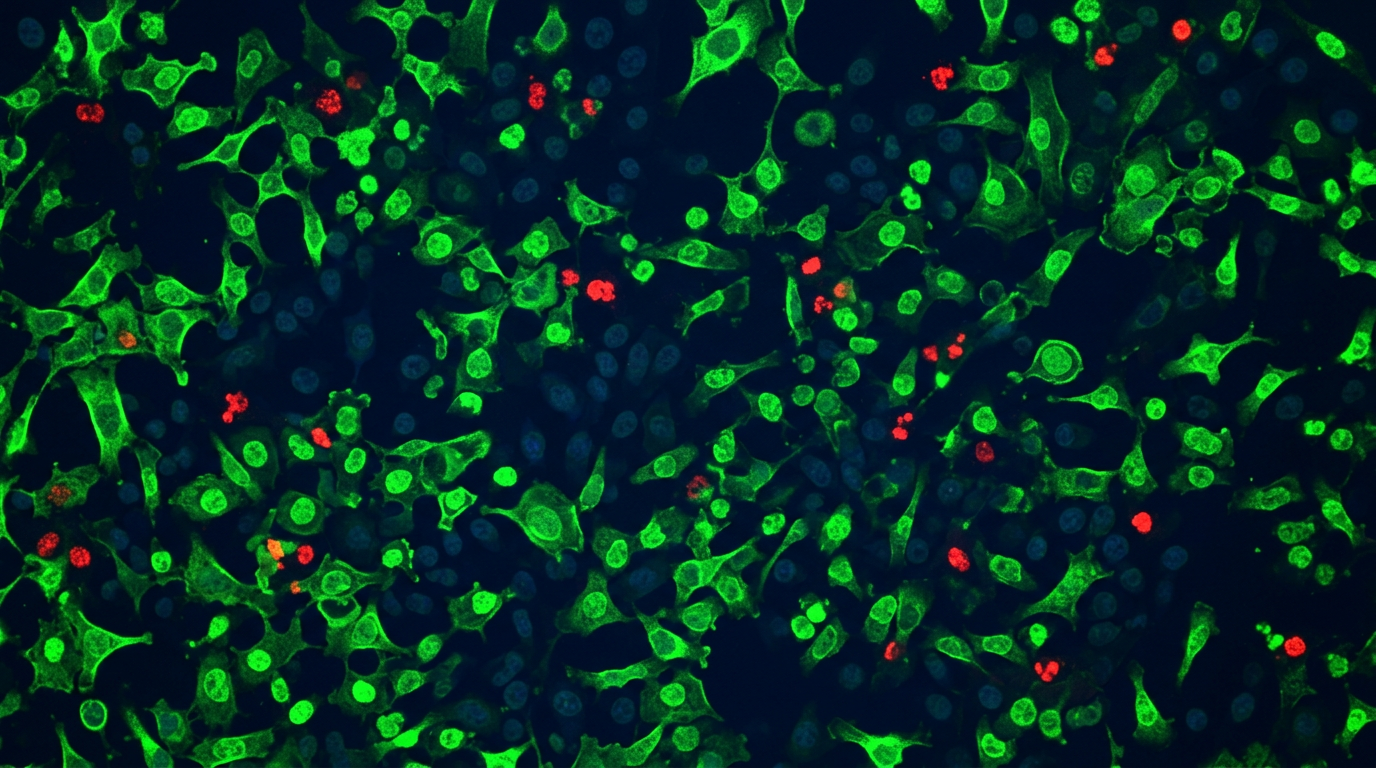
    • Live/Dead staining (calcein-AM green/live + propidium iodide red/dead)
    • PrestoBlue™ colorimetric viability assay
  • Replicates: n = 4 lenses per formulation, 3–6 replicates per lens
BXF Concentrations in 24h Extracts:
Low-dose: 65.0 ± 11.5 μg/mL
High-dose: 107.2 ± 16.0 μg/mL
Source: Section 3.5 | ISO 10993-5:2009 | Baig et al., 2020

Results

Live/Dead Assay

BXF-CL extract cells showed comparable morphology, density, and viability to control cells — no observable cytotoxicity

Live Dead cell assay

PrestoBlue™ Assay

  • Control: highest viability
  • Low-dose extract: ≥80% viability
  • High-dose extract: ≥80% viability(ISO threshold: ≥70%)
  • p = 0.10 (not significant between groups)
!

Dose-Response Safety Range

  • HCECs maintained 94.5 ± 7.3% viability at 100 μg/mL BXF
  • Significant toxicity appeared at 200 μg/mL (viability: 34.1 ± 3.1%)
  • Cytotoxic threshold estimated: 107–200 μg/mL
  • Both BXF-CL formulations release concentrations NEAR OR BELOW 100 μg/mL
BXF-CLs are cytocompatible
both formulations meet ISO 10993-5 safety criteria
Made byBobr AI

Ocular Pharmacokinetics: Study Design

SUBJECTS
6 NZW Rabbits (non-terminal crossover)
STEP 1
Permanent lateral tarsorrhaphy
STEP 2
7-day healing period
ARM A: BXF-CL GROUP
Fresh lens applied at each timepoint
ARM B: EYE DROP
Besivance® 0.6% 5 drops over 4h
STEP 4
Aqueous Humor Collection 1h, 2h, 4h, 8h, 12h, 24h (30G needle, 100 μL)
STEP 5
3-day washout between arms
STEP 6
HPLC drug quantification

Rationale for Aqueous Humor Sampling

Located immediately posterior to cornea

Topical drugs enter predominately via cornea (~90% penetration — Doane et al., 1978)

Provides a conservative estimate of actual corneal drug levels

Allows non-terminal crossover design → reduces animal use (3Rs principles)

Rabbits: Ocular dimensions closely approximate human eyes

Eye Drop Dosing Protocol

5 drops administered hourly (doses at 0, 1, 2, 3, 4h)
Dosing stopped after 5th drop — concentrations plateau after 3–4 doses
Simulates a robust 24-drop daily regimen (AUC estimated)
!Note: Each drop = one standard clinical dose of Besivance® 0.6%
Rabbit Contact Lens
NZW Rabbit Model
Section 2.13 | Ross et al., 2019 | Kuang et al., 2021
Made byBobr AI

Pharmacokinetic Results: BXF-CLs vs Hourly Eye Drops

Key Results
Chart
Parameter
Eye Drops
Low-dose CL
High-dose CL
Cmax (μg/mL)
0.4 ± 0.1
4.3 ± 2.2
9.0 ± 4.4
Tmax (h)
0.5
8.0
8.0
AUC₀₋₂₄ (μg·h/mL)
6.4
45.4
116.8
21.6× HIGHER Cmax
High-dose BXF-CL vs hourly eye drops
18.3× HIGHER AUC₀₋₂₄
High-dose BXF-CL vs hourly eye drops
Maintains MIC₉₀ levels for 24h
Above all therapeutic thresholds including MRSA
Source: Table 2 | Section 3.6 | Kuang et al., 2021 | Mah & Sanfilippo, 2016
Made byBobr AI

Bioavailability Enhancement & Drug Utilization Efficiency

AUC Comparison — Bioavailability Marker

AUC is the KEY metric for fluoroquinolone efficacy (concentration + duration dependent).

Low-dose BXF-CL: 45.4 μg·h/mL 7.1× greater
High-dose BXF-CL: 116.8 μg·h/mL 18.3× greater
Hourly drops AUC₀₋₂₄: 6.4 μg·h/mL
(optimistic overestimate — 24 × AUC₀₋₁ₕ; ignores rapid precorneal clearance)
Note: The 6.4 μg·h/mL for drops is ALREADY an overestimate!

Drug Dose Efficiency

Hourly Eye Drops (24h)
  • 24 drops × 180 μg/drop =
    4,320 μg total dose
  • Ocular bioavailability < 7%
  • Wasteful, toxic potential
BXF-CL (24h)
  • Low-dose: 276.7 μg
    = only 6% of drop dose
  • High-dose: 521.7 μg
    = only 12% of drop dose
SAME OR BETTER therapeutic outcomes

Why Better Bioavailability?

1
Sustained drug release maintains constant concentration gradient → drives transcorneal diffusion
2
Post-lens tear film between lens & cornea = protected microenvironment, minimizes blinking/drainage clearance
3
Prevents drug precipitation — EC/RSPO matrix acts as true reservoir
4
No burst release → therapeutic levels sustained throughout 24h

Clinical & Stewardship Implications

  • More efficient drug utilization → less waste
  • Reduced dose-related toxicity risk
  • Supports antibiotic stewardship
  • Self-administered, preservative-free, sustained-release
  • Could significantly improve patient adherence
BXF-CLs deliver 6-18% of the eye drop dose while achieving 7–18× higher bioavailability — transformative efficiency
Source: Section 4 | Ciolino et al., 2014 | Lanier et al., 2020
Made byBobr AI

In Vivo Biocompatibility & Ocular Safety

Draize Test (Ocular Irritation Study)

Study Design

Standards: OECD standards, US-FDA endorsed (16 CFR 1500.42)
Model: n = 3 rabbits (crossover), untreated contralateral control
Extracts: Polar (saline) & Non-polar (cottonseed oil), 72h at 37°C
Dosage: 100 μL instilled into lower conjunctival cul-de-sac
Evaluation: Slit-lamp biomicroscopy at baseline, 1h, 24h, 72h
Metrics: OECD scale 0–4 for Cornea, Iris, Conjunctiva, Eyelids

Draize Test Results

Polar extract (saline): All eyes scored 0 at all timepoints
Non-polar extract: All eyes scored 0 at all timepoints
No difference from untreated contralateral eyes
No abnormalities observed (cornea, iris, conjunctiva, chemosis)
BXF-CLs show NO ocular irritation potential — non-irritative material classification

In Vivo Lens Wear Safety (48h Clinical Monitoring)

Assessment Parameters

Daily monitoring for: lacrimation, discharge, blepharospasm, blepharoptosis, and ocular discomfort.

Fluorescein Staining

Used to detect corneal epithelial defects immediately after lens removal.

No tearing / abnormal lacrimation
No ocular discharge
No blepharospasm
No blepharoptosis
No corneal staining / epithelial defects (confirmed by fluorescein)
BXF-CLs confirmed safe and biocompatible in both chemical safety (Draize) and in vivo wear assessments
Source: Section 3.7 | Wilhelmus, 2001 | Bengani et al., 2020
Made byBobr AI

Discussion: Mechanism & Clinical Significance

Why BXF-CL Works: Mechanistic Insights

A
Overcoming BXF's Dual Challenge

  • BXF: poor aqueous solubility AND low log P (0.5) unusually difficult to deliver
  • EC/RSPO polymer matrix creates a drug reservoir that prevents rapid dissolution
  • Maintains constant drug concentration gradient sustained transcorneal diffusion
  • First-ever EC/RSPO polymer blend for besifloxacin delivery (novel combination)

B
Post-Lens Tear Film Effect

  • BXF-CL creates a protected microenvironment between lens and cornea
  • Minimizes drug clearance from blinking (~12–15 blinks/min) and tear turnover
  • Prolongs drug residence enhanced transcorneal absorption

C
Dose Efficiency

  • Only 6–12% of the eye drop total dose 7–18× better bioavailability
  • Reduced systemic absorption, fewer side effects
  • Rational antibiotic stewardship

Clinical Advantages vs Alternatives

Feature Eye Drops Other Systems BXF-CL
Dosing frequency Hourly Varies Once (24h)
Patient admin Self Often prof. Self ✅
Drug bioavailability <7% Moderate High (21.6×) ✅
Sustains MIC₉₀ for 24h Partial
MRSA coverage ✅ (high-dose)
Preservative-free No Varies Yes ✅
Shelf life Standard Variable 2 years ✅
Compliance Poor (51% non-compl) Moderate High ✅
BXF-CL combines the convenience of self-administration with sustained, preservative-free release — a clinically adaptable platform
Source: Section 4 | Stone et al., 2009 | Polat et al., 2022
Made byBobr AI

Limitations & Future Directions

Current Limitations

1

Dry Storage Requirement

Current BXF-CL must be stored dehydrated → requires pre-application hydration step
Implication: Best suited for supervised clinical/in-office use, not home use
Solution needed: Evaluate stability in hydrated packaging for future iterations
2

E. coli as Gram− Model (Not P. aeruginosa)

P. aeruginosa is the most prevalent Gram− in bacterial keratitis
E. coli was chosen for: wider ZOI dynamic range + better quantitative precision
P. aeruginosa has higher intrinsic resistance + restricted agar diffusion → less precise calibration
Limitation: Efficacy against P. aeruginosa not yet demonstrated
3

Animal Model Only — No Human Clinical Data

Pharmacokinetics validated only in rabbit model (ocular dimensions similar to humans)
Phase I/II/III clinical trials needed for regulatory approval
Translation studies required
4

In Vitro Efficacy Only — No In Vivo Infection Model

No bacterial keratitis animal model used in this study
Proof-of-concept antimicrobial efficacy shown; in vivo efficacy studies needed

Future Directions

1

Hydrated Packaging Studies

Evaluate BXF-CL stability and drug retention during long-term storage in hydrated state
Enables consumer convenience and at-home use
2

P. aeruginosa Efficacy Testing

In vitro and in vivo testing against the primary Gram− pathogen in bacterial keratitis
3

In Vivo Infection Efficacy

Rabbit model of bacterial keratitis (MRSA-keratitis model as established precedent)
Validate therapeutic efficacy against eye infection in animal models
4

Clinical Translation

Phase I safety trials → Phase II efficacy studies
Regulatory pathway (FDA, CE Mark)
Manufacturing scale-up and commercialization studies

These limitations are acknowledged transparently future studies are clearly defined and clinically motivated

Source: Section 4 Discussion | Sanders et al., 2009
Made byBobr AI

Conclusion & Key Takeaways

SUMMARY

BXF-CLs represent a clinically adaptable platform for sustained ocular antibiotic delivery with strong potential to improve outcomes in bacterial keratitis — particularly in deep stromal infections where conventional eye drops often fail.

First-of-its-Kind

First-ever besifloxacin-eluting contact lens reported in scientific literature. Novel EC/RSPO polymer blend for besifloxacin delivery.

Comparable Physical Properties

Light transmittance and water content equivalent to commercial CLs. Safe, comfortable to wear.

Sustained 24h+ Drug Release

Up to 15.4× more total drug delivered vs conventional soaked lenses. Clinically relevant drug levels maintained throughout wear.

21.6× Higher Cmax

Peak besifloxacin concentration in aqueous humor 21.6-fold greater than hourly eye drops. 18.3× enhanced AUC — dramatically improved bioavailability.

Proven Stability

Maintains drug integrity and lens properties after gamma irradiation sterilization and 2 years of dry storage at 4°C.

Safe & Biocompatible

No cytotoxicity (ISO 10993-5), no ocular irritation (Draize test), no corneal damage (fluorescein staining) — confirmed in human cells and rabbit model.

Funded by NIH R01EY026640 & P30EY003790 | International Journal of Pharmaceutics: X, 11 (2026) 100511

Made byBobr AI

Critical Appraisal of the Study

📋 JOURNAL CLUB

STRENGTHS

1
Novelty
First BXF-eluting CL; first EC/RSPO combination for BXF delivery
2
Rigorous characterization
OCT, HPLC, spectrophotometry, gravimetry, LC-MS/MS extensively used
3
Comparative design
Head-to-head vs clinical standard (hourly eye drops) AND soaked commercial CLs
4
Clinically relevant PK outcomes
Aqueous humor as surrogate for corneal levels, 3Rs-compliant non-terminal design
5
Comprehensive stability
UV, autoclaving, gamma irradiation, and 2-year functional storage tested
6
Validated safety protocols
ISO 10993-5 cytotoxicity, Draize test (OECD), in vivo fluorescein staining
7
Quantitative antimicrobial confirmation
ZOI directly correlated to concentration via standard curve to validate bioactivity
8
Clear therapeutic thresholds cited
MIC₉₀ for S. aureus, Gram−, MRSA included to establish clinical translatability

LIMITATIONS / WEAKNESSES

1
Small animal model constraint
n = 3–6 per timepoint; forced non-parametric statistics due to limited sample size
2
No in vivo infection model
Efficacy in an actual bacterial keratitis infection model was not demonstrated
3
No hydrated storage testing
Current form requires pre-use hydration posing a clinical logistics challenge
4
E. coli vs P. aeruginosa evaluated
A more relevant contact lens-related keratitis pathogen was not directly tested
5
No long-term in vivo wear study
In vivo evaluation was stringently limited to a ≤48h wear time envelope
6
Rabbit vs human pharmacokinetics
Translational gap remains; robust human PK data needed to map clinical reality
7
AUC for eye drops overestimated
Acknowledged by authors: makes BXF-CL comparative outcome overly conservative
8
Single formulation design
Only methafilcon hydrogel explored; parallel alternative lens materials not compared
OVERALL: Well-designed translational proof-of-concept study with honest discussion of limitations. Strong foundation for clinical translation.
Source: Critical analysis of Sections 3–4 | ISO standards | OECD guidelines
Made byBobr AI

References

1. Kuang L et al. (2026). Besifloxacin-eluting contact lens with sustained drug delivery. Int J Pharm X, 11, 100511.
2. McDonald EM et al. (2014). Topical antibiotics for bacterial keratitis. Br J Ophthalmol, 98, 1470–1477.
3. Ung L et al. (2019). Microbial keratitis: global burden & antimicrobial resistance. Surv Ophthalmol, 64, 255–271.
4. Ross AE et al. (2019). Topical sustained drug delivery to retina with drug-eluting CL. Biomaterials, 217, 119285.
5. Peng C et al. (2022). Bibliometric analysis of ocular drug delivery 2001–2020. J Control Release, 345, 625–645.
6. Jumelle C et al. (2020). Advances & limitations of eye drop delivery systems. J Control Release, 321, 1–22.
7. Comstock TL et al. (2010). Besifloxacin: novel anti-infective for bacterial conjunctivitis. Clin Ophthalmol, 4, 215–225.
8. dos Santos GA et al. (2020). Besifloxacin liposomes for improved ocular delivery. Sci Rep, 10, 1–18.
9. Proksch JW et al. (2009). Ocular pharmacokinetics of besifloxacin. J Ocul Pharmacol Ther, 25, 335–344.
10. Bengani LC et al. (2020). Steroid-eluting contact lenses for ocular inflammation. Acta Biomater, 116, 149–161.
11. Galante R et al. (2018). Drug-eluting silicone hydrogel: impact of sterilization. Colloids Surf B, 161, 537–546.
12. Shah VP et al. (1997). FDA guidance: dissolution testing of immediate release solid dosage forms. Dissolution Technol, 4, 15–22.
13. Mah FS & Sanfilippo CM (2016). Besifloxacin: efficacy and safety. Ophthalmol Ther, 5, 1–20.
14. Stone JL et al. (2009). Objective evaluation of eyedrop instillation in glaucoma patients. Arch Ophthalmol, 127, 732–736.
15. Wilhelmus KR (2001). The Draize eye test. Surv Ophthalmol, 45, 493–515.
16. Ciolino JB et al. (2014). In vivo drug-eluting CL for glaucoma treatment. Biomaterials, 35, 432–439.
17. Lanier OL et al. (2020). Commercialization challenges for drug eluting contact lenses. Expert Opin Drug Deliv, 17, 1133–1149.
18. Polat HK et al. (2022). Novel drug delivery systems to improve keratitis treatment. J Ocul Pharmacol Ther, 38, 376–395.

Full reference list available in Kuang et al., 2026 — Int. J. Pharmaceutics: X 11, 100511

Made byBobr AI

Thank You

Questions & Discussion

For evaluators and audience:

How does the EC/RSPO polymer blend mechanistically contribute to controlled release — and what are the pharmacokinetic implications of the 8h Tmax compared to conventional eye drops?
The study compares BXF-CL to hourly eye drops — is this a clinically fair comparison? What are the statistical limitations of the small sample size?
How might the transition from rabbit to human pharmacokinetics change the observed 21.6-fold Cmax enhancement?
21.6×
Higher Peak Drug Level vs. Hourly Eye Drops
2 Years
Proven Shelf Life
24h
Sustained Therapeutic Release
Kuang L, Boychev N, Chen L et al. Besifloxacin-Eluting Contact Lens with Sustained Drug Delivery and Enhanced Bioavailability. Int. J. Pharmaceutics: X, 11 (2026) 100511. DOI: 10.1016/j.ijpx.2026.100511
NIH Funded: R01EY026640 | P30EY003790
Made byBobr AI
Bobr AI

DESIGNER-MADE
PRESENTATION,
GENERATED FROM
YOUR PROMPT

Create your own professional slide deck with real images, data charts, and unique design in under a minute.

Generate For Free

Besifloxacin-Eluting Contact Lens Review: Sustained Delivery

A comprehensive review of besifloxacin-eluting contact lenses for treating bacterial keratitis, featuring 21.6x higher drug bioavailability than eye drops.

JOURNAL CLUB PRESENTATION

Besifloxacin-Eluting Contact Lens

with Sustained Drug Delivery and Enhanced Bioavailability

Kuang L, Boychev N, Chen L, Ross AE, Kanu LN, et al.

International Journal of Pharmaceutics: X, 11 (2026) 100511

Presenter 1

Presenter 2

Presenter 3

Presenter 4

Presenter 5

Harvard Medical School / Mass Eye and Ear

Presentation Overview

Introduction & Background

Problem Statement

Besifloxacin: The Drug

Drug-Eluting Contact Lens Concept

Materials & Methods — Fabrication

Physicochemical Characterization

In Vitro Drug Release

Stability Studies

Antimicrobial Efficacy & Cytotoxicity

Pharmacokinetics & Biocompatibility

Comprehensive Journal Club Review | Masters Level Evaluation

Introduction: Bacterial Keratitis

What is Bacterial Keratitis?

A rapidly progressive ocular infection caused by bacterial pathogens. Leading cause of corneal blindness worldwide.

Prevalence & Impact

Significant global burden; affects vision and quality of life. Requires urgent and effective treatment.

Current Standard of Care

Intensive topical antibiotics (eye drops or ointments) administered hourly, even at night.

Key Clinical Limitation

Ocular bioavailability typically <7%. Poor corneal penetration + patient non-compliance.

McDonald et al., 2014 | Ung et al., 2019

Barriers to Ocular Drug Delivery

Corneal Layers

Hydrophobic epithelium + endothelium flank the hydrophilic stroma — impedes both hydrophobic & hydrophilic molecules

Tear Turnover

0.5–2.2 μL/min tear turnover dramatically reduces drug concentration

Nasolacrimal Drainage

Drug washed away via nasolacrimal duct

Blinking & Reflex Lacrimation

Further reduces residence time

Drug Half-Life in Tear Film

Only 2–5 minutes for most conventional eye drops!

Result: Intensive hourly dosing regimens required → poor compliance → compromised efficacy

Ross et al., 2019 | Peng et al., 2022 | Jumelle et al., 2020

Besifloxacin (BXF): Drug Profile

Drug Class

Pharmacochemical Properties

Why is BXF Challenging to Deliver?

Tótoli & Salgado, 2018 | Comstock et al., 2010

Existing Formulation Strategies & Their Limitations

Strategy

Examples

Improvement

Limitation

Viscosity enhancers / mucoadhesives

DuraSite® (Besivance®)

Extended ocular residence

Impaired corneal penetration, blurred vision, stickiness

Lipid-based nanocarriers

Liposomes, NLC, NLCs

Improved drug loading & penetration

Sustaining therapeutic levels remains challenging

In situ forming gels

Chitosan-gelrite systems

Better retention

Short-term release, discomfort

Polymeric microneedles

PLGA microneedle arrays

Direct corneal drug delivery

Requires professional administration

Nanofibrous ocular inserts

BXF-loaded nanofibers

Extended release

Sub-therapeutic concentrations

Drug-eluting Contact Lenses

Present Study (BXF-CL)

Sustained 24h+ release, 21.6x higher Cmax

— (This study addresses prior gaps!)

Gap: No besifloxacin-eluting contact lens system had been reported prior to this study

dos Santos et al., 2020 | Polat et al., 2022 | Bhatnagar et al., 2018 | Peng et al., 2022

Study Objectives & Hypothesis

A besifloxacin-eluting contact lens (BXF-CL) incorporating an EC/RSPO polymer film reservoir can overcome the physicochemical limitations of besifloxacin to provide sustained therapeutic ocular drug delivery exceeding conventional eye drops.

Fabricate BXF-CL

Develop and optimize drug-loaded polymer film embedded within contact lens periphery

Physicochemical Characterization

Assess morphology, water content, light transmittance

In Vitro Drug Release

Evaluate sustained-release kinetics vs commercial contact lenses

Stability Assessment

Evaluate drug integrity after UV curing, sterilization (autoclave & gamma irradiation), and 2-year storage

Antimicrobial Efficacy

Test against S. aureus and E. coli using agar disk diffusion

In Vivo Pharmacokinetics

Compare aqueous humor drug levels vs hourly Besivance® eye drops in rabbits

First-ever besifloxacin-eluting contact lens system reported in literature

Materials & Methods: Overview

Key Materials

Methods Overview

All in vivo protocols approved by IACUC — Schepens Eye Research Institute

BXF-CL Fabrication Process

Drug-Polymer Solution

BXF + EC + RSPO dissolved in HFIP

Low-dose: 1:5 (BXF:Polymer)

High-dose: 2:5 (BXF:Polymer)

EC/RSPO blend ratio = 1:1

Spin Coating

50 μL pipetted onto concave blank

Spun at 100 rpm for 6 min

Vacuum dried in desiccator x 7 days

Central Aperture

4-mm dermal biopsy punch used

Creates crisp central aperture

Maintains optimal optical clarity

UV Polymerization

350 μL liquid methafilcon added

Fully covers the dried polymer film

UV cured at ~110 mW/cm² for 5 min

Lathing

Solid methafilcon cylinder is lathed

Machined into final contact lens shape

Final BXF-CL

Hydrated lens OD: 14.7 mm

Polymer film OD: 12.0 mm

Central aperture: 5.2 mm

Film thickness: 51–60 μm

Polymer Matrix Rationale

hydrophobic, diffusion-limiting matrix → controls release rate

flexible, tunable permeability → prevents cracking

optimal film integrity + encapsulation performance

Why peripheral film placement?

Preserves clear central optical zone during drug delivery.

Mimics structural aperture design of cosmetic tinted contact lenses.

Physicochemical Characterization

Morphology (OCT)

Light Transmittance

Water Content

BXF-CLs are physically and optically comparable to commercial contact lenses

Source: Section 3.1 | Chen et al., 2022 | Nguyen et al., 2021

In Vitro Drug Release Kinetics

* p = 0.015–0.029 (Mann-Whitney U) vs Commercial CL | Source: Section 3.2

Commercial CL: Burst Release

29.7 ± 1.3 μg (83%) within 1st hour

No drug detected after 4h

Total: only 35.8 ± 2.3 μg/lens

BXF-CLs: Sustained Release

Sustained and steady release over 24h

Low-dose: 276.7 μg (96.6% of drug load)

High-dose: 521.7 μg (97.7% of drug load)

Key Achievement

Up to 15.4× greater total drug delivery vs commercial CLs

Assay conditions: PBS (pH 7.4), 37°C, 5 mL sink conditions, HPLC quantification

Stability Studies:

UV Irradiation & Sterilization

UV Irradiation Stability

Drug-polymer film exposed to same UV conditions as encapsulation (~110 mW/cm², 5 min)

Interpretation: Polymer matrix PROTECTS besifloxacin from UV damage during fabrication

BXF within polymer film

Identical UV-Vis peaks (245, 288, 338 nm) + identical HPLC retention time (10.1 min)

→ NO DEGRADATION

Free BXF solution (control)

Loss of characteristic peaks

→ Significant degradation

Autoclaving (121°C, 220 kPa, 20 min)

Drug itself: stable (no degradation) ✅

BUT: 58% (low) & 49% (high) cumulative release DECREASED ❌

Drug leached into autoclave buffer during sterilization

Release duration shortened from 48h to 12h

~41% drug released within 1st hour

Conclusion: AUTOCLAVING NOT SUITABLE for BXF-CLs ❌

Gamma Irradiation (25 kGy, Cobalt-60)

Cumulative release: PRESERVED (p = 0.40 low, p = 0.90 high) ✅

Similarity factor f₂ = 91.7 (low) & 81.8 (high) — both ≥50 = SIMILAR ✅

LC-MS/MS: drug integrity confirmed ✅

Morphology, transmittance, water content: all unchanged ✅

✅ GAMMA IRRADIATION SELECTED as terminal sterilization method

Source: Section 3.3 | Galante et al., 2018 | Shah et al., 1997

Long-Term Stability: 2-Year Storage Study

Study Design

Storage conditions: Dry state, 4°C, amber glass vials, preservative-free

Duration: 2 years

n = 5 lenses per formulation per time point

Evaluated: Drug release kinetics, morphology, light transmittance, water content

Drug Chemical Integrity

HPLC: drug released from stored lenses identical to pristine besifloxacin. No degradation detected.

Cumulative Release Amount

Low-dose: p = 0.27 → NOT significantly different from baseline (f₂ = 80.3)

High-dose: p = 0.54 → NOT significantly different from baseline (f₂ = 83.0)

Both f₂ values ≥50 → Release profiles are SIMILAR ✅

Lens Morphology & Transmittance

All lenses maintained normal morphology

Light transmittance: p = 0.27 (low) / p = 0.48 (high) → unchanged

Water content: p = 0.45 (low) / p = 0.78 (high) → unchanged

Clinical & Commercial Implication

Extended 2-year shelf life enables commercial viability and clinical practicality

Dry storage at 4°C is feasible for medical-grade preservation

BXF-CLs maintain drug integrity, release kinetics, and lens properties for at least 2 years — supporting strong translational potential

Source: Section 3.3.3 | Kamaly et al., 2016

In Vitro Antimicrobial Efficacy

Methods & Principle

Agar diffusion & HPLC concentrations are CONSISTENT (p=0.17–0.43, Kruskal-Wallis) — confirming bioactive drug integrity

High-dose > Low-dose

Drug Bioactivity Confirmed

Besifloxacin retained full antimicrobial potency after fabrication, sterilization, and release

Gram+ & Gram− Coverage

Effective broad-spectrum antibacterial activity preserved in BXF-CL system

Clinical Significance

BXF-CLs release therapeutically active drug concentrations throughout 8h wear — sufficient for keratitis treatment

Section 3.4 | Comstock et al., 2010 | Kuang et al., 2021

In Vitro Cytotoxicity on Human Corneal Epithelial Cells

Section 3.5 | ISO 10993-5:2009 | Baig et al., 2020

Ocular Pharmacokinetics: Study Design

Section 2.13 | Ross et al., 2019 | Kuang et al., 2021

6 NZW Rabbits (non-terminal crossover)

Permanent lateral tarsorrhaphy

7-day healing period

ARM A: BXF-CL GROUP

Fresh lens applied at each timepoint

ARM B: EYE DROP

Besivance® 0.6% 5 drops over 4h

Aqueous Humor Collection 1h, 2h, 4h, 8h, 12h, 24h (30G needle, 100 μL)

3-day washout between arms

HPLC drug quantification

Rationale for Aqueous Humor Sampling

Located immediately posterior to cornea

Topical drugs enter predominately via cornea (~90% penetration — Doane et al., 1978)

Provides a conservative estimate of actual corneal drug levels

Allows non-terminal crossover design → reduces animal use (3Rs principles)

Rabbits: Ocular dimensions closely approximate human eyes

Eye Drop Dosing Protocol

5 drops administered hourly (doses at 0, 1, 2, 3, 4h)

Dosing stopped after 5th drop — concentrations plateau after 3–4 doses

Simulates a robust 24-drop daily regimen (AUC estimated)

Note: Each drop = one standard clinical dose of Besivance® 0.6%

Pharmacokinetic Results: BXF-CLs vs Hourly Eye Drops

Source: Table 2 | Section 3.6 | Kuang et al., 2021 | Mah & Sanfilippo, 2016

Bioavailability Enhancement & Drug Utilization Efficiency

AUC Comparison — Bioavailability Marker

Drug Dose Efficiency

Why Better Bioavailability?

Clinical & Stewardship Implications

Source: Section 4 | Ciolino et al., 2014 | Lanier et al., 2020

In Vivo Biocompatibility & Ocular Safety

Draize Test (Ocular Irritation Study)

Study Design

Draize Test Results

BXF-CLs show NO ocular irritation potential — non-irritative material classification

In Vivo Lens Wear Safety (48h Clinical Monitoring)

Assessment Parameters

Fluorescein Staining

BXF-CLs confirmed safe and biocompatible in both chemical safety (Draize) and in vivo wear assessments

Source: Section 3.7 | Wilhelmus, 2001 | Bengani et al., 2020

Discussion

: Mechanism & Clinical Significance

Why BXF-CL Works: Mechanistic Insights

Overcoming BXF's Dual Challenge

Post-Lens Tear Film Effect

Dose Efficiency

Clinical Advantages vs Alternatives

BXF-CL combines the convenience of self-administration with sustained, preservative-free release — a clinically adaptable platform

Source: Section 4 | Stone et al., 2009 | Polat et al., 2022

Limitations & Future Directions

Dry Storage Requirement

Current BXF-CL must be stored dehydrated → requires pre-application hydration step

Implication: Best suited for supervised clinical/in-office use, not home use

Solution needed: Evaluate stability in hydrated packaging for future iterations

E. coli as Gram− Model (Not P. aeruginosa)

P. aeruginosa is the most prevalent Gram− in bacterial keratitis

E. coli was chosen for: wider ZOI dynamic range + better quantitative precision

P. aeruginosa has higher intrinsic resistance + restricted agar diffusion → less precise calibration

Limitation: Efficacy against P. aeruginosa not yet demonstrated

Animal Model Only — No Human Clinical Data

Pharmacokinetics validated only in rabbit model (ocular dimensions similar to humans)

Phase I/II/III clinical trials needed for regulatory approval

Translation studies required

In Vitro Efficacy Only — No In Vivo Infection Model

No bacterial keratitis animal model used in this study

Proof-of-concept antimicrobial efficacy shown; in vivo efficacy studies needed

Hydrated Packaging Studies

Evaluate BXF-CL stability and drug retention during long-term storage in hydrated state

Enables consumer convenience and at-home use

P. aeruginosa Efficacy Testing

In vitro and in vivo testing against the primary Gram− pathogen in bacterial keratitis

In Vivo Infection Efficacy

Rabbit model of bacterial keratitis (MRSA-keratitis model as established precedent)

Validate therapeutic efficacy against eye infection in animal models

Clinical Translation

Phase I safety trials → Phase II efficacy studies

Regulatory pathway (FDA, CE Mark)

Manufacturing scale-up and commercialization studies

These limitations are acknowledged transparently

future studies are clearly defined and clinically motivated

Source: Section 4 Discussion | Sanders et al., 2009

Conclusion & Key Takeaways

SUMMARY

BXF-CLs represent a clinically adaptable platform for sustained ocular antibiotic delivery with strong potential to improve outcomes in bacterial keratitis — particularly in deep stromal infections where conventional eye drops often fail.

First-of-its-Kind

First-ever besifloxacin-eluting contact lens reported in scientific literature. Novel EC/RSPO polymer blend for besifloxacin delivery.

Comparable Physical Properties

Light transmittance and water content equivalent to commercial CLs. Safe, comfortable to wear.

Sustained 24h+ Drug Release

Up to 15.4× more total drug delivered vs conventional soaked lenses. Clinically relevant drug levels maintained throughout wear.

21.6× Higher Cmax

Peak besifloxacin concentration in aqueous humor 21.6-fold greater than hourly eye drops. 18.3× enhanced AUC — dramatically improved bioavailability.

Proven Stability

Maintains drug integrity and lens properties after gamma irradiation sterilization and 2 years of dry storage at 4°C.

Safe & Biocompatible

No cytotoxicity (ISO 10993-5), no ocular irritation (Draize test), no corneal damage (fluorescein staining) — confirmed in human cells and rabbit model.

Funded by NIH R01EY026640 & P30EY003790 | International Journal of Pharmaceutics: X, 11 (2026) 100511

Critical Appraisal of the Study

📋 JOURNAL CLUB

STRENGTHS

LIMITATIONS / WEAKNESSES

Novelty

First BXF-eluting CL; first EC/RSPO combination for BXF delivery

Rigorous characterization

OCT, HPLC, spectrophotometry, gravimetry, LC-MS/MS extensively used

Comparative design

Head-to-head vs clinical standard (hourly eye drops) AND soaked commercial CLs

Clinically relevant PK outcomes

Aqueous humor as surrogate for corneal levels, 3Rs-compliant non-terminal design

Comprehensive stability

UV, autoclaving, gamma irradiation, and 2-year functional storage tested

Validated safety protocols

ISO 10993-5 cytotoxicity, Draize test (OECD), in vivo fluorescein staining

Quantitative antimicrobial confirmation

ZOI directly correlated to concentration via standard curve to validate bioactivity

Clear therapeutic thresholds cited

MIC₉₀ for S. aureus, Gram−, MRSA included to establish clinical translatability

Small animal model constraint

n = 3–6 per timepoint; forced non-parametric statistics due to limited sample size

No in vivo infection model

Efficacy in an actual bacterial keratitis infection model was not demonstrated

No hydrated storage testing

Current form requires pre-use hydration posing a clinical logistics challenge

E. coli vs P. aeruginosa evaluated

A more relevant contact lens-related keratitis pathogen was not directly tested

No long-term in vivo wear study

In vivo evaluation was stringently limited to a ≤48h wear time envelope

Rabbit vs human pharmacokinetics

Translational gap remains; robust human PK data needed to map clinical reality

AUC for eye drops overestimated

Acknowledged by authors: makes BXF-CL comparative outcome overly conservative

Single formulation design

Only methafilcon hydrogel explored; parallel alternative lens materials not compared

OVERALL: Well-designed translational proof-of-concept study with honest discussion of limitations. Strong foundation for clinical translation.

Source: Critical analysis of Sections 3–4 | ISO standards | OECD guidelines

References

Full reference list available in Kuang et al., 2026 — Int. J. Pharmaceutics: X 11, 100511

Kuang L et al. (2026). Besifloxacin-eluting contact lens with sustained drug delivery. Int J Pharm X, 11, 100511.

McDonald EM et al. (2014). Topical antibiotics for bacterial keratitis. Br J Ophthalmol, 98, 1470–1477.

Ung L et al. (2019). Microbial keratitis: global burden & antimicrobial resistance. Surv Ophthalmol, 64, 255–271.

Ross AE et al. (2019). Topical sustained drug delivery to retina with drug-eluting CL. Biomaterials, 217, 119285.

Peng C et al. (2022). Bibliometric analysis of ocular drug delivery 2001–2020. J Control Release, 345, 625–645.

Jumelle C et al. (2020). Advances & limitations of eye drop delivery systems. J Control Release, 321, 1–22.

Comstock TL et al. (2010). Besifloxacin: novel anti-infective for bacterial conjunctivitis. Clin Ophthalmol, 4, 215–225.

dos Santos GA et al. (2020). Besifloxacin liposomes for improved ocular delivery. Sci Rep, 10, 1–18.

Proksch JW et al. (2009). Ocular pharmacokinetics of besifloxacin. J Ocul Pharmacol Ther, 25, 335–344.

Bengani LC et al. (2020). Steroid-eluting contact lenses for ocular inflammation. Acta Biomater, 116, 149–161.

Galante R et al. (2018). Drug-eluting silicone hydrogel: impact of sterilization. Colloids Surf B, 161, 537–546.

Shah VP et al. (1997). FDA guidance: dissolution testing of immediate release solid dosage forms. Dissolution Technol, 4, 15–22.

Mah FS & Sanfilippo CM (2016). Besifloxacin: efficacy and safety. Ophthalmol Ther, 5, 1–20.

Stone JL et al. (2009). Objective evaluation of eyedrop instillation in glaucoma patients. Arch Ophthalmol, 127, 732–736.

Wilhelmus KR (2001). The Draize eye test. Surv Ophthalmol, 45, 493–515.

Ciolino JB et al. (2014). In vivo drug-eluting CL for glaucoma treatment. Biomaterials, 35, 432–439.

Lanier OL et al. (2020). Commercialization challenges for drug eluting contact lenses. Expert Opin Drug Deliv, 17, 1133–1149.

Polat HK et al. (2022). Novel drug delivery systems to improve keratitis treatment. J Ocul Pharmacol Ther, 38, 376–395.

Thank You

Questions & Discussion

For evaluators and audience:

How does the EC/RSPO polymer blend mechanistically contribute to controlled release — and what are the pharmacokinetic implications of the 8h Tmax compared to conventional eye drops?

The study compares BXF-CL to hourly eye drops — is this a clinically fair comparison? What are the statistical limitations of the small sample size?

How might the transition from rabbit to human pharmacokinetics change the observed 21.6-fold Cmax enhancement?

21.6×

Higher Peak Drug Level vs. Hourly Eye Drops

2 Years

Proven Shelf Life

24h

Sustained Therapeutic Release

Kuang L, Boychev N, Chen L et al. Besifloxacin-Eluting Contact Lens with Sustained Drug Delivery and Enhanced Bioavailability. Int. J. Pharmaceutics: X, 11 (2026) 100511. DOI: 10.1016/j.ijpx.2026.100511

NIH Funded: R01EY026640 | P30EY003790

  • bacterial-keratitis
  • ophthalmology
  • drug-delivery-systems
  • contact-lenses
  • pharmacokinetics
  • besifloxacin
  • biomedical-engineering