





Made byBobr AI

Decisions in the Wild: Psychology of Choice and Influence

Explore unseen influences in decision-making, from the consensus trap to Parkinson's Law of Triviality. Learn to recognize and avoid irrational bias.

#decision-making#leadership#business-strategy#psychology#critical-thinking#management#productivity
Watch
Pitch
ALREADY
MADE
AN OBSERVATION ON PROCESS // 2025

THE DECISION IS ALREADY MADE

Presented by Anton Osipov

Data Analysis Choice
Made byBobr AI
THE MYTH OF LINEARITY

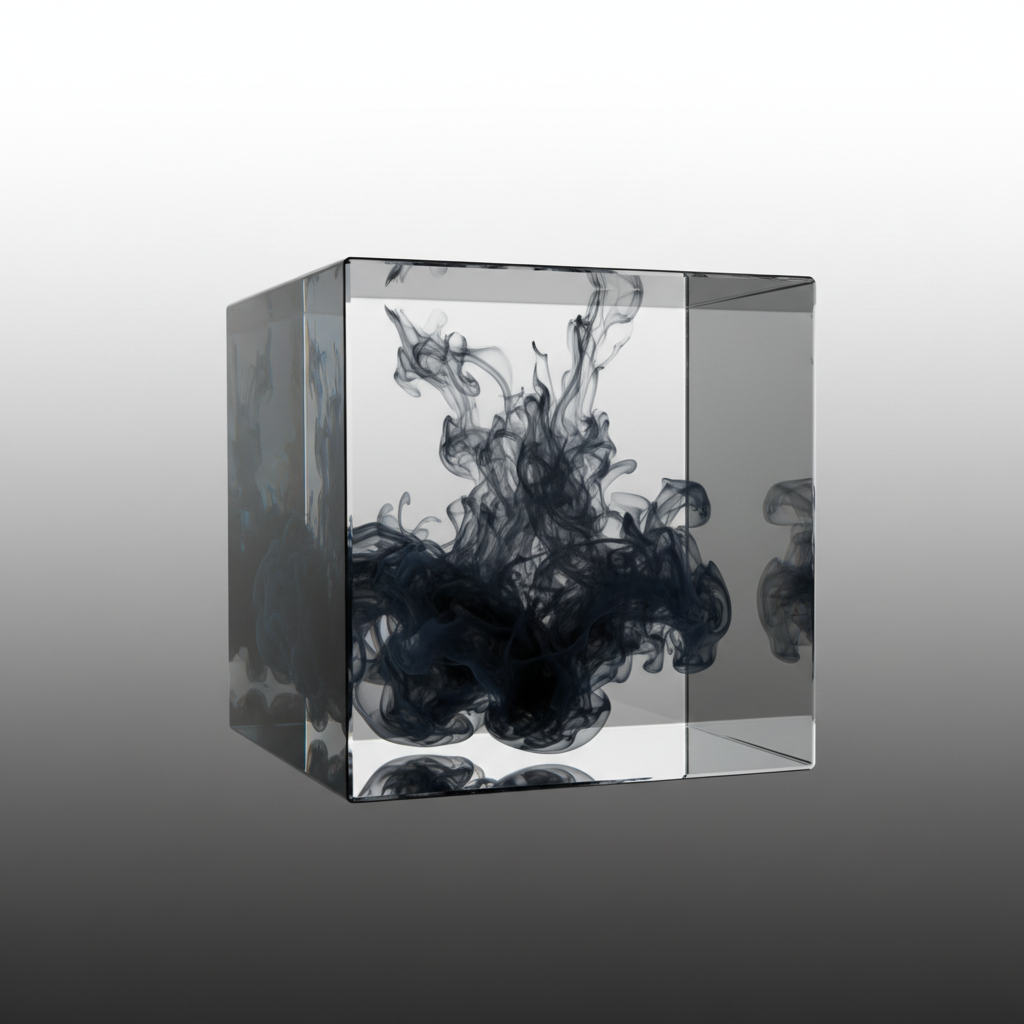
We pretend it is a clean path: Data → Analysis → Choice. But in reality, the conclusion often exists before the research begins. Logic is merely the language we use to sell our gut instincts to others.

An abstract 3D composition showing a rigid, perfect suspended geometric cube made of glass, containing a chaotic, swirling dark smoke or liquid inside it. Minimalist, high contrast, studio lighting, clear background.
Made byBobr AI

THE ILLUSION OF SUDDENNESS

Chart

Decisions often look like a singular moment (July). Real decisions are the accumulation of months of friction (Jan–June). The vote is just the release valve.

Made byBobr AI

WHY WE WAIT

  • Fear of Regret: We prefer a bad status quo to a new risk.
  • Information Addiction: Believing one more data point will solve the ambiguity.
  • Social Safety: Waiting until the choice is obvious enough that no one can be blamed.
Made byBobr AI
“Inertia is the strongest force in the boardroom.”
— The path of least resistance
Made byBobr AI
A close up photo of many identical grey river stones, with one single stone painted a bright, jarring cobalt blue. The stones are tightly packed together. High texture, soft daylight.

THE CONSENSUS TRAP

When a team agrees quickly, it is rarely because they are right. It is usually because the dominant voice has set a boundary, and the group has optimized for harmony over truth. Friction is necessary for calibration.

Made byBobr AI

PARKINSON’S LAW OF TRIVIALITY


We spend hours debating the coffee machine budget (because we all understand coffee) and minutes approving a complex infrastructure migration (because we don't want to look ignorant).

Chart
Made byBobr AI

STOP OVERVALUING 'MORE DATA'

Past a certain threshold, new data doesn't reduce risk—it only delays execution. The most expensive cost in decision making is usually the time spent trying to remove the last 10% of uncertainty.

A surreal minimalist photography of a desert landscape where the sand dunes are actually made of shredded paper documents. Infinite piles of paper under a harsh sun. High resolution.
Made byBobr AI
Cinematic photo of a straight concrete road being paved over a wild, tangled forest. The road is perfectly straight, but the forest underneath is chaotic. Represents imposing logic on chaos. Top down view.

Most strategy is just post-rationalization of what we wanted to do anyway.

Made byBobr AI
THE HONEST CHECKLIST
01. Are we gathering data to decide, or to delay?
02. If we had to decide today, would the choice change in a month?
03. Who are we actually trying to convince?
Made byBobr AI

Can you defend this choice without using the word 'safe'?

THE FINAL FILTER
Made byBobr AI
RED FLAGS

If you hear: "It is the industry standard," "We cannot turn back now," or "We will fix it later" — you are not deciding. You are rationalizing inertia.

A minimalist photography of a large, heavy stone cube sitting on a delicate glass table. High tension, high contrast, clean white studio background. The glass is bending slightly but not breaking yet.
Made byBobr AI

THE REFUSAL

When Not To Decide

  • When the urgency comes from anxiety, not the deadline.
  • When the only data you have confirms what you already wanted to believe.
  • When you are tired, hungry, or just trying to impress the room.
  • Wait 24 hours. If it still looks good, it is real.
Made byBobr AI

“We generally make up our minds in the first 30 seconds. The next 30 minutes are spent finding data to prove we were right.”

The Silent Reality

Made byBobr AI
Background

Thank you!

For your attention

Made byBobr AI
Bobr AI

DESIGNER-MADE
PRESENTATION,
GENERATED FROM
YOUR PROMPT

Create your own professional slide deck with real images, data charts, and unique design in under a minute.

Generate For Free

Decisions in the Wild: Psychology of Choice and Influence

Explore unseen influences in decision-making, from the consensus trap to Parkinson's Law of Triviality. Learn to recognize and avoid irrational bias.

THE DECISION IS ALREADY MADE

AN OBSERVATION ON PROCESS // 2025

Anton Osipov

THE MYTH OF LINEARITY

We pretend it is a clean path: Data → Analysis → Choice. But in reality, the conclusion often exists before the research begins. Logic is merely the language we use to sell our gut instincts to others.

THE ILLUSION OF SUDDENNESS

Decisions often look like a singular moment (July). Real decisions are the accumulation of months of friction (Jan–June). The vote is just the release valve.

WHY WE WAIT

Fear of Regret: We prefer a bad status quo to a new risk.

Information Addiction: Believing one more data point will solve the ambiguity.

Social Safety: Waiting until the choice is obvious enough that no one can be blamed.

Inertia is the strongest force in the boardroom.

The path of least resistance

THE CONSENSUS TRAP

When a team agrees quickly, it is rarely because they are right. It is usually because the dominant voice has set a boundary, and the group has optimized for harmony over truth. Friction is necessary for calibration.

PARKINSON’S LAW OF TRIVIALITY

We spend hours debating the coffee machine budget (because we all understand coffee) and minutes approving a complex infrastructure migration (because we don't want to look ignorant).

STOP OVERVALUING 'MORE DATA'

Past a certain threshold, new data doesn't reduce risk—it only delays execution. The most expensive cost in decision making is usually the time spent trying to remove the last 10% of uncertainty.

Most strategy is just post-rationalization of what we wanted to do anyway.

THE HONEST CHECKLIST

Are we gathering data to decide, or to delay?

If we had to decide today, would the choice change in a month?

Who are we actually trying to convince?

Can you defend this choice without using the word 'safe'?

THE FINAL FILTER

Navigating Complexity

In complex environments, understanding the unseen influences on our decisions is crucial. By recognizing these patterns, we can navigate uncertainty with greater confidence and clarity.

RED FLAGS

If you hear: "It is the industry standard," "We cannot turn back now," or "We will fix it later" — you are not deciding. You are rationalizing inertia.

When Not To Decide

When the urgency comes from anxiety, not the deadline.

When the only data you have confirms what you already wanted to believe.

When you are tired, hungry, or just trying to impress the room.

Wait 24 hours. If it still looks good, it is real.

THE REFUSAL

We generally make up our minds in the first 30 seconds. The next 30 minutes are spent finding data to prove we were right.

The Silent Reality

Thank you!

For your attention

  • decision-making
  • leadership
  • business-strategy
  • psychology
  • critical-thinking
  • management
  • productivity