



Made byBobr AI

Understanding EDI 277 Healthcare Claim Status Notifications

Learn about the EDI 277 Health Care Information Status Notification standard, its workflow context, data segments, and benefits for healthcare finance.

#edi-277#healthcare-it#claims-processing#hipaa-compliance#revenue-cycle-management#electronic-data-interchange
Watch
Pitch

EDI 277

Health Care Information Status Notification

Made byBobr AI

What is EDI 277?

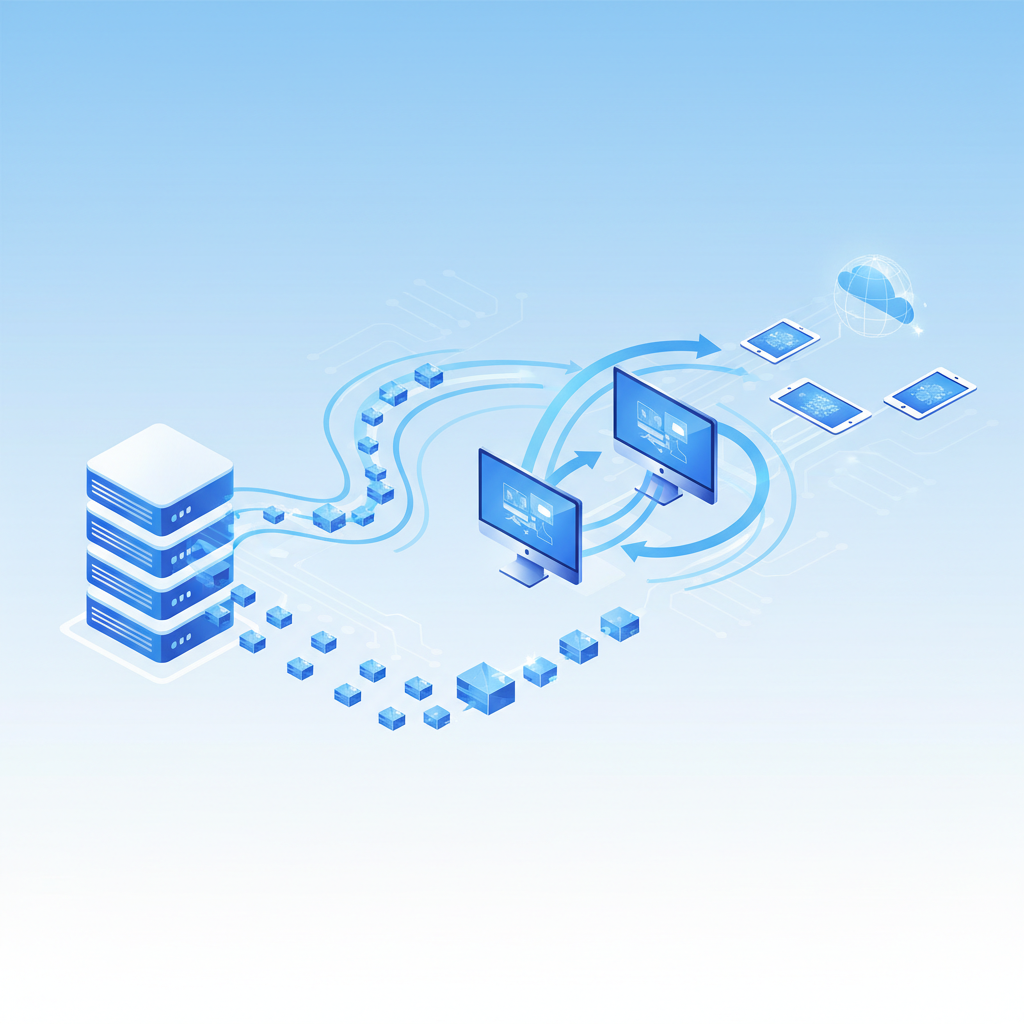
The EDI 277 Health Care Information Status Notification is a standard electronic transaction used in the healthcare industry. Its primary purpose is to report on the status of claims previously submitted by providers (such as hospitals or doctors) to payers (insurance companies/government agencies). It serves as the response to a claim submission (837) or a claim status inquiry (276).
Made byBobr AI

The Workflow Context

The EDI 277 does not exist in isolation. It is typically part of a pairing: 1. Response to EDI 276: A provider specifically asks 'What is the status of Claim X?' via an EDI 276. The payer responds with an EDI 277. 2. Solicited vs. Unsolicited: While often a response, it can also be used as an unsolicited notification by a payer to update a provider on a claim's progress.

Made byBobr AI

Claim Status Query Methods

While EDI 277 offers automation, the healthcare industry still relies on mixed methods for checking claim status. Increasing EDI adoption reduces administrative costs significantly compared to phone or portal inquiries.

Chart
Made byBobr AI

Key Data Segments

  • ST/SE Segments: The start and end of the transaction set.
  • Loop 2000A-D: Identifies the Information Source (Payer), Information Receiver (Provider), and Patient.
  • Loop 2200: Contains the Trace Number (TRN) linking the response back to the original claim.
  • STC Segment: The Status Information segment containing the crucial Category Codes and Status Codes.
Made byBobr AI

Understanding Status Codes

The 277 relies on standardized HIPAA code sets to convey information: • Category Codes: Broadly classify the status (e.g., A0 = Acknowledged, F0 = Finalized). • Status Codes: Provide specific reasons (e.g., 'Claim denied due to lack of medical necessity'). • Entity Codes: Identify who is responsible for the next step (e.g., Payer, Provider, or Patient).

Made byBobr AI

EDI 277 vs. 277CA

It is important to distinguish the standard 277 from the 277CA (Claim Acknowledgment). The 277CA is generated almost immediately after a payer receives a claim file (837). It indicates whether the claim was accepted into the processing system or rejected due to formatting/data errors. The standard 277 is used later to report on the adjudication status (pending, paid, denied).

Made byBobr AI

By automating the inquiry process, the EDI 277 reduces call center volume, minimizes manual entry errors, and accelerates the revenue cycle.

— Healthcare Finance Impact Analysis
Made byBobr AI

Operational Benefits

01. Efficiency
Efficiency: Processes large batches of status requests simultaneously.

02. Cost Reduction
Cost Reduction: Significantly cheaper than manual phone inquiries (avg. $9 vs $0.50).

03. Accuracy
Accuracy: Eliminates human interpretation errors during data entry.

04. Standardization
Standardization: Uniform reporting across different payers via the HIPAA 5010 standard.

Made byBobr AI

The Future of EDI 277

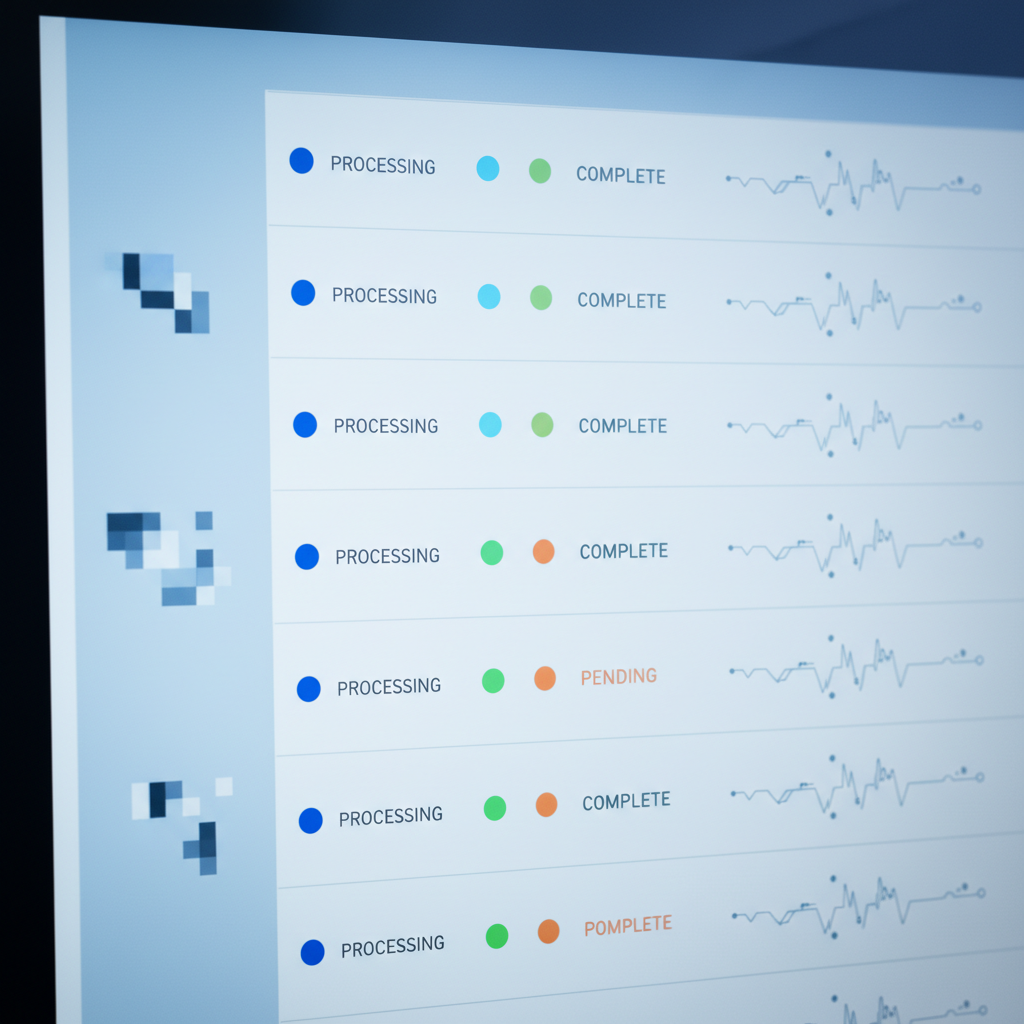
Moving towards Real-Time Processing

Made byBobr AI
Bobr AI

DESIGNER-MADE
PRESENTATION,
GENERATED FROM
YOUR PROMPT

Create your own professional slide deck with real images, data charts, and unique design in under a minute.

Generate For Free

Understanding EDI 277 Healthcare Claim Status Notifications

Learn about the EDI 277 Health Care Information Status Notification standard, its workflow context, data segments, and benefits for healthcare finance.

EDI 277

Health Care Information Status Notification

What is EDI 277?

The EDI 277 Health Care Information Status Notification is a standard electronic transaction used in the healthcare industry. Its primary purpose is to report on the status of claims previously submitted by providers (such as hospitals or doctors) to payers (insurance companies/government agencies). It serves as the response to a claim submission (837) or a claim status inquiry (276).

The Workflow Context

The EDI 277 does not exist in isolation. It is typically part of a pairing: 1. Response to EDI 276: A provider specifically asks 'What is the status of Claim X?' via an EDI 276. The payer responds with an EDI 277. 2. Solicited vs. Unsolicited: While often a response, it can also be used as an unsolicited notification by a payer to update a provider on a claim's progress.

Claim Status Query Methods

While EDI 277 offers automation, the healthcare industry still relies on mixed methods for checking claim status. Increasing EDI adoption reduces administrative costs significantly compared to phone or portal inquiries.

Key Data Segments

ST/SE Segments: The start and end of the transaction set.

Loop 2000A-D: Identifies the Information Source (Payer), Information Receiver (Provider), and Patient.

Loop 2200: Contains the Trace Number (TRN) linking the response back to the original claim.

STC Segment: The Status Information segment containing the crucial Category Codes and Status Codes.

Understanding Status Codes

The 277 relies on standardized HIPAA code sets to convey information: • Category Codes: Broadly classify the status (e.g., A0 = Acknowledged, F0 = Finalized). • Status Codes: Provide specific reasons (e.g., 'Claim denied due to lack of medical necessity'). • Entity Codes: Identify who is responsible for the next step (e.g., Payer, Provider, or Patient).

EDI 277 vs. 277CA

It is important to distinguish the standard 277 from the 277CA (Claim Acknowledgment). The 277CA is generated almost immediately after a payer receives a claim file (837). It indicates whether the claim was accepted into the processing system or rejected due to formatting/data errors. The standard 277 is used later to report on the adjudication status (pending, paid, denied).

By automating the inquiry process, the EDI 277 reduces call center volume, minimizes manual entry errors, and accelerates the revenue cycle.

Healthcare Finance Impact Analysis

Operational Benefits

Efficiency: Processes large batches of status requests simultaneously.

Cost Reduction: Significantly cheaper than manual phone inquiries (avg. $9 vs $0.50).

Accuracy: Eliminates human interpretation errors during data entry.

Standardization: Uniform reporting across different payers via the HIPAA 5010 standard.

The Future of EDI 277

Moving towards Real-Time Processing

  • edi-277
  • healthcare-it
  • claims-processing
  • hipaa-compliance
  • revenue-cycle-management
  • electronic-data-interchange