







Abdul Jabbar Khan: Hero of Bhopal Gas Victims
Explore the life of Abdul Jabbar Khan, the activist who fought for the survivors of the 1984 Bhopal Gas Tragedy and founded Swabhimaan Kendra.
Abdul Jabbar Khan
The Voice of Bhopal Gas Victims (1957–2019)
The 1984 Tragedy
On the night of December 2–3, 1984, the Union Carbide pesticide plant in Bhopal leaked deadly methyl isocyanate gas. The disaster killed thousands instantly and affected over 500,000 people. It remains one of the world's worst industrial catastrophes, changing the lives of residents like Jabbar Khan forever.
Personal Heroism
Awakened by the smell of gas, Jabbar evacuated his mother 40 km to safety, only to return immediately to the danger zone. Despite suffering permanent lung fibrosis and partial vision loss himself, he spent days collecting bodies and assisting survivors at overwhelmed hospitals.
Founding the Struggle
Founded the Bhopal Gas Peedit Mahila Udyog Sangathan (BGPMUS) in 1987.
Centered the movement around women survivors, who were the most affected yet most resilient.
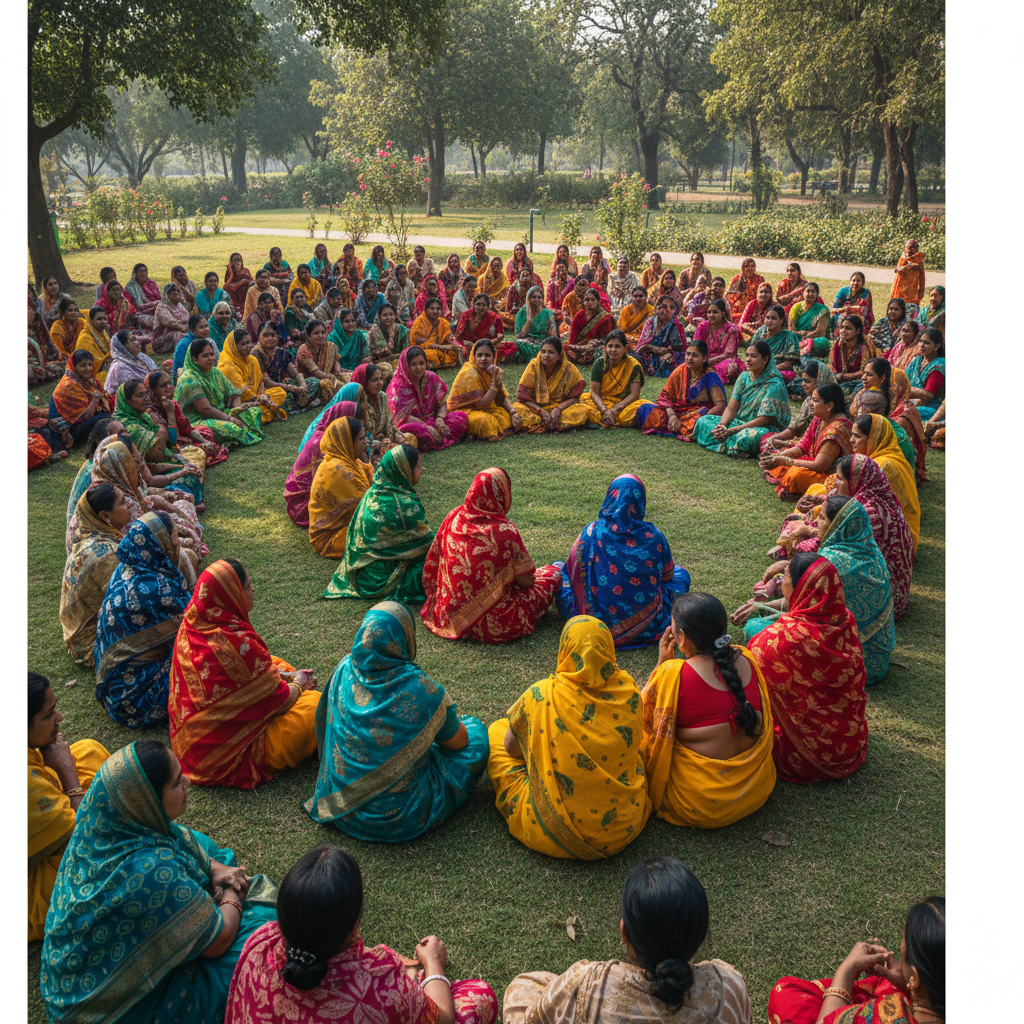
Held weekly meetings for over 30 years in local parks to organize legal strategies.
"Khairat nahi, rozgar chahiye."
(No charity, we want jobs)
— Campaign Slogan by Abdul Jabbar
Swabhimaan Kendra
Living by his slogan, Jabbar founded the Swabhimaan Kendra (Self-Respect Center). This initiative provided vocational training in sewing, toy-making, and embroidery to thousands of women, ensuring economic dignity rather than dependence on handouts.
The Fight for Compensation
Jabbar fought legally for years. In 1989, a settlement of $470 million was reached, far below the $3 billion demanded. While inadequate, his persistence eventually secured additional funds, including a later mandate of 1,503 crore rupees for 570,000 victims.
Activism Method
Grassroots Funding: Operated on member contributions (5 rupees/month) and craft sales.
Rejection of Foreign Aid: Avoided foreign funds to maintain local autonomy and integrity.
Stubborn Persistence: Known for a 'slow and stubborn' style, he never sought fame or English-media attention.
National Recognition
Despite avoiding the limelight during his life, Jabbar's impact was undeniable. He was posthumously awarded the Padma Shri (2020), one of India's highest civilian honors, and the Indira Gandhi Award for Social Service (2019) shortly before his passing.
A Legacy of Courage
Abdul Jabbar Khan died on November 14, 2019. His struggle proved that even without money or political power, a determined community can demand accountability.
- abdul jabbar khan
- bhopal gas tragedy
- bgpmus
- social activism
- india history
- padma shri
- human rights