



Made byBobr AI

Global Air Travel Market 2025: Trends & Analysis

Discover insights on the 2025 global airline market, including regional growth, pricing strategies, and the industry's shift toward sustainability.

#aviation#airline-industry#market-analysis#travel-trends#business-strategy#transportation#future-trends
Watch
Pitch
Cinematic view of a commercial airplane wing appearing through clouds mostly on the right side, dramatic lighting, 8k resolution, minimalist, corporate blue tones

Global Airline Ticket Market 2025

Trends, Regional Growth, and the Future of Aviation

Made byBobr AI

Introduction: The Global Ecosystem

The airline ticket market represents the global system for selling seats on commercial flights.

It handles over 9 billion passenger trips annually, making it a critical component of the world economy. Sales occur through a mix of direct airline channels, Online Travel Agencies (OTAs), and corporate travel management programs.

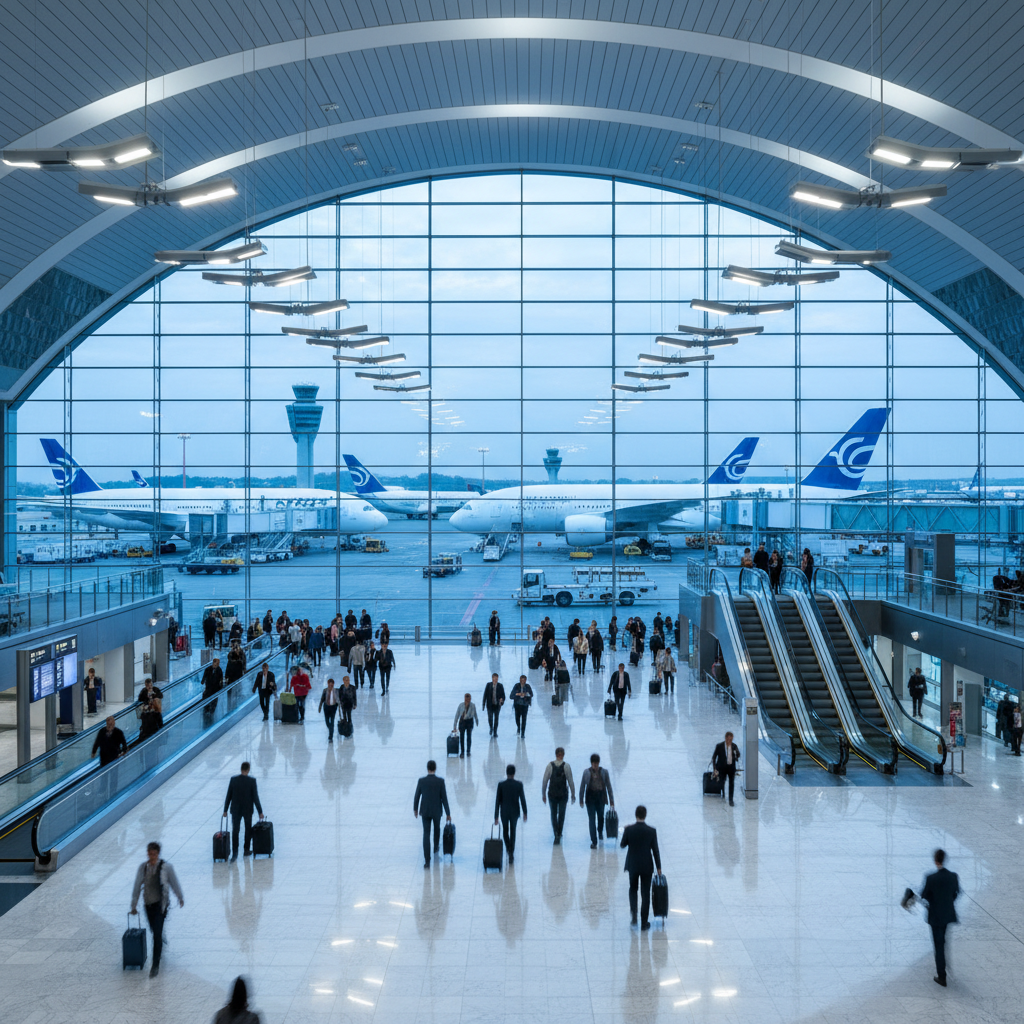
Cinematic photography of a busy modern international airport terminal hall with passengers walking, airplanes visible through huge glass walls, high-tech atmosphere, blue and white professional tones, high quality, 4k
Made byBobr AI

Market Size & Revenue Outlook

  • Projected Growth: Global air travel involves approximately 9.8 billion passengers in 2025, a 3.7% increase from 2024.
  • Revenue Estimation: Worldwide flight market revenue is expected to reach nearly US$690 billion.
  • Recovery & Stability: Following a strong post-pandemic recovery, annual demand growth is stabilizing at 5–6% for the medium term.
Made byBobr AI

2025 Regional Passenger Forecast

Asia-Pacific dominates the market volume driven by tourism and a rising middle class. Europe and North America remain mature, high-volume hubs.

Chart
Made byBobr AI
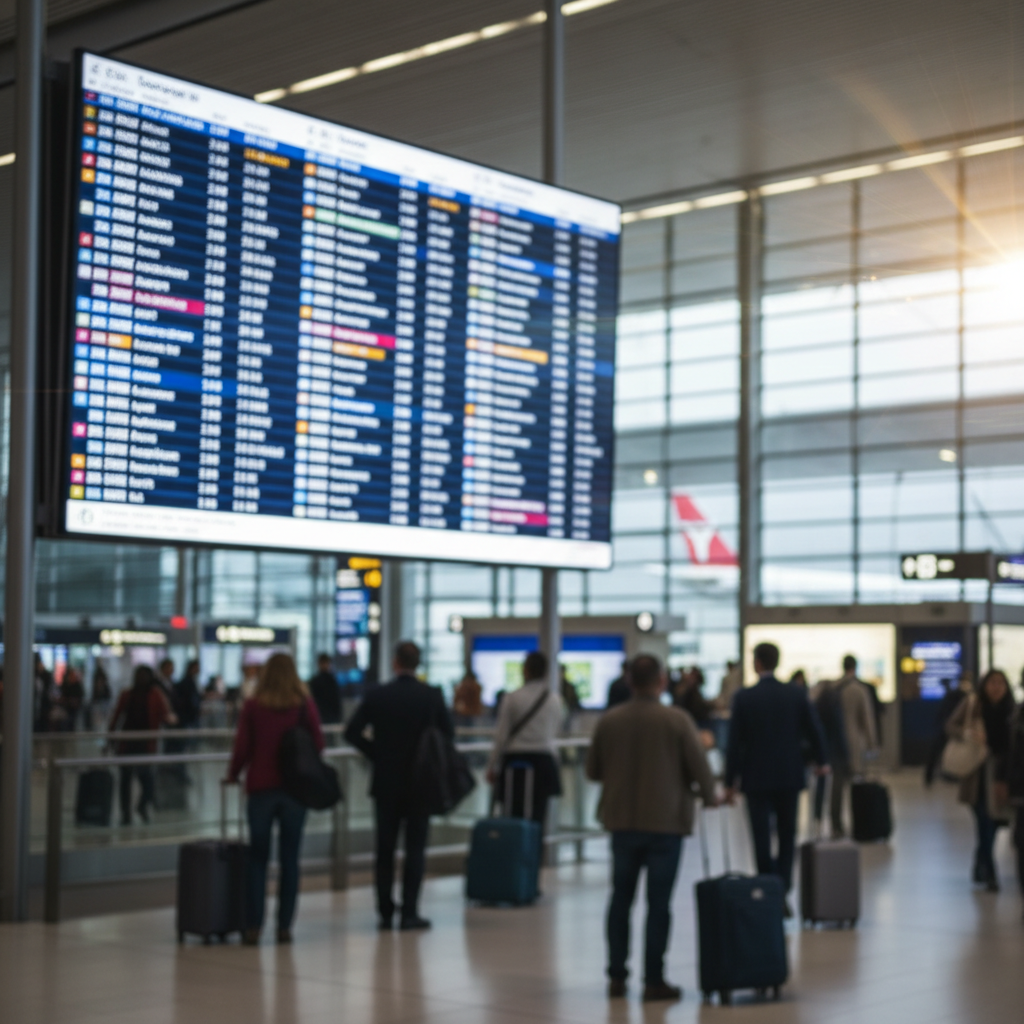
A busy modern airport departure board showing international destinations, clear text not required, photorealistic, depth of field

Key Demand Trends

International vs. Domestic: International traffic is outpacing domestic travel, growing at 5-7% versus 2-3%.

Leisure Dominance: Tourism remains the primary driver. Business travel is recovering slower, adapting to virtual meetings and premium economy shifts.

Emerging Engines: Asia, the Middle East, and Africa are fueling expansion, while mature markets face slower demographic growth.

Made byBobr AI

Pricing & Ticket Economics

Airlines utilize Dynamic Pricing, where fares fluctuate based on demand, seasonality, booking windows, and competitor actions.

Prices are heavily influenced by fuel costs and capacity constraints. The market offers segmented products ranging from Basic Economy (non-refundable) to First Class flexible fares to maximize revenue per seat.

Made byBobr AI

Competition: Business Models

  • 1. Network Carriers: operate hub-and-spoke systems, offer multi-class cabins, and rely on global alliances (Star Alliance, Oneworld, SkyTeam).
  • 2. Low-Cost Carriers (LCCs): Focus on point-to-point routes, unbundled simple products, and paid extras. Expanding rapidly in Asia and Europe.
  • 3. Market Dynamics: Competition drives 'fare wars' on popular routes, while mature markets see consolidation to maintain profitability.
Made byBobr AI

Distribution Channels

Direct Channels: Airline websites and mobile apps are growing in importance, allowing carriers to offer personalized bundles and avoid commission fees.

Indirect Channels: Online Travel Agencies (OTAs) and Global Distribution Systems (GDS) remain crucial for comparison shopping and corporate travel management.

Concept art of a smartphone displaying an airline booking app with a digital boarding pass, minimalist background, high tech vibe
Made byBobr AI

Challenges & Risks

Geopolitical Instability: Conflicts reduce demand in affected regions and force costly route changes.

Economic Pressures: Inflation impacts consumer budgets, while supply chain issues keep operational costs high.

Capacity Constraints: Delays in aircraft deliveries and pilot shortages limit the ability to meet surging demand.

Environmental Pressure: Increased scrutiny on CO2 emissions is driving taxes and shifts toward rail for short routes.

Made byBobr AI
Futuristic eco-friendly airplane design, bright clean sky, solarpunk aesthetic, nature integrated with technology, high quality

Sustainability & The Future

The future of aviation focuses on 'green growth'. Airlines are heavily investing in Sustainable Aviation Fuel (SAF), efficient fleets, and digital operations.

While demand in emerging markets will fuel long-term expansion, the industry's success relies on balancing connectivity with environmental responsibility.

Made byBobr AI
Bobr AI

DESIGNER-MADE
PRESENTATION,
GENERATED FROM
YOUR PROMPT

Create your own professional slide deck with real images, data charts, and unique design in under a minute.

Generate For Free

Global Air Travel Market 2025: Trends & Analysis

Discover insights on the 2025 global airline market, including regional growth, pricing strategies, and the industry's shift toward sustainability.

Global Airline Ticket Market 2025

Trends, Regional Growth, and the Future of Aviation

Introduction: The Global Ecosystem

The airline ticket market represents the global system for selling seats on commercial flights. <br><br>It handles over 9 billion passenger trips annually, making it a critical component of the world economy. Sales occur through a mix of direct airline channels, Online Travel Agencies (OTAs), and corporate travel management programs.

Market Size & Revenue Outlook

Projected Growth: Global air travel involves approximately 9.8 billion passengers in 2025, a 3.7% increase from 2024.

Revenue Estimation: Worldwide flight market revenue is expected to reach nearly US$690 billion.

Recovery & Stability: Following a strong post-pandemic recovery, annual demand growth is stabilizing at 5–6% for the medium term.

2025 Regional Passenger Forecast

Asia-Pacific dominates the market volume driven by tourism and a rising middle class. Europe and North America remain mature, high-volume hubs.

Key Demand Trends

<b>International vs. Domestic:</b> International traffic is outpacing domestic travel, growing at 5-7% versus 2-3%.<br><br><b>Leisure Dominance:</b> Tourism remains the primary driver. Business travel is recovering slower, adapting to virtual meetings and premium economy shifts.<br><br><b>Emerging Engines:</b> Asia, the Middle East, and Africa are fueling expansion, while mature markets face slower demographic growth.

Pricing & Ticket Economics

Airlines utilize <strong>Dynamic Pricing</strong>, where fares fluctuate based on demand, seasonality, booking windows, and competitor actions.<br><br>Prices are heavily influenced by fuel costs and capacity constraints. The market offers segmented products ranging from Basic Economy (non-refundable) to First Class flexible fares to maximize revenue per seat.

Competition: Business Models

Network Carriers: operate hub-and-spoke systems, offer multi-class cabins, and rely on global alliances (Star Alliance, Oneworld, SkyTeam).

Low-Cost Carriers (LCCs): Focus on point-to-point routes, unbundled simple products, and paid extras. Expanding rapidly in Asia and Europe.

Market Dynamics: Competition drives 'fare wars' on popular routes, while mature markets see consolidation to maintain profitability.

Distribution Channels

<b>Direct Channels:</b> Airline websites and mobile apps are growing in importance, allowing carriers to offer personalized bundles and avoid commission fees.<br><br><b>Indirect Channels:</b> Online Travel Agencies (OTAs) and Global Distribution Systems (GDS) remain crucial for comparison shopping and corporate travel management.

Challenges & Risks

Geopolitical Instability: Conflicts reduce demand in affected regions and force costly route changes.

Economic Pressures: Inflation impacts consumer budgets, while supply chain issues keep operational costs high.

Capacity Constraints: Delays in aircraft deliveries and pilot shortages limit the ability to meet surging demand.

Environmental Pressure: Increased scrutiny on CO2 emissions is driving taxes and shifts toward rail for short routes.

Sustainability & The Future

The future of aviation focuses on 'green growth'. Airlines are heavily investing in Sustainable Aviation Fuel (SAF), efficient fleets, and digital operations.<br><br>While demand in emerging markets will fuel long-term expansion, the industry's success relies on balancing connectivity with environmental responsibility.

  • aviation
  • airline-industry
  • market-analysis
  • travel-trends
  • business-strategy
  • transportation
  • future-trends