




Made byBobr AI

Workplace Health & Safety (WHS) Guide for Office Environments

Comprehensive guide to Australian WHS legislation, employer and worker responsibilities, office hazard management, and psychosocial wellbeing at work.

#whs-legislation#office-safety#occupational-health-and-safety#risk-management#ergonomics#australian-law#psychosocial-hazards
Watch
Pitch
PROFESSIONAL DEVELOPMENT SEMINAR
WORKPLACE
HEALTH & SAFETY
In the Office Environment
The Five Star Conference Centre
Presented by: [Your Name]
May 2026
WHS Shield
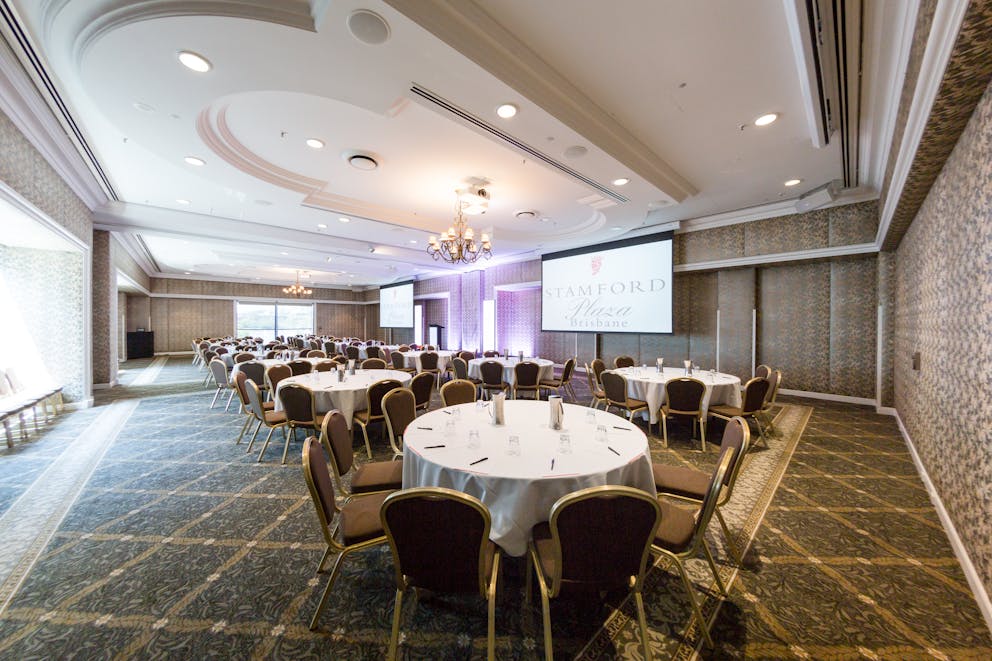
Conference Room
Made byBobr AI
OVERVIEW
What We'll
Cover Today
01
Introduction to WHS
02
Relevant Legislation
03
State & Territory Laws
04
Employer Responsibilities
05
Employee Responsibilities
06
Common Office Hazards
07
Hazard Control Methods
08
Hierarchy of Controls
09
Emergency Procedures
10
Summary & Key Takeaways
02
Made byBobr AI
INTRODUCTION
What is WHS?
Work Health and Safety (WHS) refers to the legislation, policies, procedures and activities that aim to protect the health, safety and welfare of all people in the workplace — including employees, contractors, visitors and the public.
Protects physical AND psychological wellbeing
Applies to all workplaces across Australia
Everyone shares responsibility for a safe workplace
In Australia, WHS is governed by the Work Health and Safety Act 2011 (Commonwealth) and mirrored State/Territory legislation.
Office Environment
03
Made byBobr AI
LEGISLATION
The Legal Framework
National Framework
Work Health and Safety Act 2011 (Cth)
Work Health and Safety Regulations 2011
Administered by: Safe Work Australia
NSW
Work Health and Safety Act 2011 (NSW)
SafeWork NSW
VIC
Occupational Health and Safety Act 2004
WorkSafe Victoria
QLD
Work Health and Safety Act 2011 (QLD)
WorkSafe Queensland
WA
Work Health and Safety Act 2020 (WA)
WorkSafe WA
SA
Work Health and Safety Act 2012 (SA)
SafeWork SA
TAS
Work Health and Safety Act 2012 (TAS)
WorkSafe Tasmania
ACT
Work Health and Safety Act 2011 (ACT)
WorkSafe ACT
NT
Work Health and Safety (National Uniform Legislation) Act 2011
NT WorkSafe
* Victoria operates under its own OHS Act 2004 — not the harmonised WHS model.
04
Made byBobr AI
EMPLOYER DUTIES
PCBU
Responsibilities
Person Conducting a Business or Undertaking
Must ensure safety
SO FAR AS IS REASONABLY PRACTICABLE
Non-compliance penalties: up to $3.3M (individuals) / $16.6M (corporations)
Safe Work Environment
Maintain safe premises, plant and structures
Risk Management
Identify, assess and control workplace hazards
Policies and Procedures
Implement WHS policies and safe work procedures
Training and Information
Provide adequate training, supervision and instruction
Consultation
Consult with workers when making safety decisions
Incident Reporting
Record, report and investigate workplace incidents
05
Made byBobr AI
Warm lit office
WORKER DUTIES
Employee Responsibilities
Under WHS Act 2011 — Section 28
Take reasonable care for your own health and safety
Take care not to put others at risk through your actions
Comply with reasonable WHS instructions from the PCBU
Use equipment, substances and PPE as instructed
Report hazards, incidents and injuries promptly
Cooperate with workplace WHS policies and procedures
Officers' Duty
Officers (managers/directors) must exercise due diligence to ensure the PCBU complies with WHS obligations.
06
Made byBobr AI
HAZARD IDENTIFICATION
Common Office Hazards
Physical & Ergonomic
🖥️
Poor Workstation Ergonomics
Incorrect chair height, monitor position, keyboard placement causing musculoskeletal disorders (MSDs), RSI and back/neck pain.
🚶
Slips, Trips & Falls
Wet floors, loose cables, cluttered walkways, uneven surfaces. Most common cause of office injury.
💡
Inadequate Lighting
Eyestrain, headaches and fatigue from insufficient or harsh lighting, glare on screens.
📦
Manual Handling
Lifting heavy boxes, files or equipment incorrectly causes sprains, strains and back injuries.
🔌
Electrical Hazards
Overloaded power boards, frayed cords, faulty equipment causing electric shock or fire.
🌡️
Poor Ventilation & Temperature
Stuffy air from printers/photocopiers, extreme temperatures, chemical fumes from toner.
07
Made byBobr AI
HAZARD IDENTIFICATION
Common Office Hazards
Psychosocial and Organisational
Work-Related Stress
High workload, tight deadlines, low control over work tasks
Workplace Bullying and Harassment
Verbal abuse, intimidation, sexual harassment (WHS Code of Practice 2025)
Fatigue
Excessive hours, inadequate rest breaks, night or shift work
Poor Change Management
Lack of communication during organisational restructures
Remote and Hybrid Work Hazards
Isolation, poor home workstation setup, blurred work-life boundaries
Low Job Control and Recognition
Lack of autonomy, inadequate reward, poor leadership support
DID YOU KNOW?
1 in 5
Australians experience a mental health condition at work
Psychosocial hazards cost Australian businesses over $543 million annually
New Code of Practice: Managing Psychosocial Hazards at Work (April 2023) — identifies 17 psychosocial hazard types
Source: Safe Work Australia, 2024
08
Made byBobr AI
RISK MANAGEMENT
Hierarchy of Controls
Most Effective to Least Effective
ELIMINATION
Remove the hazard entirely — e.g. replace paper filing with digital systems
SUBSTITUTION
Replace with safer option — e.g. ergonomic chairs instead of standard ones
ENGINEERING CONTROLS
Physical changes — e.g. adjustable desks, improved lighting systems
ADMINISTRATIVE CONTROLS
Change procedures — e.g. regular breaks, task rotation, WHS training
PPE
Last resort — e.g. anti-glare screens, wrist supports, ergonomic mouse
MOST
EFFECTIVE
LEAST
EFFECTIVE
Under Australian WHS law, controls must be applied in order — from highest to lowest level
09
Made byBobr AI
HAZARD CONTROLS
Reducing Office Hazards
1
Ergonomic Workstation Setup
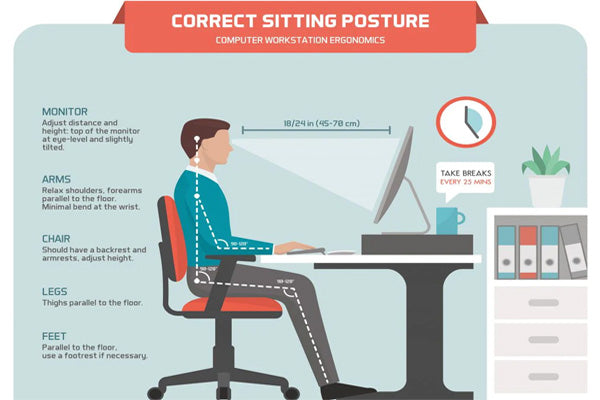
Adjustable chairs at correct height, monitor at eye level (50–70cm away), keyboard and mouse position to prevent RSI. Conduct regular workstation assessments.
2
Cable Management and Housekeeping
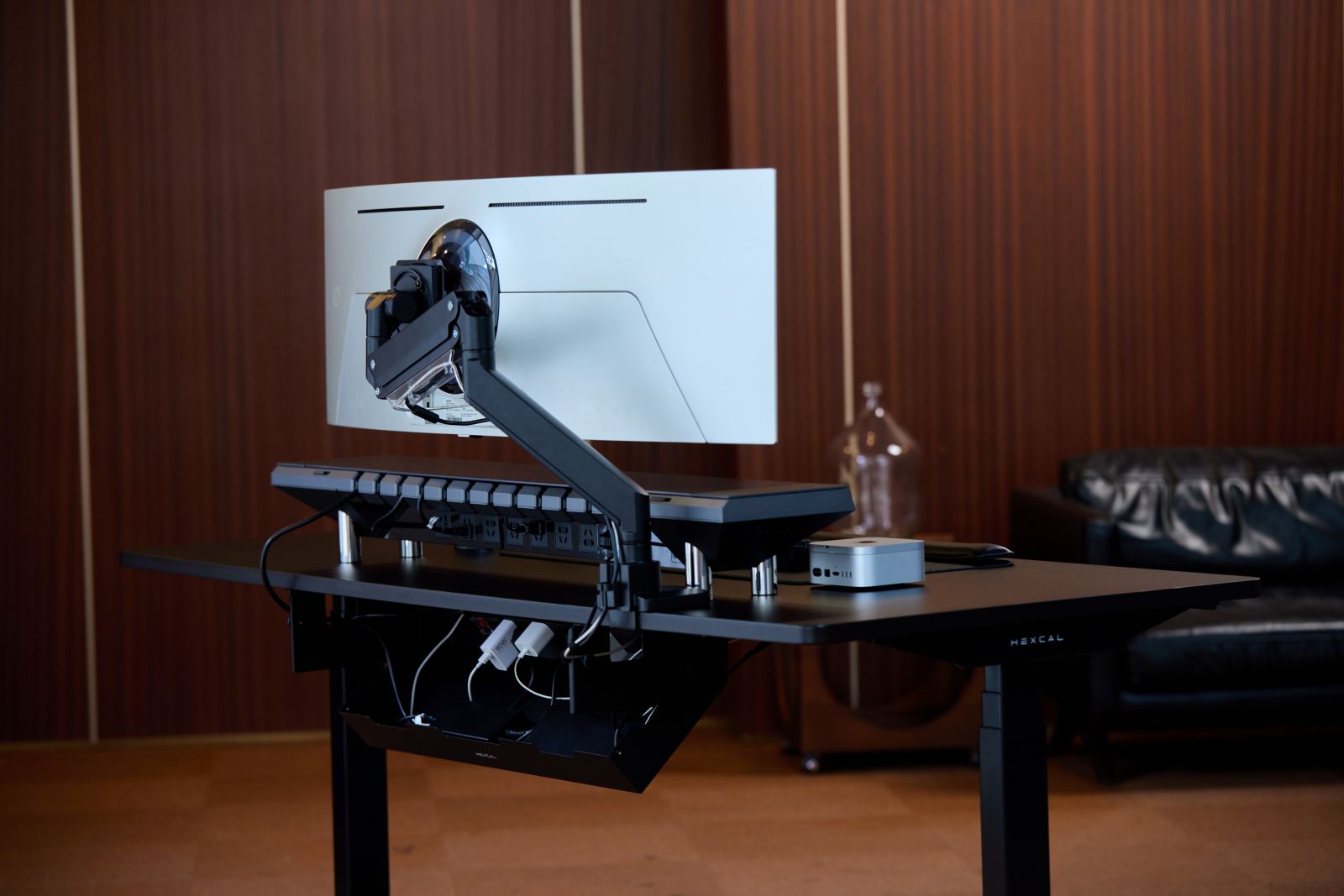
Secure all cables with clips and covers, clear walkways, use cable trays, maintain tidy desks to prevent slips and trips.
3
Lighting and Ventilation
Install diffused overhead lighting (300–500 lux recommended), reduce screen glare with blinds, ensure adequate fresh air circulation.
4
Safe Manual Handling
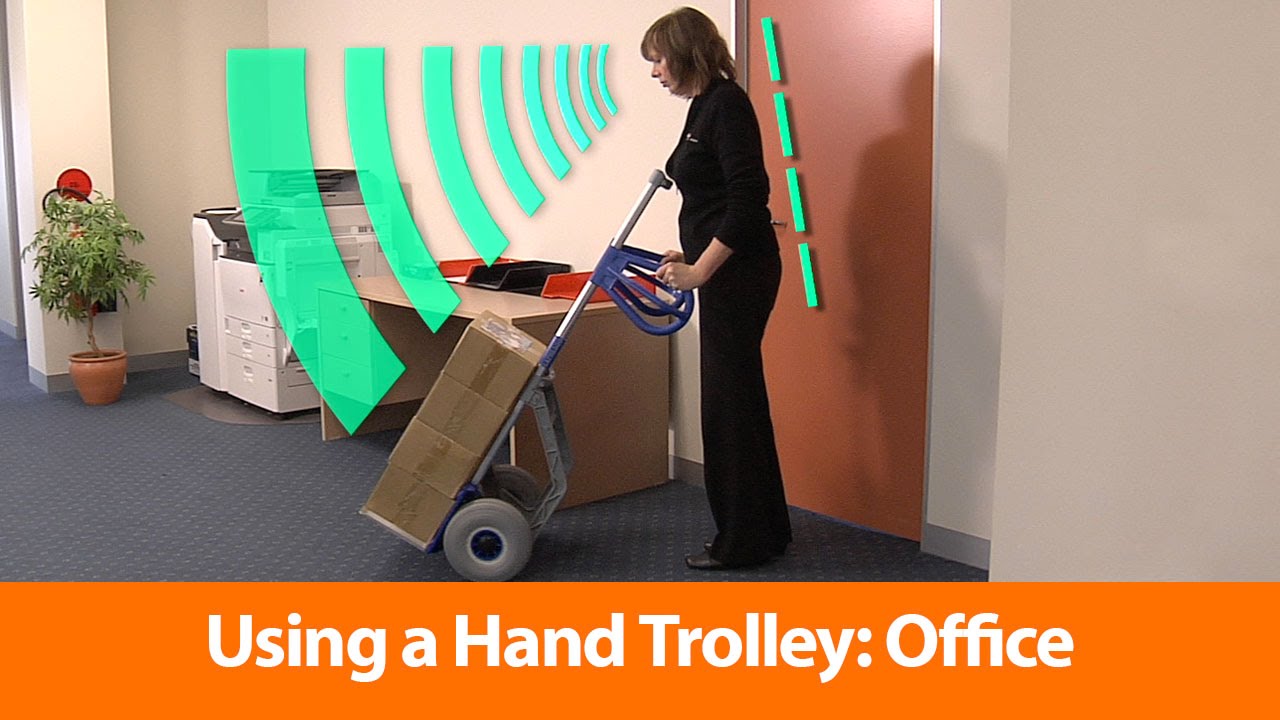
Train staff on correct lifting technique, use trolleys for heavy loads, store heavy items at waist height, limit individual lift weight to 16kg.
5
Electrical Safety
Regular equipment inspections, use safety switches (RCDs), avoid overloaded power boards, report frayed cords immediately.
Ergonomic Setup
Ergonomic Setup
Safe Walkways
Safe Walkways
Good Lighting
Good Lighting
Safe Lifting
Safe Lifting
10
Made byBobr AI
PSYCHOSOCIAL CONTROLS
Supporting Mental Wellbeing at Work
Open Communication
Regular check-ins, clear feedback, approachable management
Workload Management
Realistic deadlines, task delegation, role clarity
EAP Programs
Employee Assistance Programs, counselling, mental health support
Zero Tolerance Policy
Anti-bullying and harassment policy, safe reporting channels
EMERGENCY PREPAREDNESS
In Case of Emergency
Fire Evacuation
Know evacuation routes and assembly points. Participate in regular fire drills.
First Aid
Know location of first aid kits. Identify trained first aiders in your team.
Incident Reporting
Report ALL incidents and near-misses using the workplace WHS register.
Emergency Contacts
Display emergency numbers prominently: Police/Fire/Ambulance — call 000
11
Made byBobr AI
SUMMARY
Key Takeaways
1.
WHS law is everyone's responsibility — PCBUs, officers AND workers all have legal duties.
2.
Harmonised WHS Act 2011 applies in most states; Victoria follows OHS Act 2004.
3.
Common office hazards include ergonomics, slips/trips, electrical risks and psychosocial factors.
4.
Use the Hierarchy of Controls — always apply the highest level of control first.
5.
Report ALL hazards, incidents and near-misses — no matter how small.
A safe workplace is a productive workplace.
Questions? Let's Discuss.
© 2026 — BSBTEC301 WHS Presentation
Conference Room
12
Made byBobr AI
Bobr AI

DESIGNER-MADE
PRESENTATION,
GENERATED FROM
YOUR PROMPT

Create your own professional slide deck with real images, data charts, and unique design in under a minute.

Generate For Free

Workplace Health & Safety (WHS) Guide for Office Environments

Comprehensive guide to Australian WHS legislation, employer and worker responsibilities, office hazard management, and psychosocial wellbeing at work.

PROFESSIONAL DEVELOPMENT SEMINAR

WORKPLACE

HEALTH & SAFETY

In the Office Environment

The Five Star Conference Centre

[Your Name]

May 2026

OVERVIEW

What We'll

Cover Today

02

01

Introduction to WHS

02

Relevant Legislation

03

State & Territory Laws

04

Employer Responsibilities

05

Employee Responsibilities

06

Common Office Hazards

07

Hazard Control Methods

08

Hierarchy of Controls

09

Emergency Procedures

10

Summary & Key Takeaways

INTRODUCTION

What is WHS?

Work Health and Safety (WHS) refers to the legislation, policies, procedures and activities that aim to protect the health, safety and welfare of all people in the workplace — including employees, contractors, visitors and the public.

Protects physical AND psychological wellbeing

Applies to all workplaces across Australia

Everyone shares responsibility for a safe workplace

In Australia, WHS is governed by the Work Health and Safety Act 2011 (Commonwealth) and mirrored State/Territory legislation.

03

LEGISLATION

The Legal Framework

National Framework

Work Health and Safety Act 2011 (Cth)

Work Health and Safety Regulations 2011

Administered by: Safe Work Australia

NSW

Work Health and Safety Act 2011 (NSW)

SafeWork NSW

VIC

Occupational Health and Safety Act 2004

WorkSafe Victoria

QLD

Work Health and Safety Act 2011 (QLD)

WorkSafe Queensland

WA

Work Health and Safety Act 2020 (WA)

WorkSafe WA

SA

Work Health and Safety Act 2012 (SA)

SafeWork SA

TAS

Work Health and Safety Act 2012 (TAS)

WorkSafe Tasmania

ACT

Work Health and Safety Act 2011 (ACT)

WorkSafe ACT

NT

Work Health and Safety (National Uniform Legislation) Act 2011

NT WorkSafe

* Victoria operates under its own OHS Act 2004 — not the harmonised WHS model.

04

EMPLOYER DUTIES

PCBU

Responsibilities

Person Conducting a Business or Undertaking

Must ensure safety

SO FAR AS IS REASONABLY PRACTICABLE

Non-compliance penalties: up to $3.3M (individuals) / $16.6M (corporations)

Safe Work Environment

Maintain safe premises, plant and structures

Risk Management

Identify, assess and control workplace hazards

Policies and Procedures

Implement WHS policies and safe work procedures

Training and Information

Provide adequate training, supervision and instruction

Consultation

Consult with workers when making safety decisions

Incident Reporting

Record, report and investigate workplace incidents

05

WORKER DUTIES

Employee Responsibilities

Under WHS Act 2011 — Section 28

Take reasonable care for your own health and safety

Take care not to put others at risk through your actions

Comply with reasonable WHS instructions from the PCBU

Use equipment, substances and PPE as instructed

Report hazards, incidents and injuries promptly

Cooperate with workplace WHS policies and procedures

Officers' Duty

Officers (managers/directors) must exercise due diligence to ensure the PCBU complies with WHS obligations.

HAZARD IDENTIFICATION

Common Office Hazards

Physical & Ergonomic

07

🖥️

Poor Workstation Ergonomics

Incorrect chair height, monitor position, keyboard placement causing musculoskeletal disorders (MSDs), RSI and back/neck pain.

🚶

Slips, Trips & Falls

Wet floors, loose cables, cluttered walkways, uneven surfaces. Most common cause of office injury.

💡

Inadequate Lighting

Eyestrain, headaches and fatigue from insufficient or harsh lighting, glare on screens.

📦

Manual Handling

Lifting heavy boxes, files or equipment incorrectly causes sprains, strains and back injuries.

🔌

Electrical Hazards

Overloaded power boards, frayed cords, faulty equipment causing electric shock or fire.

🌡️

Poor Ventilation & Temperature

Stuffy air from printers/photocopiers, extreme temperatures, chemical fumes from toner.

HAZARD IDENTIFICATION

Common Office Hazards

Psychosocial and Organisational

Work-Related Stress

High workload, tight deadlines, low control over work tasks

Workplace Bullying and Harassment

Verbal abuse, intimidation, sexual harassment (WHS Code of Practice 2025)

Fatigue

Excessive hours, inadequate rest breaks, night or shift work

Poor Change Management

Lack of communication during organisational restructures

Remote and Hybrid Work Hazards

Isolation, poor home workstation setup, blurred work-life boundaries

Low Job Control and Recognition

Lack of autonomy, inadequate reward, poor leadership support

DID YOU KNOW?

1 in 5

Australians experience a mental health condition at work

Psychosocial hazards cost Australian businesses over $543 million annually

New Code of Practice:

Managing Psychosocial Hazards at Work (April 2023) — identifies 17 psychosocial hazard types

Source: Safe Work Australia, 2024

08

RISK MANAGEMENT

Hierarchy of Controls

Most Effective to Least Effective

ELIMINATION

Remove the hazard entirely — e.g. replace paper filing with digital systems

SUBSTITUTION

Replace with safer option — e.g. ergonomic chairs instead of standard ones

ENGINEERING CONTROLS

Physical changes — e.g. adjustable desks, improved lighting systems

ADMINISTRATIVE CONTROLS

Change procedures — e.g. regular breaks, task rotation, WHS training

PPE

Last resort — e.g. anti-glare screens, wrist supports, ergonomic mouse

Under Australian WHS law, controls must be applied in order — from highest to lowest level

09

HAZARD CONTROLS

Reducing Office Hazards

Ergonomic Workstation Setup

Adjustable chairs at correct height, monitor at eye level (50–70cm away), keyboard and mouse position to prevent RSI. Conduct regular workstation assessments.

Cable Management and Housekeeping

Secure all cables with clips and covers, clear walkways, use cable trays, maintain tidy desks to prevent slips and trips.

Lighting and Ventilation

Install diffused overhead lighting (300–500 lux recommended), reduce screen glare with blinds, ensure adequate fresh air circulation.

Safe Manual Handling

Train staff on correct lifting technique, use trolleys for heavy loads, store heavy items at waist height, limit individual lift weight to 16kg.

Electrical Safety

Regular equipment inspections, use safety switches (RCDs), avoid overloaded power boards, report frayed cords immediately.

Ergonomic Setup

Safe Walkways

Good Lighting

Safe Lifting

10

PSYCHOSOCIAL CONTROLS

Supporting Mental Wellbeing at Work

Open Communication

Regular check-ins, clear feedback, approachable management

Workload Management

Realistic deadlines, task delegation, role clarity

EAP Programs

Employee Assistance Programs, counselling, mental health support

Zero Tolerance Policy

Anti-bullying and harassment policy, safe reporting channels

EMERGENCY PREPAREDNESS

In Case of Emergency

Fire Evacuation

Know evacuation routes and assembly points. Participate in regular fire drills.

First Aid

Know location of first aid kits. Identify trained first aiders in your team.

Incident Reporting

Report ALL incidents and near-misses using the workplace WHS register.

Emergency Contacts

Display emergency numbers prominently: Police/Fire/Ambulance — call 000

11

SUMMARY

Key Takeaways

WHS law is everyone's responsibility — PCBUs, officers AND workers all have legal duties.

Harmonised WHS Act 2011 applies in most states; Victoria follows OHS Act 2004.

Common office hazards include ergonomics, slips/trips, electrical risks and psychosocial factors.

Use the Hierarchy of Controls — always apply the highest level of control first.

Report ALL hazards, incidents and near-misses — no matter how small.

A safe workplace is a productive workplace.

Questions? Let's Discuss.

© 2026 — BSBTEC301 WHS Presentation

12

  • whs-legislation
  • office-safety
  • occupational-health-and-safety
  • risk-management
  • ergonomics
  • australian-law
  • psychosocial-hazards