














Made byBobr AI

Jabir ibn Hayyan: The Father of Modern Chemistry

Explore the life and legacy of Jabir ibn Hayyan (Geber), the 8th-century polymath who transitioned alchemy into systematic experimental chemistry.

#jabir-ibn-hayyan#chemistry-history#alchemy#science-history#islamic-golden-age#experimental-method#geber
Watch
Pitch

The Father of Chemistry:
Jabir ibn Hayyan

Exploring the Alchemical Foundations of Modern Science

Made byBobr AI
Historical Profile

Jabir ibn Hayyan (Geber)

The Polymath of Kufa, Iraq

The 8th-Century Polymath

An 8th-century pioneer revered as the 'Father of Chemistry', he authored manuscripts that revolutionized scientific methodology.

East & West Identity

Known as Jabir in the East and Geber in the West, his works served as a bridge between Arabic alchemy and Latin European science.

Based in
Kufa
Made byBobr AI
Pioneering Tools

Innovations in
Laboratory Apparatus

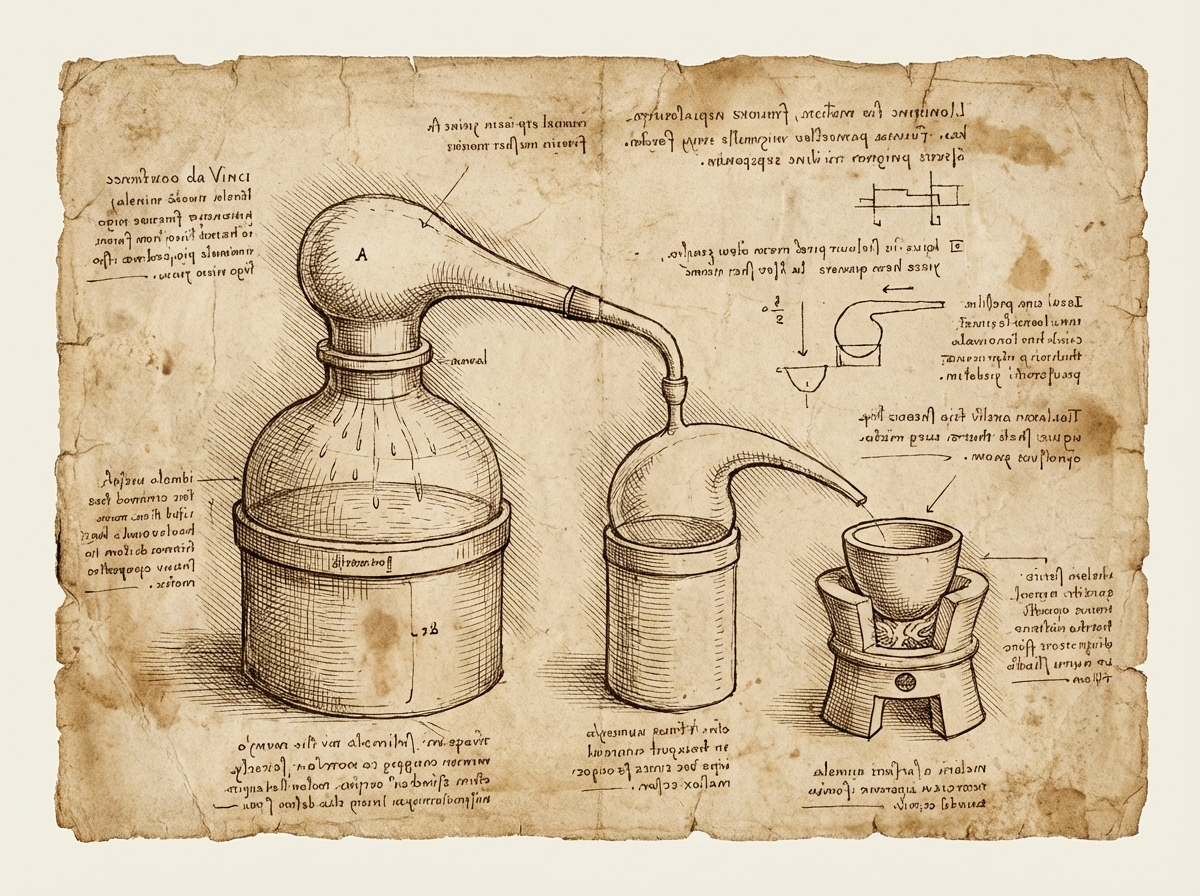
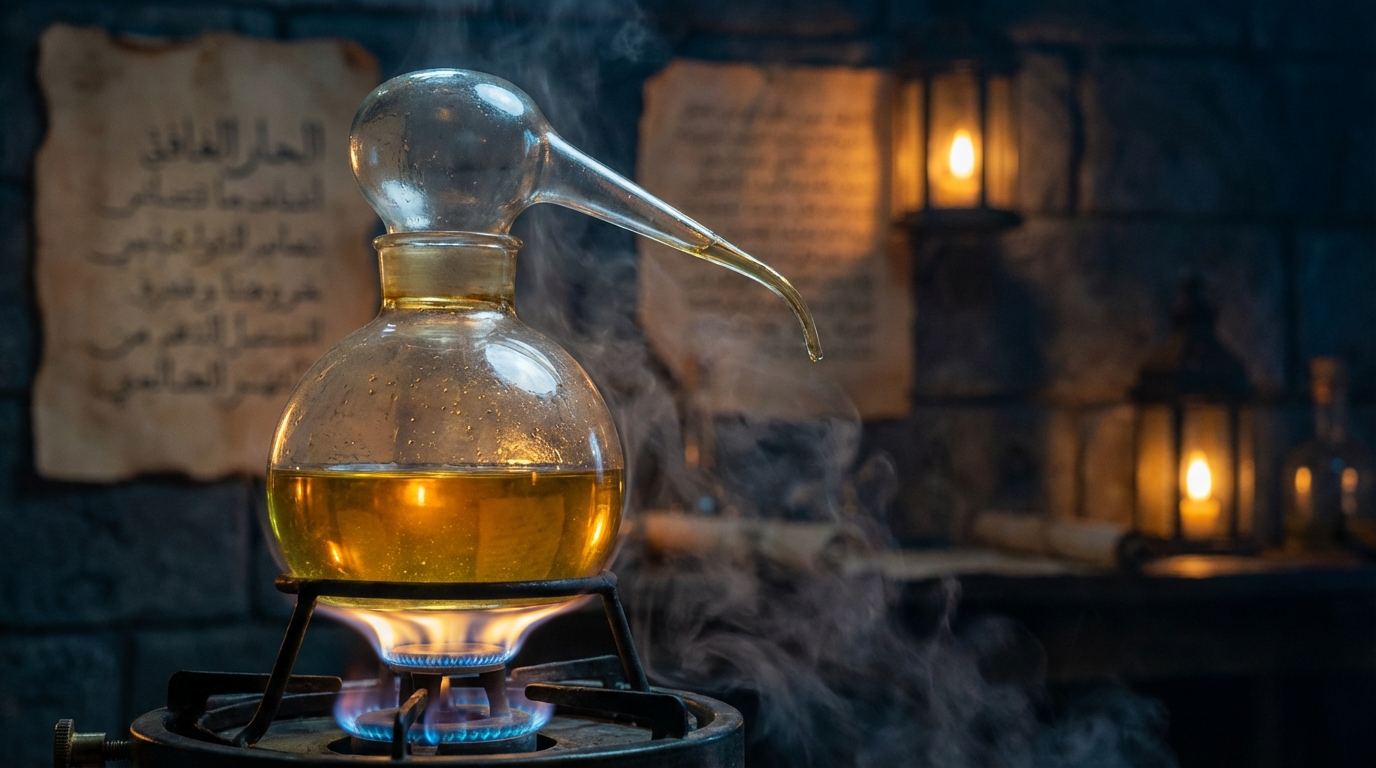
Jabir ibn Hayyan marks the historic shift from mystical alchemy to systematic experimentation. His invention of precise analytical tools allowed for the first standardized chemical processes.

The Alembic

Revolutionized the distillation process.

The Retort

Crucial for dry distillation and chemical analysis.

The Crucible

Withstood high heat for metal purification.

Technical Manuscript
Made byBobr AI

Chemical Processes
& Systematic Discovery

Transitioning from mystical allegory to systematic methodology, early chemists established rigorous techniques for material handling. This era marked the categorization of substances by their chemical properties rather than their philosophical meanings.

Key Discoveries

  • Mineral Acids: Sulfuric & Nitric Acid
  • Hydrochloric Acid: A potent chemical reagent
  • Aqua Regia: The only substance capable of dissolving gold

Core Processes

Distillation

Purification of liquids

Crystallization

Formation of solid structures

Sublimation

Solid to gas transition

Made byBobr AI

Methodology

The Philosophy of Experimentalism

Jabir ibn Hayyan introduced a rigorous empirical standard to alchemy, insisting that theoretical knowledge must be validated through practical application and observable results.

The first essential in chemistry is that thou shouldst perform practical work and conduct experiments.
إن أول واجب في صناعة الكيمياء هو أن تقوم بعمل وتجري تجربة
— Jabir ibn Hayyan
Made byBobr AI

Legacy & Influence
Foundations of Modern Chemistry

Jabir ibn Hayyan’s systematic approach bridged the mystical world of alchemy with the empirical rigor of modern science.

I

The Latin Transmission

His works reached Europe through Latin translations under the name 'Geber,' becoming the primary textbooks for European alchemists and influencing figures like Roger Bacon and Isaac Newton.

II

From Alchemy to Chemistry

By shifting focus from mystical symbolism to experimentation, classification, and laboratory precision, his methodology laid the groundwork for the modern scientific revolution.

Made byBobr AI
Conclusion

A Pillar of Islamic Science

The Enduring Legacy of Jabir ibn Hayyan

Jabir transformed alchemy from mystical speculation into a rigorous experimental scienc, systematizing processes like distillation and crystallization. His dedication to empirical evidence laid the foundation for modern chemistry, bridging the wisdom of the ancients with the scientific breakthroughs of the future.

"The first essential in chemistry is that thou shouldst perform practical work and conduct experiments, for he who performs not practical work will never attain to the least degree of mastery."

— On the Pursuit of Knowledge

Thank You

Questions & Discussion

Made byBobr AI
Bobr AI

DESIGNER-MADE
PRESENTATION,
GENERATED FROM
YOUR PROMPT

Create your own professional slide deck with real images, data charts, and unique design in under a minute.

Generate For Free

Jabir ibn Hayyan: The Father of Modern Chemistry

Explore the life and legacy of Jabir ibn Hayyan (Geber), the 8th-century polymath who transitioned alchemy into systematic experimental chemistry.

The Father of Chemistry:

Jabir ibn Hayyan

Exploring the Alchemical Foundations of Modern Science

Jabir ibn Hayyan

The Polymath of Kufa, Iraq

An 8th-century pioneer revered as the 'Father of Chemistry', he authored manuscripts that revolutionized scientific methodology.

Known as Jabir in the East and Geber in the West, his works served as a bridge between Arabic alchemy and Latin European science.

Jabir ibn Hayyan marks the historic shift from mystical alchemy to systematic experimentation. His invention of precise analytical tools allowed for the first standardized chemical processes.

Chemical Processes

& Systematic Discovery

Transitioning from mystical allegory to systematic methodology, early chemists established rigorous techniques for material handling. This era marked the categorization of substances by their chemical properties rather than their philosophical meanings.

Methodology

The Philosophy of Experimentalism

Jabir ibn Hayyan introduced a rigorous empirical standard to alchemy, insisting that theoretical knowledge must be validated through practical application and observable results.

The first essential in chemistry is that thou shouldst perform practical work and conduct experiments.

إن أول واجب في صناعة الكيمياء هو أن تقوم بعمل وتجري تجربة

Jabir ibn Hayyan

Legacy & Influence

Foundations of Modern Chemistry

Jabir ibn Hayyan’s systematic approach bridged the mystical world of alchemy with the empirical rigor of modern science.

The Latin Transmission

His works reached Europe through Latin translations under the name 'Geber,' becoming the primary textbooks for European alchemists and influencing figures like Roger Bacon and Isaac Newton.

From Alchemy to Chemistry

By shifting focus from mystical symbolism to experimentation, classification, and laboratory precision, his methodology laid the groundwork for the modern scientific revolution.

A Pillar of Islamic Science

The Enduring Legacy of Jabir ibn Hayyan

Jabir transformed alchemy from mystical speculation into a rigorous experimental scienc, systematizing processes like distillation and crystallization. His dedication to empirical evidence laid the foundation for modern chemistry, bridging the wisdom of the ancients with the scientific breakthroughs of the future.

The first essential in chemistry is that thou shouldst perform practical work and conduct experiments, for he who performs not practical work will never attain to the least degree of mastery.

Thank You

  • jabir-ibn-hayyan
  • chemistry-history
  • alchemy
  • science-history
  • islamic-golden-age
  • experimental-method
  • geber