
Made byBobr AI

Sustainable Urban Planning: Building Resilient Cities

Explore strategies for future cities, including green infrastructure, sustainable mobility, and case studies like Copenhagen's zero-carbon goal.

#urban-planning#sustainability#smart-cities#green-infrastructure#zero-carbon#urbanization#environmental-strategy

Sustainable Urban Planning

Building Resilient Cities for the Future

Made byBobr AI

The Challenge of Rapid Urbanization

By 2050, nearly 70% of the world's population will live in cities. This rapid shift presents critical challenges including increased pollution, strain on infrastructure, housing shortages, and loss of green spaces. Sustainable planning is no longer optional; it is essential for survival.

Made byBobr AI

Global Urban Population Growth (1950-2050)

Chart
Made byBobr AI

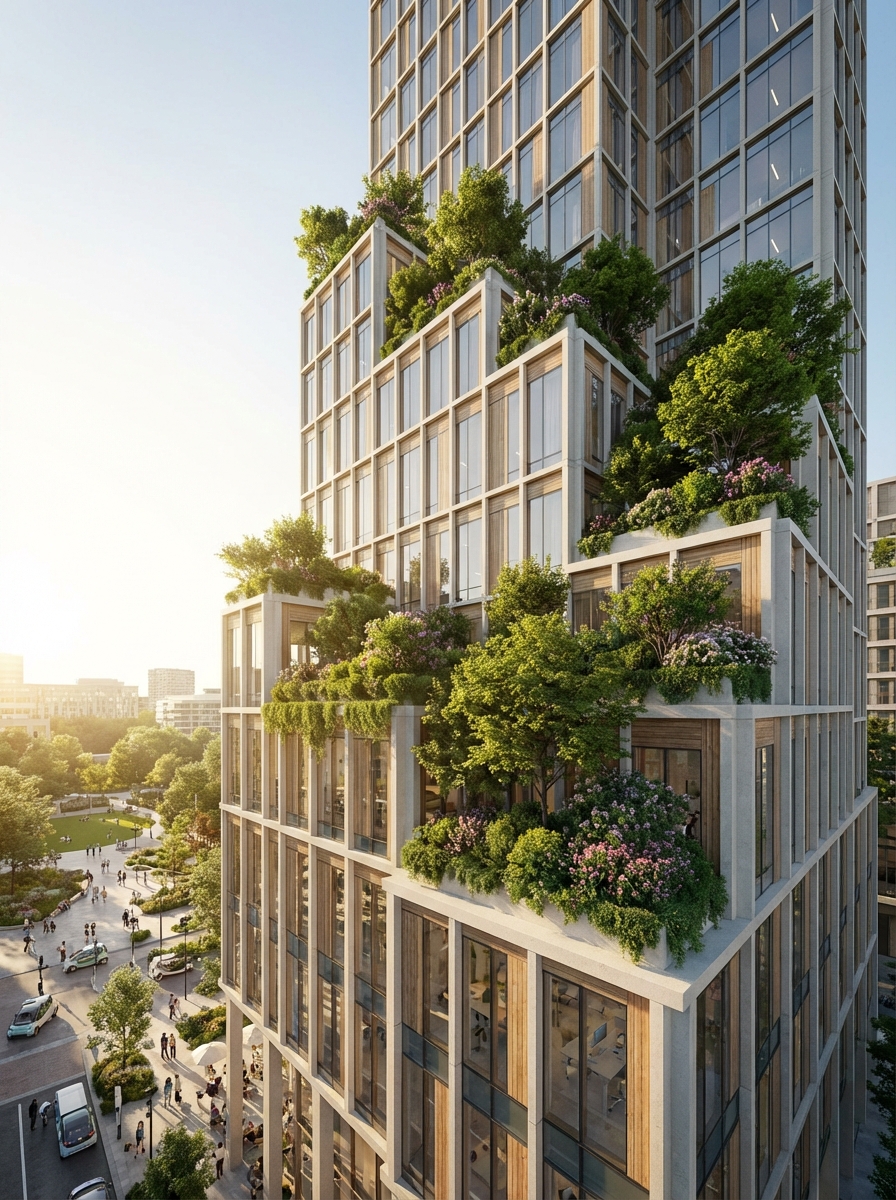
Integration of Green Infrastructure

  • Vertical Forests: Converting high-rise facades into living ecosystems to absorb CO2.
  • Smart Parks: Urban green spaces equipped with sensors to monitor air quality.
  • Rooftop Gardens: Reducing heat island effect and providing local food sources.
Made byBobr AI

Sustainable Mobility Solutions

Chart

To reduce carbon footprints, future cities prioritize mass transit and active mobility over private combustion engine cars.

Made byBobr AI

Case Study: Copenhagen

Copenhagen leads the world in sustainable urban design. With over 62% of inhabitants commuting by bicycle and a goal to be carbon neutral by 2025, it serves as a blueprint for future metropolises.

Made byBobr AI

Economic Impacts of Green Cities

Investing in sustainability is not just ethical; it is profitable. Reduced energy consumption and improved public health lead to hundreds of millions in annual savings for major cities.

Chart
Made byBobr AI

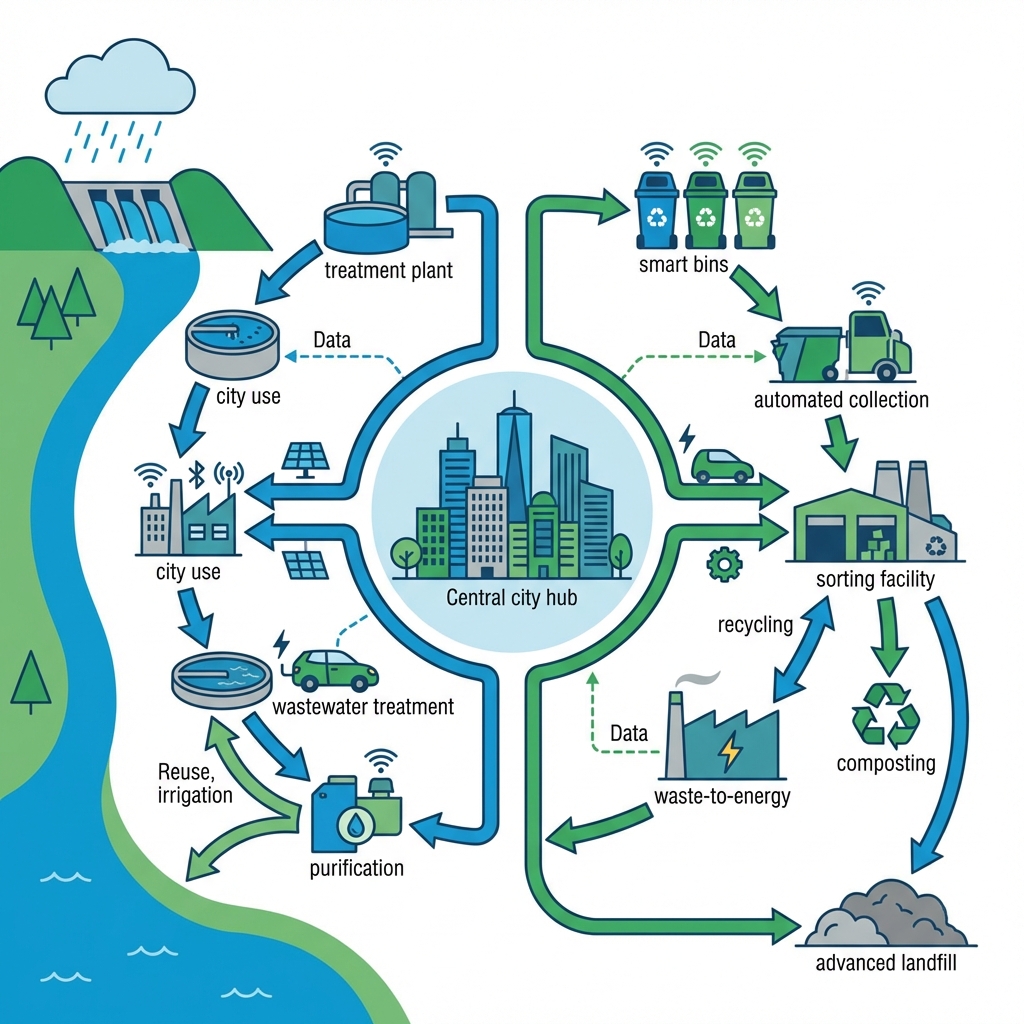
Smart Water & Waste Management

  • Greywater Recycling: reusing sink and shower water for irrigation.
  • Circular Waste Economy: converting municipal waste into clean energy.
Made byBobr AI

Roadmap to 2030

2024: Policy frameworks implementation

2026: Infrastructure upgrades (Smart Grids)

2028: Expand green zones by 40%

2030: Achieve Zero-Carbon Public Transport

Made byBobr AI

The Future is Green

Sustainable urban planning defines the quality of life for the next generation. Join the movement to build smarter, greener cities.

Made byBobr AI
Bobr AI

DESIGNER-MADE
PRESENTATION,
GENERATED FROM
YOUR PROMPT

Create your own professional slide deck with real images, data charts, and unique design in under a minute.

Generate For Free

Sustainable Urban Planning: Building Resilient Cities

Explore strategies for future cities, including green infrastructure, sustainable mobility, and case studies like Copenhagen's zero-carbon goal.

Sustainable Urban Planning

Building Resilient Cities for the Future

The Challenge of Rapid Urbanization

By 2050, nearly 70% of the world's population will live in cities. This rapid shift presents critical challenges including increased pollution, strain on infrastructure, housing shortages, and loss of green spaces. Sustainable planning is no longer optional; it is essential for survival.

Global Urban Population Growth (1950-2050)

Integration of Green Infrastructure

Vertical Forests: Converting high-rise facades into living ecosystems to absorb CO2.

Smart Parks: Urban green spaces equipped with sensors to monitor air quality.

Rooftop Gardens: Reducing heat island effect and providing local food sources.

Sustainable Mobility Solutions

To reduce carbon footprints, future cities prioritize mass transit and active mobility over private combustion engine cars.

Case Study: Copenhagen

Copenhagen leads the world in sustainable urban design. With over 62% of inhabitants commuting by bicycle and a goal to be carbon neutral by 2025, it serves as a blueprint for future metropolises.

Economic Impacts of Green Cities

Investing in sustainability is not just ethical; it is profitable. Reduced energy consumption and improved public health lead to hundreds of millions in annual savings for major cities.

Smart Water & Waste Management

Greywater Recycling: reusing sink and shower water for irrigation.

Circular Waste Economy: converting municipal waste into clean energy.

Roadmap to 2030

2024: Policy frameworks implementation

2026: Infrastructure upgrades (Smart Grids)

2028: Expand green zones by 40%

2030: Achieve Zero-Carbon Public Transport

The Future is Green

Sustainable urban planning defines the quality of life for the next generation. Join the movement to build smarter, greener cities.

  • urban-planning
  • sustainability
  • smart-cities
  • green-infrastructure
  • zero-carbon
  • urbanization
  • environmental-strategy