
Electricity Generation, Transmission & Efficiency Guide
Learn how electricity is generated, transmitted through the National Grid, and optimized for efficiency using Ohm's Law and transformers.
Electricity: Generation, Transmission & Efficiency
2B.P5 · 2B.P6 · 2B.P7 · 2B.M4 · 2B.M5 · 2B.D4
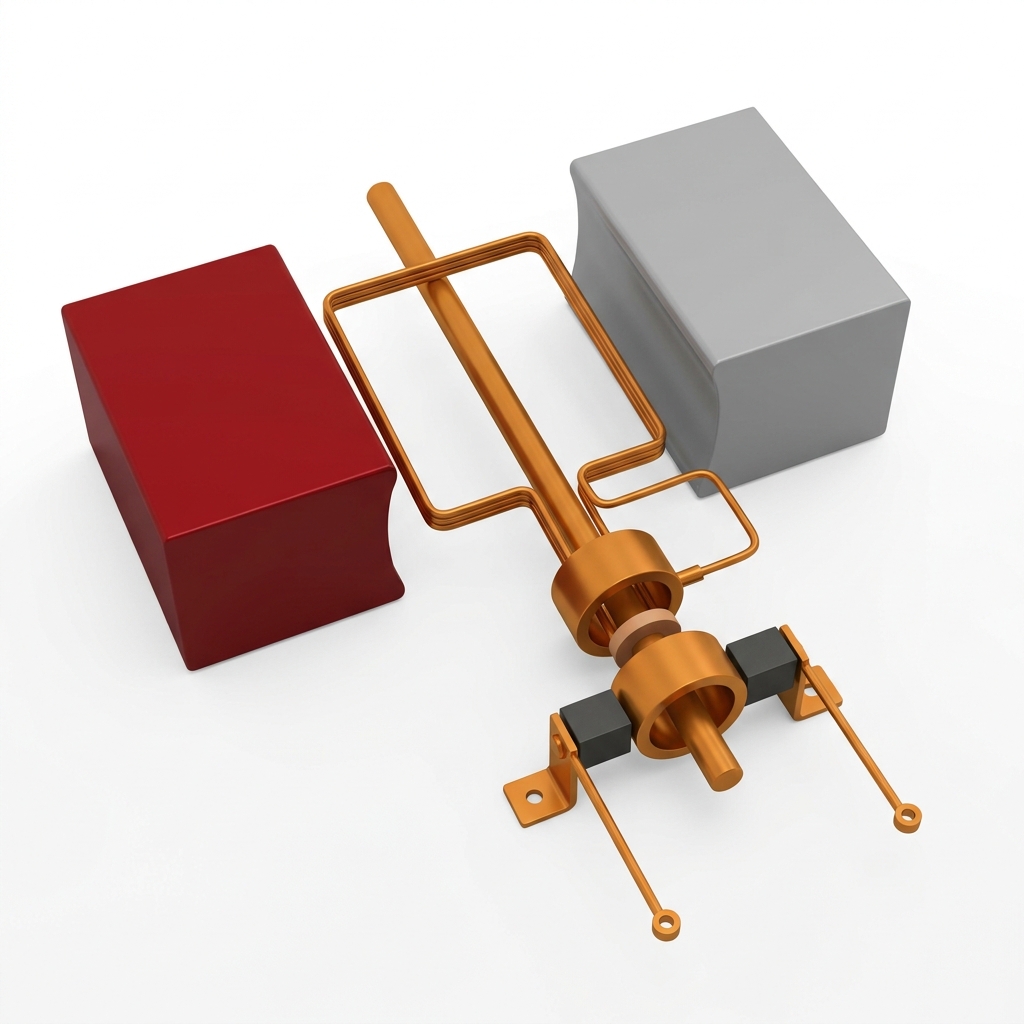
Increasing the Voltage of a Generator
5 ways to increase the voltage (EMF) output of an AC generator.
Use more turns of wire in the coil
More wire cuts the field, so more voltage is produced
Use stronger magnets
A stronger magnetic field means more force on the electrons
Spin the coil faster
The wire cuts more field lines per second
Use a bigger coil
More wire in the field at once
Use an iron core inside the coil
Concentrates the magnetic field, making it stronger
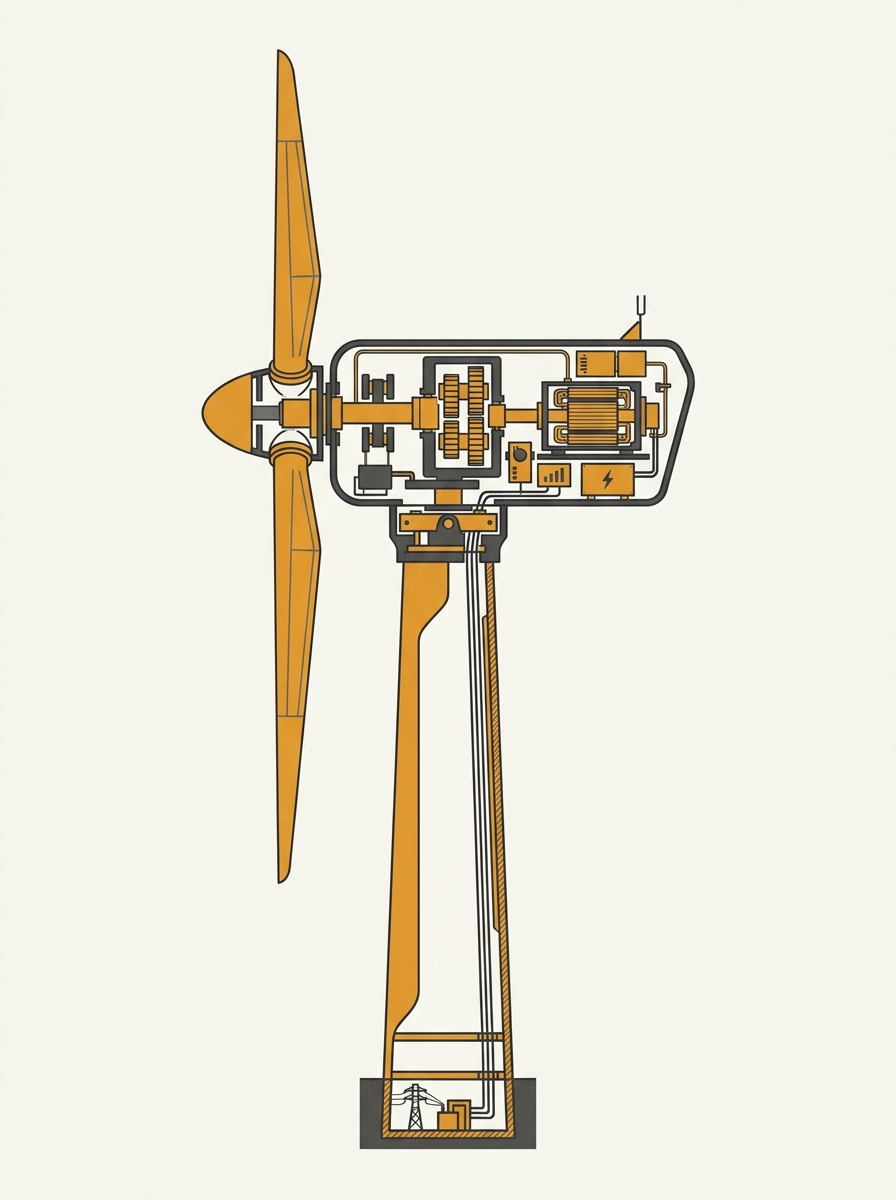
How Wind Turbines Generate Electricity
HOW IT WORKS
Wind pushes the large rotor blades round
The blades are connected to a shaft inside the nacelle
The shaft spins a gearbox which speeds up the rotation
The gearbox connects to a generator (just like the one on the last slide)
Inside the generator, a coil of wire spins between magnets
This produces AC electricity which travels down the tower through cables
Wind turbines produce AC electricity — the same type as a power station generator.
Rotor Blades
Nacelle
Gearbox
Generator
Tower
Base / Foundation
How Batteries Produce DC Electricity
Non-Rechargeable Batteries (Zinc-Carbon)
Rechargeable Batteries
Lithium-Ion Batteries
Used in phones, laptops and electric cars
Lightweight and can store lots of energy
The chemical reaction inside is reversible
When you charge it, electricity forces the reaction to go backwards — restoring the chemicals
This lets you reuse the battery hundreds of times
Lead-Acid Batteries
Used in car batteries to start the engine
Heavier than lithium-ion but very reliable
Also uses a reversible chemical reaction
Charging pushes current the opposite way through the battery, reversing the reaction
Why can they be recharged?
Because the chemical reactions inside are reversible. Passing electricity back through the battery puts the chemicals back to their original state, ready to react again.
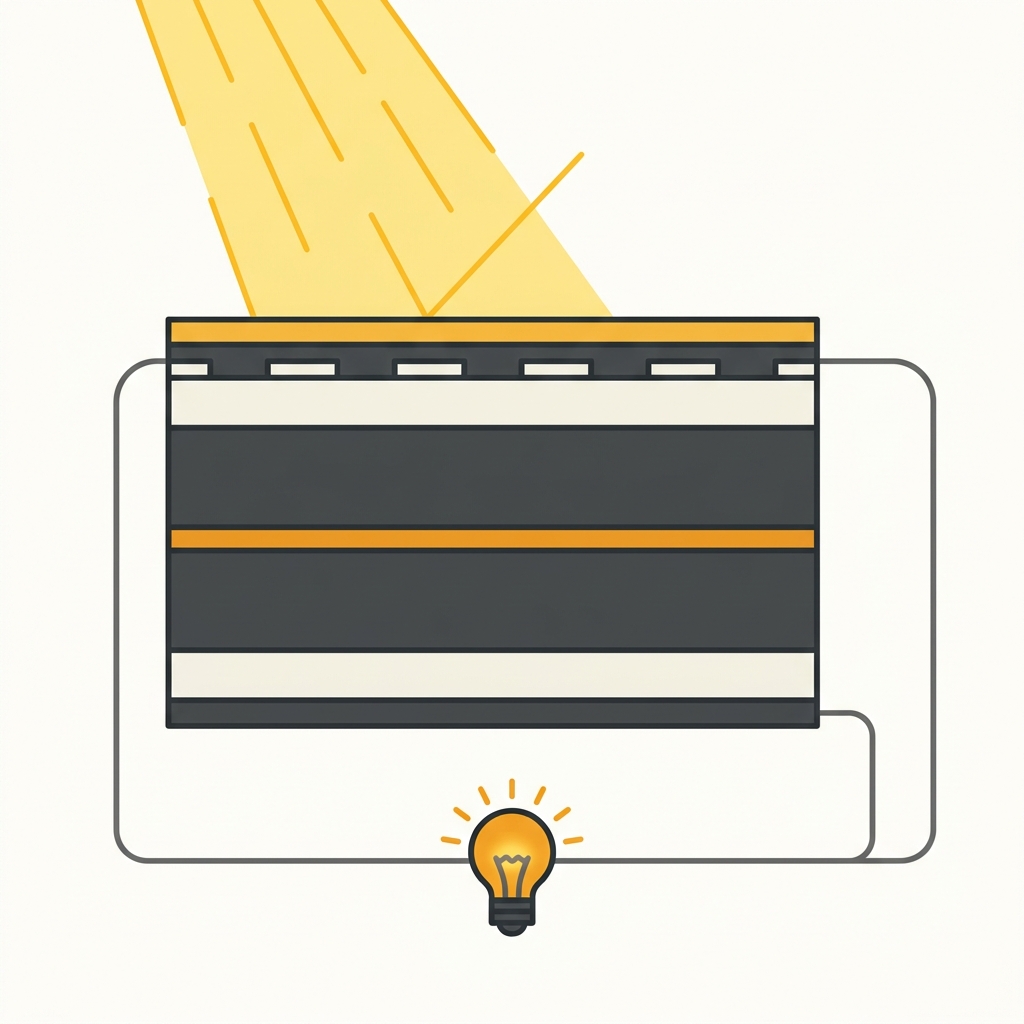
Solar (Photovoltaic) Cells
Photovoltaic (PV) cells turn light energy directly into electrical energy
Solar cells are made from silicon crystals
When light (photons) hits the silicon, it knocks electrons loose
These free electrons are pushed in one direction by the structure of the cell
They flow around the circuit as a direct current (DC)
No moving parts — no generator needed
The harder the light shines, the more electrons are released and the more current is produced
Solar cells produce DC electricity — the same as a battery.
Ohm's Law: V = IR
2B.P6 — Using V = IR in Circuit Investigations
V = IR
V = I × R
I = V ÷ R
R = V ÷ I
In our practical, we changed the voltage and measured the current to work out the resistance of a resistor using V = IR.
The National Grid
How Electricity Gets to Our Homes
The national grid is the network of cables and transformers that carry electricity from power stations to our homes and businesses all across the country.
Renewable vs Non-Renewable Energy Sources
2B.M4 — Comparing Efficiency and Environmental Impact
Wind, Solar, Hydroelectric, Tidal
Coal, Oil, Gas (Fossil Fuels), Nuclear
Data from BTEC Applied Science textbook and government energy data sheets.
Environmental Impacts of Generating Electricity
Wind Turbines
Wind turbines can be really noisy and a lot of people think they ruin the look of the countryside. They also sometimes kill birds that fly into the blades.
Hydroelectric Dams
Building a dam floods huge areas of land which destroys habitats and can force people out of their homes. It also changes the river ecosystem downstream.
Nuclear Power
Nuclear power produces radioactive waste that stays dangerous for thousands of years. Storing it safely is a massive problem and there is always a risk of accidents like Chernobyl.
Fossil Fuels
Burning coal, oil and gas produces CO₂ (which causes climate change) and SO₂ (which causes acid rain). Acid rain damages forests, kills fish in lakes and corrodes buildings.
Minimising Energy Losses in the National Grid
2B.M5 — Qualitative Assessment
What causes the energy loss?
When electricity flows through a wire, the resistance of the wire causes it to heat up. This heat is wasted energy — the thinner or longer the wire, the more energy is lost.
What if we used 25,000V?
At 25,000V, the current in the cables would be very high. A high current means a LOT of heating in the wires — so huge amounts of energy would be wasted as heat before it even reaches our homes.
Step-Up Transformer (at the power station)
After the power station, a step-up transformer increases the voltage to 400,000V. When voltage goes up, current goes down (since power = V × I and power stays the same).
Why does 400,000V reduce energy loss?
A much lower current means much less heating in the cables. This massively reduces wasted energy over the long distances the electricity has to travel.
Step-Down Transformer (near homes)
Before electricity reaches our homes, a step-down transformer reduces it back to 240V — a safe voltage for household appliances.
Quantitative Energy Loss Calculations
2B.D4 — Using Numbers to Minimise Energy Losses
- electricity
- physics
- national-grid
- renewable-energy
- transformers
- ohms-law
- power-generation