

Made byBobr AI

The Roman Empire: Rise, Rule & Fall of the World's Power

Explore the history of the Roman Empire, from the legend of Romulus & Remus to the Pax Romana, Julius Caesar, and its lasting legacy on modern law and culture.

#ancient-rome#history#julius-caesar#roman-empire#ancient-civilization#education#classical-studies
Watch
Pitch
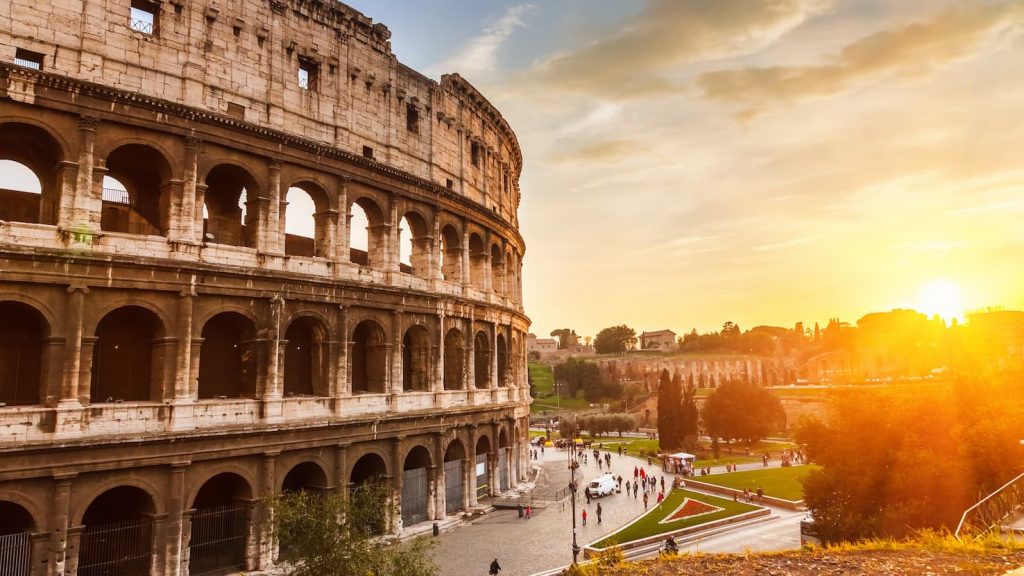
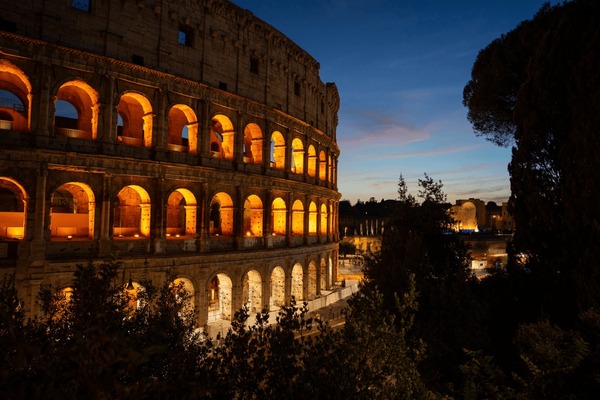
Colosseum at dusk
HISTORY · CIVILIZATION · LEGACY

THE ROMAN
EMPIRE

Rise, Rule & Fall of the Ancient World's Greatest Power

Made byBobr AI
CHAPTER 01

Origins of Rome

Founded in 753 BC, according to Roman tradition, by Romulus on the Palatine Hill

Grew from a small Latin village along the Tiber River into a powerful city-state

The legend of Romulus & Remus — twin brothers raised by a she-wolf — became the symbol of Roman resilience

753 BC
Traditional founding year of the Roman Kingdom
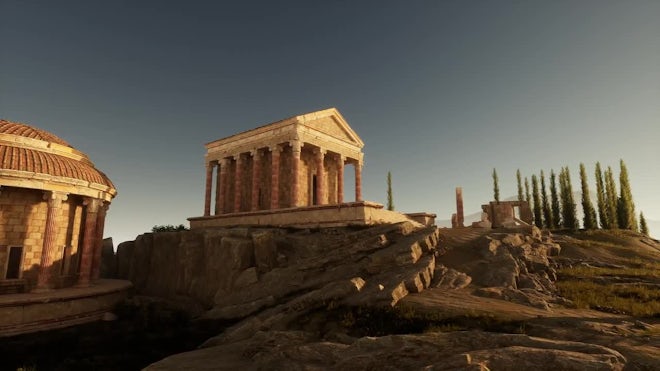
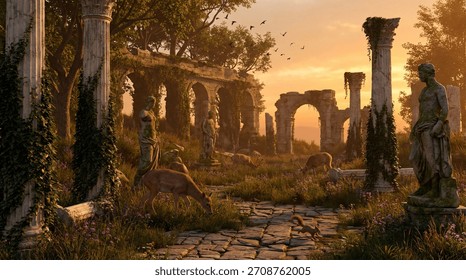
Roman Ruins at Golden Hour
Made byBobr AI
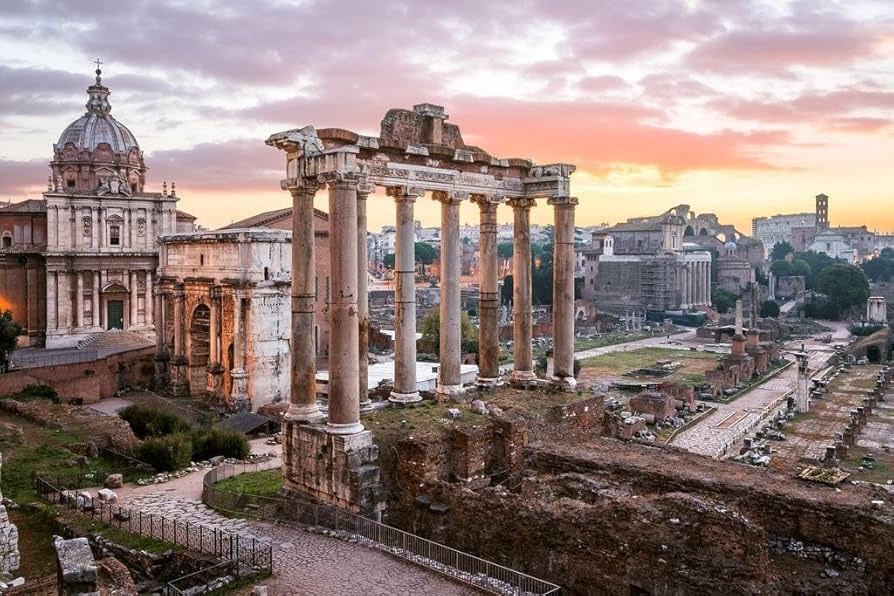
Roman Forum Ruins
CHAPTER 02

The Roman Republic

01

509 BC — Republic Founded

Overthrow of the last Roman king, Tarquin the Proud, establishing a Senate-led republic

02

The Senate

300 senators governed Rome, passing laws, controlling finances, and directing foreign policy

03

Twelve Tables

Rome's first written legal code (450 BC), forming the foundation of modern Western law

Made byBobr AI
CHAPTER 03

Julius Caesar

The Man Who Changed Rome Forever

Conqueror of Gaul

Caesar's military campaigns (58–50 BC) expanded Rome's territory dramatically

Crossing the Rubicon

In 49 BC, Caesar declared civil war, marching his army into Rome

Assassination

Stabbed 23 times on the Ides of March (March 15, 44 BC) by Roman senators

"Veni, Vidi, Vici — I came, I saw, I conquered."

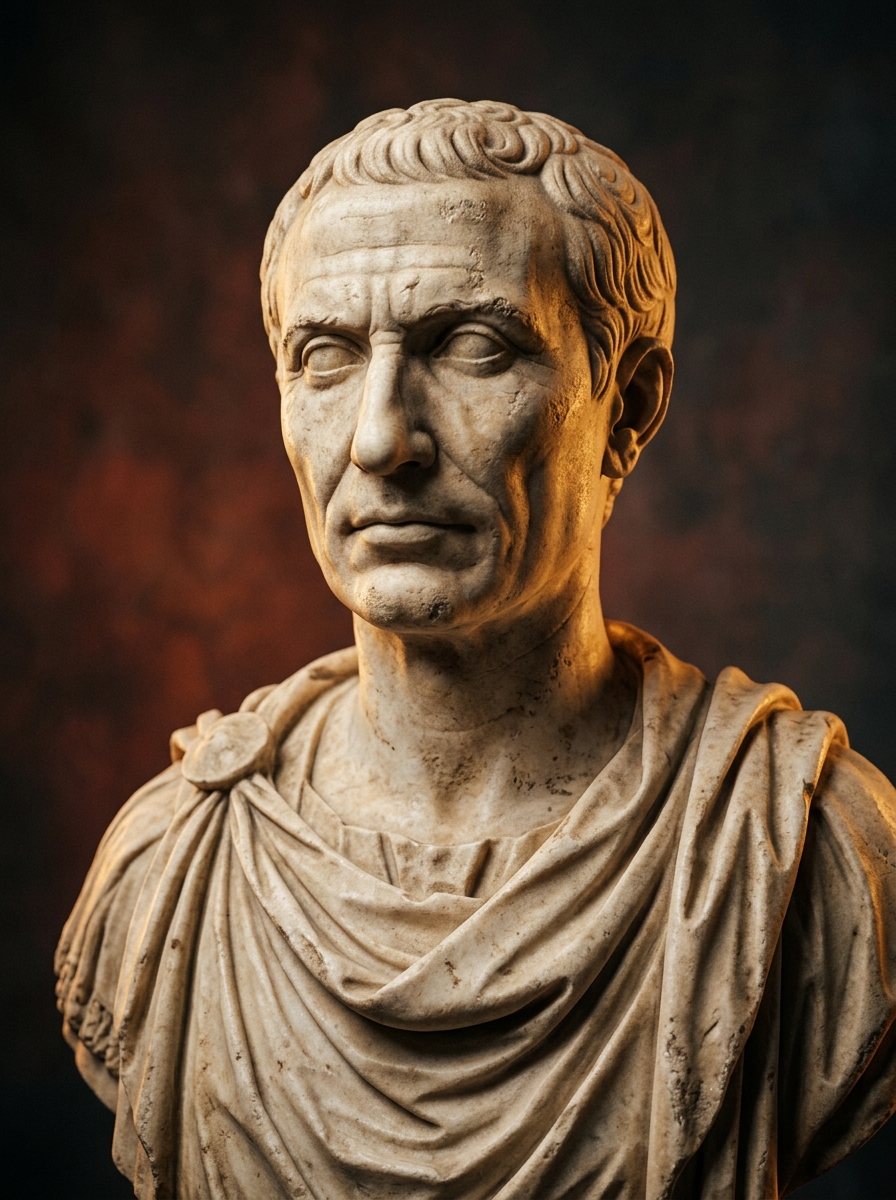
Julius Caesar marble bust
Made byBobr AI
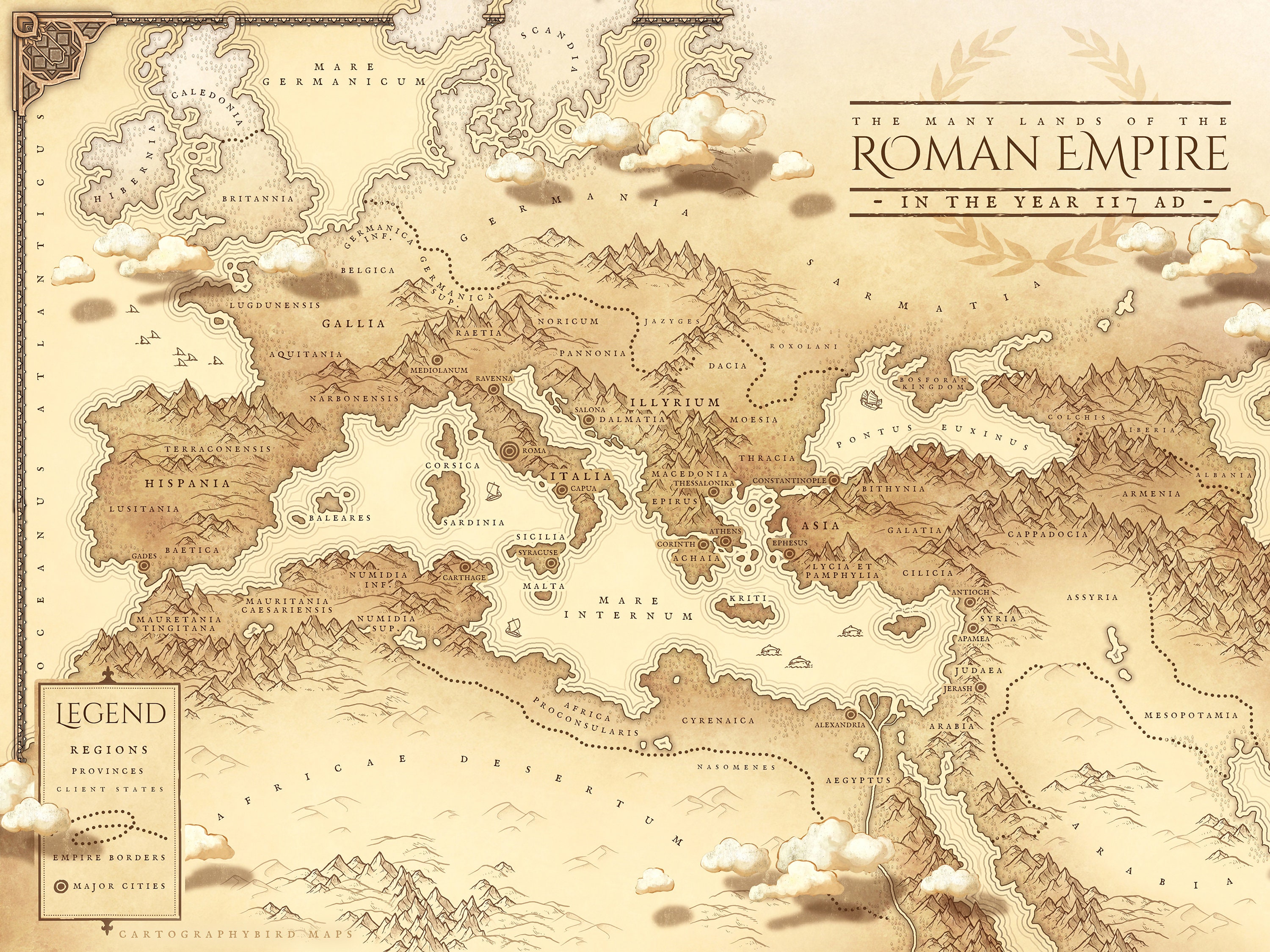
Map of Roman Empire
CHAPTER 04

The Pax Romana

200 Years of Peace & Prosperity (27 BC – 180 AD)

70 MILLION
Population at peak
5 MILLION KM²
Territory at greatest extent
200 YEARS
Duration of the Pax Romana
29 LEGIONS
Standing military force
Made byBobr AI
CHAPTER 05

Roman Engineering Marvels

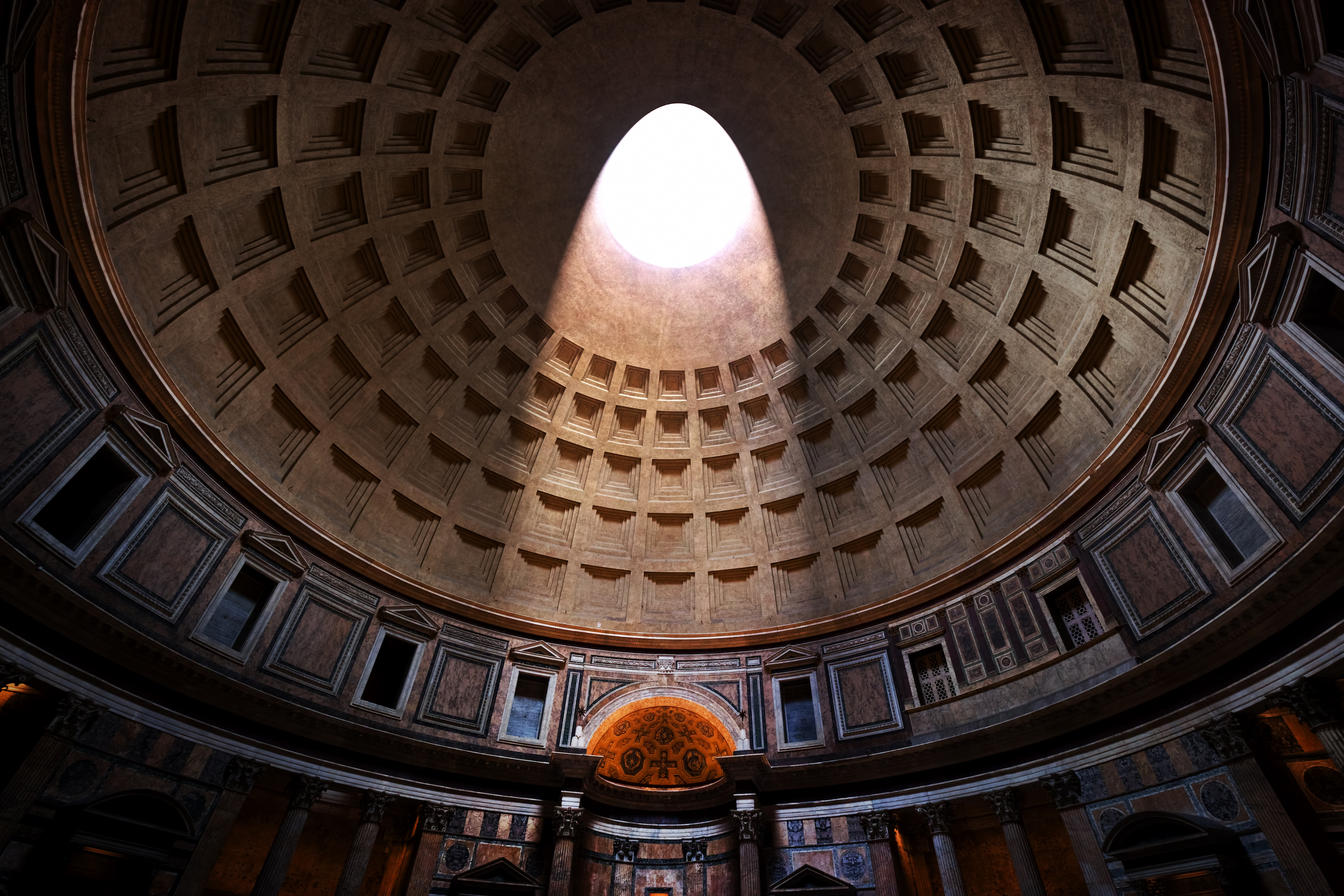
The Pantheon

The Pantheon

Built in 125 AD, its unreinforced concrete dome remains the world's largest for 1,300 years

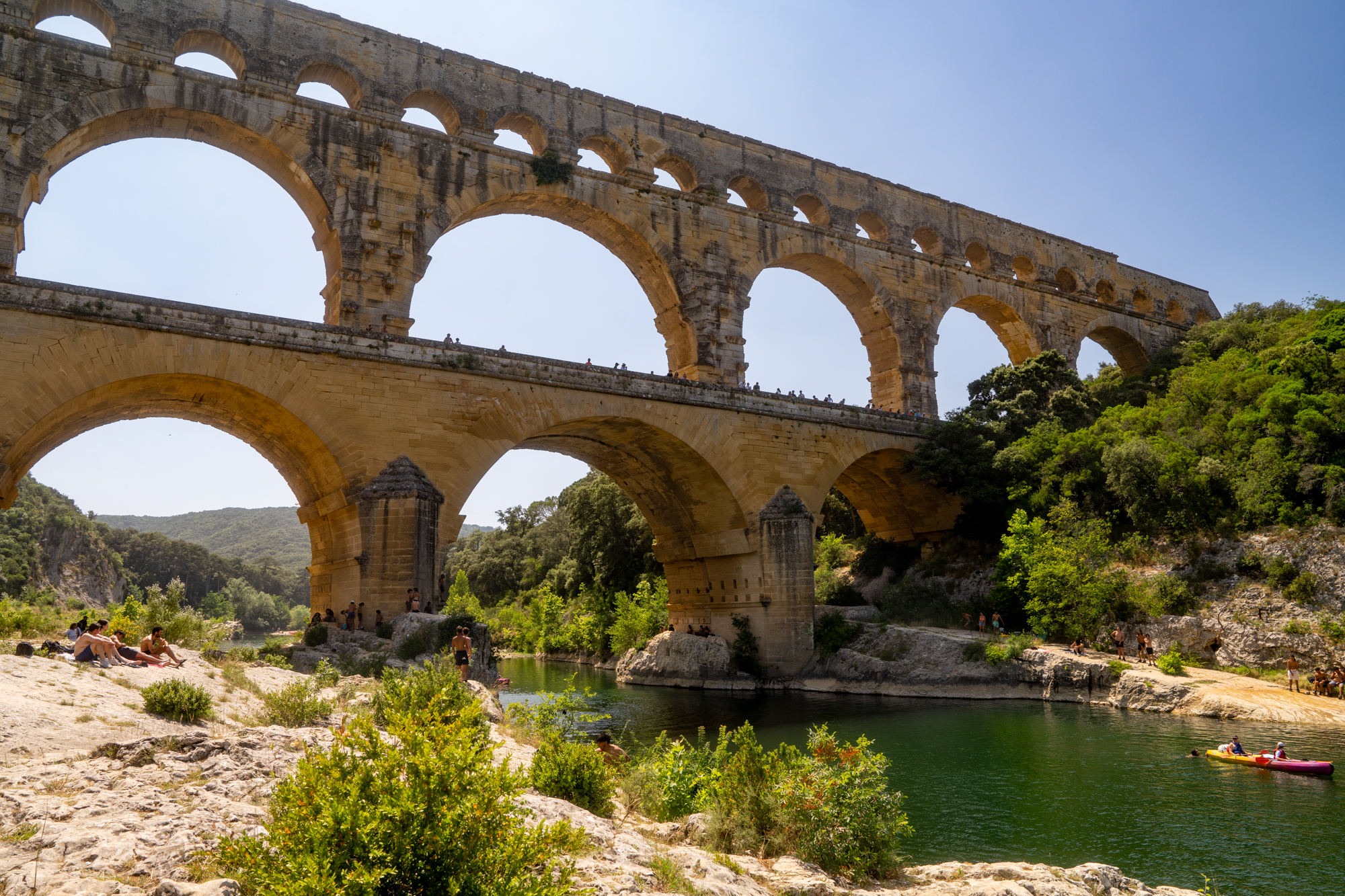
Roman Aqueduct

The Aqueducts

Over 400 km of aqueducts supplied Rome with 1 million cubic meters of fresh water daily

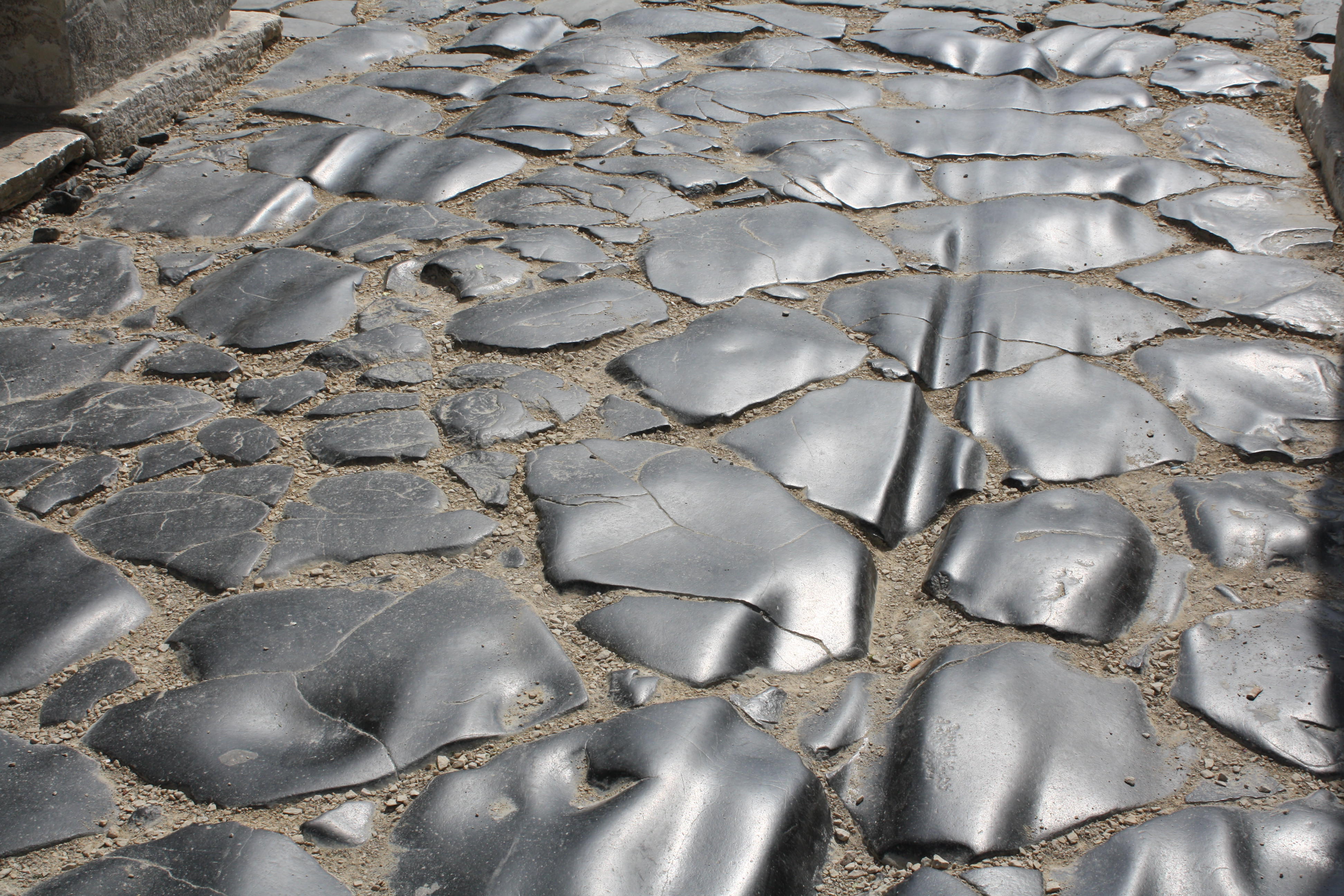
Roman Roads

Roman Roads

Over 85,000 km of roads connected the empire — many still exist today

Made byBobr AI
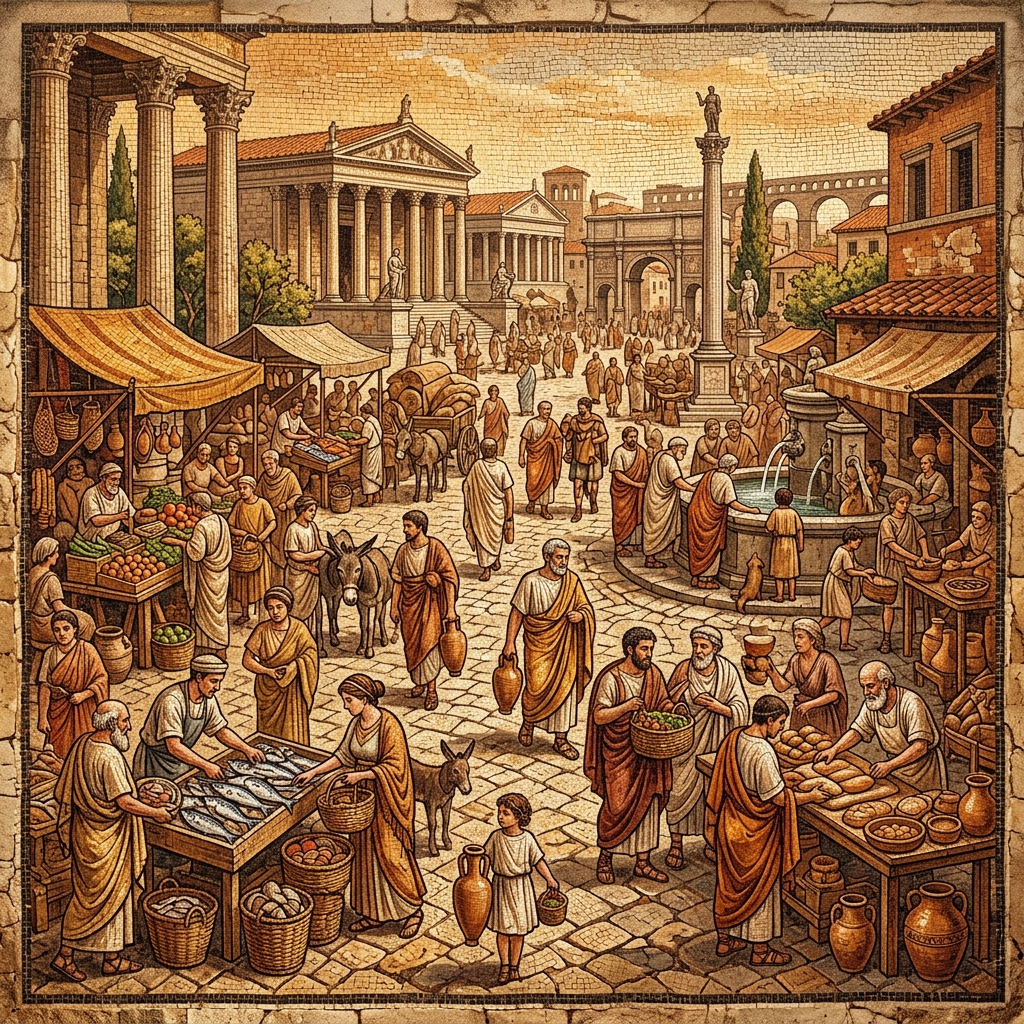
Roman daily life mosaic
CHAPTER 06

Life in Ancient Rome

Society

Divided into patricians (elite) and plebeians (common people), with slaves forming ~30% of the population

Gladiatorial Games

The Colosseum held 80,000 spectators for public games, a tool for political control

Religion

Polytheistic worship of gods like Jupiter, Mars & Venus; later adopted Christianity under Constantine

Language

Latin became the lingua franca of the Western world, forming the root of all Romance languages

Made byBobr AI
Fall of Rome Ruins
CHAPTER 07

The Fall of Rome

395 AD — The Empire Splits. 476 AD — The West Falls.

Economic Crisis
Currency devaluation
Military Overstretch
Stretched mercenaries
Political Instability
Constant civil wars
Barbarian Invasions
Visigoths and Vandals
Made byBobr AI
CHAPTER 08

Rome’s Lasting Legacy

Democracy & Law

The Senate and Roman law are foundations of modern governance

Romance Languages

Latin evolved into French, Spanish, Italian, Portuguese, Romanian

Architecture

Arches, domes, and concrete construction still define cityscapes

Christianity

The Roman Empire spread Christianity across Europe and beyond

The Calendar

The Julian Calendar reformed by Julius Caesar is the basis of our modern calendar

Urban Planning

Grid-based cities, sewage systems & roads shaped modern urban design

Made byBobr AI
Colosseum at night
CONCLUSION

An Empire That
Shaped the World

Rome did not fall — it transformed. Its language, laws, architecture, and ideas live on in virtually every modern civilization.

Wreath Divider
SPQR
The Senate and People of Rome
Made byBobr AI
Bobr AI

DESIGNER-MADE
PRESENTATION,
GENERATED FROM
YOUR PROMPT

Create your own professional slide deck with real images, data charts, and unique design in under a minute.

Generate For Free

The Roman Empire: Rise, Rule & Fall of the World's Power

Explore the history of the Roman Empire, from the legend of Romulus & Remus to the Pax Romana, Julius Caesar, and its lasting legacy on modern law and culture.

HISTORY · CIVILIZATION · LEGACY

THE ROMAN

EMPIRE

Rise, Rule & Fall of the Ancient World's Greatest Power

CHAPTER 01

Origins of Rome

Founded in 753 BC, according to Roman tradition, by Romulus on the Palatine Hill

Grew from a small Latin village along the Tiber River into a powerful city-state

The legend of Romulus & Remus — twin brothers raised by a she-wolf — became the symbol of Roman resilience

753 BC

CHAPTER 02

The Roman Republic

509 BC — Republic Founded

Overthrow of the last Roman king, Tarquin the Proud, establishing a Senate-led republic

The Senate

300 senators governed Rome, passing laws, controlling finances, and directing foreign policy

Twelve Tables

Rome's first written legal code (450 BC), forming the foundation of modern Western law

CHAPTER 03

Julius Caesar

The Man Who Changed Rome Forever

Conqueror of Gaul

Caesar's military campaigns (58–50 BC) expanded Rome's territory dramatically

Crossing the Rubicon

In 49 BC, Caesar declared civil war, marching his army into Rome

Assassination

Stabbed 23 times on the Ides of March (March 15, 44 BC) by Roman senators

Veni, Vidi, Vici — I came, I saw, I conquered.

CHAPTER 04

The Pax Romana

200 Years of Peace & Prosperity (27 BC – 180 AD)

70 MILLION

Population at peak

5 MILLION KM²

Territory at greatest extent

200 YEARS

Duration of the Pax Romana

29 LEGIONS

Standing military force

CHAPTER 05

Roman Engineering Marvels

The Pantheon

Built in 125 AD, its unreinforced concrete dome remains the world's largest for 1,300 years

The Aqueducts

Over 400 km of aqueducts supplied Rome with 1 million cubic meters of fresh water daily

Roman Roads

Over 85,000 km of roads connected the empire — many still exist today

CHAPTER 06

Life in Ancient Rome

Society

Divided into patricians (elite) and plebeians (common people), with slaves forming ~30% of the population

Gladiatorial Games

The Colosseum held 80,000 spectators for public games, a tool for political control

Religion

Polytheistic worship of gods like Jupiter, Mars & Venus; later adopted Christianity under Constantine

Language

Latin became the lingua franca of the Western world, forming the root of all Romance languages

CHAPTER 07

The Fall of Rome

395 AD — The Empire Splits. 476 AD — The West Falls.

Economic Crisis

Currency devaluation

Military Overstretch

Stretched mercenaries

Political Instability

Constant civil wars

Barbarian Invasions

Visigoths and Vandals

CHAPTER 08

Rome’s Lasting Legacy

Democracy & Law

The Senate and Roman law are foundations of modern governance

Romance Languages

Latin evolved into French, Spanish, Italian, Portuguese, Romanian

Architecture

Arches, domes, and concrete construction still define cityscapes

Christianity

The Roman Empire spread Christianity across Europe and beyond

The Calendar

The Julian Calendar reformed by Julius Caesar is the basis of our modern calendar

Urban Planning

Grid-based cities, sewage systems & roads shaped modern urban design

CONCLUSION

An Empire That<br/>Shaped the World

Rome did not fall — it transformed. Its language, laws, architecture, and ideas live on in virtually every modern civilization.

SPQR

The Senate and People of Rome

  • ancient-rome
  • history
  • julius-caesar
  • roman-empire
  • ancient-civilization
  • education
  • classical-studies