







Made byBobr AI

Parental Denial, Acceptance, and Autism Support in Canada

Learn how parental perception of autism diagnoses shapes access to healthcare and education systems in Canada through this research proposal summary.

#autism-support#canada-healthcare#parental-denial#qualitative-research#sociology#disability-studies#systems-of-care
Watch
Pitch

Navigating Systems of Care: How Parental Denial and Acceptance Shape Access to Autism Support in Canada

SOSA3403: Qualitative and Field Methods | Dream Proposal Seminar


Ava Little

May 1, 2026 | Dalhousie University

Artwork of interconnected humans suggesting network of care
Made byBobr AI

Research Focus

How do families navigate systems of care for autism over time?

Limited research on what happens AFTER diagnosis — how families move through healthcare, education, and institutions

In Canada, support spans a broad network: schools, workplaces, healthcare institutions

Families must navigate multiple complex systems, each with its own barriers

Key focus: How parental denial OR acceptance of autism diagnosis shapes access to support

Diagram of interconnected circles mapping a pathway
Made byBobr AI

Why This Matters

Access to autism support is not equal

Parents become coordinators of care — navigating multiple complex systems

Families face psychological stress, stigma, and lack of support

Gap exists between what families NEED and what systems PROVIDE

Improving support = not just more resources, but making systems easier to navigate

Artwork showing gap and navigation
Made byBobr AI

Literature Review

Slide 4 / 12

Geographical Barriers

Rural families face delays: limited access to specialists, knowledge gaps, staffing issues

Economic Barriers

Financial resources determine access to private services; others wait years

Institutional Barriers

Fragmented systems, lack of coordination across services

The Gap

Limited research on how parental PERCEPTION (denial/acceptance) shapes navigation over time → This is what this study addresses

References: Min. 7 external scholarly papers referenced (Cermak et al., Fong et al., Zeidan et al., Coombs et al., Naicker et al., Chun et al., Lamoureux & Seifert)

Made byBobr AI

Methodology

Reflexive Ethnographic Approach — Burawoy's Extended Case Method

Connects individual experience to larger social structures

Knowledge is produced through INTERACTION between researcher and participants — not detached observation

Recognizes that power dynamics influence what is shared and how experiences are understood

Reflexive vs. Positive Science: Reflexive science embraces context and interaction for deeper understanding of lived experience

Visual representing researcher-participant interaction

"Research through this lens is a conversation between the observer and the observed" — Burawoy, 1998

Made byBobr AI

Methods

SEMI-STRUCTURED INTERVIEWS (primary)

Guided questions + space for participants to share in their own words. ~45 min each.

STRUCTURED QUESTIONNAIRES

Allow comparison across participant groups (Likert scale + open-ended).

UNSTRUCTURED INTERVIEWS

Natural conversations for sensitive topics: denial, family dynamics, conflict.

PILE SORTING

Participants group concept cards (e.g. 'denial,' 'waitlists,' 'stress') to reveal how they understand their experiences.

Made byBobr AI

Sample

Total: 60 Participants Across Canada

15

Parents

potentially in denial

15

Parents

who have accepted the diagnosis

15

Autistic Young Adults

ages 20–30

15

Practitioners

healthcare providers, educators, accessibility staff

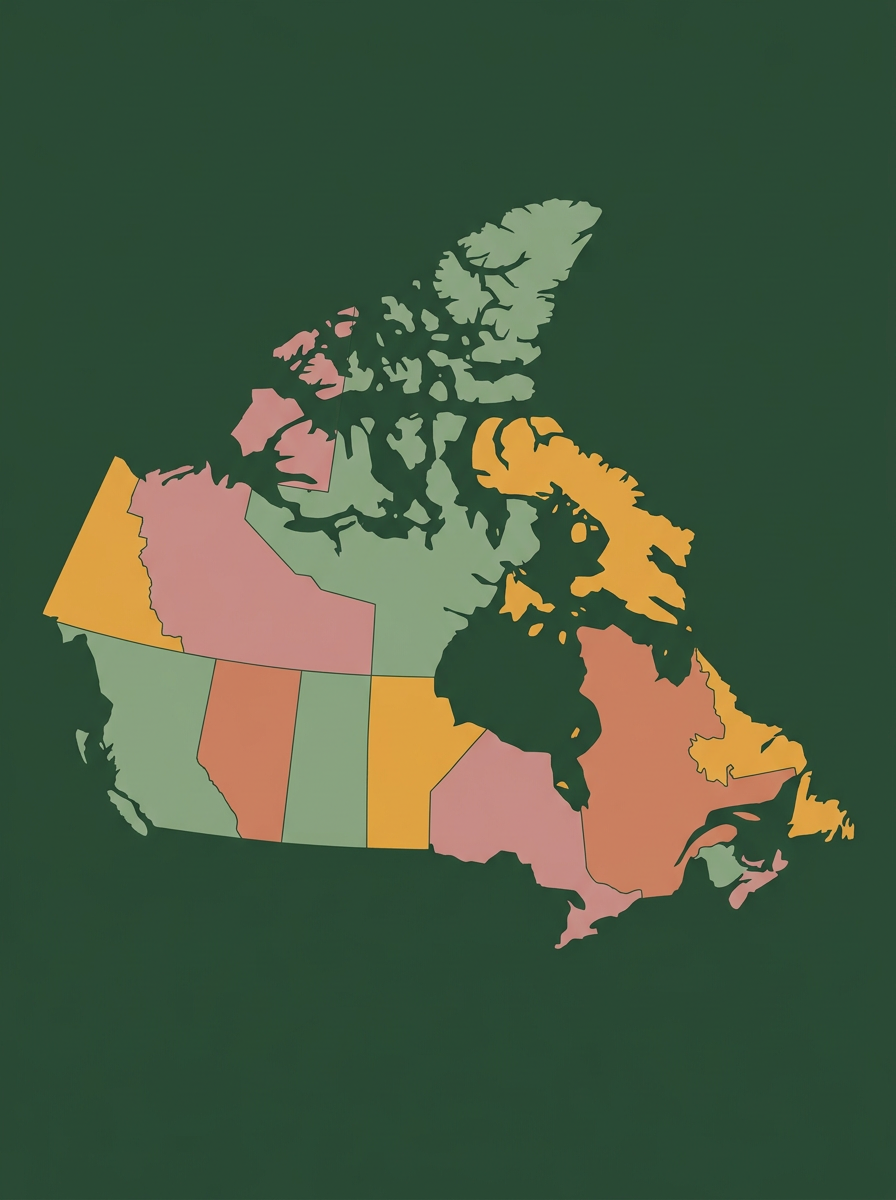
Ontario British Columbia Quebec Nova Scotia
Map of Canada highlighted in warm tones

Research Purpose

Enables comparison across different provincial policy systems and access structures

Made byBobr AI

Ethics

Sensitive topic — emotional hardships when discussing diagnosis, denial, family conflict
Voluntary participation
Informed consent required
Participants may withdraw at any time
Non-judgmental interview approach
Confidentiality — identifying information removed

Reflexive approach — participants are not data points, but individuals with valuable experiences. Power imbalances acknowledged.

Protective safe circle of abstract humans
Made byBobr AI

Budget

3-Year Multi-Site Study | Estimated Total: ~$200,000 CAD

Living costs (3 years)
~$150,000
Travel between provinces
~$8,814
Transcription services (GoTranscript)
~$4,400
Qualitative analysis software (NVivo)
~$4,275
Participant compensation (60 × $50)
~$3,000
Research assistant (500 hrs)
~$10,000
Dissemination / conferences
~$6,000
Open access publishing
~$3,000
Equipment & supplies
~$2,000+
Estimated Total
~$200,000 CAD

Note: Budget reflects scope of a large-scale qualitative research project across Canada

Made byBobr AI

Limitations

Parents in denial may be difficult to recruit — they may feel judged or avoid sensitive topics
Social desirability bias — participants may respond in expected ways rather than honestly
Qualitative findings are not fully generalizable — depth over breadth is the goal
Consistent with existing qualitative research limitations (Bernard, 2017)

Purposive + snowball sampling used to address recruitment challenges

Abstract artwork suggesting complexity and caution
Made byBobr AI

Conclusion

1

Barriers to autism support are NOT only structural — they are also shaped by everyday relationships, communication, and perception

2

Parents play a central role as decision-makers AND navigators of care

3

Parental denial, uncertainty, or acceptance DIRECTLY influences access to support

4

Shifts focus: barriers are produced through interaction between families and institutions — not just top-down systems

Parent and child walking through archway
Made byBobr AI

Significance & Dissemination

Key Significance

Explains WHY access to autism support remains unequal — even when resources exist
Improving access requires: policy change + better communication + collaboration + family support
Shifts perspective: barriers arise through interaction, not just structure

Dissemination

Academic journals
Conference presentations
Community reports (accessible beyond academic spaces)
Online summaries for families
Watercolor artwork of collaborative hands

"This research is for the families, practitioners, and autistic individuals who navigate these systems every day."


Thank you | Questions? | Ava Little | SOSA3403

Made byBobr AI
Bobr AI

DESIGNER-MADE
PRESENTATION,
GENERATED FROM
YOUR PROMPT

Create your own professional slide deck with real images, data charts, and unique design in under a minute.

Generate For Free

Parental Denial, Acceptance, and Autism Support in Canada

Learn how parental perception of autism diagnoses shapes access to healthcare and education systems in Canada through this research proposal summary.

Navigating Systems of Care: How Parental Denial and Acceptance Shape Access to Autism Support in Canada

SOSA3403: Qualitative and Field Methods | Dream Proposal Seminar

Ava Little

May 1, 2026 | Dalhousie University

Research Focus

How do families navigate systems of care for autism over time?

Limited research on what happens AFTER diagnosis — how families move through healthcare, education, and institutions

In Canada, support spans a broad network: schools, workplaces, healthcare institutions

Families must navigate multiple complex systems, each with its own barriers

Key focus: How parental denial OR acceptance of autism diagnosis shapes access to support

Why This Matters

Access to autism support is not equal

Parents become coordinators of care — navigating multiple complex systems

Families face psychological stress, stigma, and lack of support

Gap exists between what families NEED and what systems PROVIDE

Improving support = not just more resources, but making systems easier to navigate

Literature Review

Geographical Barriers

Rural families face delays: limited access to specialists, knowledge gaps, staffing issues

Economic Barriers

Financial resources determine access to private services; others wait years

Institutional Barriers

Fragmented systems, lack of coordination across services

The Gap

Limited research on how parental <strong style="font-weight: 800;">PERCEPTION</strong> (denial/acceptance) shapes navigation over time → <span style="font-style: italic;">This is what this study addresses</span>

Min. 7 external scholarly papers referenced (Cermak et al., Fong et al., Zeidan et al., Coombs et al., Naicker et al., Chun et al., Lamoureux & Seifert)

Methodology

Reflexive Ethnographic Approach — Burawoy's Extended Case Method

Connects individual experience to larger social structures

Recognizes that power dynamics influence what is shared and how experiences are understood

Research through this lens is a conversation between the observer and the observed

Burawoy, 1998

Methods

SEMI-STRUCTURED INTERVIEWS

(primary)

Guided questions + space for participants to share in their own words. ~45 min each.

STRUCTURED QUESTIONNAIRES

Allow comparison across participant groups (Likert scale + open-ended).

UNSTRUCTURED INTERVIEWS

Natural conversations for sensitive topics: denial, family dynamics, conflict.

PILE SORTING

Participants group concept cards (e.g. 'denial,' 'waitlists,' 'stress') to reveal how they understand their experiences.

Sample

Total: 60 Participants Across Canada

Enables comparison across different provincial policy systems and access structures

Ethics

Sensitive topic — emotional hardships when discussing diagnosis, denial, family conflict

Voluntary participation

Informed consent required

Participants may withdraw at any time

Non-judgmental interview approach

Confidentiality — identifying information removed

Reflexive approach — participants are not data points, but individuals with valuable experiences. Power imbalances acknowledged.

Budget

3-Year Multi-Site Study | Estimated Total: ~$200,000 CAD

Living costs (3 years)

~$150,000

Travel between provinces

~$8,814

Transcription services (GoTranscript)

~$4,400

Qualitative analysis software (NVivo)

~$4,275

Participant compensation (60 × $50)

~$3,000

Research assistant (500 hrs)

~$10,000

Dissemination / conferences

~$6,000

Open access publishing

~$3,000

Equipment & supplies

~$2,000+

Estimated Total

~$200,000 CAD

Budget reflects scope of a large-scale qualitative research project across Canada

Limitations

Parents in denial may be difficult to recruit — they may feel judged or avoid sensitive topics

Social desirability bias — participants may respond in expected ways rather than honestly

Qualitative findings are not fully generalizable — depth over breadth is the goal

Consistent with existing qualitative research limitations (Bernard, 2017)

Purposive + snowball sampling used to address recruitment challenges

Conclusion

Barriers to autism support are NOT only structural — they are also shaped by everyday relationships, communication, and perception

Parents play a central role as decision-makers AND navigators of care

Parental denial, uncertainty, or acceptance DIRECTLY influences access to support

Shifts focus: barriers are produced through interaction between families and institutions — not just top-down systems

Significance & Dissemination

Explains WHY access to autism support remains unequal — even when resources exist

Improving access requires: policy change + better communication + collaboration + family support

Shifts perspective: barriers arise through interaction, not just structure

Academic journals

Conference presentations

Community reports (accessible beyond academic spaces)

Online summaries for families

This research is for the families, practitioners, and autistic individuals who navigate these systems every day.

Ava Little

SOSA3403

  • autism-support
  • canada-healthcare
  • parental-denial
  • qualitative-research
  • sociology
  • disability-studies
  • systems-of-care