












Made byBobr AI

Stewardship of the Environment: A Religious Perspective

Explore environmental stewardship through biblical teachings and Bahamian conservation, covering pollution, global warming, and local wetland protection.

#environmental-stewardship#the-bahamas#religion#conservation#pollution#global-warming#wetlands#mangroves
Watch
Pitch
Forest landscape
Gold leaf Gold cross
A Religion Class Presentation

Stewardship of the Environment

Aiden Brian Maddison Nelson
Genesis 1:26-31 Environmental Care Conservation
Made byBobr AI
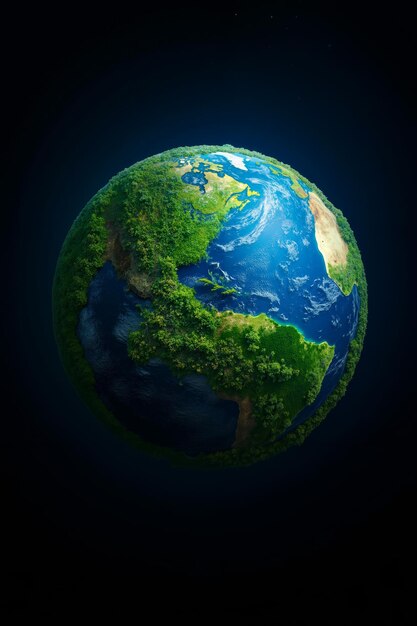
Earth from space

Introduction: God's Creation & Human Responsibility

Opening Context: In Genesis 1 & 2, God created man and gave him dominion over creation.

From the beginning, man was given the responsibility of being in charge of the environment, entrusted to utilize it responsibly for his well-being.

Human beings have continually depended on the environment for survival. In the past, prior to advanced industrialization, the environment was able to naturally sustain itself.

The Modern Threat Today, the environment is under serious threat from increased population levels, alongside rising demands for food, energy, technology, and non-renewable resources.

Made byBobr AI
Open Bible
Genesis 1:26-31

Stewardship

Christians believe God created the world and everything in it (Genesis 1 & 2).

God created human beings on the sixth day with a specific purpose. According to Genesis 2:15, "The Lord God took man and put him in the Garden of Eden to till it and keep it."

Key Scripture

"Let us make man in our image, after our likeness; and let them have dominion over the fish of the sea, and over the fowl of the air, and over the cattle, and over all the earth"

— Genesis 1:26

Three Human Responsibilities

I. To control creation
II. To cultivate and guard/protect it from harm
III. To be good stewards
Stewardship Environmental Care Dominion & Protection
Made byBobr AI
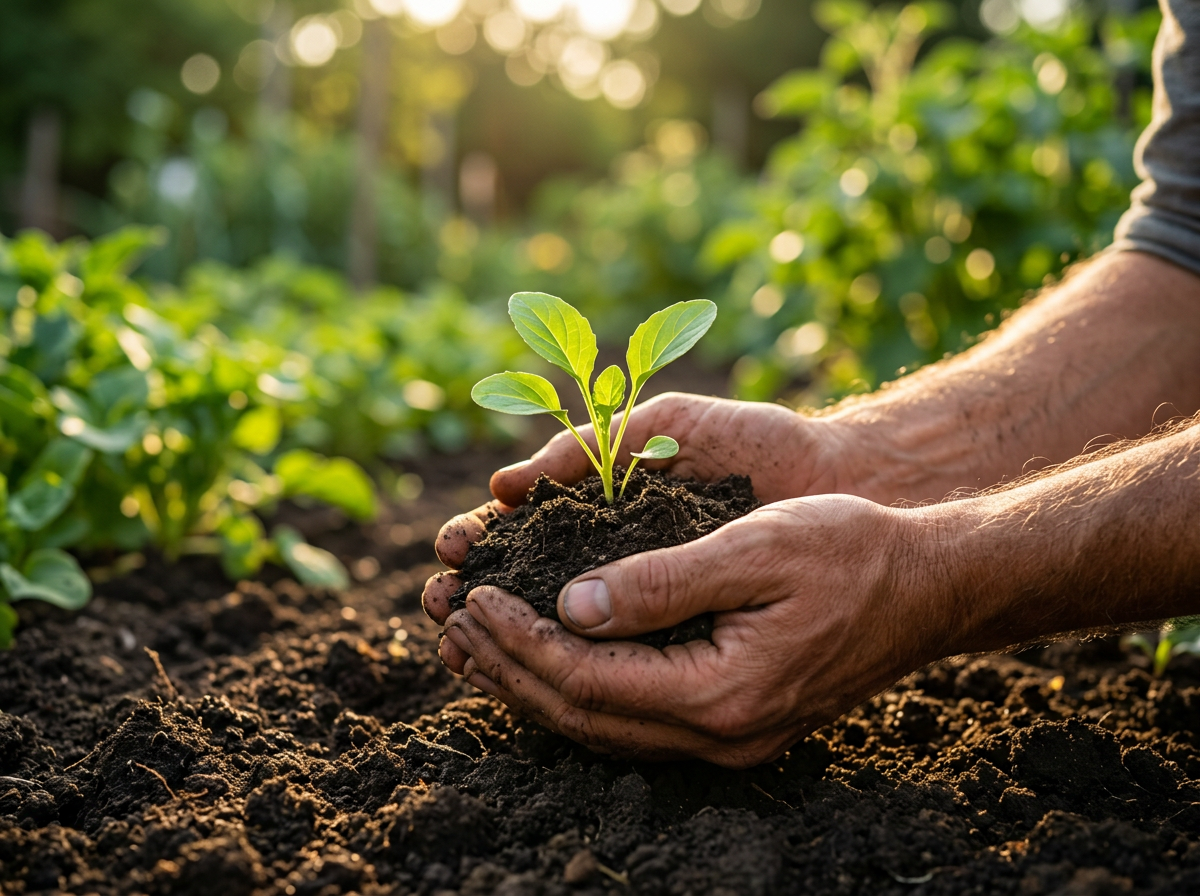
Caring for plant

What is a Steward?

A steward is someone entrusted with the care of something on behalf of someone else
bullet
Human beings are caretakers and trustees of creation, entrusted to care for the planet on behalf of God.
bullet
We are accountable to God for how we care for creation and maintain it for future generations.
bullet
Stewardship is tied with the sanctity of life — life is a gift from God. No human being has any right to destroy it.
bullet
Stewardship includes biological life and nature — the earth is a living organism.

OLD TESTAMENT COMMANDS

Israelites allowed land to rest every 50 years (Lev 25); Farmers let fields lay fallow on the 7th year (Ex 23)
Even during war, do not destroy trees (Deuteronomy 20:19)
"The earth is the Lord's and the fullness thereof; the world, and they that dwell therein"
— PSALM 24:1
Made byBobr AI
Background
Alert Icon

Environmental Degradation

Environment

The surroundings or conditions in which a person, animal or plant lives and operates; conditions that affect the growth, health and progress of living things.

Environmental Degradation

Any change or disturbance of the environment considered to be undesirable.

UNISDR Definition

"The reduction of the capacity of the environment to meet social and ecological objectives and needs."

Alert

Modern Threat

Today due to modern science and technology, the environment is severely threatened, which compromises the ability of the planet to sustain life.

Pollution

The introduction of contaminants into the natural environment that causes adverse change to human health or harm to living resources and ecological systems.

Pollutants Include

Industrial effluents, poisonous gases, industrial waste, nuclear wastes, radioactive materials, exhaust gases, fertilizers, pesticides, insecticides.

Made byBobr AI

Types of Pollution

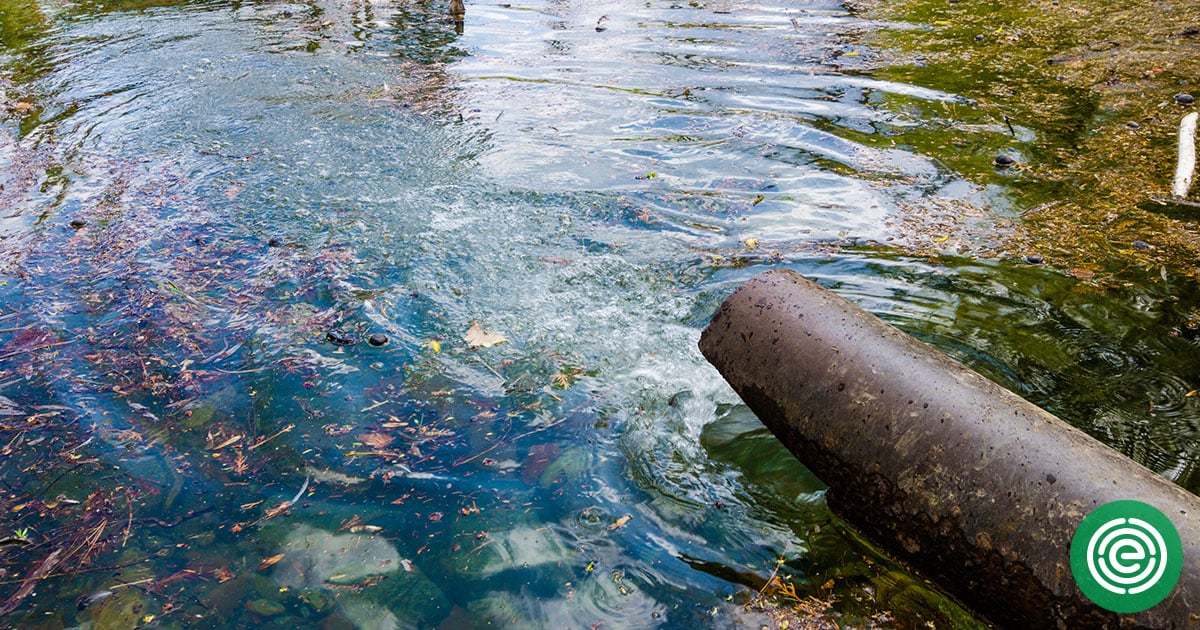
Water Pollution

WATER POLLUTION

  • Contamination of water bodies
    (lakes, rivers, oceans, groundwater)
  • Pollutants discharged without proper treatment
  • Caused by: Eroded soil, oil spills, and industrial leakages
  • Effects
    • Water becomes biologically unfit for drinking
    • Mercury and lead kill organisms & enter the food chain
    • Untreated sewage spreads diseases like typhoid and cholera
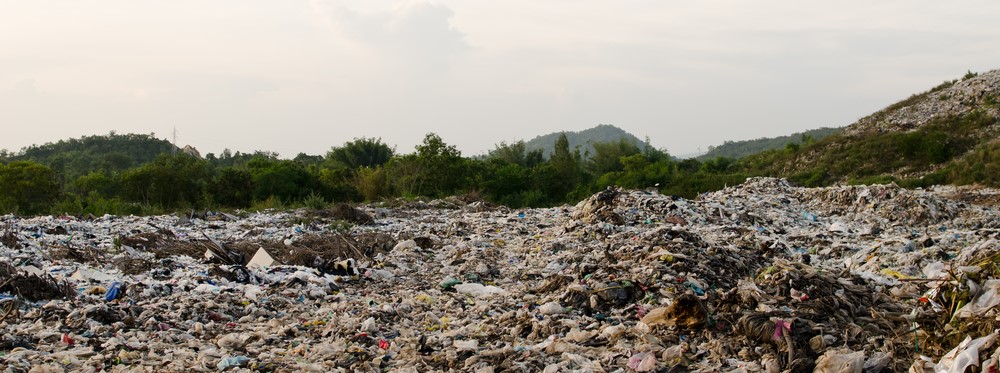
Land Pollution

LAND POLLUTION

  • Degradation and destruction of the earth's surface and soil
  • Primary Causes
    • Agricultural: Toxic fertilizers & pesticides
    • Mining: Excavation activities causing habitat destruction
    • Landfills: Tons of garbage accumulating per household
    • Deforestation: Cutting trees without replacing them
    • Industrialization: More waste & massive infrastructure
Made byBobr AI
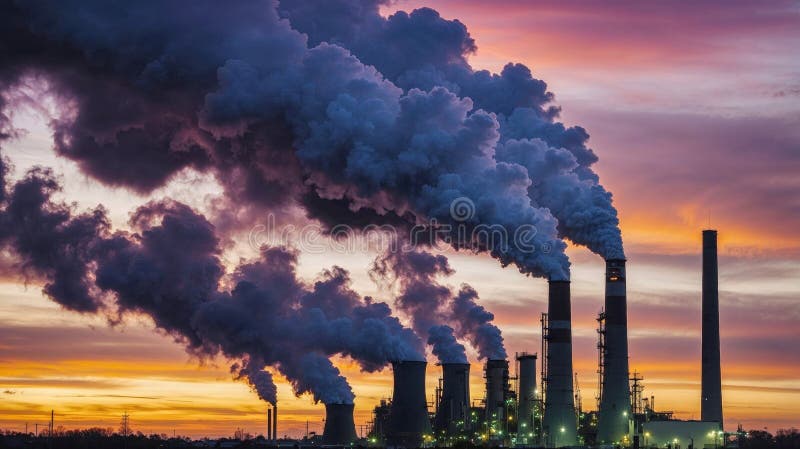
Stormy dark sky

Air & Noise Pollution

Air Pollution Icon

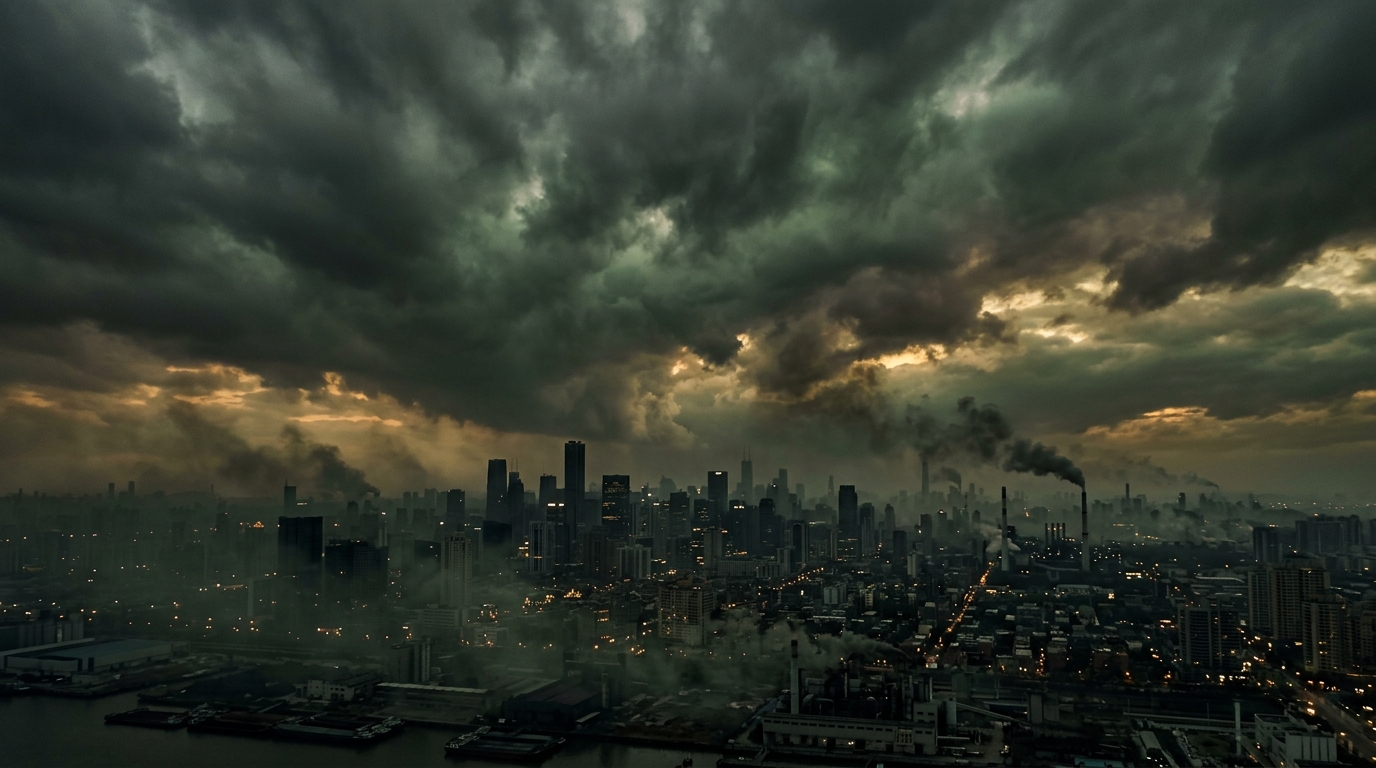
Air Pollution

Introduction of contaminants, biological molecules or harmful materials into the atmosphere.

Major Pollutants:
  • Sulphur dioxide (industrial processes & fossil fuels)
  • CFCs (Aerosols & refrigerants — harms ozone)
  • Nitrogen oxide & CO (Combustion engines)
  • Radioactive pollutants (Nuclear energy)
Severe Effects:

Respiratory infections, heart disease, asthma; ~7 million premature deaths per year. Leads to acid rain, global warming, and dense urban smog.

Noise Pollution Icon

Noise Pollution

Disturbing excessive noise harming human or animal life and natural peace.

Common Sources:
  • Road vehicles and traffic congestion
  • Aircraft and railway networks
  • Heavy industrial operations
  • Construction equipment and machinery
Severe Effects:

Cardiovascular problems, stress, hearing loss, and high blood pressure. Highly detrimental to wildlife by fundamentally altering predator and prey balances.

Made byBobr AI
Ocean Background
Environmental Crisis

Marine Pollution

Occurs when harmful chemicals, particles, industrial, and agricultural waste are directly introduced into the ocean.

OVER 80% OF MARINE POLLUTION COMES FROM LAND-BASED ACTIVITIES

Fertilizers

Fertilizers

Pollutants enter the sea from farming runoff, carrying Carbon, Nitrogen, and Minerals. Pesticides enter marine food webs, causing disease.

Sewage Disposal

Sewage Disposal

Untreated or under-treated raw sewage is discharged into the ocean from urban and industrial sources, heavily contaminating marine habitats.

Ship & Oil Spills

Ship & Oil Spills

The most destructive form of pollution, including ballast water discharge, pipeline leakage, cargo residues, and catastrophic oil spills.

Solid Garbage

Solid Garbage

Plastic waste ends up in oceans. Discarded fishing nets threaten marine wildlife like fish, dolphins, sea turtles, sharks, and birds.

Made byBobr AI
Space landscape
Environmental Crisis

Global Warming & The Greenhouse Effect

Climate change is the single biggest environmental and humanitarian crisis of this century
Global warming: increase in average temperature of air and sea at Earth's surface
The atmosphere is overloaded with heat-trapping carbon dioxide which threatens climate and destroys the ozone layer

Since the 20th Century:

~0.8°C
Rise in air & sea surface temperature
2001-2010
Warmest recorded decade since 1880

Kyoto Protocol (1997)

International agreement linked to UN Framework Convention on Climate Change
Developed countries principally responsible for high greenhouse levels
192 parties; first commitment period 2008-2012; second 2012-2020
USA has NOT ratified the Kyoto Protocol
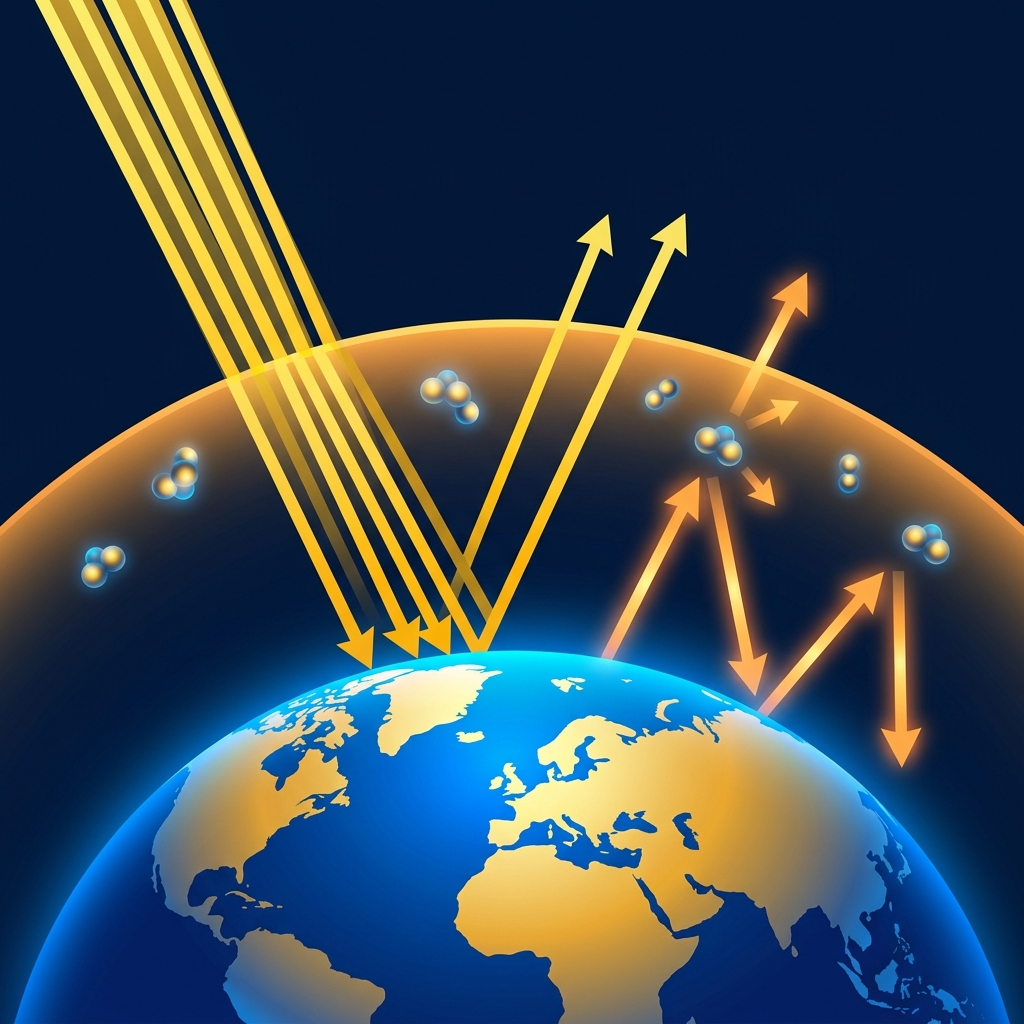
Greenhouse Effect Diagram

The Greenhouse Effect

Sunlight reaches Earth's surface → reflected into space OR absorbed by Earth
Earth releases energy back into atmosphere as heat
Greenhouse gases (H₂O, CO₂, CH₄) prevent loss of heat to space
USA is one of the largest emitters of greenhouse gases
Results: Extreme Weather
Record heat, drought, floods, storms, wildfires
Climate Awareness Environmental Protection Global Stewardship
Made byBobr AI
Forest Mist
Steps & Solutions

Environmental Conservation

1

Education

Educate the public about environmental conservation. Governments and NGOs must inform through media and schools, promoting individual and community participation. Academic institutions now offer specialized environmental studies.

2

Agreements

Implementing voluntary environmental agreements establishes regulatory standards. Governments provide legislation for essential environmental protection, with the Kyoto Protocol serving as a notable international framework.

3

Sustainable Energy

Transition to alternative renewable sources: solar, wind, geothermal, and bio-fuels. Utilize drying lines instead of dryers, natural ventilation over AC, and energy-efficient products like LED bulbs and CFC-free chemicals.

4

The Triple R Rule

Reduce, Reuse, and Recycle materials. New Providence produces 500,000 tons of solid waste yearly. To combat this, Renew Bahamas launched the first Material Recycling Facility (MRF) in May 2015 to process local waste.

Made byBobr AI
Forest landscape
Continuing Our Efforts

More Conservation Solutions

5.

Water Conservation

Protect water resources; install water-efficient appliances (low-flush toilets, low-flow shower heads); educate public on proper water use (fix leaks, turn off taps).

6.

Sustainable Transportation

Regulate low-carbon cars (hybrids); carpooling; use bicycles for short trips; public buses using bio-fuels instead of fossil fuels.

7.

Fighting Deforestation

Plant more trees (release oxygen, trap carbon); afforestation and reforestation programs; agro-forestry; use renewable energy to reduce firewood use; enforce laws to protect habitats.

Made byBobr AI
UN Logo
International Organizations

UNEP

United Nations Environment Programme

Agency of the United Nations coordinating environmental activities and assisting developing countries with environmentally sound policies.
Founded as a result of the UN Conference on the Human Environment (June 1972).
Headquarters: Gigiri, Nairobi, Kenya — the only major UN Agency outside Europe and the USA.
Activities include: Atmosphere, marine and terrestrial ecosystems, environmental governance, and green economy.
Key Roles & Implementation:
Promoting environmental science, funding and implementing development projects.
Working with national governments and NGOs on policy development.
Assisting in guidelines & treaties (e.g., international trade in harmful chemicals).
Managing key agreements: Vienna Convention, Montreal Protocol, & Rotterdam Convention.
Nature Background
Made byBobr AI
Bahamas Background
Environmental Stewardship in The Bahamas

National Organizations

BEST Commission

The Bahamas Environment Science and Technology Commission. Created in 1989 as NIMCAST, renamed in 1994.
  • National focal point for international environmental organizations.
  • Coordinate international conventions, treaties, and protocols.
  • Protect, conserve and manage Bahamas' environmental resources.
  • Develop national environmental strategies & propose legislation.
  • Identify scientific and technological advances for the nation.
  • Advise government on environmental impact of development proposals.

Bahamas National Trust

Non-profit organization created by Act of Parliament in 1959. Governed by The Bahamas National Trust Act.
  • Manages 27 national parks spanning across the islands.
  • Covers over 1 million acres of protected marine and terrestrial sites.
  • Promotes preservation of lands & educates Bahamians on natural heritage.
  • Headquarters: The Retreat Gardens on Village Road, New Providence.
KEY PROGRAMS
Field trips, outreach, camps, teacher workshops, and the Discovery Club.
Made byBobr AI

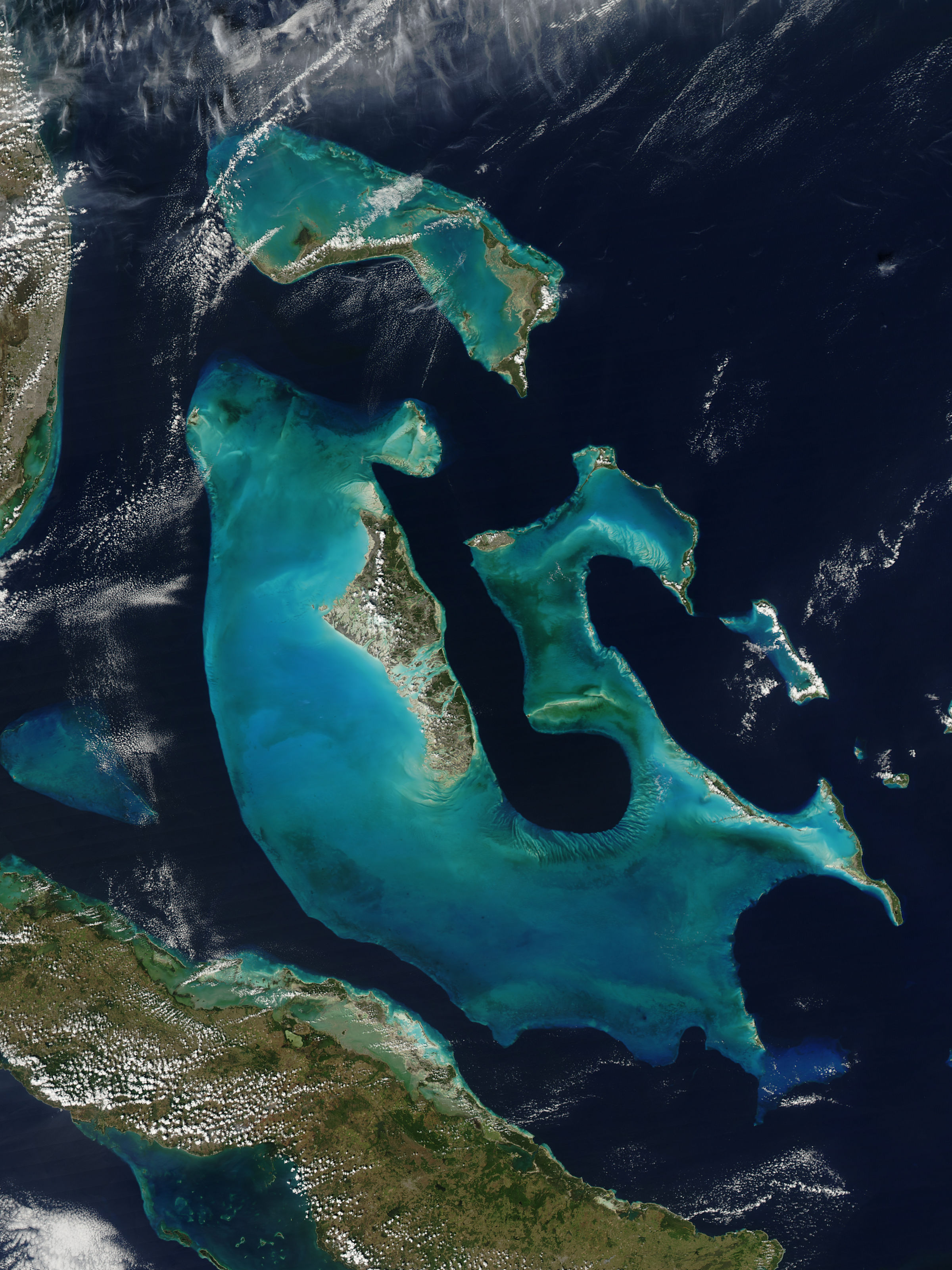
Bahamas Wetlands

What are Wetlands?

  • Areas where water covers or is present near the surface of the soil
  • Ramsar Convention: areas of marsh, fen, peat land or water — static or flowing, brackish or salt
  • Two categories in Bahamas: Coastal Wetlands and Inland Wetlands
  • Most important threatened ecosystems in the world

Importance of Wetlands

1
Ground Water Recharge
Vital for potable water and aquifer recharge
2
Fish and Wildlife Habitat
Vast biodiversity; sustains grouper, lobsters, crabs important to Bahamas economy
3
Habitat for Birds & Animals
Mangrove habitats for birds and sea turtles; eco-tourism
4
Flood Control
Absorb water, trap sediment, stabilize shoreline
5
Shoreline Stabilization
Protect from waves and erosion; plants act as buffer zone
Bahamas Mangrove Wetlands
Made byBobr AI
Background texture
Tropical wetland banner

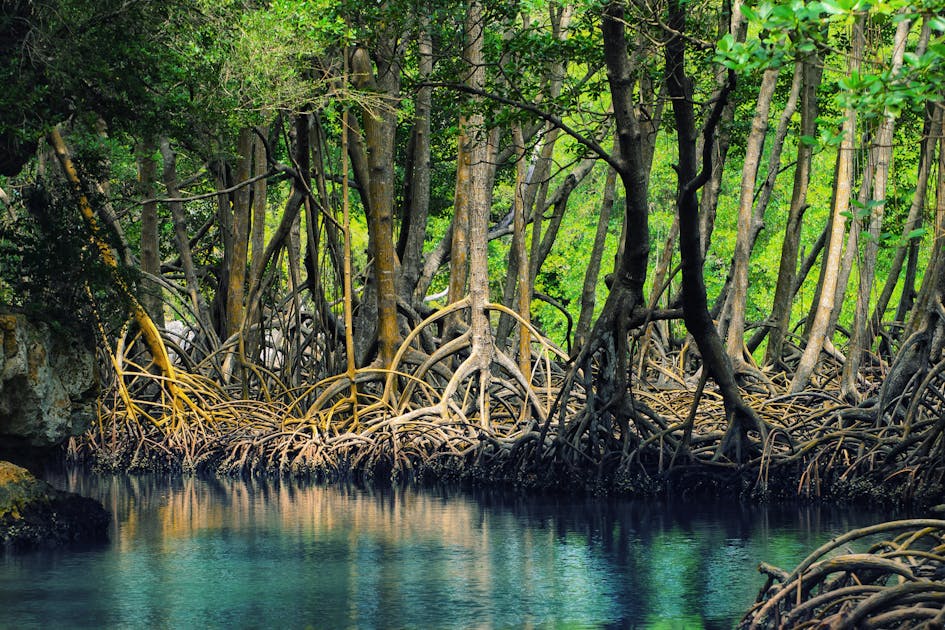
Bahamian Mangroves

More than 50 species of mangroves world-wide; 4 found in the Bahamas.

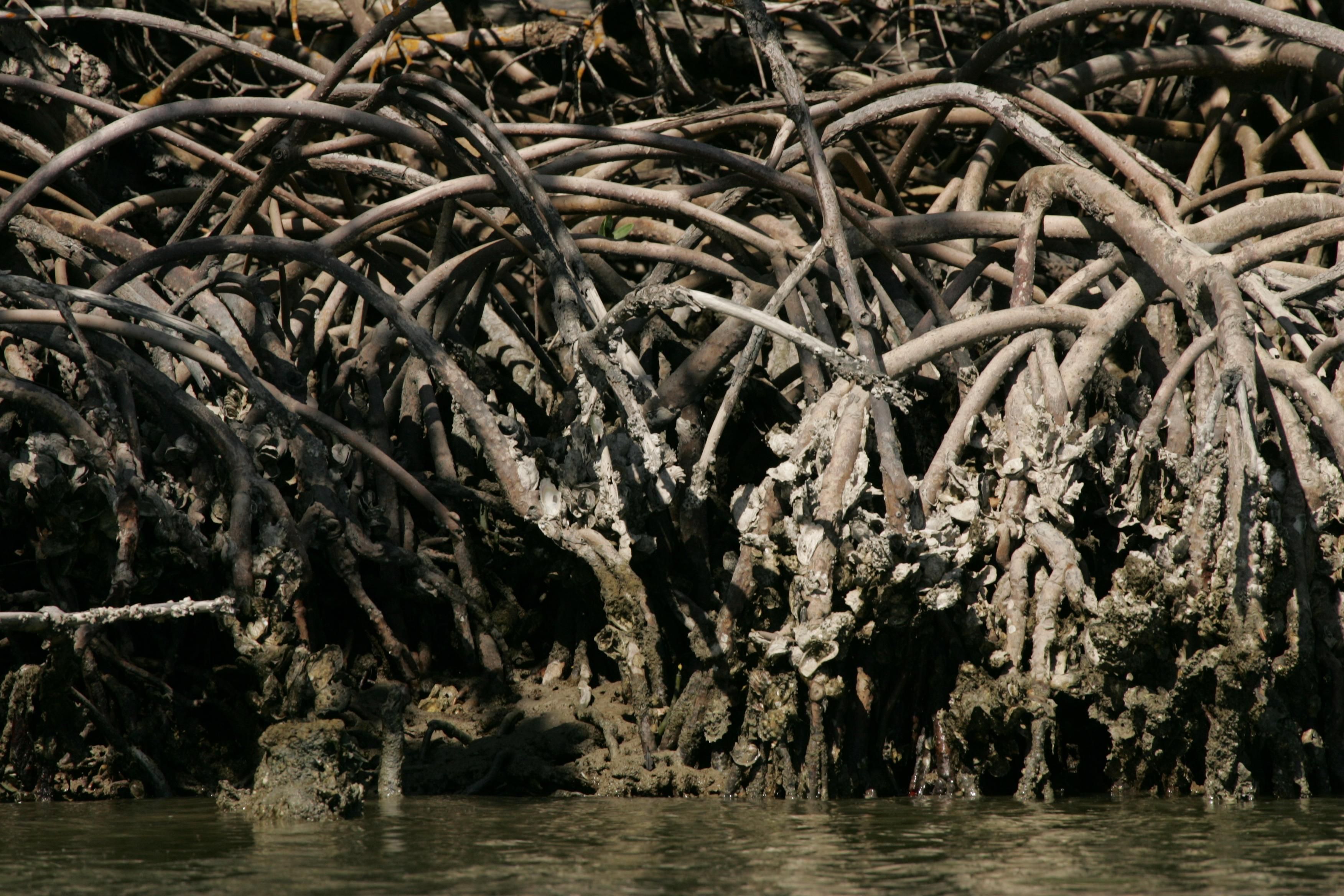
Red Mangrove

Red Mangrove

  • Identified by reddish branching prop roots
  • Grows well in salt water
  • Found closest to water's edge
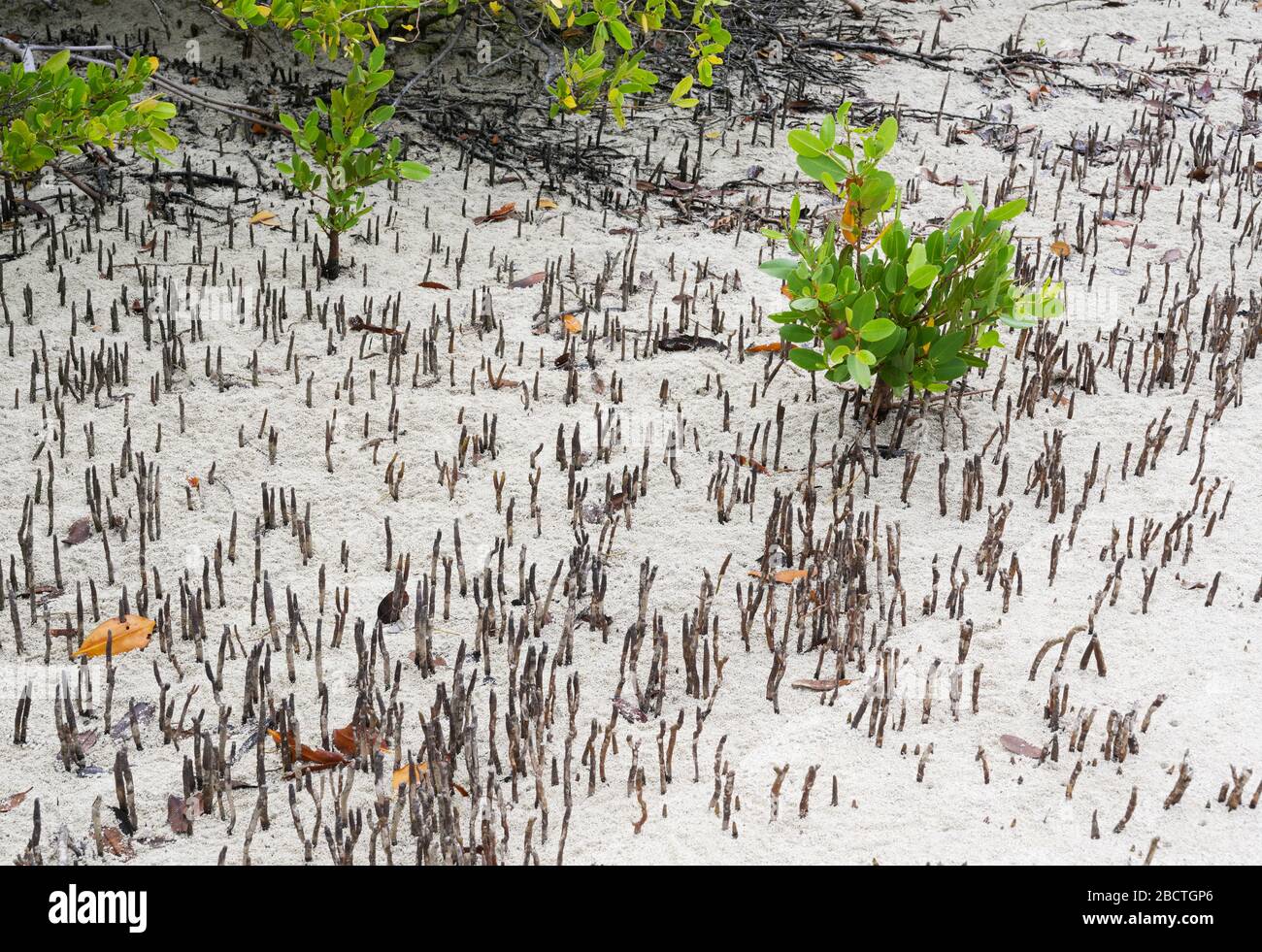
Black Mangrove

Black Mangrove

  • Most salt tolerant; dominant in hypersaline ponds
  • Long horizontal roots with small vertical breathing roots
  • Dark blackened bark
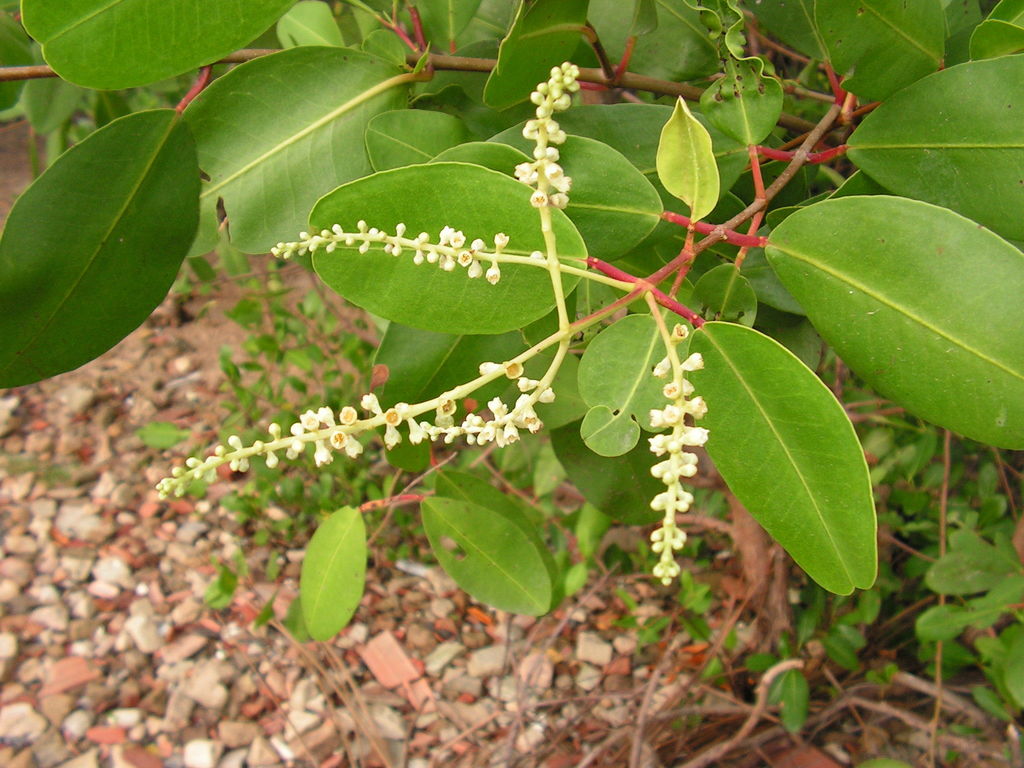
White Mangrove

White Mangrove

  • Least salt tolerant; prefers drier conditions
  • Leaves opposite and rounded
  • Rare aerial roots
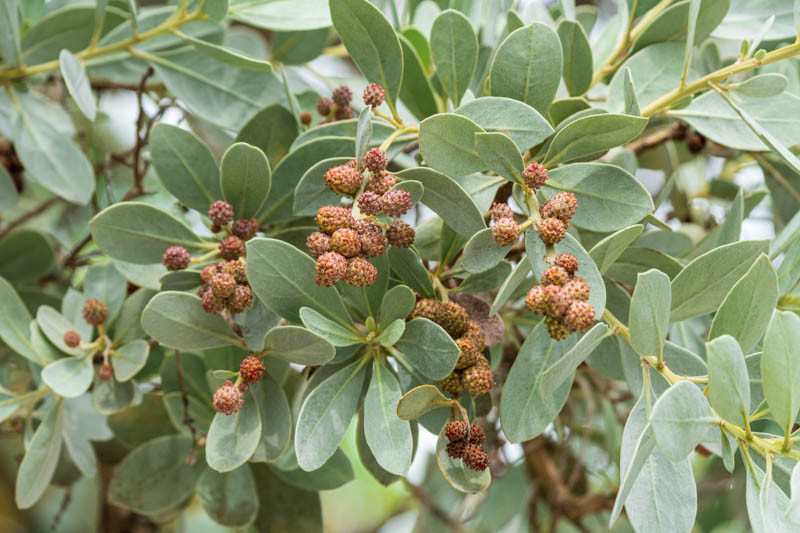
Buttonwood Mangrove

Buttonwood (Grey Mangrove)

  • Regular root systems
  • Prefers drier, well-drained soils
  • Found furthest inland; very salt resistant
Made byBobr AI
Forest landscape
Gold leaf Gold cross

Conclusion — Our Call to Stewardship

Key Takeaways

God entrusted humanity with the care of creation — we are accountable to Him.
The environment faces serious threats: pollution, deforestation, global warming.
As stewards, we have a responsibility to protect and preserve the Earth for future generations.
Organizations like UNEP, BEST Commission and the Bahamas National Trust are working to protect our environment.

A Final Call to Action

Reduce, Reuse, Recycle
Plant trees, conserve water, use sustainable energy
Support environmental agreements and conservation laws

"The earth is the Lord's and the fullness thereof"

— Psalm 24:1 —

Aiden Brian Maddison Nelson
Made byBobr AI
Bobr AI

DESIGNER-MADE
PRESENTATION,
GENERATED FROM
YOUR PROMPT

Create your own professional slide deck with real images, data charts, and unique design in under a minute.

Generate For Free

Stewardship of the Environment: A Religious Perspective

Explore environmental stewardship through biblical teachings and Bahamian conservation, covering pollution, global warming, and local wetland protection.

Stewardship of the Environment

A Religion Class Presentation

Introduction: God's Creation & Human Responsibility

Stewardship

Genesis 1:26-31

What is a Steward?

A steward is someone entrusted with the care of something on behalf of someone else

Human beings are caretakers and trustees of creation, entrusted to care for the planet on behalf of God.

We are accountable to God for how we care for creation and maintain it for future generations.

Stewardship is tied with the sanctity of life — life is a gift from God. No human being has any right to destroy it.

Stewardship includes biological life and nature — the earth is a living organism.

OLD TESTAMENT COMMANDS

Israelites allowed land to rest every 50 years (Lev 25); Farmers let fields lay fallow on the 7th year (Ex 23)

Even during war, do not destroy trees (Deuteronomy 20:19)

"The earth is the Lord's and the fullness thereof; the world, and they that dwell therein"

— PSALM 24:1

Environmental Degradation

Environment

The surroundings or conditions in which a person, animal or plant lives and operates; conditions that affect the growth, health and progress of living things.

Environmental Degradation

Any change or disturbance of the environment considered to be undesirable.

UNISDR Definition

"The reduction of the capacity of the environment to meet social and ecological objectives and needs."

Modern Threat

Today due to modern science and technology, the environment is severely threatened, which compromises the ability of the planet to sustain life.

Pollution

The introduction of contaminants into the natural environment that causes adverse change to human health or harm to living resources and ecological systems.

Pollutants Include

Industrial effluents, poisonous gases, industrial waste, nuclear wastes, radioactive materials, exhaust gases, fertilizers, pesticides, insecticides.

Types of Pollution

WATER POLLUTION

LAND POLLUTION

Marine Pollution

Occurs when harmful chemicals, particles, industrial, and agricultural waste are directly introduced into the ocean.

OVER 80% OF MARINE POLLUTION COMES FROM LAND-BASED ACTIVITIES

Environmental Crisis

Global Warming & The Greenhouse Effect

Educate the public about environmental conservation. Governments and NGOs must inform through media and schools, promoting individual and community participation. Academic institutions now offer specialized environmental studies.

Implementing voluntary environmental agreements establishes regulatory standards. Governments provide legislation for essential environmental protection, with the Kyoto Protocol serving as a notable international framework.

Transition to alternative renewable sources: solar, wind, geothermal, and bio-fuels. Utilize drying lines instead of dryers, natural ventilation over AC, and energy-efficient products like LED bulbs and CFC-free chemicals.

Reduce, Reuse, and Recycle materials. New Providence produces 500,000 tons of solid waste yearly. To combat this, Renew Bahamas launched the first Material Recycling Facility (MRF) in May 2015 to process local waste.

Continuing Our Efforts

More Conservation Solutions

International Organizations

UNEP

National Organizations

Environmental Stewardship in The Bahamas

BEST Commission

The Bahamas Environment Science and Technology Commission. Created in 1989 as NIMCAST, renamed in 1994.

National focal point for international environmental organizations.

Coordinate international conventions, treaties, and protocols.

Protect, conserve and manage Bahamas' environmental resources.

Develop national environmental strategies & propose legislation.

Identify scientific and technological advances for the nation.

Advise government on environmental impact of development proposals.

Bahamas National Trust

Non-profit organization created by Act of Parliament in 1959. Governed by The Bahamas National Trust Act.

Manages 27 national parks spanning across the islands.

Covers over 1 million acres of protected marine and terrestrial sites.

Promotes preservation of lands & educates Bahamians on natural heritage.

Headquarters: The Retreat Gardens on Village Road, New Providence.

Field trips, outreach, camps, teacher workshops, and the Discovery Club.

Bahamas Wetlands

Areas where water covers or is present near the surface of the soil

Ramsar Convention: areas of marsh, fen, peat land or water — static or flowing, brackish or salt

Two categories in Bahamas: Coastal Wetlands and Inland Wetlands

Most important threatened ecosystems in the world

Ground Water Recharge

Vital for potable water and aquifer recharge

Fish and Wildlife Habitat

Vast biodiversity; sustains grouper, lobsters, crabs important to Bahamas economy

Habitat for Birds & Animals

Mangrove habitats for birds and sea turtles; eco-tourism

Flood Control

Absorb water, trap sediment, stabilize shoreline

Shoreline Stabilization

Protect from waves and erosion; plants act as buffer zone

Bahamian Mangroves

More than 50 species of mangroves world-wide; 4 found in the Bahamas.

Red Mangrove

Black Mangrove

White Mangrove

Buttonwood (Grey Mangrove)

Conclusion — Our Call to Stewardship

The earth is the Lord's and the fullness thereof

Psalm 24:1

  • environmental-stewardship
  • the-bahamas
  • religion
  • conservation
  • pollution
  • global-warming
  • wetlands
  • mangroves