
Propaganda in the American Revolution: Art and Literature
Explore how visual and literary propaganda like 'Common Sense' and 'Join, or Die' shaped public opinion during the American Revolution.
Do You Hear the People Sing?
Art, Literature, and Propaganda in the American Revolution: Truth or Manipulation?
Grade 12 U-Level History | American Revolution
What if everything you believed about the Revolution... was carefully designed for you to believe it?
INTRODUCTION
Did propaganda during the American Revolution reflect the truth — or manipulate colonists to support independence?
Propaganda simplified reality, weaponized emotion, and pushed colonists toward independence — whether the facts supported it or not.
SECTION 1 — VISUAL PROPAGANDA
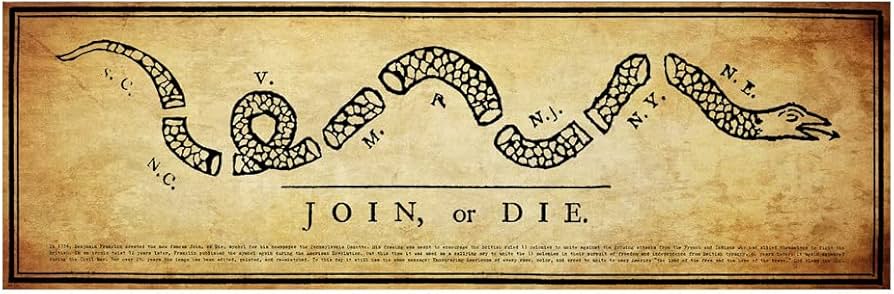
Join, or Die
Benjamin Franklin, 1754 — repurposed for revolution
A severed snake = colonial disunity = death. Simple. Terrifying.
It doesn't argue. It threatens.
Propaganda doesn't ask you to think. It makes you feel.
QUICK VOTE — THINK FAST
If you saw 'Join, or Die' on a poster in 1775... would it change your mind?
A
Yes — that image is powerful
B
Maybe — depends what else I knew
C
No — I'd question who made it
Raise your hand — or be honest with yourself.
We'll come back to this idea at the end.
SECTION 2 — LITERATURE & PERSUASION
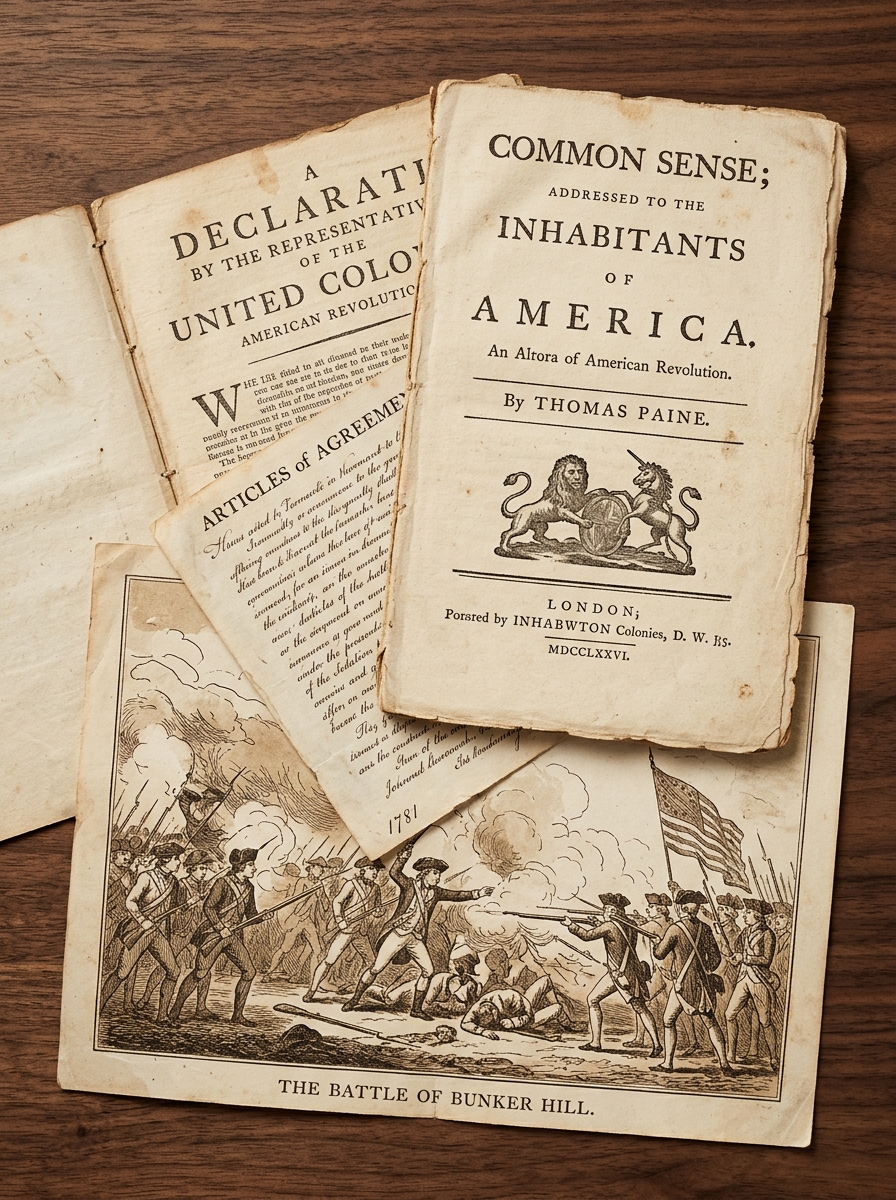
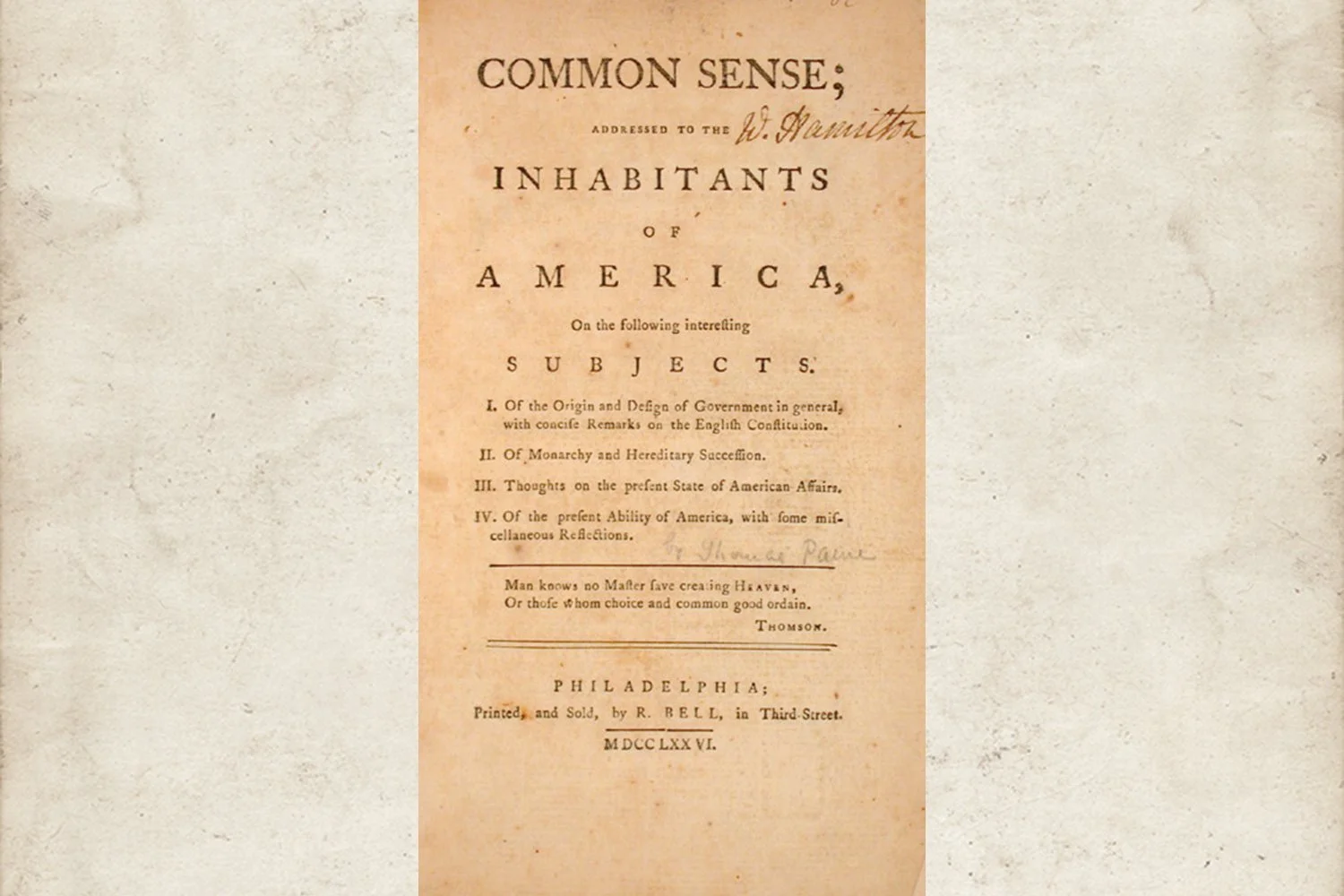
Common Sense
Thomas Paine, January 1776
Sold 500,000 copies in a country of 2.5 million.
Written for farmers, not scholars — on purpose.
It didn't present both sides. It wasn't meant to.
Persuasion isn't lying. But it isn't the whole truth either.
SECTION 3 — EMOTIONAL PROPAGANDA
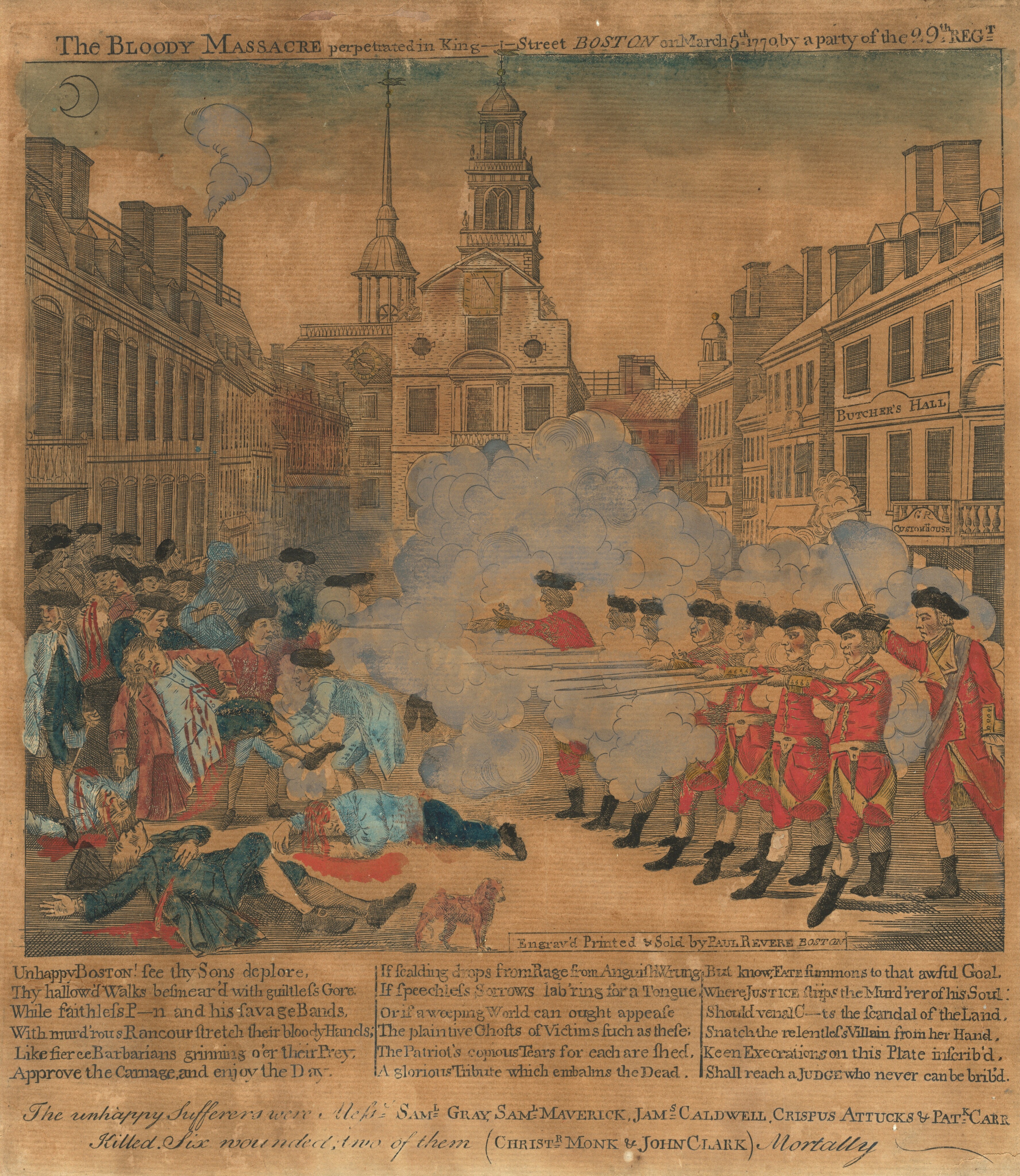
The Bloody Massacre
Paul Revere, 1770
Revere published this within 3 weeks of the event.
The soldiers look organized. The crowd looks innocent.
Neither was true — but that wasn't the point.
The image became the story. The story became the cause.
YOUR VERDICT
Paul Revere's engraving — how would you classify it?
ACCURATE
It shows what really happened that night.
SOMEWHAT BIASED
It's one-sided but based on real events.
MOSTLY PROPAGANDA
It was designed to provoke — not inform.
The Answer:
Historians agree — it's mostly propaganda. Revere changed details, added drama, and rushed it to press to maximize outrage.
Point your finger at the bar. Be honest.
BIG IDEA
Can a revolution succeed without influencing — or manipulating — public opinion?
Think about it. Talk to the person next to you. You have 60 seconds.
→ Is persuasion always manipulation?
→ Does the cause justify the method?
→ Would YOU have been convinced?
There's no wrong answer. But there is a more supported one.
"The pen and the press didn't just support the Revolution — they made it possible."
CONCLUSION
The Argument Was the Weapon
Propaganda simplified complex politics into powerful symbols.
It made independence feel not just possible — but necessary.
The truth mattered less than what people believed.
They didn't just fight with muskets. They fought with images, words, and carefully crafted emotion.
References
Chicago Style | American Revolution Unit
Franklin, Benjamin. "Join, or Die." Pennsylvania Gazette, May 9, 1754.
Paine, Thomas. Common Sense. Philadelphia: R. Bell, 1776.
Revere, Paul. "The Bloody Massacre Perpetrated in King Street." Engraving. Boston, 1770.
Foner, Eric. Tom Paine and Revolutionary America. New York: Oxford University Press, 1976.
Fischer, David Hackett. Paul Revere's Ride. New York: Oxford University Press, 1994.
All images used for educational purposes under fair use.
- american-revolution
- propaganda
- history
- thomas-paine
- paul-revere
- educational
- united-states-history