
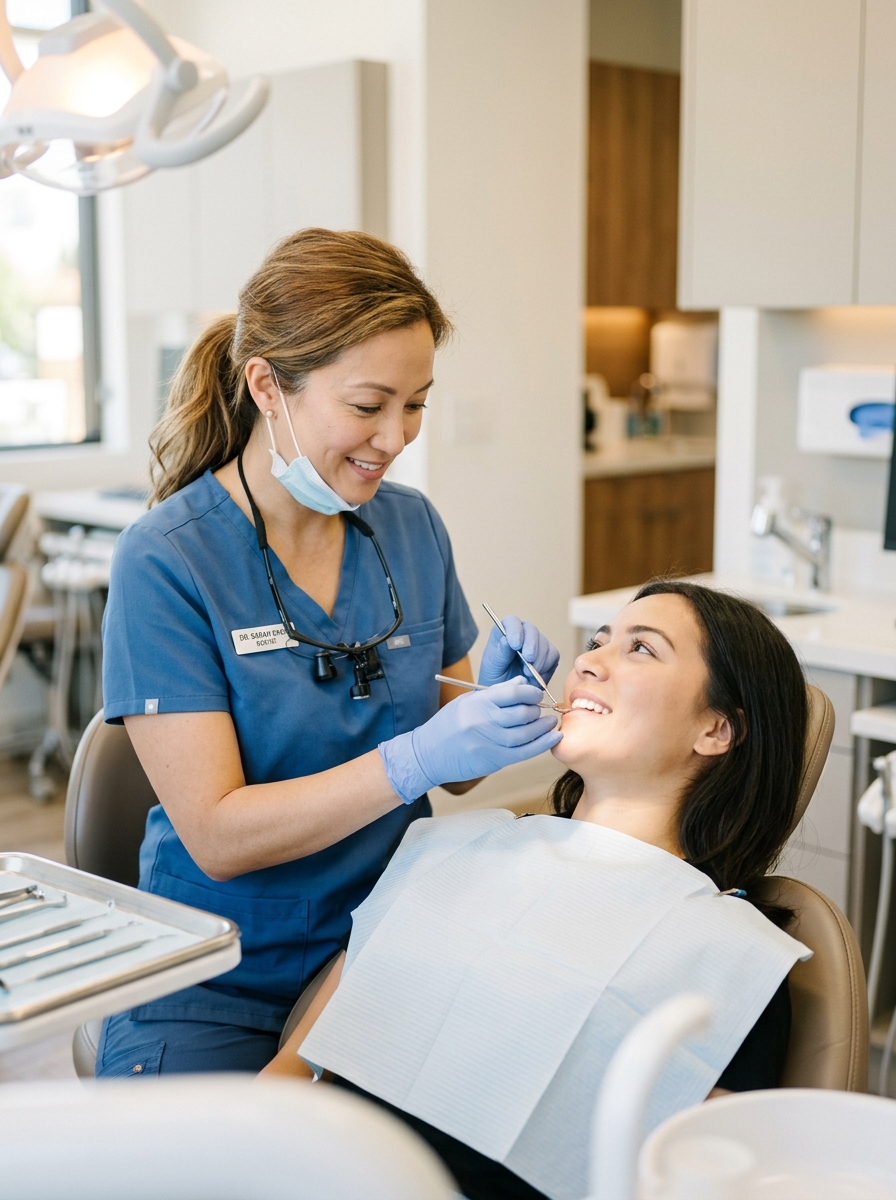

Special Care Dentistry: Dental Management for Disabilities
Comprehensive guide on dental management for patients with mental disorders and disabilities, covering communication, behavioral techniques, and sedation.
Special Care Dentistry
Dental Management
in Patients with
Mental Disorders
& Disabilities
Importance of tailored dental care
Increasing prevalence of special care patients
Ethical and clinical responsibilities
Special Care Dentistry — Clinical Management
SLIDE 02 — DEFINITION & SCOPE
Special Care Dentistry (SCD)
Management of patients with complex needs
Patient Categories
Physical disabilities
Intellectual disabilities
Psychiatric disorders
Clinical Examples
Autism spectrum disorder
Down syndrome
Cerebral palsy
Schizophrenia
Severe anxiety disorders
03
Challenges in Dental Care
Communication Difficulties
Barriers to verbal and non-verbal understanding
Behavioral Management
Problems with cooperation and compliance
Poor Oral Hygiene
Increased risk for caries and periodontal disease
Medication Side Effects
Issues like xerostomia and gingival hyperplasia
Medication Effects
Xerostomia (dry mouth) • Gingival Hyperplasia • Drug interactions
General Management Principles
04
01
Individualized Treatment Planning
Tailored care plans based on each patient's specific needs and abilities
02
Multidisciplinary Approach
Collaboration between dentists, physicians, psychologists, and caregivers
03
Emphasis on Prevention
Prioritize preventive measures to reduce treatment burden
04
Short, Simple Appointments
Minimize stress with brief, structured sessions
05
Consistency in Dental Team
Familiar faces reduce anxiety and build trust
Adapted care for every individual
05
Communication
Strategies
01
Use Simple & Clear Language
02
Maintain Eye Contact
If culturally/clinically appropriate
03
Use Visual Aids & Demonstrations
Pictures, models, symbols
04
Tell–Show–Do Technique
Explain → demonstrate → perform
05
Involve Caregivers
Key partners in communication
06
Minimize Distractions
Quiet, calm environment
Behavioral Management Techniques
06
01
Positive Reinforcement
Reward cooperative behavior
02
Desensitization
Gradual exposure to dental stimuli
03
Voice Control
Modulate tone to guide behavior
04
Distraction Techniques
Music, videos, conversation
05
Modeling
Show behavior via another patient or video
Autism-Specific
Avoid Sensory Overload
Reduce light, sound, and tactile stimuli
Maintain Routine
Consistent appointments and team
SLIDE 07 — PHARMACOLOGICAL MANAGEMENT
Pharmacological Management
Levels of Sedation Control
General Anesthesia
Oral Sedation
Nitrous Oxide
Conscious Sedation
Local Anesthesia
Indications
Severe anxiety disorders
Non-cooperative patients
Extensive dental treatment needs
Always assess risk-benefit before escalating sedation level
Clinic Environment
🦽
Wheelchair Accessibility
Ramps, wide doorways, adjustable dental chairs
🔇
Quiet Environment
Soundproofing, noise-reduction protocols
👁️
Reduced Sensory Stimuli
Dimmed lighting, no strong scents
📅
Flexible Scheduling
Early morning or end-of-day slots for anxious patients
⏰
Extra Time Allocation
Longer appointment blocks, no rushing
Dental Office
Modifications
Creating an inclusive clinical environment
Preventive Dentistry
09
Prevention is KEY
Oral Hygiene Instruction
For both patient and caregiver
Fluoride Applications
Professional fluoride treatments
Fissure Sealants
Protective coatings for molars
Diet Counseling
Reduce sugar, improve nutrition
Preventive dentistry reduces treatment burden in special care patients
Medical Considerations
Always review systemic health before any dental procedure
Detailed Medical History
review all current medications and conditions
Drug Interactions
check dental drug compatibility
Seizure Risk
have emergency protocol in place
Cardiovascular Considerations
monitor vitals for at-risk patients
Allergy Assessment
latex, anesthetics, antibiotics
Antipsychotics
Xerostomia (dry mouth)
Antiepileptics
Gingival Overgrowth
SLIDE 11
Legal & Ethical Aspects
Informed Consent
Obtain valid consent from patient or legal guardian before all procedures
Guardian Involvement
Engage caregivers/guardians in all major clinical decisions
Patient Autonomy
Respect patient preferences and dignity to the greatest extent possible
Documentation
Maintain thorough records of consent, behavior, and treatment decisions
Ethical practice is the foundation of Special Care Dentistry
HIGH-YIELD SUMMARY
Management by Condition
12
🧩 Autism Spectrum Disorder
Structured, predictable environment
Visual communication supports
Avoid sensory overload (light, sound, touch)
Maintain consistent routine
🧬 Down Syndrome
High periodontal disease risk
Macroglossia — tongue positioning challenges
⚠️ Atlantoaxial instability — careful neck positioning
Regular preventive care
🧠 Cerebral Palsy
Motor control issues — involuntary movements
Aspiration risk — careful positioning
Drooling management
Modified equipment may be needed
💊 Psychiatric Disorders
Poor compliance and irregular attendance
Medication side effects: xerostomia, gingival hyperplasia
Build trust before treatment
Coordinate with psychiatrist
CONCLUSION — SLIDE 13
Key Takeaways
Special care patients require individually adapted dental approaches
Communication and prevention are the cornerstone of SCD
Multidisciplinary care significantly improves patient outcomes
OUR GOAL
Safe, Effective & Compassionate Dental Care
for every patient, regardless of their condition
Adapted Care
Communication
Prevention
Special Care Dentistry — End of Presentation
- special-care-dentistry
- dental-management
- dentistry
- autism-care
- disability-healthcare
- behavioral-management
- preventive-dentistry