











Made byBobr AI

Understanding Depression: Science, Treatment & Stigma

Learn about the biological causes of depression, the difference between sadness and illness, and how antidepressants work to restore brain health.

#mental-health#depression-treatment#neuroscience#antidepressants#psychiatry#health-education
Watch
Pitch

Mental Health Presentation

Depression & Medication

Understanding the illness, breaking the stigma

Alfonso

April 2026

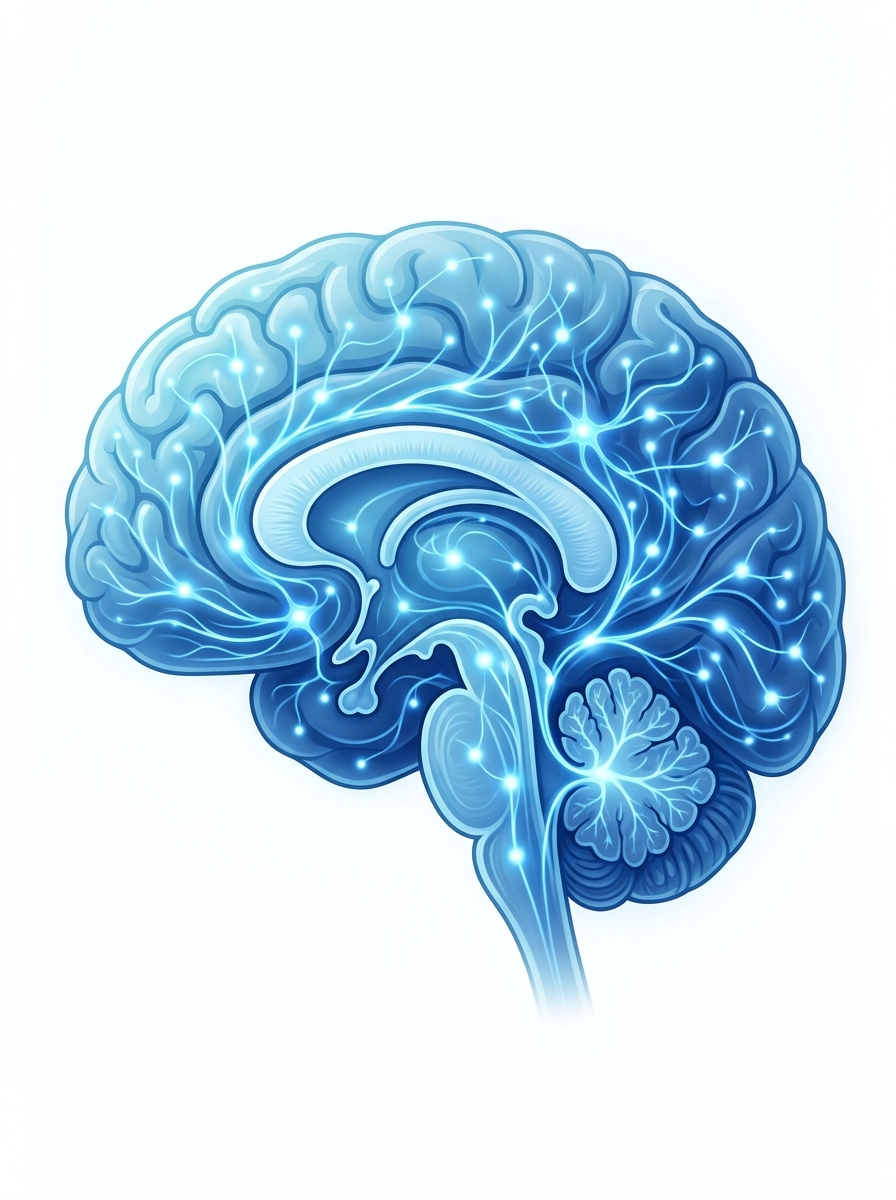
Brain Illustration
Made byBobr AI

Introduction

What is Depression?

Speech Bubble Icon

A Real Story

A close friend always felt tired, bored, and sad — without any obvious reason. This mental fatigue was harming his life. A psychiatrist detected a simple chemical imbalance in his brain. He refused medication at first due to stigma. Once he accepted help, things got better.

Globe Icon

By the Numbers

5.7% of adults worldwide suffer from depression

727,000 lives lost to suicide in 2021

Suicide is the 3rd leading cause of death in ages 15–29

Effective treatment exists for all severity levels

Depression is not just an emotion — it's an illness that must be diagnosed and treated.

Made byBobr AI

Diagnosis

Is It Sadness or Depression?

Sadness Icon

Normal Sadness

Has a clear cause

Doesn't last long

Comes and goes

You can still enjoy things

VS

Depression Icon

Depression

Lasts 2+ weeks constantly

No clear cause needed

Loss of interest in everything

Significantly affects daily life

Duration, intensity, and impact on daily life are the key diagnostic factors.

Made byBobr AI

CAUSES

What Causes Depression?

A complex brain disorder with biological roots

Molecule Icon

Neurotransmitters

  • Low Serotonin → Low mood & anxiety
  • Low Dopamine → Less motivation & pleasure
  • Low Norepinephrine → Fatigue & low energy
  • Imbalance in how neurons communicate
Brain Icon

Altered Brain Circuits

  • Prefrontal cortex: less activity → poor thought control
  • Amygdala: more reactive → intense negative emotions
  • Hippocampus: may shrink → memory issues
Stress Icon

Stress & Cortisol

  • Chronic stress activates the stress axis
  • Excess cortisol damages neuronal connections
  • Especially harmful to the hippocampus
Network Icon

Loss of Neuroplasticity

  • Brain loses ability to form new connections
  • Reduced BDNF (brain growth factor)
  • Locks brain into fixed negative patterns
Made byBobr AI
Treatment

How Do Antidepressants Work?

Targeting the root causes of depression in the brain

Neurotransmitters

Adjusting Neurotransmitters

SSRIs (e.g. fluoxetine) block serotonin reuptake

More serotonin available between neurons

Other drugs also act on dopamine & norepinephrine

Brain Circuits

Rebalancing Brain Circuits

Prefrontal cortex regains control over thoughts

Amygdala becomes less hyperreactive

Restores emotional regulation over time

Restoring Neuroplasticity

Increases BDNF factors in the brain

Brain forms new, healthier connections

Breaks free from fixed negative patterns

Why does it take weeks? Because the real change comes as the brain gradually reconfigures itself — approximately 2–4 weeks or more.

Made byBobr AI

Conclusion

Key Takeaways

Checklist

What We Covered

  • Depression is a real, diagnosable illness — not just an emotion
  • It has biological causes: chemical imbalances & brain circuit changes
  • Effective treatment exists: therapy + medication when needed
  • Antidepressants rebalance the brain over time (2–4 weeks)
Heart

Break the Stigma

Medication for depression is not weakness — it's medical treatment, just like insulin for diabetes. Seeking help is an act of courage. If someone you know is struggling, encourage them to reach out to a professional.

Smile / Waving Hand

Thank You

Thank you for your attention! I hope this presentation helps you see depression with more understanding and less judgment.

— Alfonso

Getting help is not giving up — it's deciding that your life is worth fighting for.

Made byBobr AI
Bobr AI

DESIGNER-MADE
PRESENTATION,
GENERATED FROM
YOUR PROMPT

Create your own professional slide deck with real images, data charts, and unique design in under a minute.

Generate For Free

Understanding Depression: Science, Treatment & Stigma

Learn about the biological causes of depression, the difference between sadness and illness, and how antidepressants work to restore brain health.

Mental Health Presentation

Depression & Medication

Understanding the illness, breaking the stigma

Alfonso

April 2026

Introduction

What is Depression?

A Real Story

A close friend always felt tired, bored, and sad — without any obvious reason. This mental fatigue was harming his life. A psychiatrist detected a simple chemical imbalance in his brain. He refused medication at first due to stigma. Once he accepted help, things got better.

By the Numbers

5.7% of adults worldwide suffer from depression

727,000 lives lost to suicide in 2021

Suicide is the 3rd leading cause of death in ages 15–29

Effective treatment exists for all severity levels

Depression is not just an emotion — it's an illness that must be diagnosed and treated.

Diagnosis

Is It Sadness or Depression?

Normal Sadness

Has a clear cause

Doesn't last long

Comes and goes

You can still enjoy things

Depression

Lasts 2+ weeks constantly

No clear cause needed

Loss of interest in everything

Significantly affects daily life

Duration, intensity, and impact on daily life are the key diagnostic factors.

CAUSES

What Causes Depression?

A complex brain disorder with biological roots

Neurotransmitters

Low Serotonin → Low mood & anxiety

Low Dopamine → Less motivation & pleasure

Low Norepinephrine → Fatigue & low energy

Imbalance in how neurons communicate

Altered Brain Circuits

Prefrontal cortex: less activity → poor thought control

Amygdala: more reactive → intense negative emotions

Hippocampus: may shrink → memory issues

Stress & Cortisol

Chronic stress activates the stress axis

Excess cortisol damages neuronal connections

Especially harmful to the hippocampus

Loss of Neuroplasticity

Brain loses ability to form new connections

Reduced BDNF (brain growth factor)

Locks brain into fixed negative patterns

Treatment

How Do Antidepressants Work?

Targeting the root causes of depression in the brain

Adjusting Neurotransmitters

SSRIs (e.g. fluoxetine) block serotonin reuptake

More serotonin available between neurons

Other drugs also act on dopamine & norepinephrine

Rebalancing Brain Circuits

Prefrontal cortex regains control over thoughts

Amygdala becomes less hyperreactive

Restores emotional regulation over time

Restoring Neuroplasticity

Increases BDNF factors in the brain

Brain forms new, healthier connections

Breaks free from fixed negative patterns

Why does it take weeks?

Because the real change comes as the brain gradually reconfigures itself — approximately 2–4 weeks or more.

Conclusion

Key Takeaways

What We Covered

Depression is a real, diagnosable illness — not just an emotion

It has biological causes: chemical imbalances & brain circuit changes

Effective treatment exists: therapy + medication when needed

Antidepressants rebalance the brain over time (2–4 weeks)

Break the Stigma

Medication for depression is not weakness — it's medical treatment, just like insulin for diabetes. Seeking help is an act of courage. If someone you know is struggling, encourage them to reach out to a professional.

Thank You

Thank you for your attention! I hope this presentation helps you see depression with more understanding and less judgment.

— Alfonso

Getting help is not giving up — it's deciding that your life is worth fighting for.