





Made byBobr AI

Understanding Chinglish: Origins and Characteristics

Explore the history, grammar, and phonology of Chinglish. Learn about linguistic transfer, famous idioms, and the cultural impact of China English.

#chinglish#linguistics#china-english#language-transfer#mandarin-grammar#esl#sociolinguistics
Watch
Pitch

Chinglish: A Linguistic Overview

Origins, Characteristics, and Practical Examples

Class Presentation

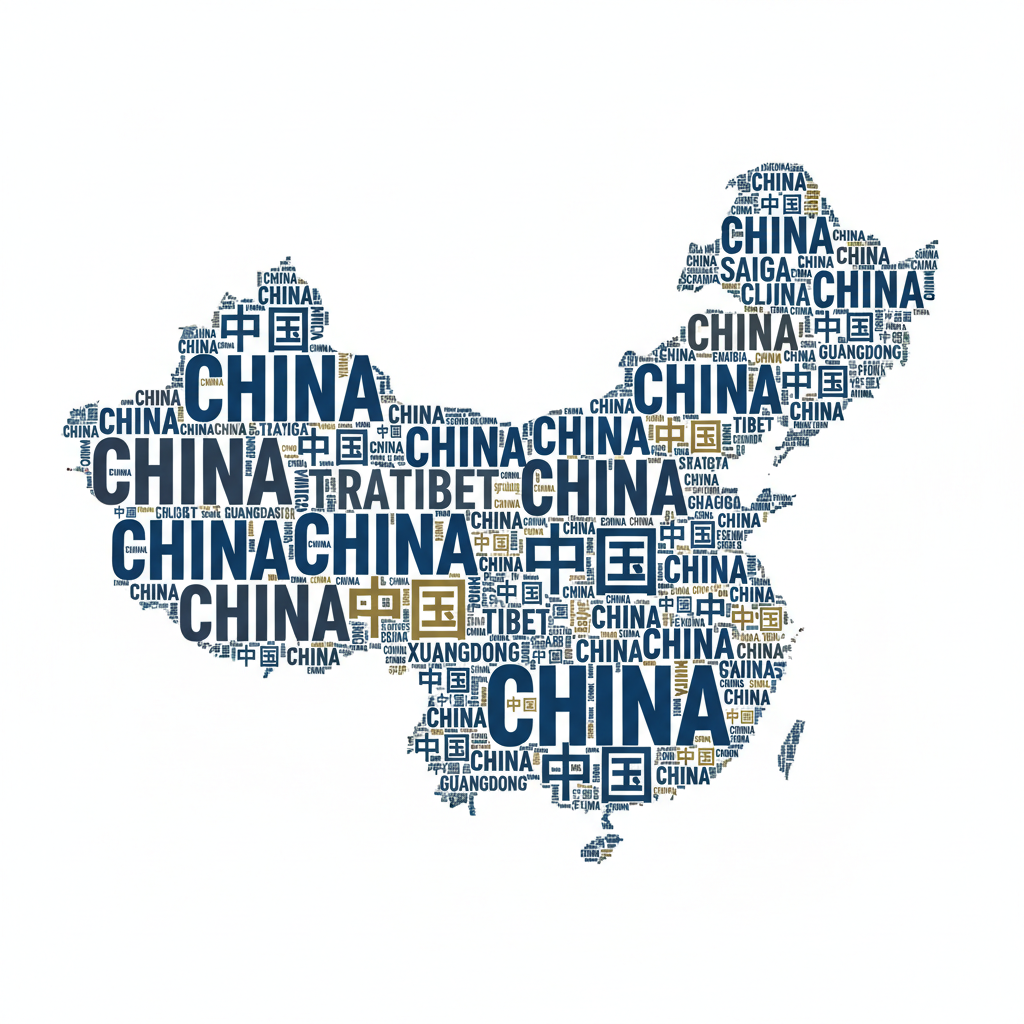
Minimalist map of China formed by English and Chinese typography, clean academic concept art
Made byBobr AI

What is Chinglish?

Chinglish (or "China English") is a variety of English influenced by the phonology, grammar, and vocabulary of Mandarin Chinese. Linguistically, it is a form of 'Language Transfer' where rules from the first language (L1) are applied to the second language (L2).

  • Distinct from 'pidgin' varieties.
  • Ranges from learner errors to recognized dialectal variations.
Conceptual illustration of two brain hemispheres, one with Chinese characters and one with English letters merging in the middle
Made byBobr AI

Geographic Scope & Scale

While exact numbers fluctuate, learning English is mandatory in the Chinese curriculum (Gaokao). The scale of English learners in Mainland China exceeds the total population of native English speakers in the USA.

Chart
Made byBobr AI

History & Origins

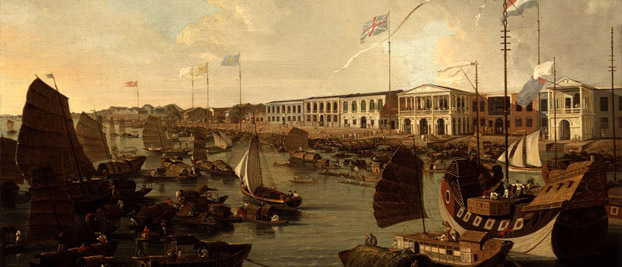
The roots of Chinglish trace back to 'Chinese Pidgin English' used in trade ports like Canton (Guangzhou) in the 17th-19th centuries. Historically, it was a tool for commerce. Today, it is a byproduct of mass education, where students often memorize vocabulary without immersion in English syntax.

Vintage 19th century painting of Canton 13 factories trading port Guangzhou
Made byBobr AI

Grammar: Topic-Prominence

Chinese is a 'topic-prominent' language, whereas English is 'subject-prominent'. In Chinglish, the speaker often states the topic first, then comments on it, disregarding English S-V-O order.

Chinglish: 'This book, I read already.'

Standard: 'I already read this book.'

Made byBobr AI

Phonology: Pronunciation Shifts

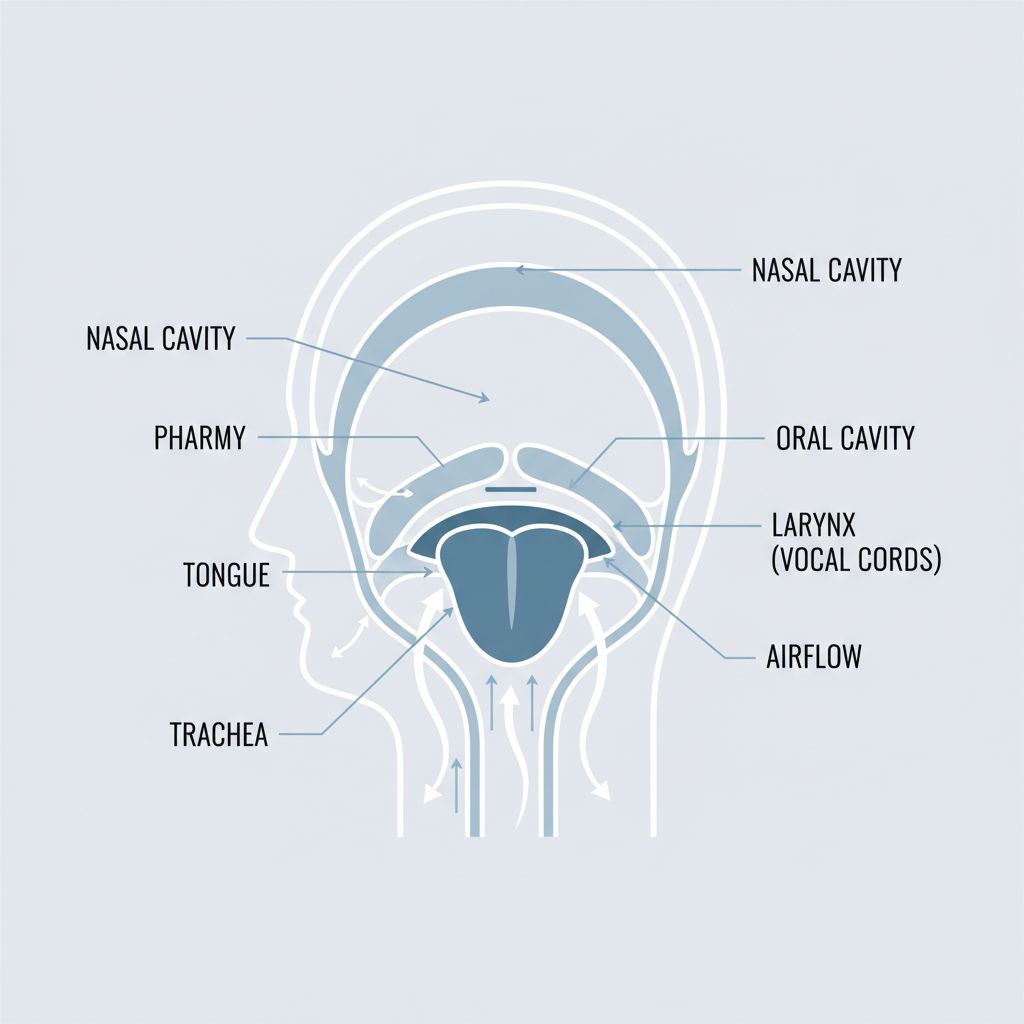
  • Th-Fronting: Mandarin lacks the /θ/ (thin) and /ð/ (this) sounds. They are often replaced with 's', 'z', or 'd'.
  • → Example: 'Think' becomes 'Sink'. 'This' becomes 'Dis'.
  • Open Syllables: Chinese syllables rarely end in consonants (except n/ng). Speakers may add vowels to the ends of words, e.g., 'Make-uh' instead of 'Make'.
Minimalist diagram showing human vocal tract and tongue position for pronunciation
Made byBobr AI
Practical Phrase #1

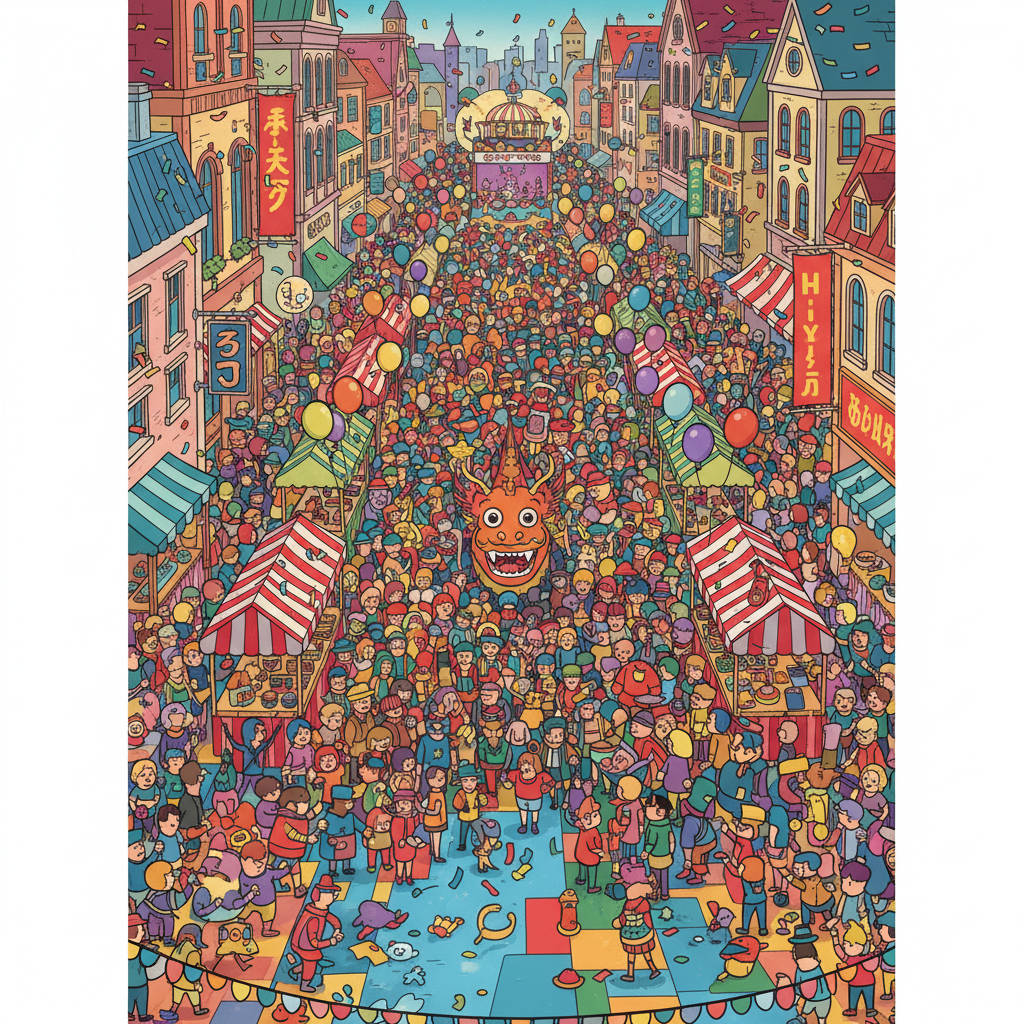
People Mountain People Sea

(Ren Shan Ren Hai)

Meaning: Extremely crowded; a huge crowd.

A direct literal translation (calque) of a Chinese idiom. It is visually descriptive, equating the density of people to that of mountains and oceans.

An overwhelmingly crowded city street festival seen from above, cartoon style
Made byBobr AI
Practical Phrase #2

Add Oil

(Jia You)

Meaning: Come on! Go for it! Keep going!

Originally a metaphor for injecting fuel into an engine. This phrase recently entered the Oxford English Dictionary, showing how Chinglish can become standard English.

Illustration of a retro oil can with the text 'Add Oil' and lightning bolts indicating energy, pop art style
Made byBobr AI
Pixel art computer screen with chat bubbles coming out

Modern Internet Slang

No Zuo No Die

Meaning: If you don't do stupid things, you won't suffer the consequences.

Geilivable

A mix of 'Geili' (giving power/cool) and '-able'. Meaning: Awesome or supportive.

Made byBobr AI

Video Example

This video clip demonstrates typical Chinglish cadence and 'topic-comment' sentence structures in a street interview setting.

Generic video player interface with a play button in the center, clean design
Made byBobr AI

Summary & Cultural Impact

Chinglish is more than just grammatical errors; it is a sign of cultural contact. While educators in China strive for standard English, the blending of the two languages allows for unique expression of Chinese concepts in a globalized world.

An artistic bridge connecting a Chinese junk boat and a western ship, symbolic of language connection
Made byBobr AI

Sources

1. Bolton, Kingsley. 'Chinese Englishes: A Sociolinguistic History'. Cambridge University Press. 2. Kirkpatrick, Andy. 'World Englishes: Implications for International Communication'. 3. Oxford English Dictionary (Entries for 'Add oil', 'Guanxi'). 4. EF English Proficiency Index (China Statistics).
Made byBobr AI
Bobr AI

DESIGNER-MADE
PRESENTATION,
GENERATED FROM
YOUR PROMPT

Create your own professional slide deck with real images, data charts, and unique design in under a minute.

Generate For Free

Understanding Chinglish: Origins and Characteristics

Explore the history, grammar, and phonology of Chinglish. Learn about linguistic transfer, famous idioms, and the cultural impact of China English.

Chinglish: A Linguistic Overview

Origins, Characteristics, and Practical Examples

Class Presentation

What is Chinglish?

Chinglish (or "China English") is a variety of English influenced by the phonology, grammar, and vocabulary of Mandarin Chinese. Linguistically, it is a form of 'Language Transfer' where rules from the first language (L1) are applied to the second language (L2).

Distinct from 'pidgin' varieties.

Ranges from learner errors to recognized dialectal variations.

Geographic Scope & Scale

While exact numbers fluctuate, learning English is mandatory in the Chinese curriculum (Gaokao). The scale of English learners in Mainland China exceeds the total population of native English speakers in the USA.

History & Origins

The roots of Chinglish trace back to 'Chinese Pidgin English' used in trade ports like Canton (Guangzhou) in the 17th-19th centuries. Historically, it was a tool for commerce. Today, it is a byproduct of mass education, where students often memorize vocabulary without immersion in English syntax.

Grammar: Topic-Prominence

Chinese is a 'topic-prominent' language, whereas English is 'subject-prominent'. In Chinglish, the speaker often states the topic first, then comments on it, disregarding English S-V-O order.

Standard: 'I already read this book.'

Chinglish: 'This book, I read already.'

Phonology: Pronunciation Shifts

Th-Fronting: Mandarin lacks the /θ/ (thin) and /ð/ (this) sounds. They are often replaced with 's', 'z', or 'd'.

Example: 'Think' becomes 'Sink'. 'This' becomes 'Dis'.

Open Syllables: Chinese syllables rarely end in consonants (except n/ng). Speakers may add vowels to the ends of words, e.g., 'Make-uh' instead of 'Make'.

People Mountain People Sea

(Ren Shan Ren Hai)

Meaning: Extremely crowded; a huge crowd.

A direct literal translation (calque) of a Chinese idiom. It is visually descriptive, equating the density of people to that of mountains and oceans.

Add Oil

(Jia You)

Meaning: Come on! Go for it! Keep going!

Originally a metaphor for injecting fuel into an engine. This phrase recently entered the Oxford English Dictionary, showing how Chinglish can become standard English.

Modern Internet Slang

No Zuo No Die

Meaning: If you don't do stupid things, you won't suffer the consequences.

Geilivable

A mix of 'Geili' (giving power/cool) and '-able'. Meaning: Awesome or supportive.

Video Example

This video clip demonstrates typical Chinglish cadence and 'topic-comment' sentence structures in a street interview setting.

Summary & Cultural Impact

Chinglish is more than just grammatical errors; it is a sign of cultural contact. While educators in China strive for standard English, the blending of the two languages allows for unique expression of Chinese concepts in a globalized world.

Sources

1. Bolton, Kingsley. 'Chinese Englishes: A Sociolinguistic History'. Cambridge University Press. 2. Kirkpatrick, Andy. 'World Englishes: Implications for International Communication'. 3. Oxford English Dictionary (Entries for 'Add oil', 'Guanxi'). 4. EF English Proficiency Index (China Statistics).

  • chinglish
  • linguistics
  • china-english
  • language-transfer
  • mandarin-grammar
  • esl
  • sociolinguistics