

Made byBobr AI

2008 Financial Crisis: Quantitative Analysis & Model Failures

Explore the mathematical causes of the 2008 financial crisis, including Gaussian Copula failures, CDOs, leverage risks, and systemic economic impacts.

#financial-crisis#quantitative-finance#systemic-risk#economics#housing-bubble#risk-management#statistics
Watch
Pitch

The 2008 Global Financial Crisis

A Quantitative Analysis of Causes and Impacts

Perspective: Systemic Risk & Model Failure

Made byBobr AI

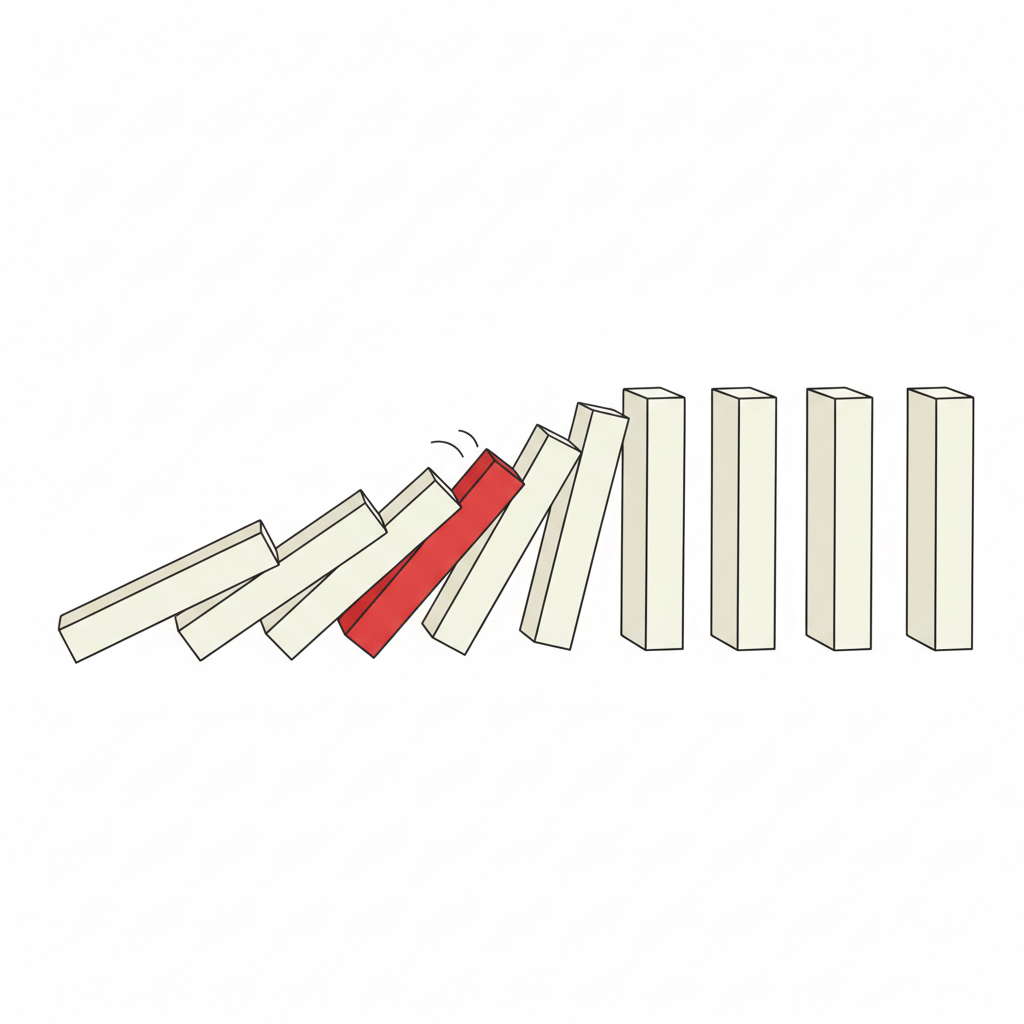
Crisis Timeline & Propagation

  • 2000–2006: Housing boom & credit expansion
  • 2006–2007: Rising mortgage defaults begin
  • 2008: Lehman Brothers collapse → Global Panic
  • 2009: Deep global recession
Made byBobr AI

Housing Bubble: The Divergence

The Case-Shiller Home Price Index showed prices decoupling from historical norms (income and rents) starting in 2000.

Chart
Made byBobr AI

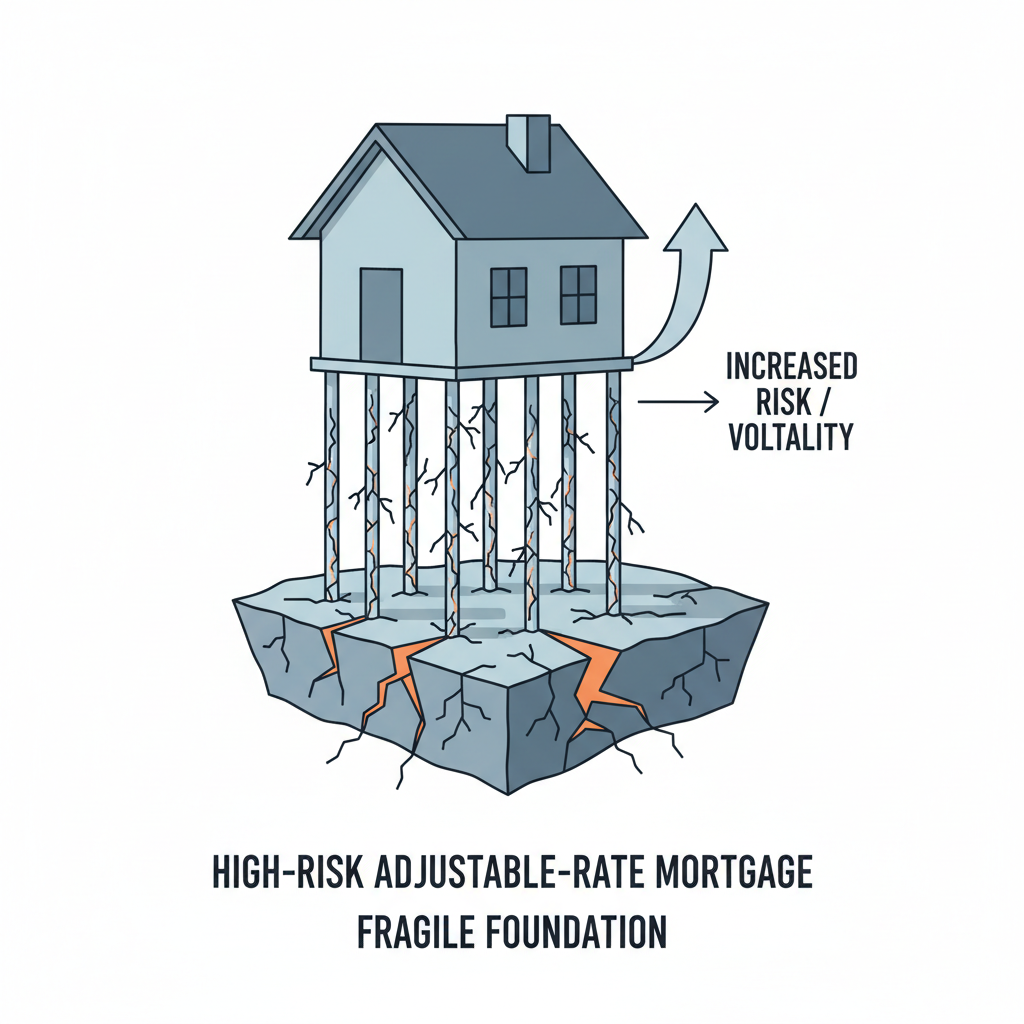
Subprime Mortgages & Default Probability

  • High-risk borrowers with no income verification (NINJA loans).
  • High Loan-to-Value (LTV) ratios left no equity cushion.
  • Adjustable-Rate Mortgages (ARMs) triggered defaults when rates reset.
Quant Focus:

Models underestimated the Probability of Default (PD) when multiple risk factors correlated.

Made byBobr AI

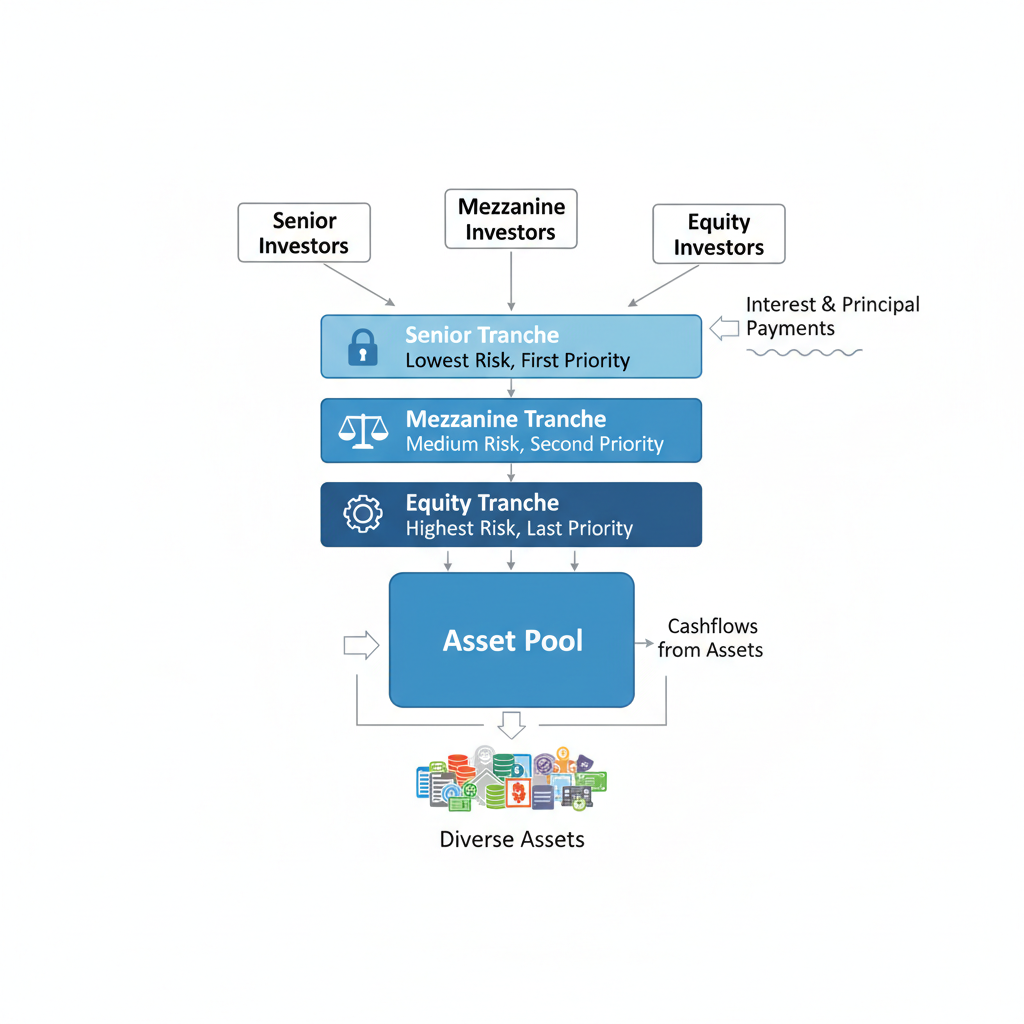
The Illusion of Diversification: CDOs

• Mortgage-Backed Securities (MBS) pooled thousands of loans.

• CDOs sliced these pools into 'tranches' based on risk preference.

• Assumption: Geographical diversification reduces joint default risk.

Reality: Systematic shocks affect all geographies simultaneously.
Made byBobr AI

The Culprit: Gaussian Copula

P(joint default) = Φ_ρ ( Φ⁻¹(p₁), ... , Φ⁻¹(pₙ) )

Used to price CDOs by estimating the probability of simultaneous defaults.

Key Variable: ρ (Rho): The Correlation Parameter

If ρ is low, tranches seem safe. If ρ spikes to 1, the model collapses.

Made byBobr AI

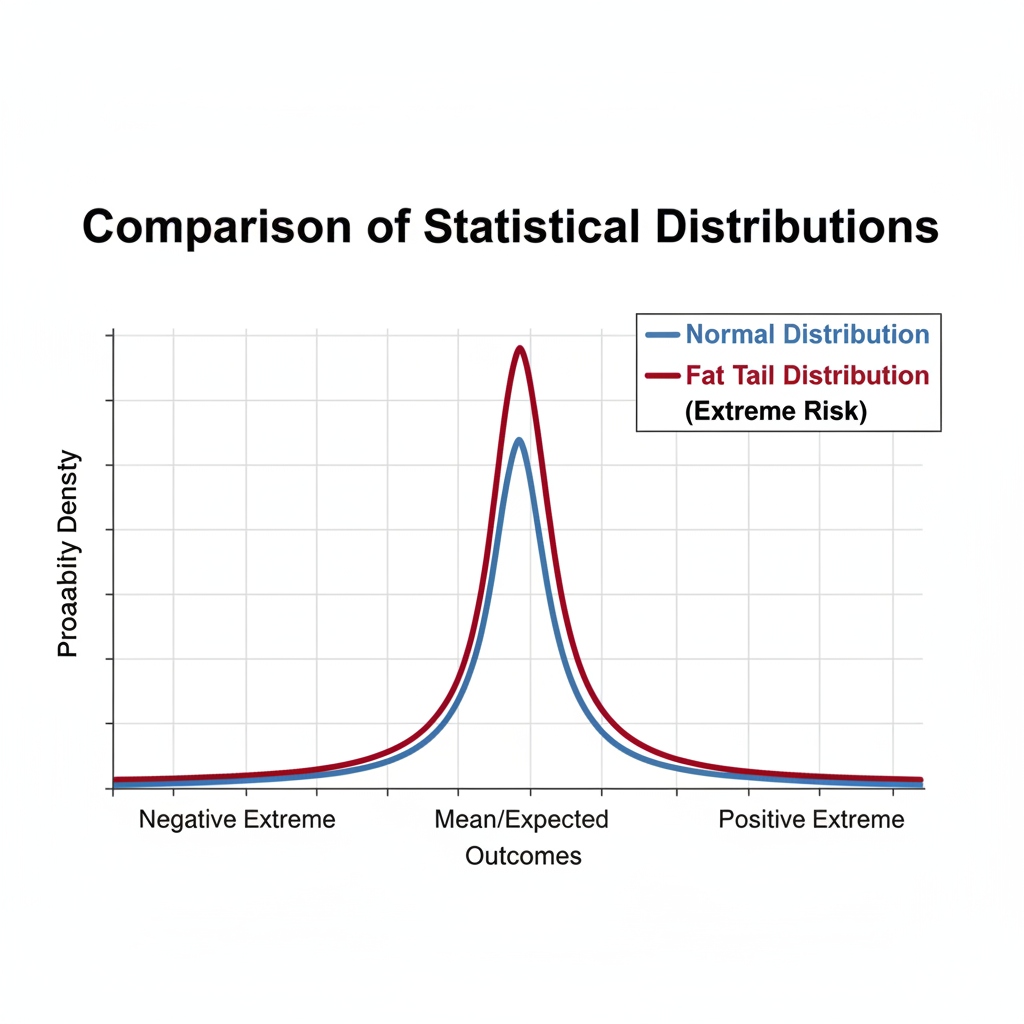
Why the Model Failed

1. Limited Data
Historical Bias: Data only covered the housing boom (short memory).
2. Ignored Tail Risk
Thin Tails: Gaussian distributions underestimate extreme events.
3. Correlation Breakdown
Dynamic Correlation: In a crisis, correlations trend toward 1.0.
Made byBobr AI

Leverage: The Magnifier

Leverage = Total Assets / Equity

With 30x leverage, a mere 3.3% drop in asset value wipes out 100% of equity.

Chart
Made byBobr AI

Economic Impact: The Real Economy

ΔGDP ≈ α + β(Credit Spreads) + ε

As credit markets froze, the real economy crashed. US Unemployment doubled in two years.

Chart
Made byBobr AI

Lessons for Quantitative Finance

1. Models are tools, not truth.
2. Correlation ≠ Causation (and correlation is not constant).
3. Stress Testing: Always test for 'impossible' scenarios.

"Quantitative methods should support judgment, not replace it."

Made byBobr AI
Bobr AI

DESIGNER-MADE
PRESENTATION,
GENERATED FROM
YOUR PROMPT

Create your own professional slide deck with real images, data charts, and unique design in under a minute.

Generate For Free

2008 Financial Crisis: Quantitative Analysis & Model Failures

Explore the mathematical causes of the 2008 financial crisis, including Gaussian Copula failures, CDOs, leverage risks, and systemic economic impacts.

The 2008 Global Financial Crisis

A Quantitative Analysis of Causes and Impacts

Perspective: Systemic Risk & Model Failure

Crisis Timeline & Propagation

2000–2006: Housing boom & credit expansion

2006–2007: Rising mortgage defaults begin

2008: Lehman Brothers collapse → Global Panic

2009: Deep global recession

Housing Bubble: The Divergence

The Case-Shiller Home Price Index showed prices decoupling from historical norms (income and rents) starting in 2000.

Subprime Mortgages & Default Probability

High-risk borrowers with no income verification (NINJA loans).

High Loan-to-Value (LTV) ratios left no equity cushion.

Adjustable-Rate Mortgages (ARMs) triggered defaults when rates reset.

The Illusion of Diversification: CDOs

Mortgage-Backed Securities (MBS) pooled thousands of loans.

CDOs sliced these pools into 'tranches' based on risk preference.

Assumption: Geographical diversification reduces joint default risk.

The Culprit: Gaussian Copula

P(joint default) = Φ_ρ ( Φ⁻¹(p₁), ... , Φ⁻¹(pₙ) )

Used to price CDOs by estimating the probability of simultaneous defaults.

ρ (Rho): The Correlation Parameter

If ρ is low, tranches seem safe. If ρ spikes to 1, the model collapses.

Why the Model Failed

Historical Bias: Data only covered the housing boom (short memory).

Thin Tails: Gaussian distributions underestimate extreme events.

Dynamic Correlation: In a crisis, correlations trend toward 1.0.

Leverage: The Magnifier

Leverage = Total Assets / Equity

With 30x leverage, a mere 3.3% drop in asset value wipes out 100% of equity.

Economic Impact: The Real Economy

ΔGDP ≈ α + β(Credit Spreads) + ε

As credit markets froze, the real economy crashed. US Unemployment doubled in two years.

Lessons for Quantitative Finance

Models are tools, not truth.

Correlation ≠ Causation (and correlation is not constant).

Stress Testing: Always test for 'impossible' scenarios.

"Quantitative methods should support judgment, not replace it."

  • financial-crisis
  • quantitative-finance
  • systemic-risk
  • economics
  • housing-bubble
  • risk-management
  • statistics