


International Law Breaches in Yemen: Legal Analysis
Expert analysis of IHL and human rights violations in Yemen. Covers conflict actors, illegal attacks, and the humanitarian crisis based on 2024 reports.
Breaches of International Law in Yemen
An Analysis of the 2024 Human Rights Watch World Report
Conflict Actors & Belligerents
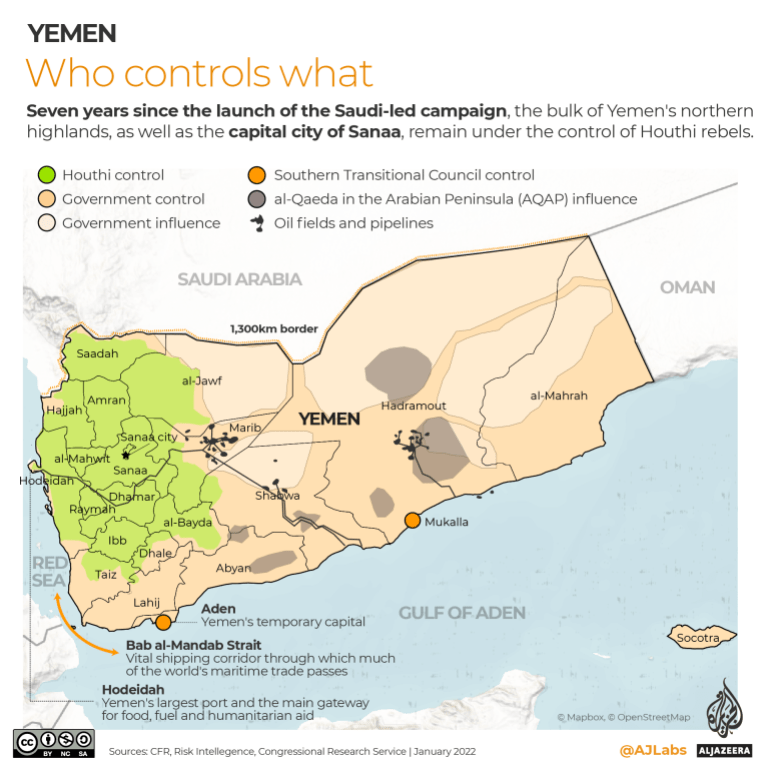
<b>Houthi Forces (Ansar Allah):</b> Control vast territory including Sanaa; allegations of shelling, sieges, and detention.
<b>Saudi/UAE-led Coalition:</b> Engaged in airstrikes affecting infrastructure; border guard violations reported.
<b>Yemeni Government (IRG):</b> Recognized legislative authority, implicated in detention and aid obstruction.
<b>Southern Transitional Council (STC):</b> UAE-backed group controlling key southern areas; operates informal detention sites.
Legal Framework: IHL & IHRL
Distinction
Parties must at all times distinguish between the civilian population and combatants, and between civilian objects and military objectives.
Proportionality
Launching an attack which may be expected to cause incidental loss of civilian life which would be excessive in relation to the military advantage is prohibited.
Human Rights Law
Applicable alongside IHL. Prohibits arbitrary detention, torture, and enforced disappearances regardless of the conflict status.
Unlawful and Indiscriminate Attacks
Human Rights Watch documents repeated failures to take feasible precautions to minimize civilian harm. This includes Coalition airstrikes on food and water infrastructure and Houthi shelling of residential areas.
Targeting schools and hospitals constitutes a grave violation of IHL.
Arbitrary Detention & Torture
<b>Systemic Violations:</b> All parties (Houthis, STC, IRG) engage in enforced disappearances and arbitrary arrests.
<b>Targeted Groups:</b> Human rights defenders, journalists, and religious minorities (e.g., Baha'is detained in Sanaa).
<b>Incommunicado Detention:</b> Detainees held in unofficial centers without legal recourse, often subject to ill-treatment.
Weaponization of Aid & Starvation
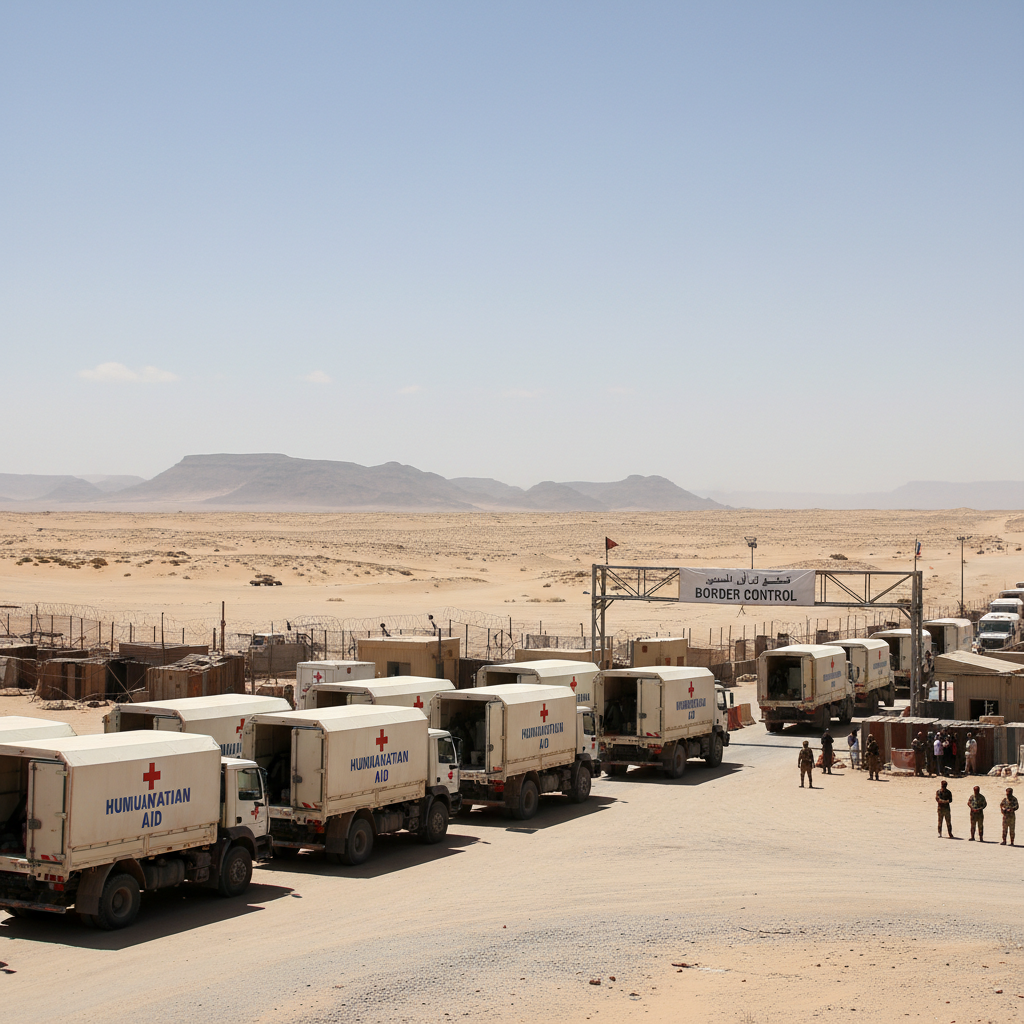
Parties to the conflict have imposed sieges and bureaucratic restrictions, directly contributing to the humanitarian crisis affecting over 21 million people.
The Siege of Taizz
Houthi forces blocked vital water and food access, restricting civilian movement.
Bureaucratic Impediments
Govt and Houthis obstructed aid assessments and diverted assistance to loyalists.
Banned Weapons & Landmines
The use of antipersonnel landmines violates the principle of distinction due to their inherently indiscriminate nature.
Extensive use of mines by Houthi forces in civilian areas.
Explosive remnants of war continue to kill and maim civilians long after battles.
Impact on Vulnerable Groups
<b>Children:</b> Over 11,200 killed or maimed since conflict start. Recruitment of ~4,000 children by warning parties. Attacks on schools deny education.
<b>Migrants:</b> Saudi border guards accused of mass killings of Ethiopian migrants, potentially amounting to crimes against humanity.
The Accountability Void
Impunity & Arms Transfers
Accountability has been dismantled since the UN Group of Eminent Experts (GEE) mandate ended in 2021. There is no independent international monitoring mechanism currently focused on Yemen.
Arms Transfers: Continued sale of weapons to conflict parties (Saudi Arabia, UAE) by Western powers violates the Arms Trade Treaty (Article 6) where there is a clear risk of serious IHL breaches.
Conclusion & Future Outlook
All major parties to the conflict continue to commit widespread violations of IHL and IHRL with total impunity.
The humanitarian crisis is man-made, exacerbated by obstructionist tactics and weaponization of aid.
Urgent need for the establishment of an independent criminal investigative mechanism to document abuses for future prosecution.
- yemen
- international-law
- human-rights
- ihl
- humanitarian-crisis
- war-crimes
- middle-east-conflict