


















Edward Taylor's 'Upon a Wasp Chilled with Cold' Analysis
A deep dive into Edward Taylor's metaphysical poetry for CIE AS Level Literature, covering conceit, Puritan theology, and literary techniques.
Upon a Wasp Chilled with Cold
By Edward Taylor
CIE AS Level Literature
Introduction & Pre-Reading Activities
Module 1: Context
Context & Biography
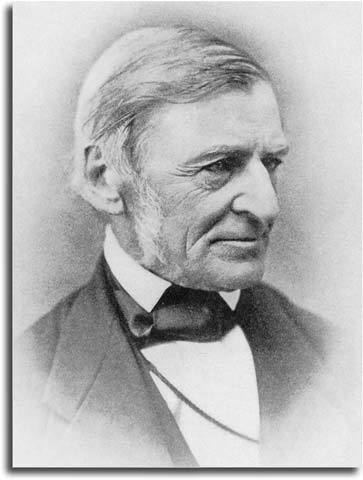
Edward Taylor
c. 1642 – 1729
Colonial American Literature
Born in England, Taylor emigrated to America in 1668. He served as the town minister and physician in the frontier settlement of Westfield, Massachusetts, for over 50 years.
Unlike many contemporaries, Taylor did not publish. His major work, 'Preparatory Meditations', remained undiscovered in Yale's library until the 1930s.
His poetry reflects deep Puritan theology, linking faith to themes of God's providence and the soul's journey, often utilizing complex metaphysical conceits.
CIE AS Level Literature
Upon a Wasp Chilled with Cold
by Edward Taylor
The Bear that breathes the Northern blast <br>Did numb, Torpedo like, a Wasp<br>Whose stiffened limbs encramped, lay bathing<br>In Sol’s warm breath and shine as saving,<br>Which with her hands she chafes and stands<br>Rubbing her Legs, Shanks, Thighs, and Hands.<br><br>Her pettycoat with gold folks wrought,<br>Which brought her bodies down to light,<br>Did she unfurl, and flightily<br>Mist out her little wings as ye...
Glossary
Torpedo
Refers to the electric ray fish, known for numbing its prey with shocks; a metaphor for the numbing cold.
Sol
The Latin word for the Sun; personified here as a warming, saving force.
Northern Blast
A cold winter wind coming from the North (associated with the constellation Ursa Major, the Bear).
Petticoat
An underskirt; used metaphorically to describe the wasp’s folded wings or lower body layers.
CIE AS Level Literature
Close Analysis
Stanza Progression
The poem traces the wasp’s movement from a state of cold numbness to active revitalization, creating a clear narrative arc of recovery.
Metaphor for Grace
The sun waking the chilled wasp serves as a conceit for God’s divine grace awakening the dormant human soul.
Detailed Observation
Taylor employs microscopic detail—describing legs, wings, and gestures—to elevate a humble insect into a vessel of theological significance.
Slide 6: Key Concepts
Main Themes
Divine Providence
The Relationship between Humanity and Nature
The Quest for Salvation
The Majesty of God’s Creation
CIE AS Level Literature
Literary Techniques
Edward Taylor employs intricate literary devices to transform a simple observation of nature into a profound spiritual meditation. These techniques reveal the poem’s dual layers of meaning.
Metaphysical Conceit
An elaborate, extended metaphor that links the wasp's physical warming to the speaker’s desperate need for spiritual grace.
Alliteration
Repetitive consonant sounds (e.g., 'Bear,' 'Blast') create a harsh, rhythmic texture mirroring the biting cold wind.
Zoomorphism
Attributing animal characteristics to humans; here, the wasp's instinctual actions reflect the ideal state of human devotion.
Personification
Giving the wasp human qualities (like gratitude and reasoning) to make it a relatable symbol for the soul.
Exam Practice
CIE AS Level Literature
"In what ways, and with what effects, does Taylor present the wasp in this poem?"
Points to Consider
Analyze the poem's structure and the use of the 'conceit'.
Discuss the contrast between the physical cold and spiritual warmth.
Examine how specific imagery (flight, sun, amber) creates meaning.
Embed short, relevant quotations to support your analysis.
- edward-taylor
- literature-analysis
- cie-as-level
- poetry-study-guide
- metaphysical-conceit
- puritan-literature
- as-level-english