

Made byBobr AI

Understanding Memes: Digital Culture & Visual Methodology

Explore memes as dynamic cultural artefacts. Learn about cultural production, Rose's visual methodology, and how memes create meaning in digital spaces.

#memes#digital-culture#visual-methodology#media-studies#cultural-production#internet-trends#social-media-analysis
Watch
Pitch
😂
💀
💬
💯
🤡
🔥
01001101 01000101 01001101 01000101 01010011 00100000 01100001 01110011 00100000 01000011 01110101 01101100 01110100 01110101 01110010 01100101

MEMES
AS DIGITAL CULTURE

Cultural Production, Meaning-Making & Digital Participation

Exploring memes through intertextuality, circulation & visual methodology.

Digital Culture Studies
Made byBobr AI
😂
💀
💬
INTRODUCTION

What Are Memes?

🔁
Small units of culture that spread through imitation, remixing & adaptation
👥
Groups of digital items sharing common content, form & stance — circulated and transformed by users (Shifman, 2013)
🎭
Audiences are not just consumers — they are active producers who recreate and modify content
Shifman, 2013
Made byBobr AI
🗿
💻
THEORY

Memes as Cultural Production

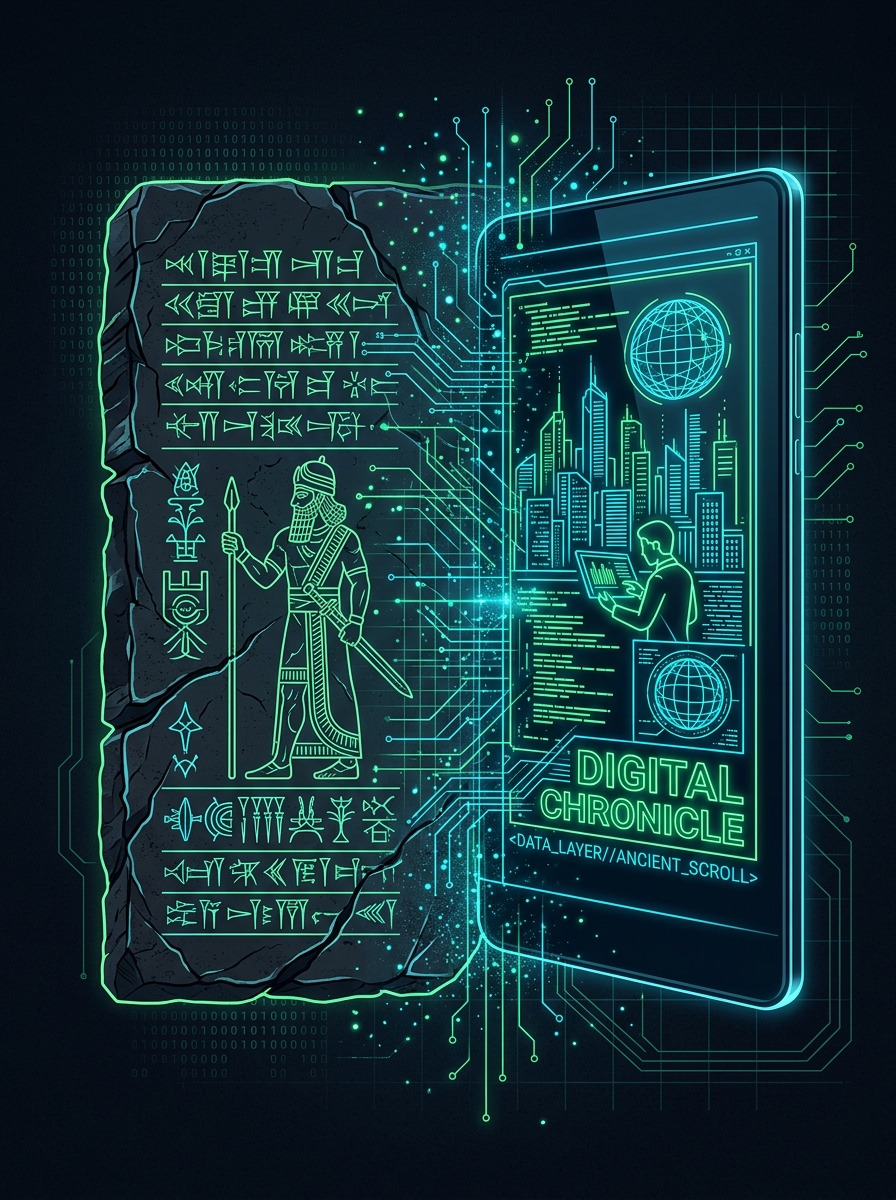
Cultural production = the creation of cultural artefacts that reflect consumer interests and mark the moment in which we live.

— Hutchinson, 2023

Just as historical artefacts tell us how people lived in the past...

...memes act as DIGITAL ARTEFACTS capturing everyday life today

They reflect social experiences, humour, political & cultural ideas

Artifact Visualization
Hutchinson, 2023
Made byBobr AI
🌐
🔗
🚀
👾
KEY CONCEPTS

How Memes Function

Intertextuality

Memes combine multiple references — a movie scene + a relatable situation. This blending of texts makes them feel clever & recognisable.

Cultural Reproduction

Memes are constantly remixed, reappropriated & adapted. Users transform content to suit their own context rather than simply copying it.

Spreadability

Memes are simple, relatable & emotionally engaging — allowing them to circulate rapidly across digital platforms.

Made byBobr AI
CASE STUDY

The Studying Meme

> THE MEME
📄 CONTENT
Procrastination & distraction — a shared experience among students. Notification leads to hours of scrolling.
🖼️ FORM
Simple image + text combination. Low production quality — intentionally unpolished.
😏 STANCE
Humorous and self-aware. Relatable tone creates emotional connection.
Analysis framework: Shifman, 2013
Made byBobr AI
METHODOLOGY

Rose's Critical Visual Methodology

Four key sites for analysing memes (Rose, 2016/2019)

THE MEME
🏭

PRODUCTION

Who made it & why?

🖼️

IMAGE

How is meaning created visually?

🌐

CIRCULATION

How does it spread?

👁️

AUDIENCING

How is it interpreted?

Rose, 2016 / Rose, 2019
Made byBobr AI
ROSE'S FRAMEWORK — SITE 01

PRODUCTION

Who created the meme — and why?
01
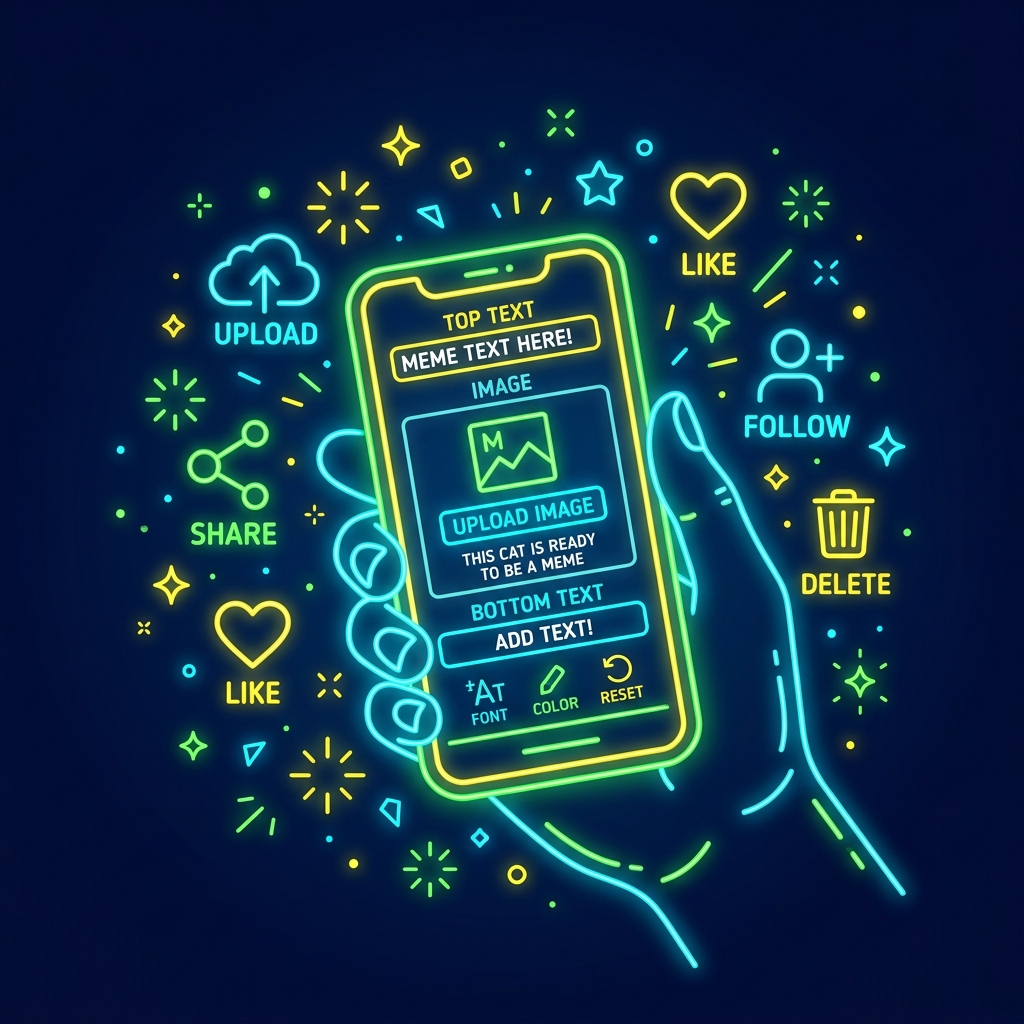
Most memes are created by EVERYDAY USERS, not professionals → reflects participatory culture
02
Produced quickly using accessible digital tools — no specialist skills required
03
Goal: to be RELATABLE & SHAREABLE, not polished or high quality
"Digital media lowers the barrier to content creation"
Illustration of digital media creation
Rose, 2016
Made byBobr AI
🖼️
🤔
💬
01010011 01001001 01000111 01001110 01001001 01000110 01001001 01000101 01010010
ROSE'S FRAMEWORK — SITE 02

IMAGE

How the meme LOOKS & how meaning is created visually

🎨
Memes follow RECOGNISABLE FORMATS combining text and images
🗑️
The 'UGLY AESTHETIC' — visuals appear low-quality or unpolished intentionally (Douglas, 2014)
Rejects professional media standards feels MORE authentic & relatable
[ SAUSSURE'S SIGN THEORY ]
SIGNIFIER
(same visual form)
SIGNIFIED
(meaning changes)
The same meme TEMPLATE = same signifier | different CAPTIONS = new meanings
Douglas, 2014 | Rose, 2016
Made byBobr AI
ROSE'S FRAMEWORK — SITE 03

Circulation

How memes SPREAD across digital platforms

01.
Content created in SMALL GROUPS can quickly reach MASSIVE AUDIENCES online (Douglas, 2014)
02.
Memes spread through social media — copied, adapted & re-shared continuously
03.
During circulation, users MODIFY memes to fit their own context multiple versions emerge
"One meme → infinite variations"
Douglas, 2014 | Rose, 2016
Made byBobr AI
ROSE'S FRAMEWORK — SITE 04

Audiencing

How different AUDIENCES interpret memes

Understanding memes requires CULTURAL CAPITAL — knowledge of cultural references & shared experiences
The studying meme is most relatable to STUDENTS → creates in-group identity
Memes are NOT universally understood — meaning depends on the viewer's background & position
Same meme, different readings — context is everything
💡
Rose, 2016 | Nissenbaum & Shifman, 2017
Made byBobr AI
🌐
01000011 01001111 01001110 01000011 01001100 01010101 01010011 01001001 01001111 01001110
CONCLUSION

Memes: More Than Just Jokes

01

Memes are DYNAMIC CULTURAL ARTEFACTS reflecting and shaping social, cultural & political contexts

02

They rely on PARTICIPATION, REMIXING & SHARED KNOWLEDGE

03

Best analysed through production, image, circulation & audiencing

"Memes act as cultural markers of our time — offering insight into how people communicate, relate & make meaning in digital environments."

Made byBobr AI
REFERENCES

References

Douglas, N. (2014). It's supposed to look like shit: The internet ugly aesthetic. Journal of Visual Culture, 13(3), 314–339.
Hutchinson, J. (2023). Digital intermediation: Unseen infrastructures for cultural production. Routledge.
Nissenbaum, A., & Shifman, L. (2017). Internet memes as contested cultural capital: The case of 4chan's /b/ board. New Media & Society, 19(4), 483–501.
Rose, G. (2016). Visual methodologies: An introduction to researching with visual materials (4th ed.). Sage.
Rose, G. (2019). Visual methodologies: An introduction to researching with visual materials (5th ed.). Sage.
Shifman, L. (2013). Memes in digital culture. MIT Press.
Made byBobr AI
Bobr AI

DESIGNER-MADE
PRESENTATION,
GENERATED FROM
YOUR PROMPT

Create your own professional slide deck with real images, data charts, and unique design in under a minute.

Generate For Free

Understanding Memes: Digital Culture & Visual Methodology

Explore memes as dynamic cultural artefacts. Learn about cultural production, Rose's visual methodology, and how memes create meaning in digital spaces.

MEMES

AS DIGITAL CULTURE

Cultural Production, Meaning-Making & Digital Participation

Exploring memes through intertextuality, circulation & visual methodology.

Digital Culture Studies

INTRODUCTION

What Are Memes?

🔁

Small units of culture that spread through imitation, remixing & adaptation

👥

Groups of digital items sharing common content, form & stance — circulated and transformed by users (Shifman, 2013)

🎭

Audiences are not just consumers — they are active producers who recreate and modify content

Shifman, 2013

THEORY

Memes as Cultural Production

Cultural production = the creation of cultural artefacts that reflect consumer interests and mark the moment in which we live.

— Hutchinson, 2023

Just as historical artefacts tell us how people lived in the past...

...memes act as DIGITAL ARTEFACTS capturing everyday life today

They reflect social experiences, humour, political & cultural ideas

Hutchinson, 2023

KEY CONCEPTS

How Memes Function

Intertextuality

Memes combine multiple references — a movie scene + a relatable situation. This blending of texts makes them feel clever & recognisable.

Cultural Reproduction

Memes are constantly remixed, reappropriated & adapted. Users transform content to suit their own context rather than simply copying it.

Spreadability

Memes are simple, relatable & emotionally engaging — allowing them to circulate rapidly across digital platforms.

CASE STUDY

The Studying Meme

THE MEME

📄 CONTENT

Procrastination & distraction — a shared experience among students. Notification leads to hours of scrolling.

🖼️ FORM

Simple image + text combination. Low production quality — intentionally unpolished.

😏 STANCE

Humorous and self-aware. Relatable tone creates emotional connection.

Analysis framework: Shifman, 2013

METHODOLOGY

Rose's Critical Visual Methodology

Four key sites for analysing memes (Rose, 2016/2019)

THE MEME

PRODUCTION

Who made it & why?

IMAGE

How is meaning created visually?

CIRCULATION

How does it spread?

AUDIENCING

How is it interpreted?

Rose, 2016 / Rose, 2019

ROSE'S FRAMEWORK — SITE 01

PRODUCTION

Who created the meme — and why?

Most memes are created by EVERYDAY USERS, not professionals → reflects participatory culture

Produced quickly using accessible digital tools — no specialist skills required

Goal: to be RELATABLE & SHAREABLE, not polished or high quality

Digital media lowers the barrier to content creation

Rose, 2016

ROSE'S FRAMEWORK — SITE 02

IMAGE

How the meme <span style="color: #ccff00; font-weight: bold;">LOOKS</span> & how meaning is created visually

🎨

Memes follow <strong style="color: #fff;">RECOGNISABLE FORMATS</strong> combining text and images

🗑️

The <strong style="color: #fff;">'UGLY AESTHETIC'</strong> — visuals appear low-quality or unpolished intentionally <span style="color:#a3a3b5; font-size:20px; margin-left: 5px;">(Douglas, 2014)</span>

Rejects professional media standards <strong style="color:#ff0055; margin: 0 5px;">→</strong> feels <strong style="color: #fff;">MORE</strong> authentic & relatable

SIGNIFIER

(same visual form)

SIGNIFIED

(meaning changes)

The same meme <strong style="color:#ccff00; font-size: 22px;">TEMPLATE</strong> = same signifier <span style="margin:0 15px; color:rgba(255,255,255,0.3);">|</span> different <strong style="color:#00ffcc; font-size: 22px;">CAPTIONS</strong> = new meanings

Douglas, 2014 | Rose, 2016

ROSE'S FRAMEWORK — SITE 03

Circulation

How memes SPREAD across digital platforms

One meme → infinite variations

Douglas, 2014 | Rose, 2016

ROSE'S FRAMEWORK — SITE 04

Audiencing

How different AUDIENCES interpret memes

Understanding memes requires CULTURAL CAPITAL — knowledge of cultural references & shared experiences

The studying meme is most relatable to STUDENTS → creates in-group identity

Memes are NOT universally understood — meaning depends on the viewer's background & position

Same meme, different readings — context is everything

Rose, 2016 | Nissenbaum & Shifman, 2017

CONCLUSION

Memes: More Than Just Jokes

Memes are

DYNAMIC CULTURAL ARTEFACTS

reflecting and shaping social, cultural & political contexts

They rely on

PARTICIPATION, REMIXING & SHARED KNOWLEDGE

Best analysed through

production, image, circulation & audiencing

Memes act as cultural markers of our time — offering insight into how people communicate, relate & make meaning in digital environments.

REFERENCES

References

Douglas, N.

(2014). It's supposed to look like shit: The internet ugly aesthetic. Journal of Visual Culture, 13(3), 314–339.

Hutchinson, J.

(2023). Digital intermediation: Unseen infrastructures for cultural production. Routledge.

Nissenbaum, A., & Shifman, L.

(2017). Internet memes as contested cultural capital: The case of 4chan's /b/ board. New Media & Society, 19(4), 483–501.

Rose, G.

(2016). Visual methodologies: An introduction to researching with visual materials (4th ed.). Sage.

Rose, G.

(2019). Visual methodologies: An introduction to researching with visual materials (5th ed.). Sage.

Shifman, L.

(2013). Memes in digital culture. MIT Press.

  • memes
  • digital-culture
  • visual-methodology
  • media-studies
  • cultural-production
  • internet-trends
  • social-media-analysis