



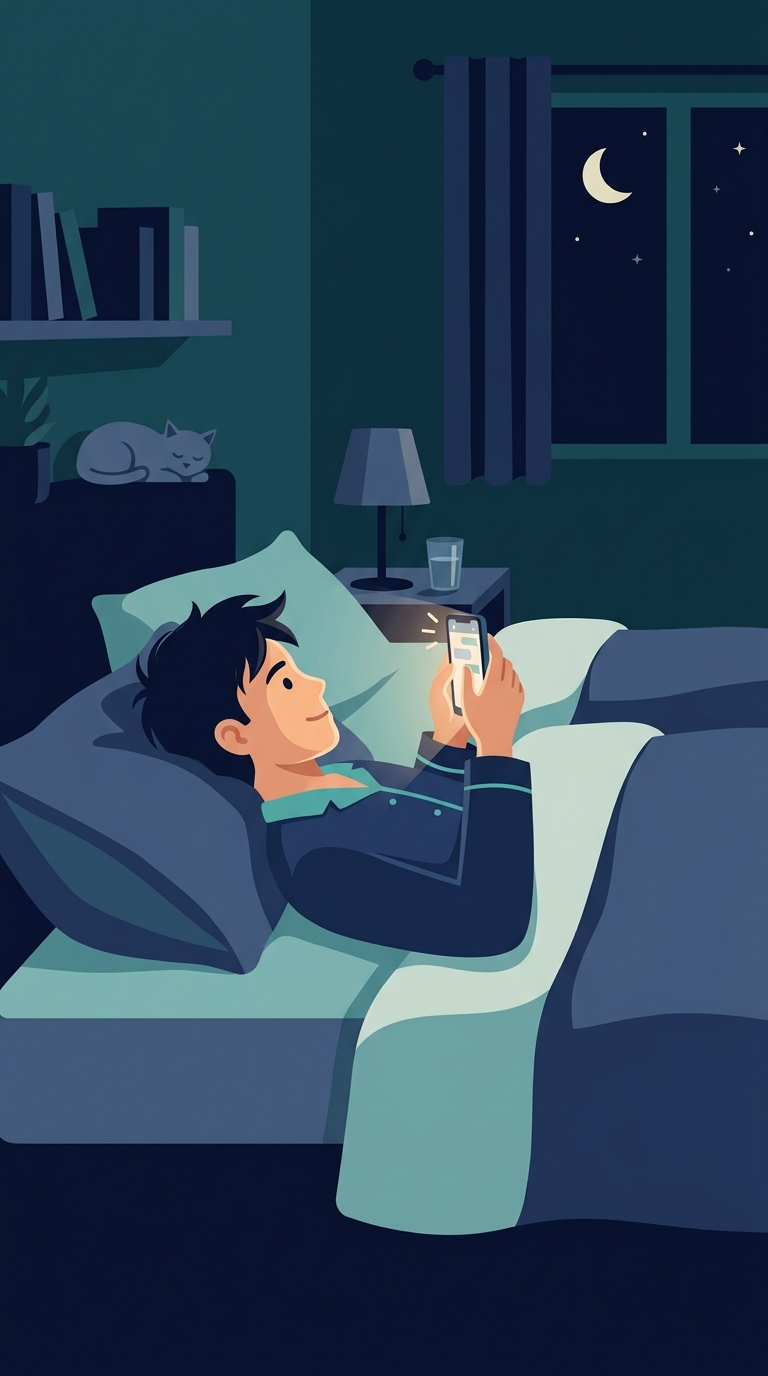

The Importance of Sleep: Health, Safety & Wellbeing Guide
Learn why quality sleep is essential for brain development, heart health, and mental wellbeing. Includes sleep tips for children, teens, and shift workers.
HEALTH AWARENESS
The Importance of Sleep
Why quality sleep is essential for your health, safety & wellbeing
Sleep well. Live well.
WHY SLEEP MATTERS
Sleep is a Vital Biological Function
Sleep is not just rest — it's an essential biological process that keeps our body and mind functioning. Without it, we simply cannot survive.
Brain Development
Supports cognitive function, learning, and memory consolidation
Heart & Metabolism
Regulates cardiovascular health and body metabolism
Physical Recovery
Repairs muscles and tissues while you sleep
Mood & Mental Health
Balances emotions and reduces stress and anxiety
SLEEP RECOMMENDATIONS
How Much Sleep Is Enough?
* Babies and children need significantly more sleep than adults for healthy growth and development.
THE RISKS
What Happens When You Don't Sleep Enough?
1 in 5
road accidents are linked to driver fatigue
Deadly consequences — in the workplace and on the road.
Poor concentration & memory
Slower reaction times & mood swings
Obesity & Type 2 Diabetes risk
Cardiovascular disease
Poor mental health
HEALTH CONNECTION
Sleep is a Pillar of Good Health
Getting enough sleep every night is just as important as other healthy habits.
Eating healthily
Regular exercise
Not smoking
Limiting alcohol
Getting quality sleep
Sleep is the foundation that makes all other healthy habits more effective.
SLEEP TIPS
Building Good Sleep Habits
Stick to a Routine
Go to bed and wake up at the same time daily
Limit Screen Time
Avoid bright screens 1 hour before bedtime
Exercise Regularly
Stay active, but avoid exercise close to bedtime
Avoid Stimulants
No caffeine, alcohol or heavy meals 4–6 hours before bed
Comfortable Environment
Keep your bedroom dark, quiet and cool
Wind Down
Relax before bed — read, meditate or take a warm bath
FOR CHILDREN
Helping Children Sleep Better
Children benefit greatly from regular sleep routines. Here's how to help:
Play outside in daylight hours for better biological rhythm
Reduce naps after age 3 — avoid naps after 4:00pm
Avoid overtiring children before bedtime
Keep a calm, consistent bedtime routine
Address bedtime behaviour problems early before they become habits
Babies and children need up to 14 hours of sleep for healthy growth.
FOR TEENAGERS
Teen Sleep: Why It Still Matters
Teenagers naturally shift to later sleep patterns—but consistent, adequate sleep is still critical for learning, mood, and health.
Teenagers need 8–10 hours of sleep per night
Avoid late-night homework or sport on school nights
Exercise earlier in the day or early evening
Keep weekend sleep patterns as regular as possible
Limit screen use and caffeine in the evenings
FOR SHIFT WORKERS
Working When Your Body Wants to Sleep
Shift workers face higher risks of fatigue-related accidents
Managing sleep on non-standard hours takes extra care. Follow these steps:
Silence your phone
Let people know not to disturb your sleep time
Block out light
Use blackout curtains, avoid bright sunlight before sleep
Sleep before shifts
Rest before your shift rather than after when possible
Build a routine
Keep consistent sleep schedules that match your roster
Avoid stimulants
No caffeine or heavy exercise close to sleep time
KEY TAKEAWAYS
Sleep Well. Live Well.
Sleep is essential — not optional
Adults need 7–9 hours nightly
Children need more — up to 14 hours
Poor sleep causes serious health risks
Good habits make a big difference
Sleep is the single most effective thing we can do to reset our brain and body health each day.
For more information, speak to your healthcare provider.
The Importance of Sleep
- sleep-hygiene
- health-and-wellness
- mental-health
- sleep-recommendations
- wellbeing
- healthy-habits