





Made byBobr AI

Understanding Racism & Discrimination in Australia (EALD)

Educational resource for Year 11 students on the Racial Discrimination Act 1975, identifying obvious vs. hidden racism, and classroom activities.

#social-justice#australian-law#education#anti-racism#eald-resource#high-school-curriculum#cultural-diversity
Watch
Pitch
Abstract watercolor background

Understanding Racism & Discrimination

Year 11 EALD — Australian Context

Social Justice Unit
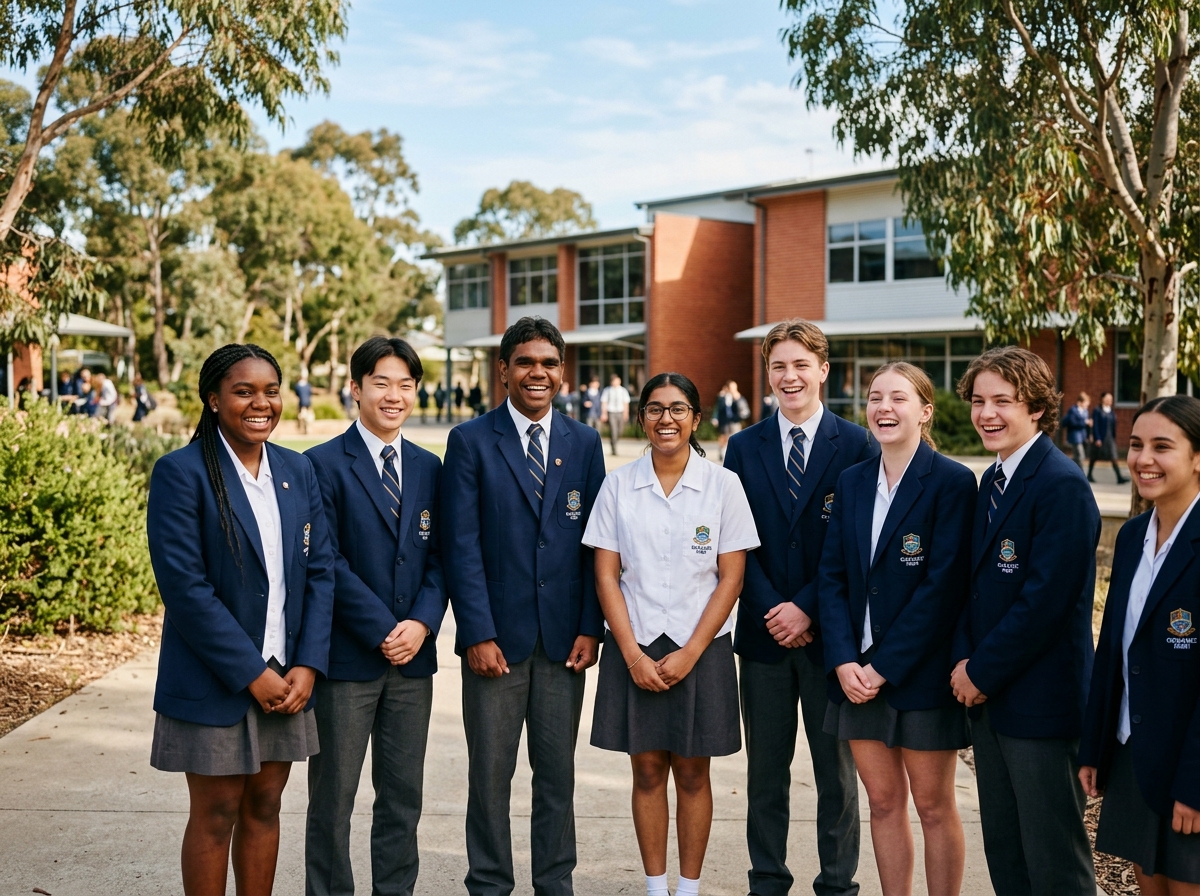
Diverse Australian school students
Made byBobr AI

Did You Know?

Australia's Cultural Diversity

1 in 4
people in Australia were born overseas
Almost 50%
of Australians have at least one parent born overseas
200+
different languages spoken across the country
"Cultural diversity is one of Australia's greatest strengths."
Diverse face icons
Made byBobr AI

What is Discrimination?

Discrimination is when a person or group of people are treated badly or unfairly because of who they are.

This can be because of:

🌍 Where you were born
🎨 The colour of your skin
🗣️ Your language or accent
👘 Your cultural background or appearance

In Australia, discrimination is against the law.

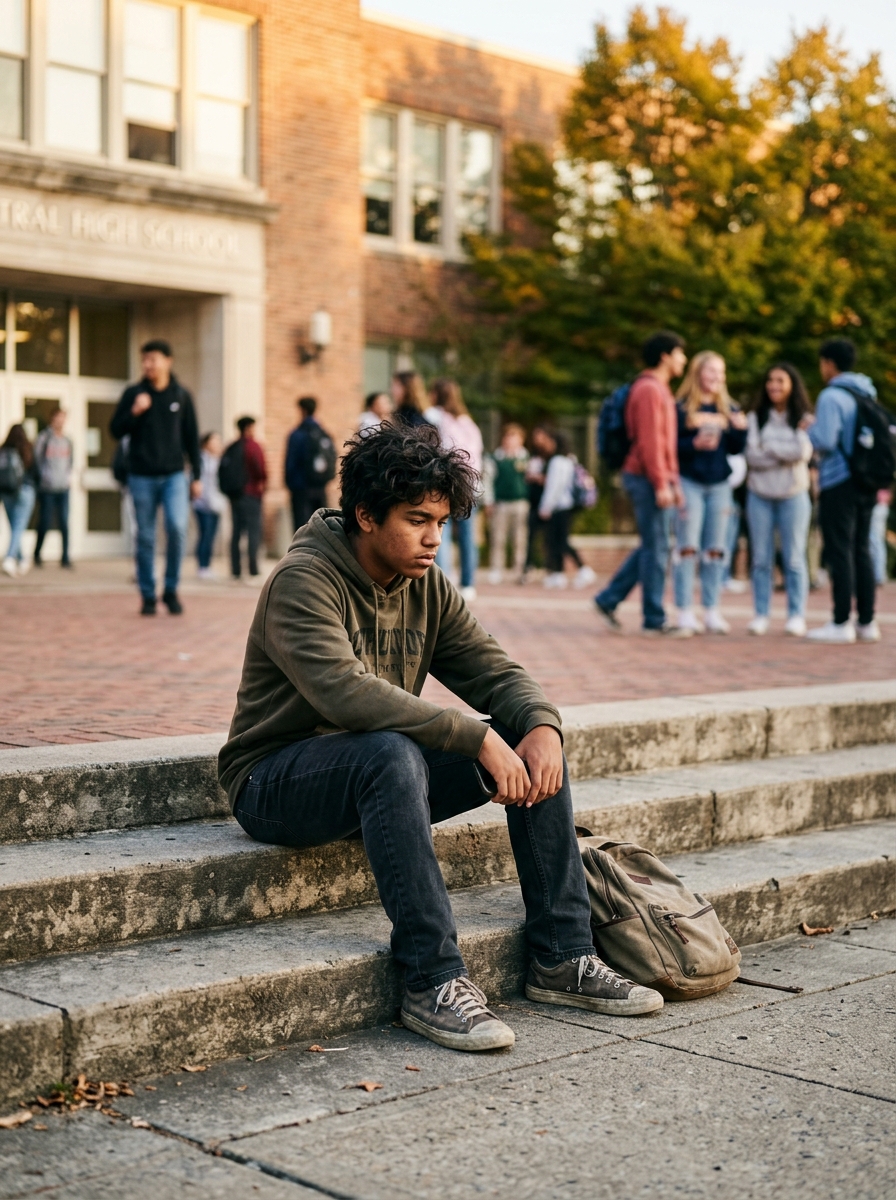
Student sitting alone
Made byBobr AI
Australia map watermark

The Racial Discrimination Act 1975 (Cth)

Australia's key law protecting everyone from racial discrimination.

⚖️ Everyone must be treated EQUALLY regardless of skin colour, birthplace or appearance.

🏪 You CANNOT be removed from a shop, bus, library or school because of your race or accent.

📅 This law has existed since 1975 — but racism still happens today.

💬 Discussion: Why do you think laws alone don't stop racism?

Made byBobr AI

What Can Racism Look Like?

Racism can be obvious (easy to see) OR hidden (hard to notice).

👁️ OBVIOUS Racism (Easy to Spot)

Yelling mean words at someone because of their skin colour
Physically hurting someone because of their race
Telling someone they can't do something because of where they're from
Posting cruel cartoons or jokes about someone's culture or country

🔍 HIDDEN Racism (Harder to Notice)

A school rule saying "only speak English" — even at lunch and recess
Assuming someone is less smart because of their background
Leaving someone out of a group because of their culture
Making comments about someone's food, clothing or language
💡 Even if it's meant as a joke — racist comments are still racism.
Made byBobr AI

The Impact of Racism

Racism doesn't just hurt — it has real effects on people's lives.

😰

Anxiety & Fear

People may feel scared to go to public places like buses, shops or school.

🚌

Avoiding Places

Imagine being yelled at on the school bus. You might never want to take it again.

💔

Not Belonging

Racism makes people feel like they don't fit in or can't be themselves.

🧠

Mental Health

Ongoing racism can lead to depression, stress and loss of confidence.

🤔
Think About It: How would YOU feel if this happened to you?
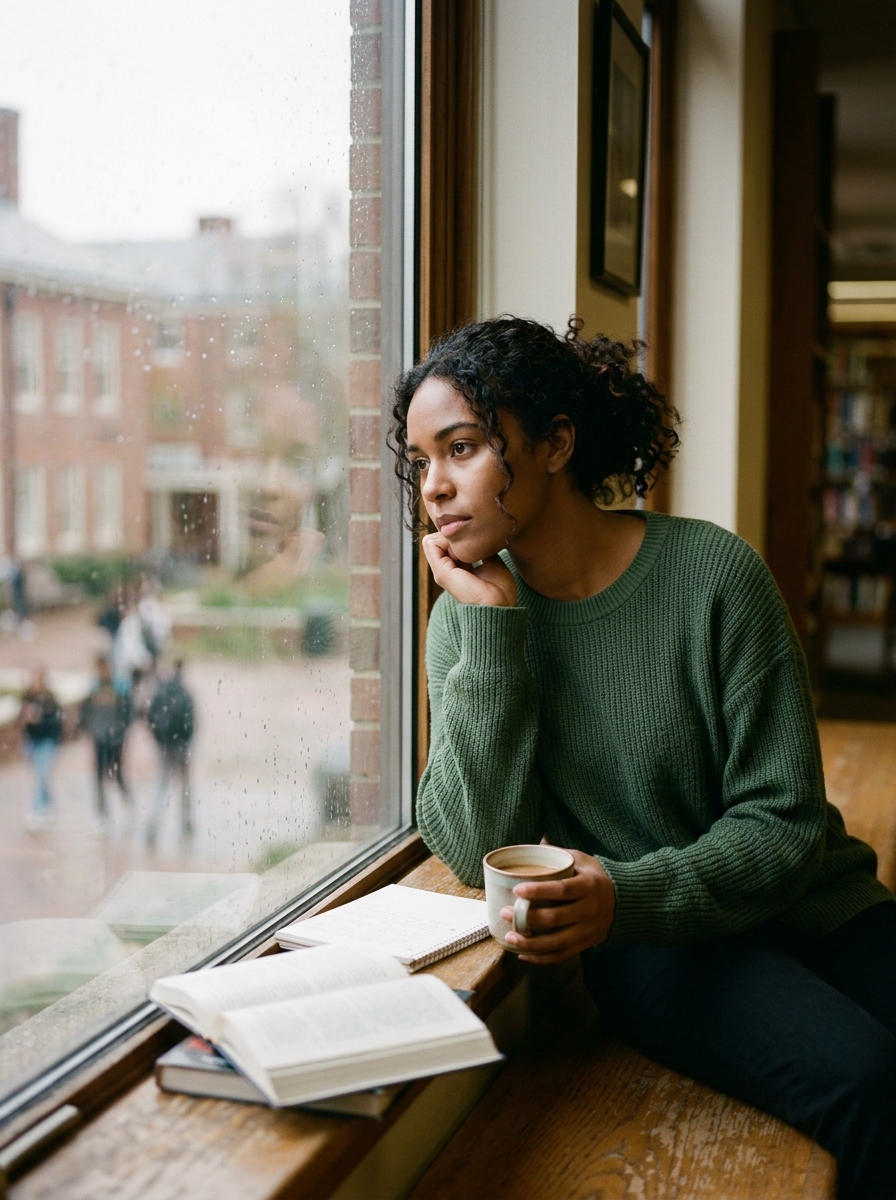
A thoughtful young person
Made byBobr AI

What Can YOU Do?

We all share the responsibility to stop racism.

Don't Be Racist

Never treat anyone differently because of their skin colour, language, background or where they're from.

Support Others

If you see someone being treated badly, check in with them. Ask: 'Are you okay? Is there anything I can do?'

Speak Up Safely

If it's safe, tell the person being mean: 'That's not okay.' Or get help from a trusted adult — a teacher or coach.

As human beings, we are all equal and we have the right to be treated with dignity and respect.

Made byBobr AI
✏️ ACTIVITY 1

Vocabulary Match

Match each word to its correct definition.

Key Words

Racism
Discrimination
Cultural background
Racial Discrimination Act
Dignity
Equality

Definitions

A.
A law in Australia that protects people from being treated unfairly because of their race.
B.
When all people are treated the same and have the same rights.
C.
When someone is treated unfairly because of their race, skin colour or where they come from.
D.
The traditions, language, food and customs of the group you belong to.
E.
Being treated with respect and value as a human being.
F.
When a person is treated badly because of who they are.

Draw a line to connect each word (left) with its definition (right). Compare your answers with a partner.

Made byBobr AI
✏️ ACTIVITY 2

Is It Racism? Sort It Out!

Read each scenario. Decide: Is it racism? Is it hidden racism? Or is it NOT racism?

INSTRUCTIONS: Write the number of each scenario in the correct column of the table above. Then discuss with your group.
✅ Obvious Racism
Drop numbers here
🔍 Hidden Racism
Drop numbers here
❌ Not Racism
Drop numbers here
MATCH TO CATEGORY ⬆️
1
A shopkeeper follows a person around because of their skin colour.
2
A student is told to only speak English during lunchtime, even with friends.
3
Someone makes fun of a classmate's traditional food, calling it 'disgusting'.
4
Two friends argue about which movie to watch after school.
5
A job application is ignored because the person has a foreign-sounding name.
Made byBobr AI
💬 ACTIVITY 3

Real Stories: What Would You Do?

Read each story. Then answer the questions with your partner or group.

Story 1 — On the Bus 🚌
Mia is on the school bus when an older student shouts at her: 'Go back to your own country!' Mia feels embarrassed and scared. She starts walking to school to avoid the bus.
Q1: Why do you think Mia felt embarrassed and scared?
Q2: What could a bystander on the bus have done?
Q3: Who could Mia talk to for help?
Story 2 — At School 🏫
During class, the teacher mispronounces Priya's name, then laughs and says 'I'll just call you something easier.' Some students laugh. Priya feels invisible and unimportant.
Q1: Is this racism? Why or why not?
Q2: How might Priya feel after this happens?
Q3: What should the teacher have done differently?
Share your ideas with the class. Remember: there are no wrong answers — just respectful discussion.
Made byBobr AI
🗣️ ACTIVITY 4

Let's Talk! Speaking Activity

Use these sentence starters to share your ideas with the class.

"
"I think racism is... because..."
Share your personal thoughts and reasoning
"
"In my culture, it is important to..."
Discuss your traditions and values
"
"One time I (or someone I know) felt left out because..."
Reflect on a personal experience or observation
"
"I believe everyone has the right to..."
Talk about fairness and human rights
"
"If I saw someone being treated unfairly, I would..."
Explain how you would show support
"
"One thing I can do to make my school more inclusive is..."
Suggest a positive action for change
💡 Tip for EALD Learners: You can use these starters to help you organise your ideas before speaking. It's okay to take your time!
Made byBobr AI
📋 Student Worksheet — Year 11 EALD
Understanding Racism & Discrimination
Name: ______________________ Date: _____________ Class: _______
Part A: Key Vocabulary
[ racism | discrimination | dignity | equality | cultural background ]
1. __________________ is when someone is treated unfairly because of their race.
2. Australia's __________________ Act 1975 protects people from racial discrimination.
3. Everyone deserves to be treated with __________________ and respect.
4. When all people have the same rights, this is called __________________.
Part B: True or False
1. In Australia, it is legal to refuse someone service because of their skin colour.
T
F
2. Racism can be hard to notice sometimes.
T
F
3. Making a joke about someone's culture is never racist.
T
F
4. The Racial Discrimination Act was introduced in 1975.
T
F
5. Bystanders can help stop racism by speaking up.
T
F
Part C: Short Answer
1. In your own words, what is racism? (2–3 sentences)
2. Describe ONE example of hidden racism.
3. What can YOU do if you witness racism at school?
Part D: Reflection
Complete this sentence in your own words:
After learning about racism, one thing I want to remember is...
One action I will take is...
All students have the right to feel safe and respected at school.
Made byBobr AI
Abstract watercolor background
📌 Key Takeaways

Remember These 5 Things

1
Australia is proudly multicultural — diversity is our strength.
2
Racism and discrimination are wrong AND illegal in Australia.
3
Racism can be obvious or hidden — both cause real harm.
4
Racism affects mental health, safety and belonging.
5
We all have a responsibility to speak up and support each other.
Diverse students
Every person deserves to be treated with DIGNITY, FAIRNESS and RESPECT. 🌏
Made byBobr AI
Bobr AI

DESIGNER-MADE
PRESENTATION,
GENERATED FROM
YOUR PROMPT

Create your own professional slide deck with real images, data charts, and unique design in under a minute.

Generate For Free

Understanding Racism & Discrimination in Australia (EALD)

Educational resource for Year 11 students on the Racial Discrimination Act 1975, identifying obvious vs. hidden racism, and classroom activities.

Understanding Racism & Discrimination

Year 11 EALD — Australian Context

Social Justice Unit

Did You Know?

Australia's Cultural Diversity

1 in 4

people in Australia were born overseas

Almost 50%

of Australians have at least one parent born overseas

200+

different languages spoken across the country

Cultural diversity is one of Australia's greatest strengths.

What is Discrimination?

Discrimination is when a person or group of people are treated badly or unfairly because of who they are.

This can be because of:

Where you were born

The colour of your skin

Your language or accent

Your cultural background or appearance

In Australia, discrimination is against the law.

The Racial Discrimination Act 1975 (Cth)

Australia's key law protecting everyone from racial discrimination.

⚖️ Everyone must be treated EQUALLY regardless of skin colour, birthplace or appearance.

🏪 You CANNOT be removed from a shop, bus, library or school because of your race or accent.

📅 This law has existed since 1975 — but racism still happens today.

💬 Discussion: Why do you think laws alone don't stop racism?

What Can Racism Look Like?

Racism can be obvious (easy to see) OR hidden (hard to notice).

👁️ OBVIOUS Racism (Easy to Spot)

Yelling mean words at someone because of their skin colour

Physically hurting someone because of their race

Telling someone they can't do something because of where they're from

Posting cruel cartoons or jokes about someone's culture or country

🔍 HIDDEN Racism (Harder to Notice)

A school rule saying "only speak English" — even at lunch and recess

Assuming someone is less smart because of their background

Leaving someone out of a group because of their culture

Making comments about someone's food, clothing or language

💡 Even if it's meant as a joke — racist comments are still racism.

The Impact of Racism

Racism doesn't just hurt — it has real effects on people's lives.

Anxiety & Fear

People may feel scared to go to public places like buses, shops or school.

Avoiding Places

Imagine being yelled at on the school bus. You might never want to take it again.

Not Belonging

Racism makes people feel like they don't fit in or can't be themselves.

Mental Health

Ongoing racism can lead to depression, stress and loss of confidence.

How would YOU feel if this happened to you?

What Can YOU Do?

We all share the responsibility to stop racism.

Don't Be Racist

Never treat anyone differently because of their skin colour, language, background or where they're from.

Support Others

If you see someone being treated badly, check in with them. Ask: 'Are you okay? Is there anything I can do?'

Speak Up Safely

If it's safe, tell the person being mean: 'That's not okay.' Or get help from a trusted adult — a teacher or coach.

As human beings, we are all equal and we have the right to be treated with dignity and respect.

✏️ ACTIVITY 1

Vocabulary Match

Match each word to its correct definition.

Key Words

Definitions

Draw a line to connect each word (left) with its definition (right). Compare your answers with a partner.

Racism

Discrimination

Cultural background

Racial Discrimination Act

Dignity

Equality

A law in Australia that protects people from being treated unfairly because of their race.

When all people are treated the same and have the same rights.

When someone is treated unfairly because of their race, skin colour or where they come from.

The traditions, language, food and customs of the group you belong to.

Being treated with respect and value as a human being.

When a person is treated badly because of who they are.

ACTIVITY 2

Is It Racism? Sort It Out!

Read each scenario. Decide: Is it racism? Is it hidden racism? Or is it NOT racism?

Write the number of each scenario in the correct column of the table above. Then discuss with your group.

Obvious Racism

Hidden Racism

Not Racism

A shopkeeper follows a person around because of their skin colour.

A student is told to only speak English during lunchtime, even with friends.

Someone makes fun of a classmate's traditional food, calling it 'disgusting'.

Two friends argue about which movie to watch after school.

A job application is ignored because the person has a foreign-sounding name.

💬 ACTIVITY 3

Real Stories: What Would You Do?

Read each story. Then answer the questions with your partner or group.

Story 1 — On the Bus 🚌

Mia is on the school bus when an older student shouts at her: 'Go back to your own country!' Mia feels embarrassed and scared. She starts walking to school to avoid the bus.

Q1: Why do you think Mia felt embarrassed and scared?

Q2: What could a bystander on the bus have done?

Q3: Who could Mia talk to for help?

Story 2 — At School 🏫

During class, the teacher mispronounces Priya's name, then laughs and says 'I'll just call you something easier.' Some students laugh. Priya feels invisible and unimportant.

Q1: Is this racism? Why or why not?

Q2: How might Priya feel after this happens?

Q3: What should the teacher have done differently?

Share your ideas with the class. Remember: there are no wrong answers — just respectful discussion.

🗣️ ACTIVITY 4

Let's Talk! Speaking Activity

Use these sentence starters to share your ideas with the class.

"I think racism is... because..."

Share your personal thoughts and reasoning

"In my culture, it is important to..."

Discuss your traditions and values

"One time I (or someone I know) felt left out because..."

Reflect on a personal experience or observation

"I believe everyone has the right to..."

Talk about fairness and human rights

"If I saw someone being treated unfairly, I would..."

Explain how you would show support

"One thing I can do to make my school more inclusive is..."

Suggest a positive action for change

💡 Tip for EALD Learners:

You can use these starters to help you organise your ideas before speaking. It's okay to take your time!

📋 Student Worksheet — Year 11 EALD

Understanding Racism & Discrimination

Name: ______________________ Date: _____________ Class: _______

Part A: Key Vocabulary

[ racism | discrimination | dignity | equality | cultural background ]

1. __________________ is when someone is treated unfairly because of their race.

2. Australia's __________________ Act 1975 protects people from racial discrimination.

3. Everyone deserves to be treated with __________________ and respect.

4. When all people have the same rights, this is called __________________.

Part B: True or False

1. In Australia, it is legal to refuse someone service because of their skin colour.

2. Racism can be hard to notice sometimes.

3. Making a joke about someone's culture is never racist.

4. The Racial Discrimination Act was introduced in 1975.

5. Bystanders can help stop racism by speaking up.

Part C: Short Answer

1. In your own words, what is racism? (2–3 sentences)

2. Describe ONE example of hidden racism.

3. What can YOU do if you witness racism at school?

Part D: Reflection

Complete this sentence in your own words:

After learning about racism, one thing I want to remember is...

One action I will take is...

All students have the right to feel safe and respected at school.

📌 Key Takeaways

Remember These 5 Things

Australia is proudly multicultural — diversity is our strength.

Racism and discrimination are wrong AND illegal in Australia.

Racism can be obvious or hidden — both cause real harm.

Racism affects mental health, safety and belonging.

We all have a responsibility to speak up and support each other.

Every person deserves to be treated with DIGNITY, FAIRNESS and RESPECT. 🌏

  • social-justice
  • australian-law
  • education
  • anti-racism
  • eald-resource
  • high-school-curriculum
  • cultural-diversity