













Complete Guide to Satellite Technology & Orbital Mechanics
Explore satellite types, orbital mechanics (LEO, MEO, GEO), architecture, and applications. Learn about mega-constellations and space debris challenges.
Satellites:
From Orbit to Application
A Comprehensive Overview of Satellite Technology, Orbital Mechanics & Applications
Presented for University-Level Study | April 2026
Key references: "Orbital Mechanics for Eng. Students" (Curtis), ITU Regulatory Framework, ESA Space Debris Office, NASA ODPO Publication.
Presentation Overview
What is a Satellite?
History & Definition
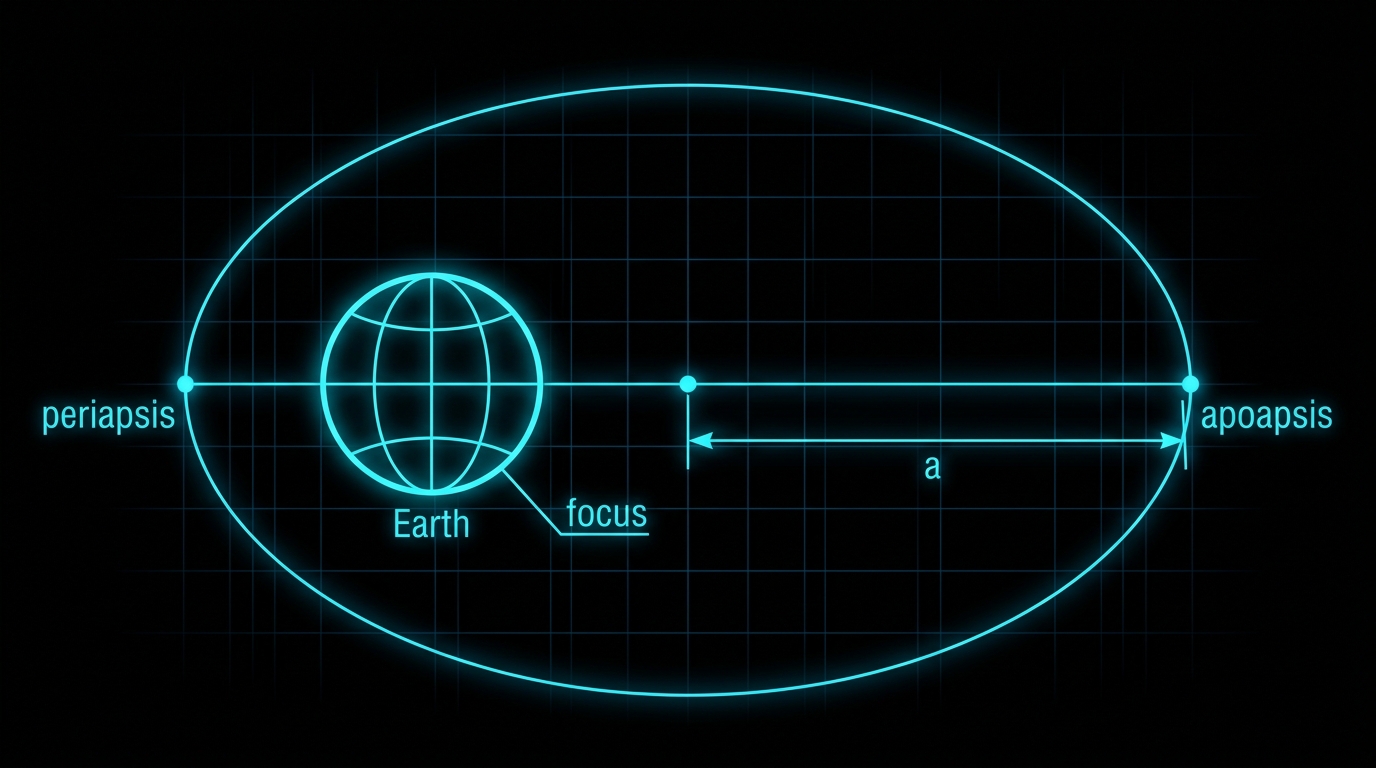
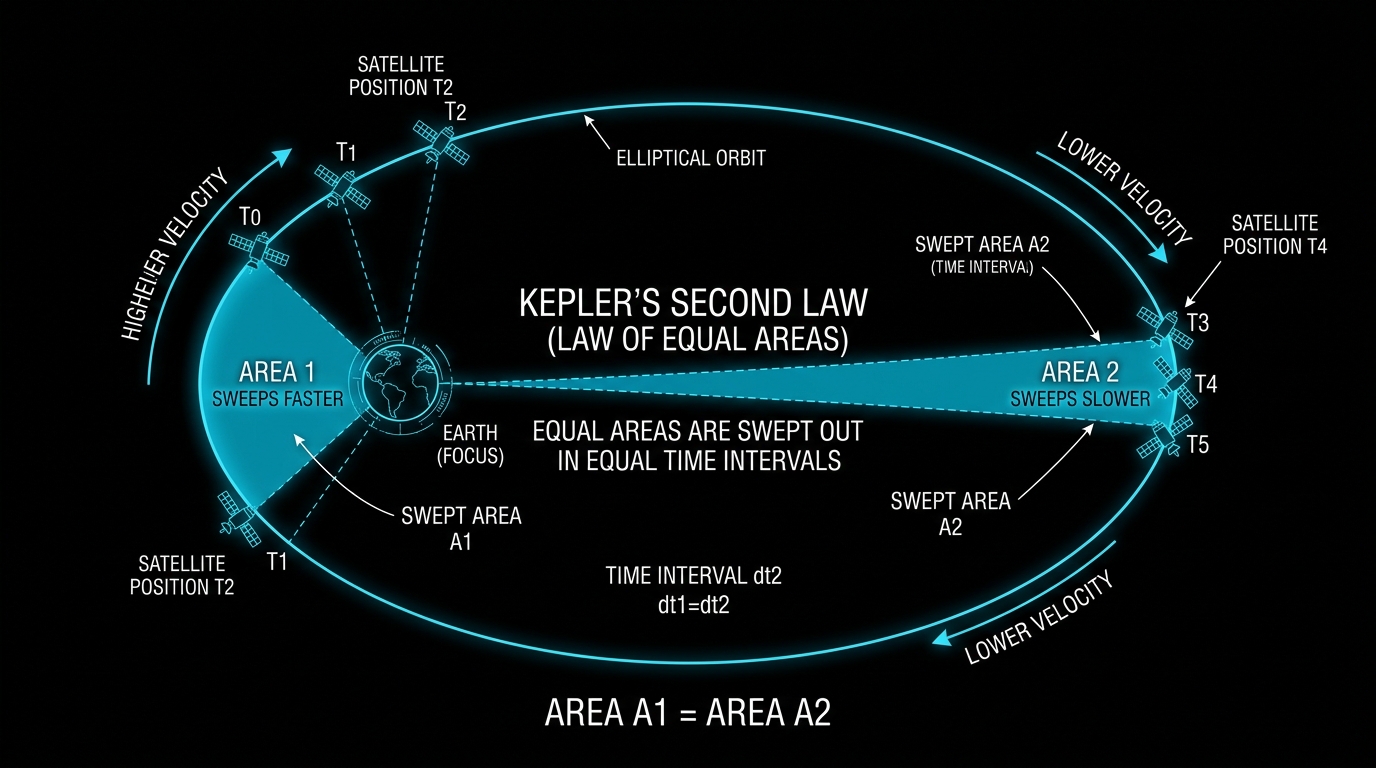
Orbital Mechanics
& Kepler's Laws
Types of Orbits
LEO, MEO, GEO, SSO, HEO
Satellite Subsystems
& Architecture
Applications
Communications, Navigation, Weather, Remote Sensing
Modern Trends
& Mega-Constellations
Future Challenges
& Space Debris
Structure adapted from: Wertz & Larson, 'Space Mission Engineering' (2011); ESA Education Portal (www.esa.int)
What is a Satellite?
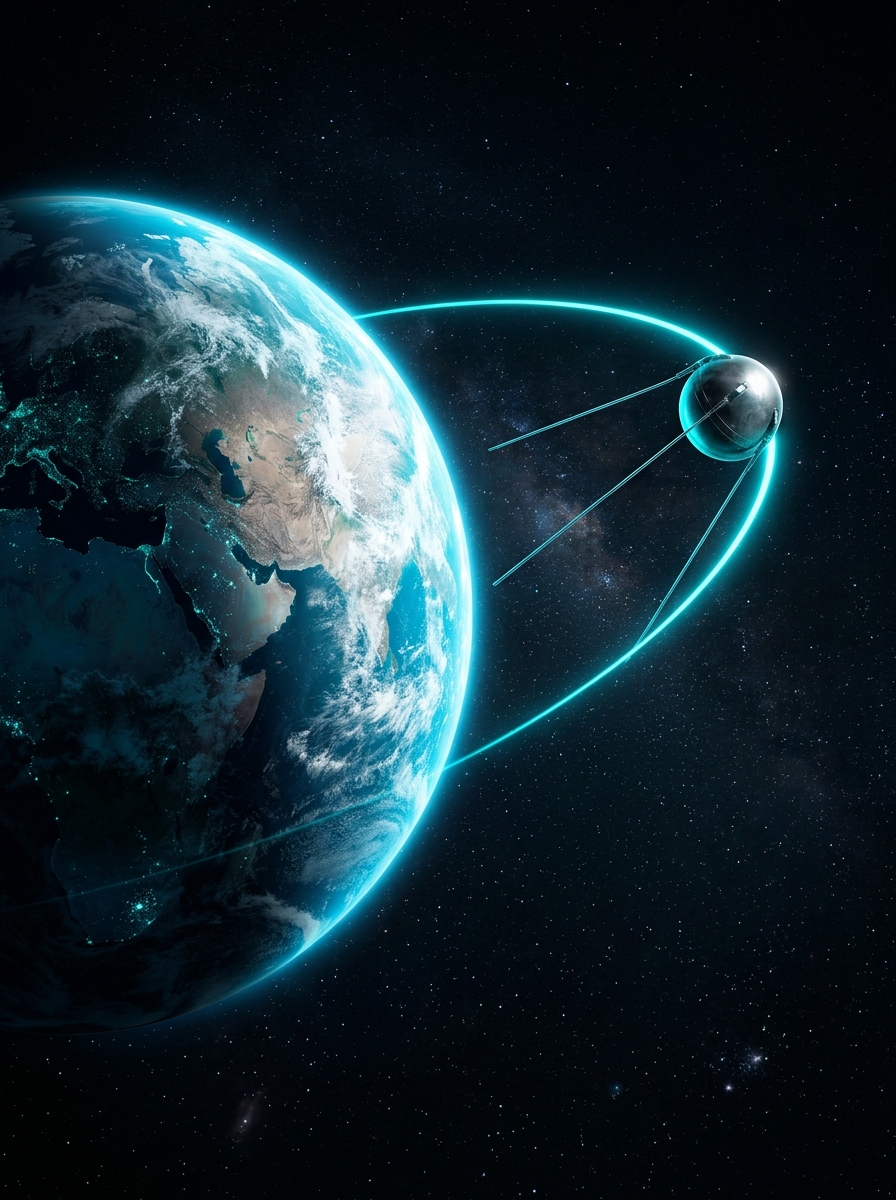
An artificial satellite is any human-made object placed into orbit around a celestial body.
Sputnik 1
1957
First artificial satellite launched by the USSR.
Sputnik 2
1957
Carried the first living organism, the dog Laika, into space.
Explorer 1
1958
First US satellite; discovered the Van Allen radiation belts.
Explorer 6
1959
First weather satellite, providing earlier insights into Earth's systems.
Today
2026
Over 15,295 active satellites globally providing vital infrastructure.
Sources: NASA History Division (history.nasa.gov); Britannica (britannica.com)
Sources: Bate, Mueller & White, 'Fundamentals of Astrodynamics' (Dover, 1971); MIT OpenCourseWare 16.346 Orbital Mechanics (ocw.mit.edu)
Types of Orbits:
A Visual Comparison
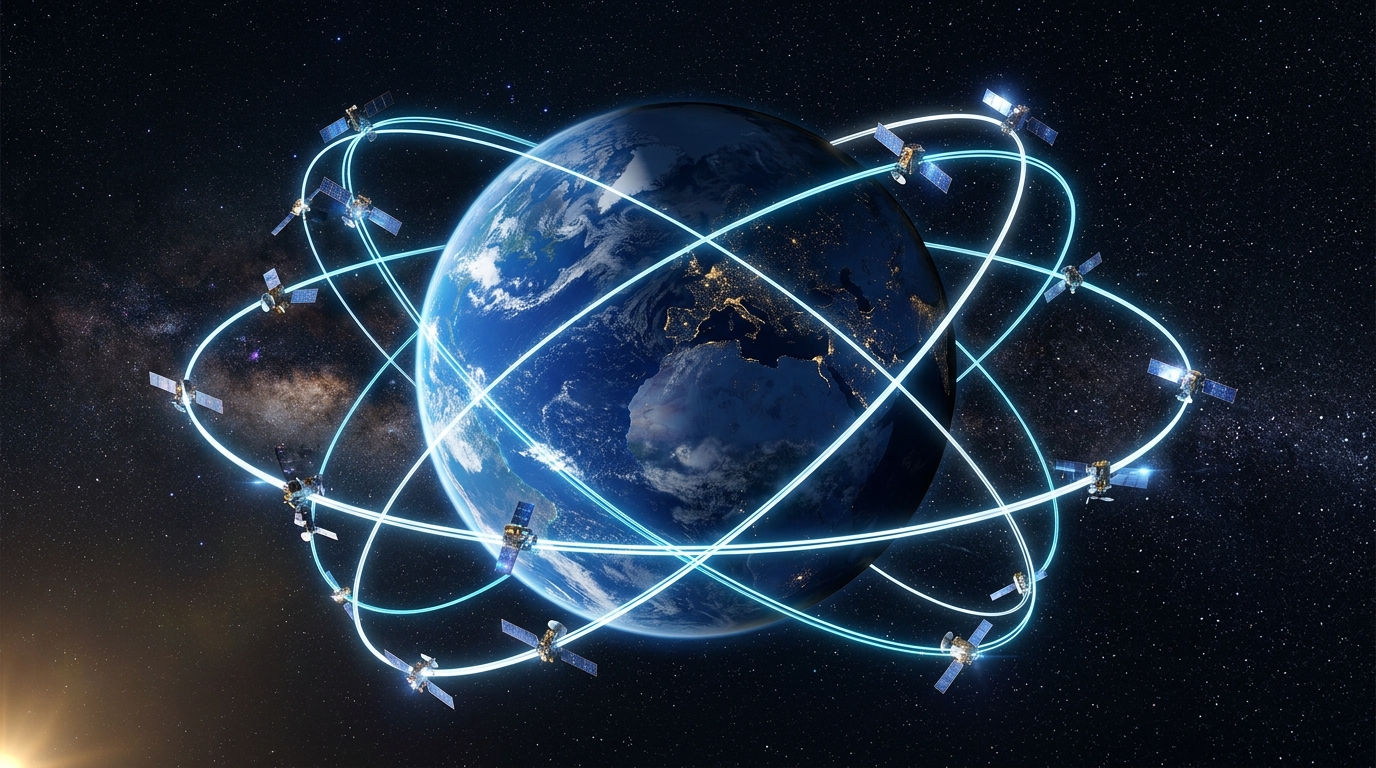
Earth's orbit is populated with satellites operating at various altitudes and periods, optimized for diverse missions like telecom, observation, and deep-space science.
LEO (Low Earth)
160 - 1,500 km
90 - 120 min
Imaging, Telecom (Starlink)
SSO (Sun-Synchronous)
600 - 800 km
~90 - 100 min
Earth Observation
MEO (Medium Earth)
5,000 - 20,000 km
2 - 12 hours
GPS / GNSS Navigation
GEO (Geostationary)
35,786 km
24 hours
TV broadcast, Weather
HEO (Highly Elliptical)
Highly Eccentric
> 12 hours
High-latitude coverage
Presented for University-Level Study
Sources: Union of Concerned Scientists Satellite Database (ucsusa.org); ESA Orbit Guide (esa.int); NASA (nasa.gov)
Satellite Architecture
Core Systems & Subsystems
Sources: Wertz and Larson Space Mission Engineering 2011; Fortescue et al Spacecraft Systems Engineering Wiley 2011
AeroSpace Eng. Dept // Orbital Systems
Satellite Applications
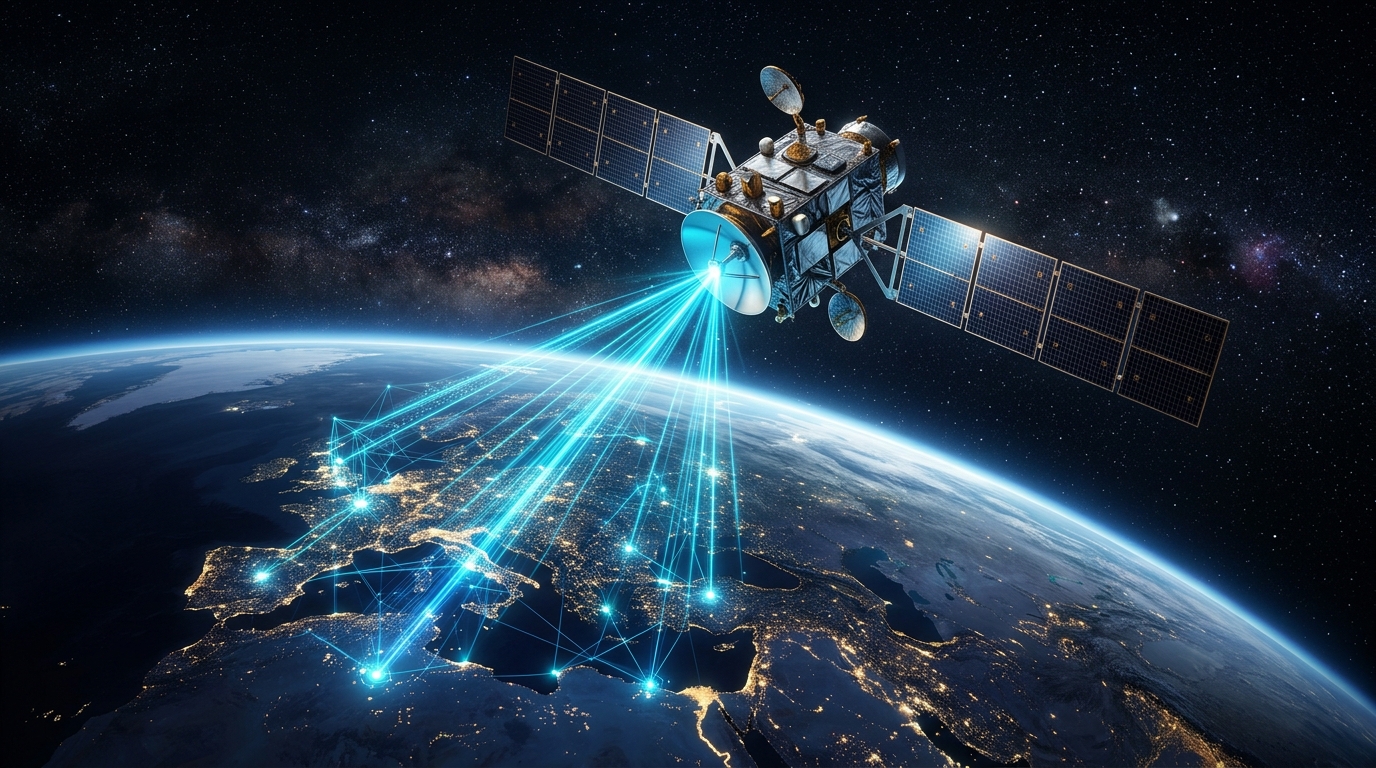
Communications
Relay TV, internet, and phone signals
LEO & GEO broadband (Starlink, OneWeb, Intelsat)
$26.51B in 2026
Navigation & GNSS
Precision positioning for transport and mapping
USA 24 satellites at Medium Earth Orbit (MEO)
GLONASS (RU), Galileo (EU), BeiDou (CN)
Earth Obs. & Weather
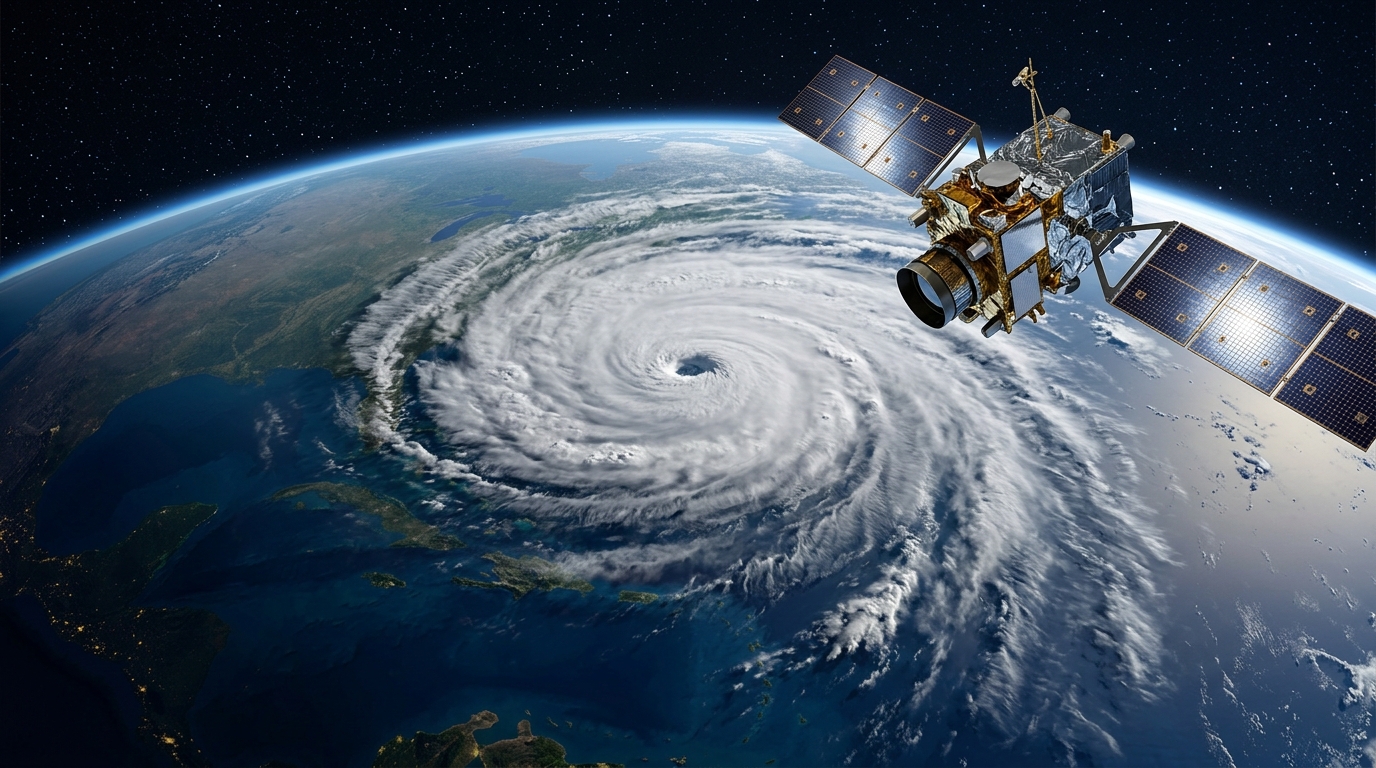
GOES geostationary satellites for storm tracking
Meteosat 3rd Gen (2025): 2.5-min high-res images
Sentinel-6 GNSS-RO for temp/moisture profiles
Remote Sensing & Sci
Agricultural monitoring, disaster response, and urban mapping
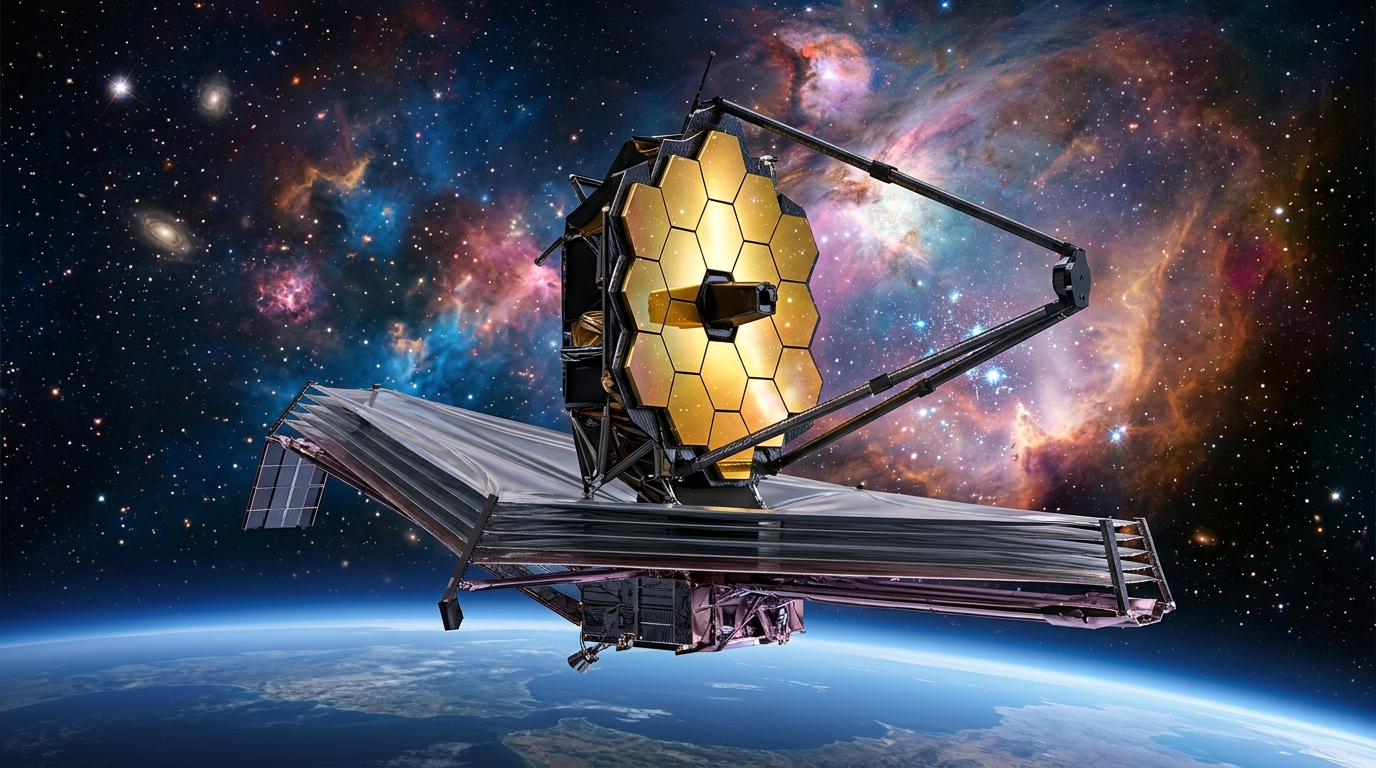
Deep space exploration with Hubble & James Webb Space Telescopes
Sources: NOAA (noaa.gov); ESA Sentinel Programme (sentinel.esa.int); GPS.gov (gps.gov); Starlink (starlink.com)
Modern Trends:
Mega-Constellations
15,295
(Up from 6,900 in 2022)
4,526
Record Payloads in 2025
10,166 active
AI & ML
Onboard anomaly detection & semi-autonomous orbit correction.
Direct-to-Cell
Integrating 5G/6G coverage directly to standard mobile devices.
Reusable Rockets
Scaling launch rates while drastically reducing orbital costs.
In-Orbit Service
Active debris removal, refueling, and automated payload repairs.
Sources: Union of Concerned Scientists (ucsusa.org); SpaceX Starlink; Amazon Kuiper PR; Space News; Euroconsult 2026.
SPACE DEBRIS
& FUTURE CHALLENGES
33,074 total catalogued objects in orbit including debris as of 2026.
1.23 million satellites proposed for future orbits raising extreme congestion risk.
Cascading collision risk that could permanently make certain orbits entirely unusable if unmitigated.
Active Debris Removal (ADR)
Dedicated missions to safely capture and deorbit defunct satellites.
Deorbiting Requirements
Strict rules for end-of-life disposal (SpaceX deorbited 4,400 Starlinks in 2026).
International Coordination
Global oversight via UN COPUOS treaties and ITU frequency coordination.
Green Satellite Designs
Implementation of low-power designs and fail-safe deorbiting modules.
Sovereign Infrastructure
Concerns driving non-US nations to push for independent, resilient systems.
$32.83B by 2030
Projected Debris Mitigation Market (CAGR 5.5%)
Sources: ESA Space Debris Office (esa.int/debris); NASA Orbital Debris Program Office (orbitaldebris.jsc.nasa.gov); Kessler and Cour-Palais (1978) Journal of Geophysical Research
References & Further Reading
April 2026
Thank You - Questions Welcome
- satellite-technology
- orbital-mechanics
- aerospace-engineering
- gps-navigation
- starlink
- space-debris
- keplers-laws
- earth-observation