


Made byBobr AI

The Power of Contrast: Fundamental Principles of Art

Explore how contrast drives visual communication, composition, and emotion in fine art through value, scale, texture, and shape.

#fine-art#art-theory#contrast-in-art#composition-principles#chiaroscuro#visual-hierarchy#art-education
Watch
Pitch
Lecture Series
Foundation / Intermediate Fine Art Students

Contrast

As a Fundamental Principle of Art

Made byBobr AI
01 // Introduction

Today we are not discussing color or drawing technique. We are discussing the force that makes art powerful — contrast.

Contrast = Controlled Difference

Made byBobr AI

Why the eye needs contrast

The human brain detects change. Our eyes are biologically wired to notice variation. Contrast is not decoration — it is visual communication.

Visual Perception & Psychology
01 / Detection
02 / Variation
03 / Hierarchy
04 / Tension
Made byBobr AI
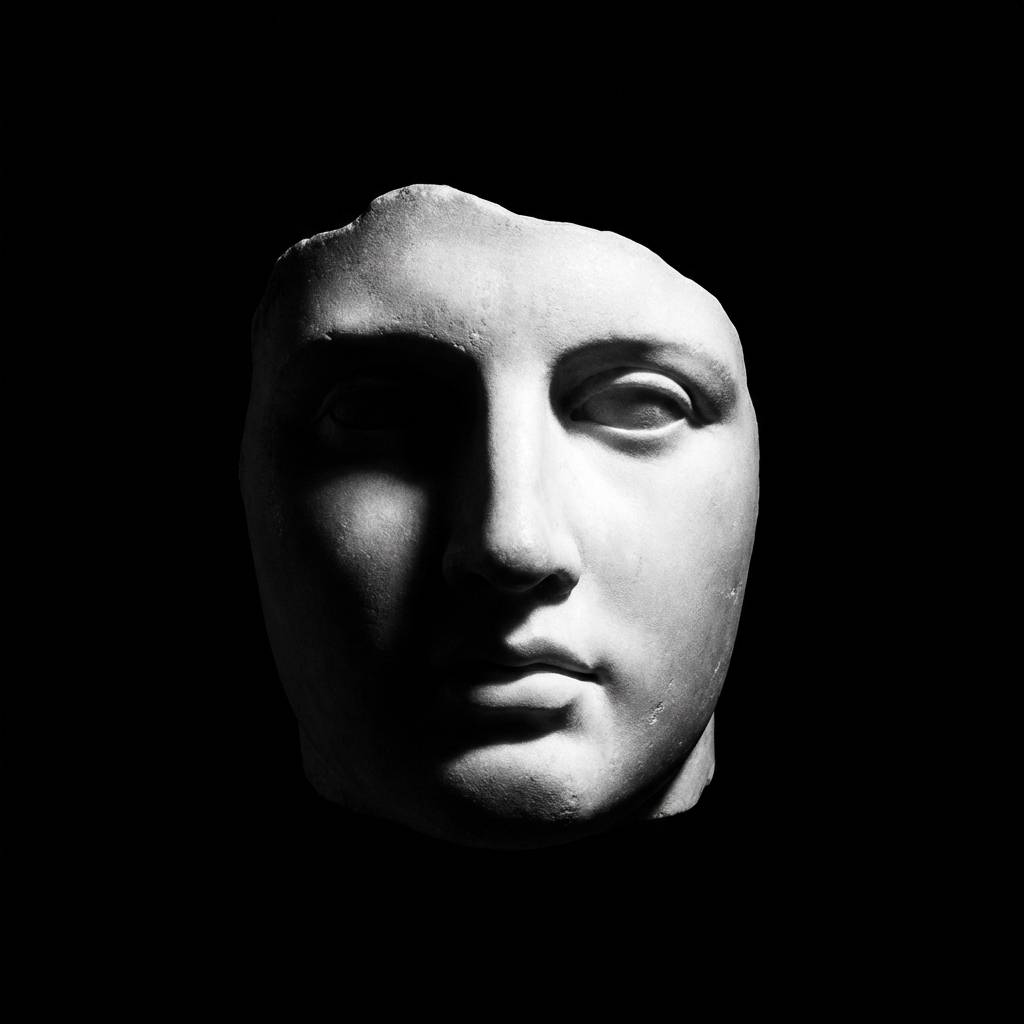
Chiaroscuro

Value
Contrast

(Light vs Dark)

Value determines structure.
Before color, before detail — value defines form. It organizes space and creates the illusion of depth. Chiaroscuro uses stark light and deep shadow to construct pure dramatic volume.
Made byBobr AI

II. Conceptual Logic in Grayscale

Color Contrast

Complementary

Opposite visual tones. Translated to grayscale, stark black against pure white precisely mimics complementary tension and maximum vibration.

Temperature

Warm vs cool energy. Sharp, high-contrast dynamic lines advance (warm) while smooth, fading gradient fields naturally recede (cool).

Saturation

Intense vs muted chroma. A pure, unadulterated point commands immediate focus against a subdued, flat, low-contrast mid-tone background.

"High color contrast = Energy & Vibrancy | Low color contrast = Harmony & Sophistication"

Made byBobr AI
Section III

Scale, Texture & Shape

"Without variation, composition becomes static."

Scale Contrast

Large vs small establishes dominance. Scale controls importance within the visual hierarchy.

Texture Contrast

Rough vs smooth. Organic vs mechanical. Enhances tactile illusion and realism.

Shape Contrast

Curved vs angular. Thick vs thin. Creates dynamic tension, movement, and variety.

Structured Fine Art Lecture Foundation / Intermediate
Made byBobr AI
Visual Hierarchy

Contrast &
Composition

Contrast is the fundamental engine of composition. It establishes visual hierarchy, manages focus, and defines spatial relationships purely through value structures.

  • I.
    Establish undeniable focal points
  • II.
    Separate foreground from background
  • III.
    Create atmospheric spatial depth
Fig 1. Focal Point
High value contrast immediately arrests the eye.
Fig 2. Spatial Depth
Decreasing contrast simulates atmospheric recession.
Made byBobr AI
Emotional & Psychological Effect

High Contrast

Drama
Power
Conflict
Intensity
Emotional & Psychological Effect

Low Contrast

Peace
Softness
Melancholy
Atmosphere

"What emotion do you want to communicate?"

Made byBobr AI
Conclusion

Contrast activates composition.

Without contrast, there is no visual authority.

Made byBobr AI
Bobr AI

DESIGNER-MADE
PRESENTATION,
GENERATED FROM
YOUR PROMPT

Create your own professional slide deck with real images, data charts, and unique design in under a minute.

Generate For Free

The Power of Contrast: Fundamental Principles of Art

Explore how contrast drives visual communication, composition, and emotion in fine art through value, scale, texture, and shape.

Contrast

As a Fundamental Principle of Art

Foundation / Intermediate Fine Art Students

01 // Introduction

Today we are not discussing color or drawing technique. We are discussing the force that makes art powerful — contrast.

Contrast = Controlled Difference

Why the eye needs contrast

The human brain detects change. Our eyes are biologically wired to notice variation. Contrast is not decoration — it is visual communication.

Visual Perception & Psychology

01 / Detection

02 / Variation

03 / Hierarchy

04 / Tension

Chiaroscuro

Value

Contrast

(Light vs Dark)

Value determines structure.

Before color, before detail — value defines form. It organizes space and creates the illusion of depth.

Chiaroscuro

uses stark light and deep shadow to construct pure dramatic volume.

II. Conceptual Logic in Grayscale

Color Contrast

Complementary

Opposite visual tones. Translated to grayscale, stark black against pure white precisely mimics complementary tension and maximum vibration.

Temperature

Warm vs cool energy. Sharp, high-contrast dynamic lines advance (warm) while smooth, fading gradient fields naturally recede (cool).

Saturation

Intense vs muted chroma. A pure, unadulterated point commands immediate focus against a subdued, flat, low-contrast mid-tone background.

High color contrast =

Energy & Vibrancy

Low color contrast =

Harmony & Sophistication

Section III

Scale, Texture & Shape

"Without variation, composition becomes static."

Scale Contrast

Large vs small establishes dominance. Scale controls importance within the visual hierarchy.

Texture Contrast

Rough vs smooth. Organic vs mechanical. Enhances tactile illusion and realism.

Shape Contrast

Curved vs angular. Thick vs thin. Creates dynamic tension, movement, and variety.

Structured Fine Art Lecture

Foundation / Intermediate

Contrast &

Composition

Visual Hierarchy

Contrast is the fundamental engine of composition. It establishes visual hierarchy, manages focus, and defines spatial relationships purely through value structures.

Establish undeniable focal points

Separate foreground from background

Create atmospheric spatial depth

Fig 1. Focal Point

High value contrast immediately arrests the eye.

Fig 2. Spatial Depth

Decreasing contrast simulates atmospheric recession.

Emotional & Psychological Effect

High Contrast

Drama<br>Power<br>Conflict<br>Intensity

Low Contrast

Peace<br>Softness<br>Melancholy<br>Atmosphere

"What emotion do you want to communicate?"

Conclusion

Contrast activates composition.

Without contrast, there is no visual authority.

  • fine-art
  • art-theory
  • contrast-in-art
  • composition-principles
  • chiaroscuro
  • visual-hierarchy
  • art-education