











Analyzing 15% Tariffs: Legal Authority & Economic Impact
Explore the legal justification and macroeconomic consequences of 15% tariffs, including Trade Act of 1974 Section 122 and risks of stagflation.
Policy Analysis
Analyzing 15% Tariffs:
Legal Justification vs. Global Free Trade
A comprehensive evaluation of protectionism, constitutional law, and macroeconomic impacts.
Overview
Analyzing
15% Tariffs
Tariffs represent protectionist taxes uniformly levied on imports.
Government intervention balancing domestic market protection against potential economic distortion.
Constitutional Law
Macroeconomic Theory
Global Trade
Tariff Mechanics
What is a Tariff?
Understanding the Economic Impact
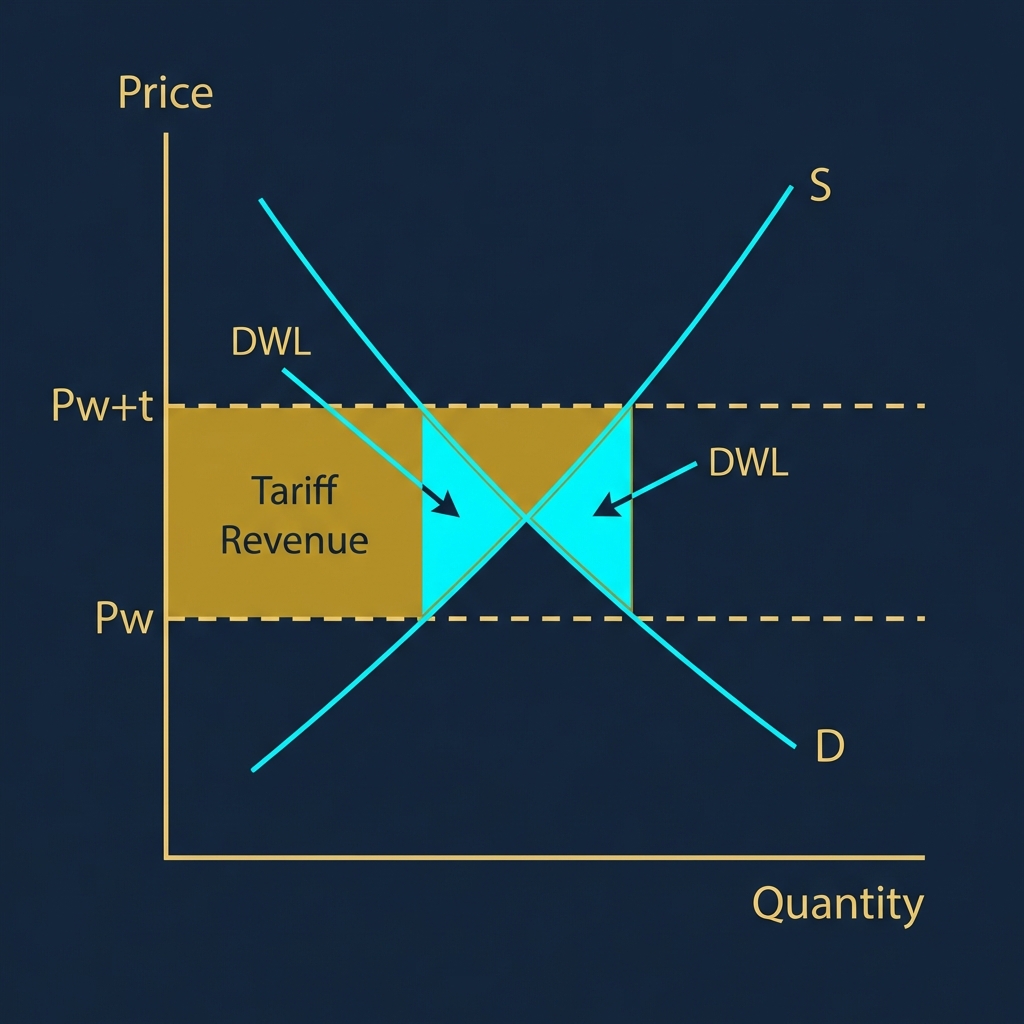
A tariff is a tax imposed on imported goods and services. It alters market dynamics by artificially raising prices above the world market level.
Increases Import Prices
Consumers pay a higher price (Pw+t) than the world price (Pw), reducing overall consumer surplus and consumption.
Shields Domestic Producers
Domestic suppliers can sell at a higher price, increasing producer surplus and local production volume.
Creates Deadweight Loss
Market efficiency is reduced due to lost consumer value and inefficient domestic production, resulting in unrecouped losses (DWL).
Economic model demonstrating welfare effects and government revenue generated by a tariff.
Policy & Legislation
Policy Drivers &
Legal Framework
Leveraging statutory mandates to preserve national economic security and industrial resilience.
Protecting Manufacturing
Safeguarding essential domestic jobs and ensuring the long-term viability of key industries.
Trade Act of 1974
Direct application of Section 122, permitting a 15% tariff limit for a duration of up to 150 days.
Constitutional Limits
Legal Validity:
Congress vs. Executive Power
Section 122 grants authority for temporary 15% tariffs.
Legal standing is highly questionable if extended without further congressional action.
Economic Reality
Household & Consumer
Financial Impact
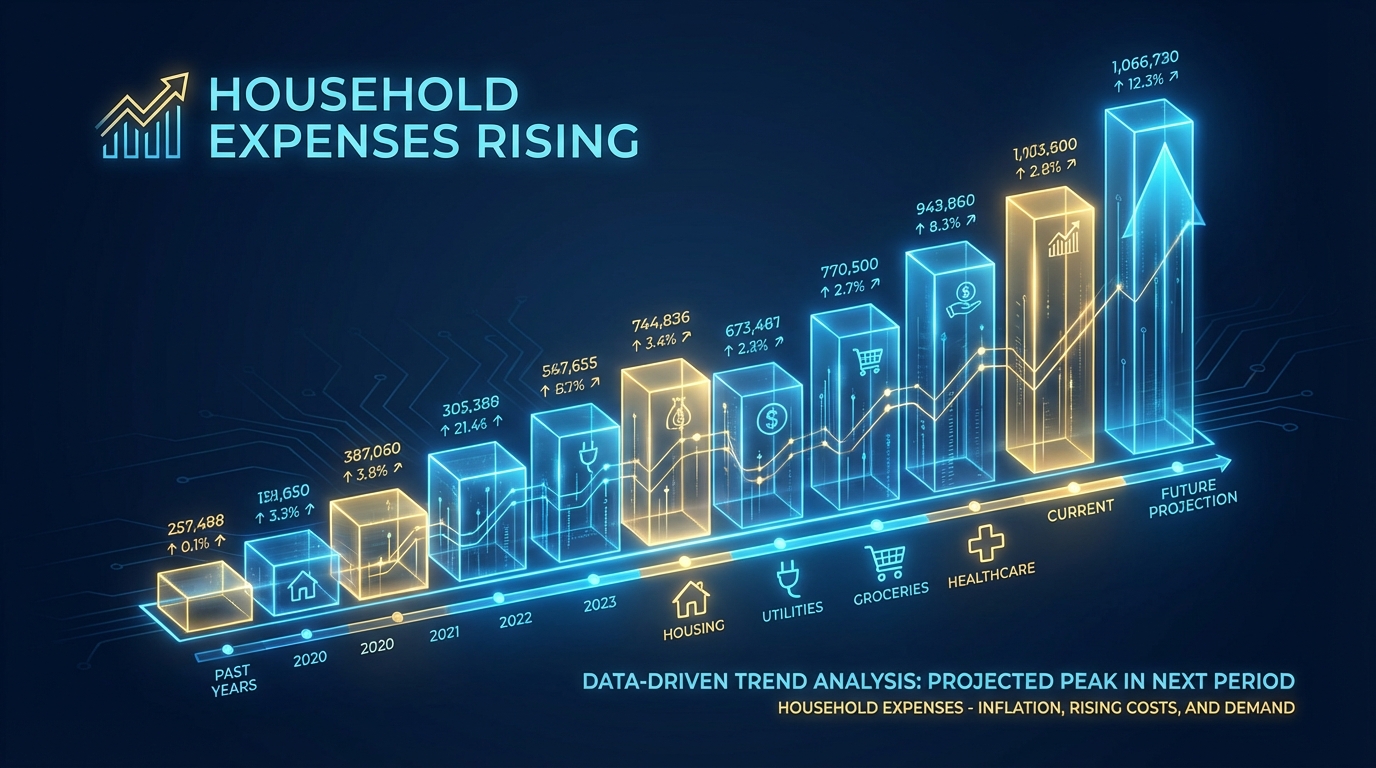
$400 - $1,300 Annual Cost Increase
Direct financial burden on families, driving up the cost of everyday goods and forcing difficult choices in household budgeting.
Cost-Push Inflation
Inflation driven directly by increased costs of production shifting the aggregate supply, rather than booming consumer demand.
Reduced Real Disposable Income
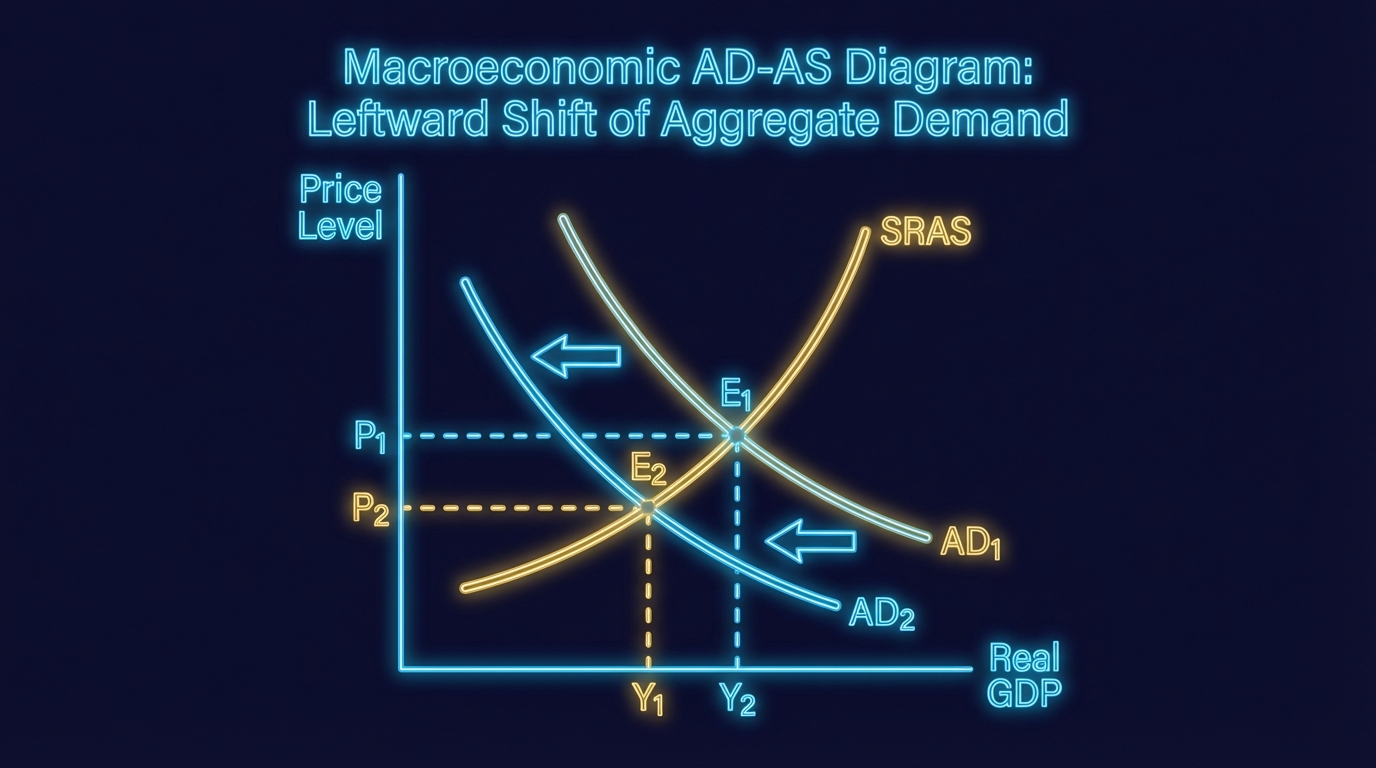
Eroding the actual purchasing power of wages, leading directly to a leftward shift in aggregate demand across multiple sectors.
Macroeconomic Impact
Economic Growth &
Stagflation
The dual threat of economic stagnation and rising price levels triggered by protective tariffs.
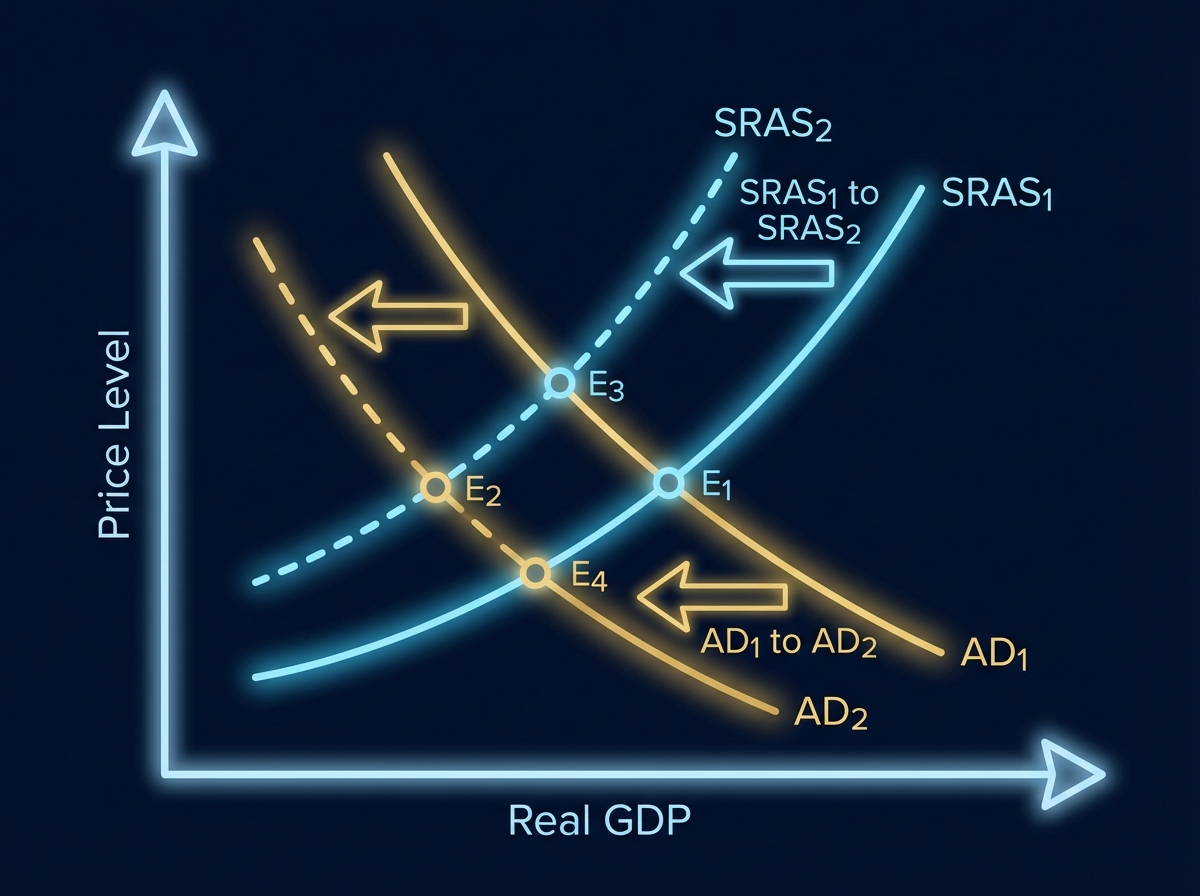
Reduced real output and elevated inflation driven by supply shocks and weakened aggregate demand.
Output Contraction
Projected 0.3% fall in domestic GDP
Supply-Side Shock
Higher import costs shift SRAS left
Threat of Retaliation
Trade wars suppress exports, shifting AD left
Macroeconomic Impacts
Global Trade & Efficiency:
Balancing Growth and Risk
Evaluating the delicate balance between the benefits of open markets and the consequences of protectionist interventions.
Comparative Advantage vs. Resource Distortion
Escalating Risks of Trade Wars
Amplified Market Uncertainty
CONCLUSION
Final Judgment:
Validity vs. Economic Risk
Solid short-term legal validity maintained under Section 122 provisions.
Significant long-term exposure to inflation and market inefficiency.
High risk of inducing global trade retaliation and widespread tariff wars.
- tariffs
- macroeconomics
- trade-policy
- international-trade
- stagflation
- economic-analysis
- protectionism