



Made byBobr AI

VR and Perturbation Training for Fall Prevention in Seniors

Explore a research proposal combining Perturbation-Based Balance Training (PBBT) and Virtual Reality to reduce fall risks in high-risk older adults.

#fall-prevention#geriatric-rehabilitation#virtual-reality-therapy#balance-training#physiotherapy-research#older-adult-health
Watch
Pitch

Research Proposal: VR-Augmented Perturbation Training

Addition of a non-immersive Virtual Reality component to Perturbation-based Balance Training to reduce fall risk in older adults

BGU, MSc Physiotherapy | Utay & Arik | January 2026

Made byBobr AI

The Challenge: Falls in Older Adults

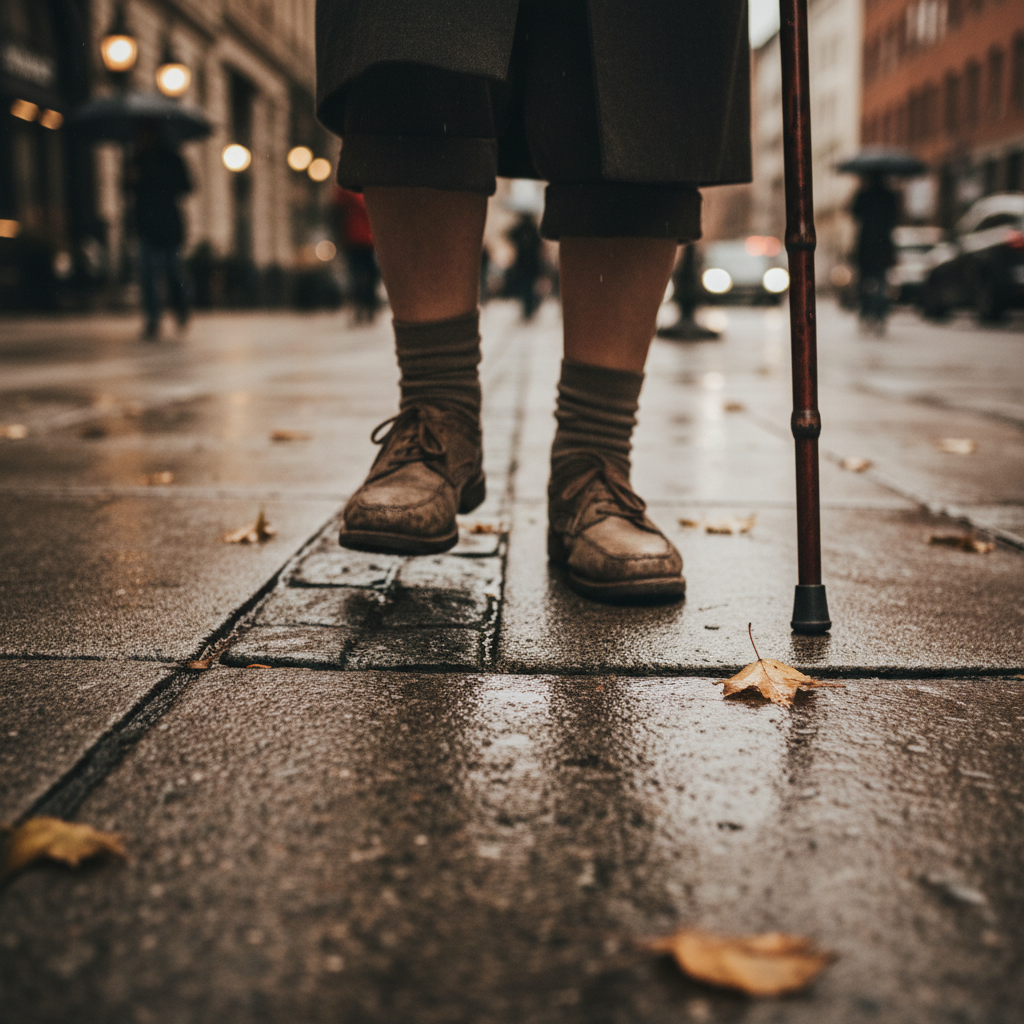
Falls are a growing public health crisis, with 28% of adults over 65 falling annually. These incidents often result from tripping or poor obstacle negotiation. Despite conventional strength training, many seniors remain vulnerable in complex real-world environments that demand rapid reactive responses and simultaneous cognitive processing.

Made byBobr AI

The Formula for Safe Gait

  • Cognitive Function: Attention, Executive Function, Decision Making
  • Motor System: Adaptation, Obstacle Negotiation
  • Sensory System: Visual and Proprioceptive Inputs
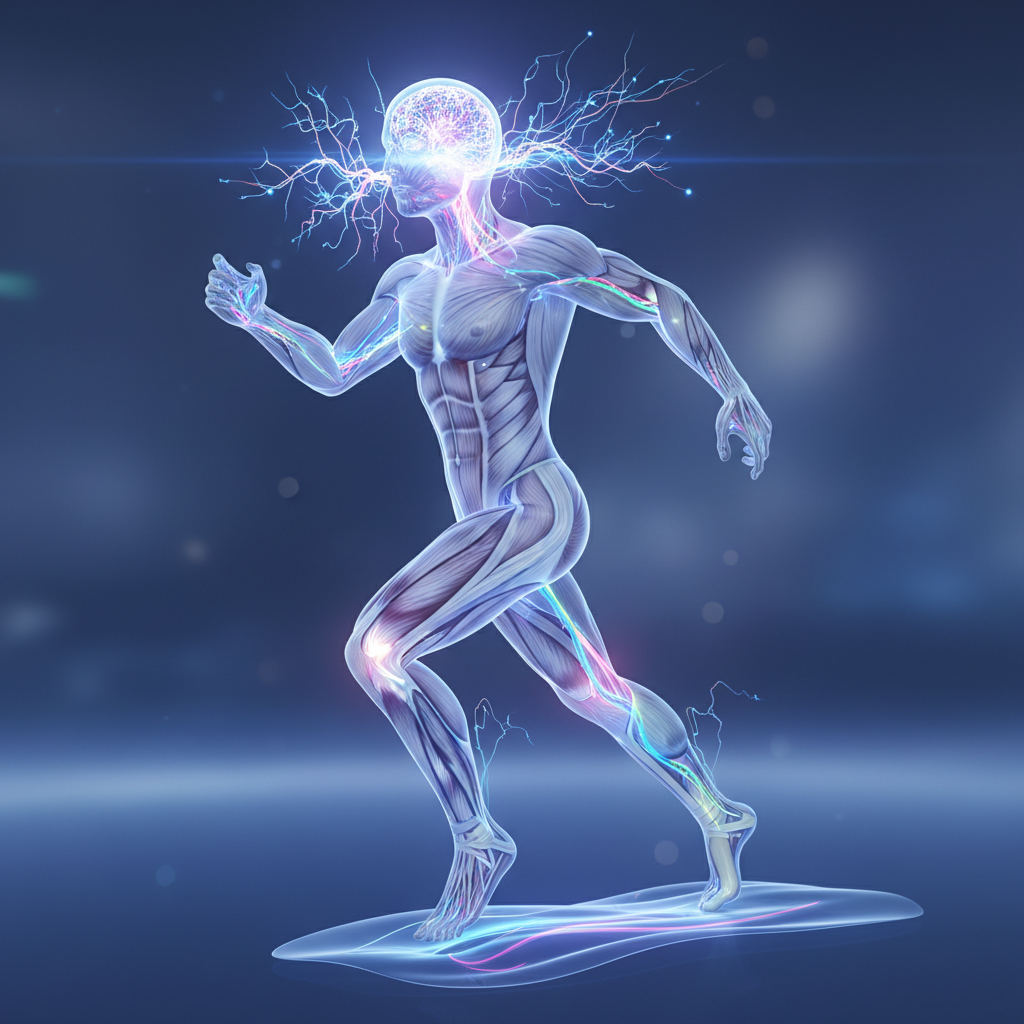
  • Result: Safe ambulation requires the integration of all three systems, particularly during dual-tasking in dynamic environments.
Made byBobr AI

Component 1: Perturbation-Based Balance Training (PBBT)

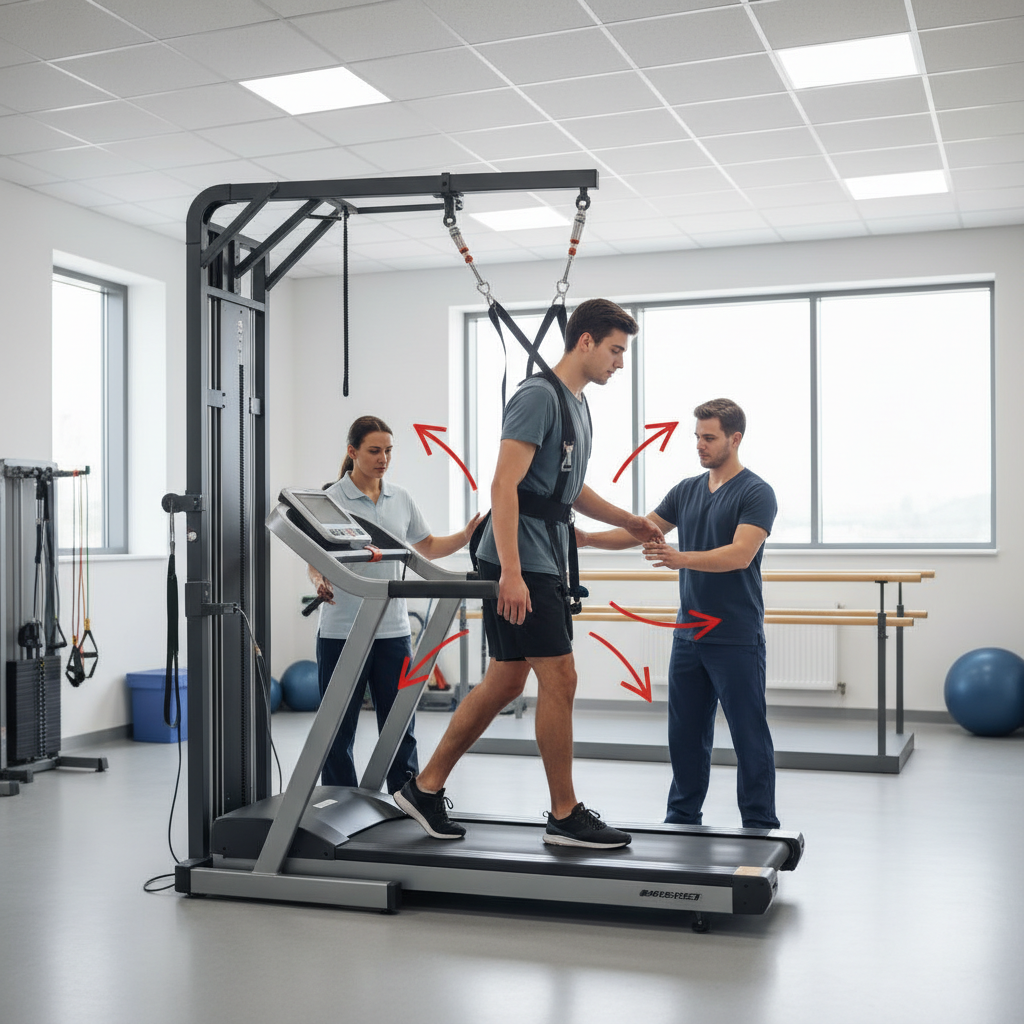
PBBT is a task-specific intervention aiming to improve reactive balance control. Participants walk on a specialized treadmill that introduces unannounced, multidirectional platform translations (slips and trips). This trains the body to execute rapid recovery reactions to unexpected loss of balance in a safe environment.

Made byBobr AI

Component 2: Motor-Cognitive VR Training

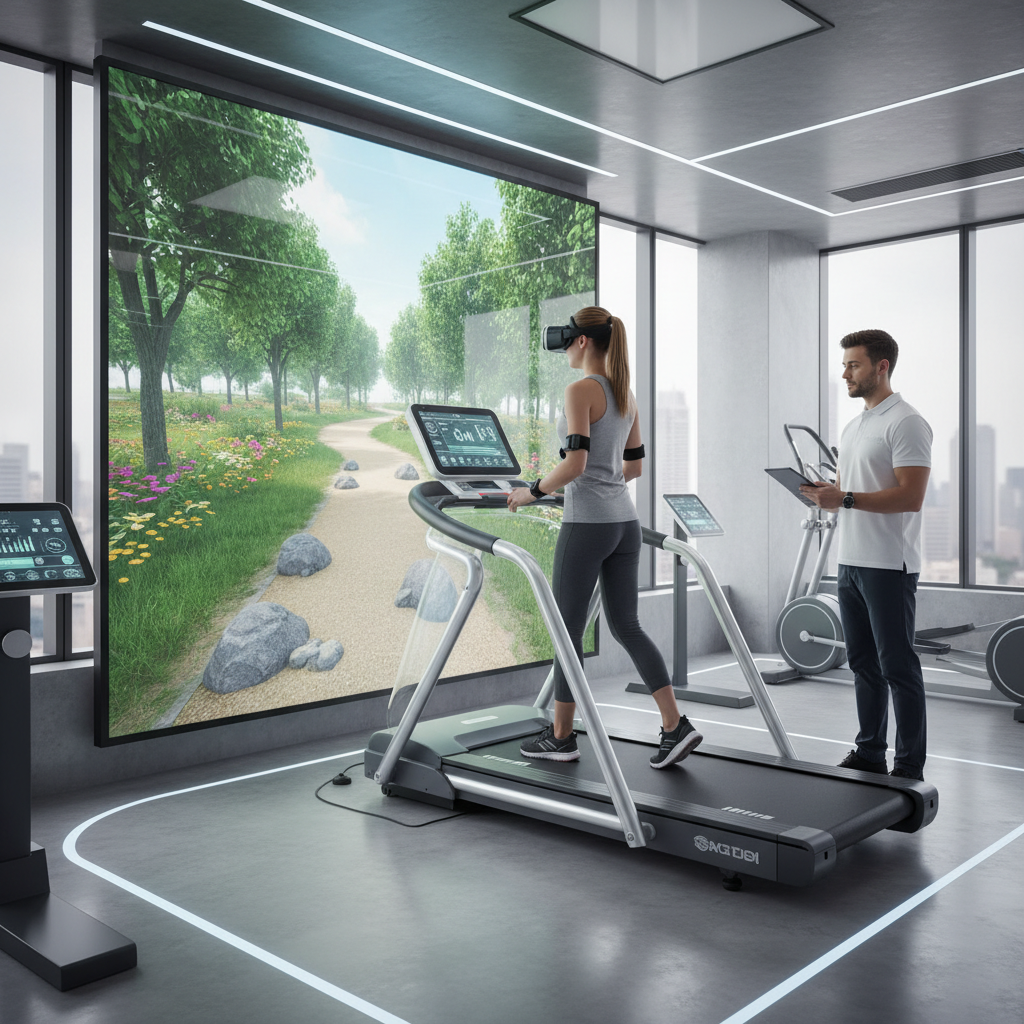
Non-immersive VR turns rehabilitation into an engaging activity by simulating real-world scenarios. It incorporates virtual obstacle negotiation (puddles, hurdles) and dual-tasking demands. This addresses the cognitive deficits—such as attention and planning—often responsible for falls in complex environments.

Made byBobr AI

"Does the addition of a virtual reality (VR) component to Perturbation Reactive Balance Training (PRBT) improve the effectiveness of fall prevention in high-risk older adults, compared to Perturbation Reactive Balance Training alone?"

Primary Research Question

Made byBobr AI

Study Design: Prospective Single-Blinded RCT

Experimental Groups

Intervention Group (Combined): 18 sessions combining PBBT (reactive perturbations) + VR (cognitive challenges). Targets reactive stepping, stability, and executive function.

Control Group (PBBT Only): 18 sessions of Perturbation Balance Training alone. Targets reactive balance responses and postural stability.

Protocol Details

Protocol: 6 weeks, 3 sessions/week, ~30 mins per session. Includes warm-up, training proper, and cool-down.

Safety: All participants wear a safety harness connected to an overhead suspension system to prevent falls without body-weight support.

Made byBobr AI

Target Population: High-Risk Older Adults

Inclusion

Inclusion Criteria: • Age 60–90 years • History of 2 or more falls in the last 6 months • Ability to walk for 5 minutes unassisted • MMSE Score > 21 (no severe cognitive impairment)

Exclusion

Exclusion Criteria: • Major psychiatric comorbidity or history of stroke/TBI • Acute pain or orthopedic diseases interfering with walking • Inability to comply with protocol

Made byBobr AI

Evidence for Efficacy (Previous Studies)

Chart

Data from Mirelman et al. (Lancet 2016) and meta-analyses. Both individual interventions are highly effective. RBT reduces fall rates by 40-46%, and VR-TT by up to 50%. The current study aims to combine these for maximum prevention.

Made byBobr AI

Outcome Measures

Primary Outcome

PRIMARY OUTCOME: Incident Rate of Falls (IRR): Total number of falls recorded prospectively via fall calendar/app during the 6 months following training.

Balance & Mobility

SECONDARY (Balance & Mobility): • Mini-BESTest (Dynamic Balance) • SPPB (Physical Performance Battery) • Voluntary Step Execution Times (VSET)

Cognitive & Gait

SECONDARY (Cognitive & Gait): • Gait Variability during obstacle negotiation • Trail Making Test Part B (Executive Function) • Falls Efficacy Scale-International (FES-I)

Made byBobr AI

Clinical Significance: A Synergistic Approach

This study addresses the multifactorial etiology of falls. About 50% of falls are accidental (slips/trips), while others stem from cognitive errors. By combining PBBT (reactive capability) with VR (cognitive processing), we target the full spectrum of fall mechanisms. Positive results could establish a new, robust standard for fall prevention in geriatric rehabilitation.

Made byBobr AI
Bobr AI

DESIGNER-MADE
PRESENTATION,
GENERATED FROM
YOUR PROMPT

Create your own professional slide deck with real images, data charts, and unique design in under a minute.

Generate For Free

VR and Perturbation Training for Fall Prevention in Seniors

Explore a research proposal combining Perturbation-Based Balance Training (PBBT) and Virtual Reality to reduce fall risks in high-risk older adults.

Research Proposal: VR-Augmented Perturbation Training

Addition of a non-immersive Virtual Reality component to Perturbation-based Balance Training to reduce fall risk in older adults

BGU, MSc Physiotherapy | Utay & Arik | January 2026

The Challenge: Falls in Older Adults

Falls are a growing public health crisis, with 28% of adults over 65 falling annually. These incidents often result from tripping or poor obstacle negotiation. Despite conventional strength training, many seniors remain vulnerable in complex real-world environments that demand rapid reactive responses and simultaneous cognitive processing.

The Formula for Safe Gait

Cognitive Function: Attention, Executive Function, Decision Making

Motor System: Adaptation, Obstacle Negotiation

Sensory System: Visual and Proprioceptive Inputs

Result: Safe ambulation requires the integration of all three systems, particularly during dual-tasking in dynamic environments.

Component 1: Perturbation-Based Balance Training (PBBT)

PBBT is a task-specific intervention aiming to improve reactive balance control. Participants walk on a specialized treadmill that introduces unannounced, multidirectional platform translations (slips and trips). This trains the body to execute rapid recovery reactions to unexpected loss of balance in a safe environment.

Component 2: Motor-Cognitive VR Training

Non-immersive VR turns rehabilitation into an engaging activity by simulating real-world scenarios. It incorporates virtual obstacle negotiation (puddles, hurdles) and dual-tasking demands. This addresses the cognitive deficits—such as attention and planning—often responsible for falls in complex environments.

Does the addition of a virtual reality (VR) component to Perturbation Reactive Balance Training (PRBT) improve the effectiveness of fall prevention in high-risk older adults, compared to Perturbation Reactive Balance Training alone?

Primary Research Question

Study Design: Prospective Single-Blinded RCT

Intervention Group (Combined): 18 sessions combining PBBT (reactive perturbations) + VR (cognitive challenges). Targets reactive stepping, stability, and executive function.

Control Group (PBBT Only): 18 sessions of Perturbation Balance Training alone. Targets reactive balance responses and postural stability.

Protocol: 6 weeks, 3 sessions/week, ~30 mins per session. Includes warm-up, training proper, and cool-down.

Safety: All participants wear a safety harness connected to an overhead suspension system to prevent falls without body-weight support.

Target Population: High-Risk Older Adults

Inclusion Criteria: • Age 60–90 years • History of 2 or more falls in the last 6 months • Ability to walk for 5 minutes unassisted • MMSE Score > 21 (no severe cognitive impairment)

Exclusion Criteria: • Major psychiatric comorbidity or history of stroke/TBI • Acute pain or orthopedic diseases interfering with walking • Inability to comply with protocol

Evidence for Efficacy (Previous Studies)

Data from Mirelman et al. (Lancet 2016) and meta-analyses. Both individual interventions are highly effective. RBT reduces fall rates by 40-46%, and VR-TT by up to 50%. The current study aims to combine these for maximum prevention.

Outcome Measures

PRIMARY OUTCOME: Incident Rate of Falls (IRR): Total number of falls recorded prospectively via fall calendar/app during the 6 months following training.

SECONDARY (Balance & Mobility): • Mini-BESTest (Dynamic Balance) • SPPB (Physical Performance Battery) • Voluntary Step Execution Times (VSET)

SECONDARY (Cognitive & Gait): • Gait Variability during obstacle negotiation • Trail Making Test Part B (Executive Function) • Falls Efficacy Scale-International (FES-I)

Clinical Significance: A Synergistic Approach

This study addresses the multifactorial etiology of falls. About 50% of falls are accidental (slips/trips), while others stem from cognitive errors. By combining PBBT (reactive capability) with VR (cognitive processing), we target the full spectrum of fall mechanisms. Positive results could establish a new, robust standard for fall prevention in geriatric rehabilitation.

  • fall-prevention
  • geriatric-rehabilitation
  • virtual-reality-therapy
  • balance-training
  • physiotherapy-research
  • older-adult-health