

Made byBobr AI

How to Introduce Cats and Dogs: A Guide to Pet Harmony

Learn effective steps for introducing cats and dogs. Understand animal body language, evolutionary instincts, and scent swapping to build pet friendships.

#pet-care#cat-behavior#dog-training#animal-socialization#pet-ownership#multi-pet-household
Watch
Pitch
A warm, stylized illustration of a golden retriever dog and a tabby cat sitting side by side looking at a sunset, harmonious atmosphere, soft lighting, 4k

Cats & Dogs: A Guide to Harmony

Understanding Differences & Building Inter-Species Friendships

Made byBobr AI

Myths vs. Reality

  • Myth: 'Fighting like cats and dogs' is inevitable.
  • Reality: Many species coexist peacefully with proper introduction.
  • Personality plays a bigger role than species.
  • Early socialization significantly improves success rates.
Made byBobr AI

Evolutionary Instincts

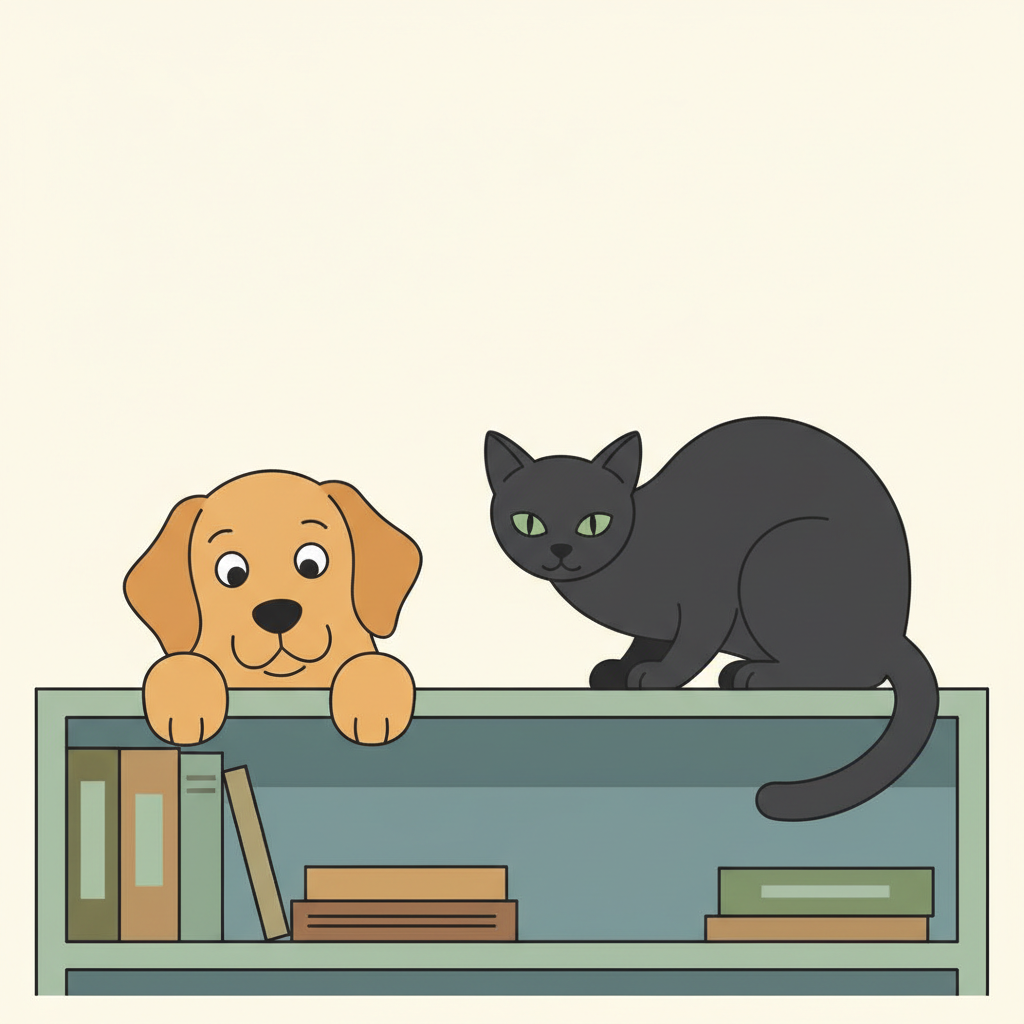
Dogs are pack animals driven by social hierarchy and chase instincts. Cats are solitary hunters and prey, making them territorial and prone to flight. Understanding this predator-prey dynamic helps prevent chase triggers in the home.

An educational illustration showing a dog looking curious and a cat looking cautious on a bookshelf, minimalist style, muted colors
Made byBobr AI

US Pet Ownership Households (Millions)

Chart

While dogs are slightly more common in US households, a significant number of families manage multi-species homes, proving that coexistence is a widespread reality.

Made byBobr AI

Decoding Body Language

  • Tail Wagging: Friendliness in dogs vs. Agitation in cats.
  • Eye Contact: Interest/affection in dogs vs. Challenge/threat in cats.
  • Rolling Over: Submission in dogs vs. Defensive posture in cats (claws ready).
  • Ears Back: Submission or fear in dogs vs. Aggression in cats.
Made byBobr AI
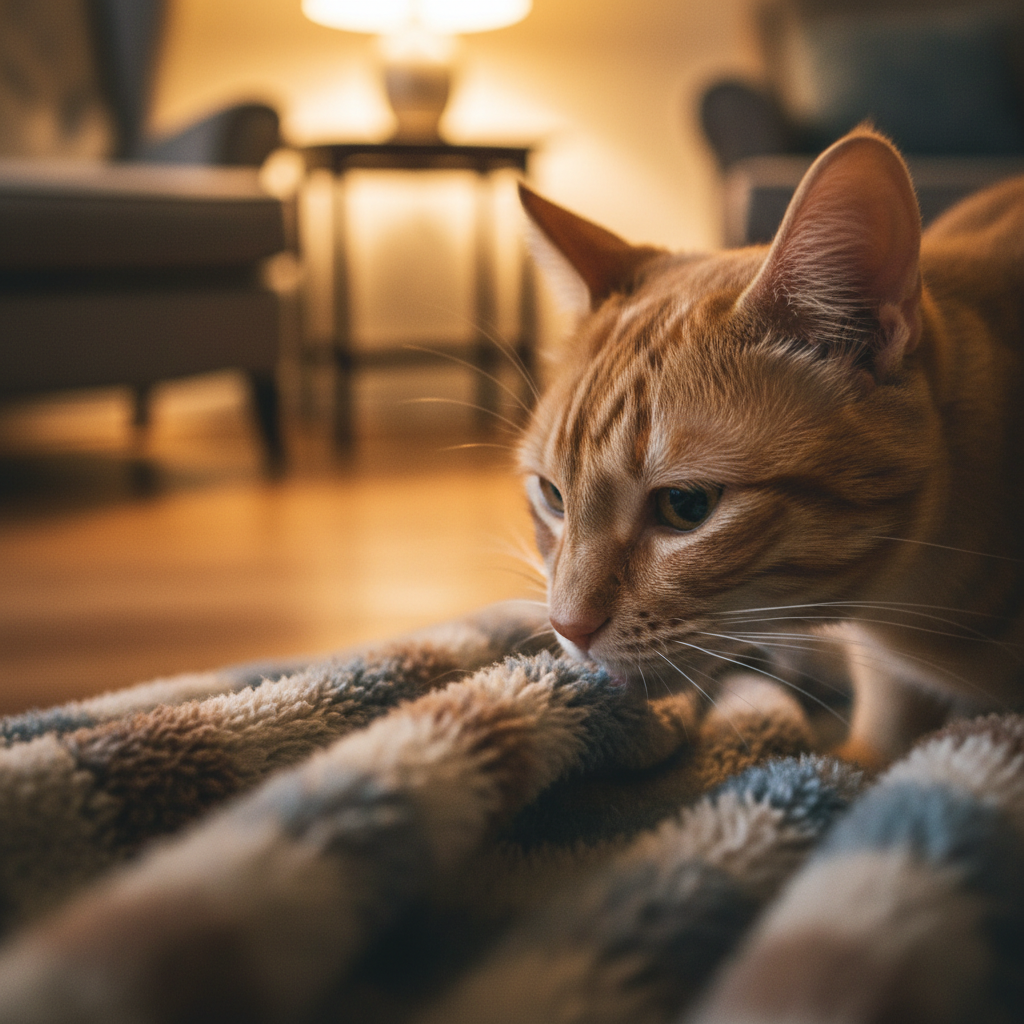
Close up photo of a cat smelling a dog's blanket, shallow depth of field, warm indoor lighting, realistic texture

The Role of Scent

Made byBobr AI

Introduction Steps

1. Scent Swapping: Exchange bedding before they meet.

2. Site Swapping: Allow them to explore each other's territories alone.

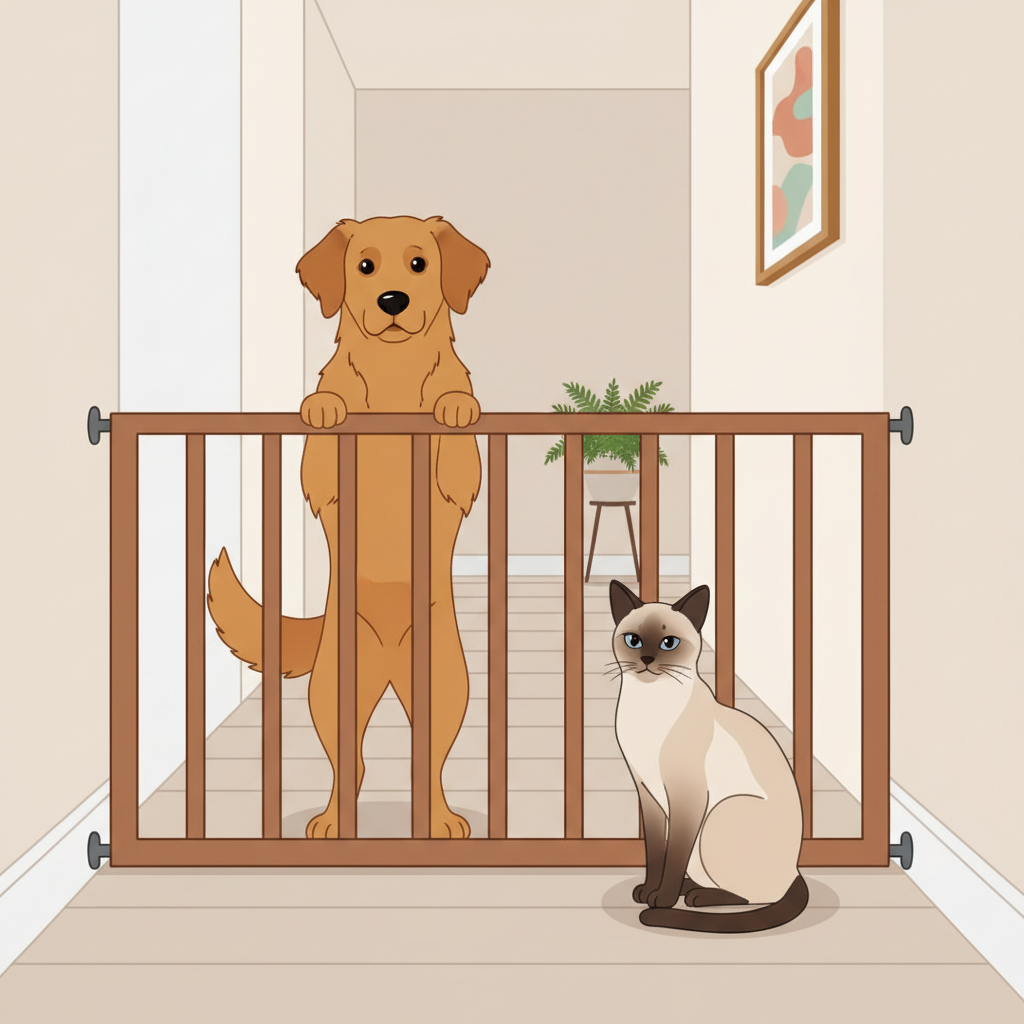
3. Visual Contact: Use a baby gate or crate to allow seeing without touching.

4. Leashed Meeting: Keep the dog on a leash for the first face-to-face.
Illustration of a baby gate separating a curious dog and a calm cat in a hallway, clean vector style
Made byBobr AI

“The differences are what make the friendship interesting.”

(And patience is what makes it possible)

Made byBobr AI

Understanding Energy Levels

Cats are crepuscular (active at dawn/dusk) and sleep significantly more than dogs. Respecting a cat's need for rest and a dog's need for daytime activity is crucial for avoiding conflict.

Chart
Made byBobr AI
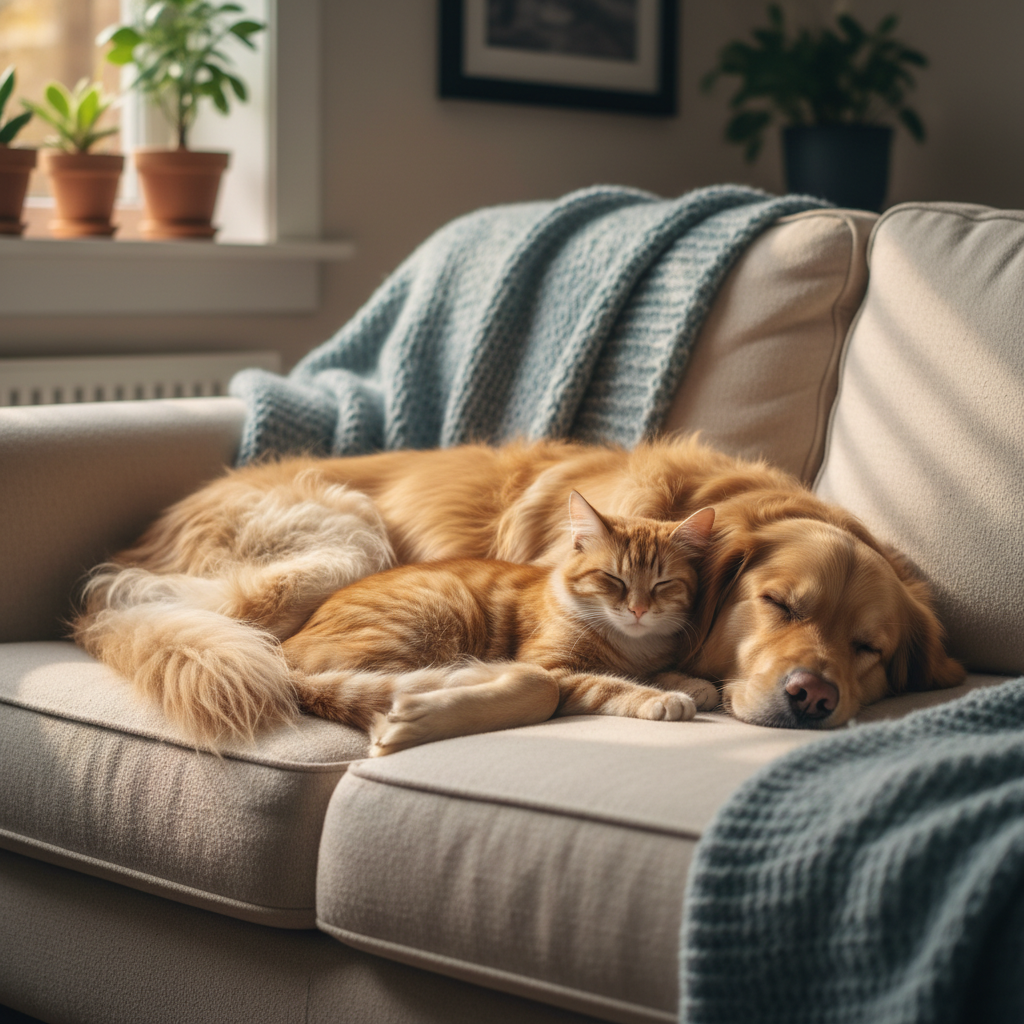
A heartwarming photo of a dog and cat sleeping curled up together on a sofa, sunbeams, cozy atmosphere

A Peaceful Home

By managing resources like food and litter boxes separately, and providing vertical escape routes for cats, you create an environment where both species feel secure. With time, tolerance often turns into affection.

Made byBobr AI
Bobr AI

DESIGNER-MADE
PRESENTATION,
GENERATED FROM
YOUR PROMPT

Create your own professional slide deck with real images, data charts, and unique design in under a minute.

Generate For Free

How to Introduce Cats and Dogs: A Guide to Pet Harmony

Learn effective steps for introducing cats and dogs. Understand animal body language, evolutionary instincts, and scent swapping to build pet friendships.

Cats & Dogs: A Guide to Harmony

Understanding Differences & Building Inter-Species Friendships

Myths vs. Reality

Myth: 'Fighting like cats and dogs' is inevitable.

Reality: Many species coexist peacefully with proper introduction.

Personality plays a bigger role than species.

Early socialization significantly improves success rates.

Evolutionary Instincts

Dogs are pack animals driven by social hierarchy and chase instincts. Cats are solitary hunters and prey, making them territorial and prone to flight. Understanding this predator-prey dynamic helps prevent chase triggers in the home.

US Pet Ownership Households (Millions)

While dogs are slightly more common in US households, a significant number of families manage multi-species homes, proving that coexistence is a widespread reality.

Decoding Body Language

<b>Tail Wagging:</b> Friendliness in dogs vs. Agitation in cats.

<b>Eye Contact:</b> Interest/affection in dogs vs. Challenge/threat in cats.

<b>Rolling Over:</b> Submission in dogs vs. Defensive posture in cats (claws ready).

<b>Ears Back:</b> Submission or fear in dogs vs. Aggression in cats.

The Role of Scent

Introduction Steps

1. <b>Scent Swapping:</b> Exchange bedding before they meet.<br><br>2. <b>Site Swapping:</b> Allow them to explore each other's territories alone.<br><br>3. <b>Visual Contact:</b> Use a baby gate or crate to allow seeing without touching.<br><br>4. <b>Leashed Meeting:</b> Keep the dog on a leash for the first face-to-face.

The differences are what make the friendship interesting.

(And patience is what makes it possible)

Understanding Energy Levels

Cats are crepuscular (active at dawn/dusk) and sleep significantly more than dogs. Respecting a cat's need for rest and a dog's need for daytime activity is crucial for avoiding conflict.

A Peaceful Home

By managing resources like food and litter boxes separately, and providing vertical escape routes for cats, you create an environment where both species feel secure. With time, tolerance often turns into affection.

  • pet-care
  • cat-behavior
  • dog-training
  • animal-socialization
  • pet-ownership
  • multi-pet-household