

AI: Ethical, Economic, and Social Impact Analysis
Explore the dual nature of AI: from $15.7T economic growth and medical breakthroughs to risks like job displacement, algorithmic bias, and deepfakes.
Artificial Intelligence: Savior or Saboteur?
Navigating the Ethical, Economic, and Social Impact of AI
The Dual-Edged Sword
Artificial Intelligence has moved rapidly from theoretical research to practical application. As it reshapes industries, healthcare, and daily life, society faces a critical question: Do the efficiency and capabilities of AI outweigh the risks to privacy, employment, and human autonomy?
The Good: Economic Growth
AI is projected to contribute up to $15.7 trillion to the global economy by 2030. This growth is driven by labor productivity improvements and increased consumer demand.
The Good: Medical Breakthroughs
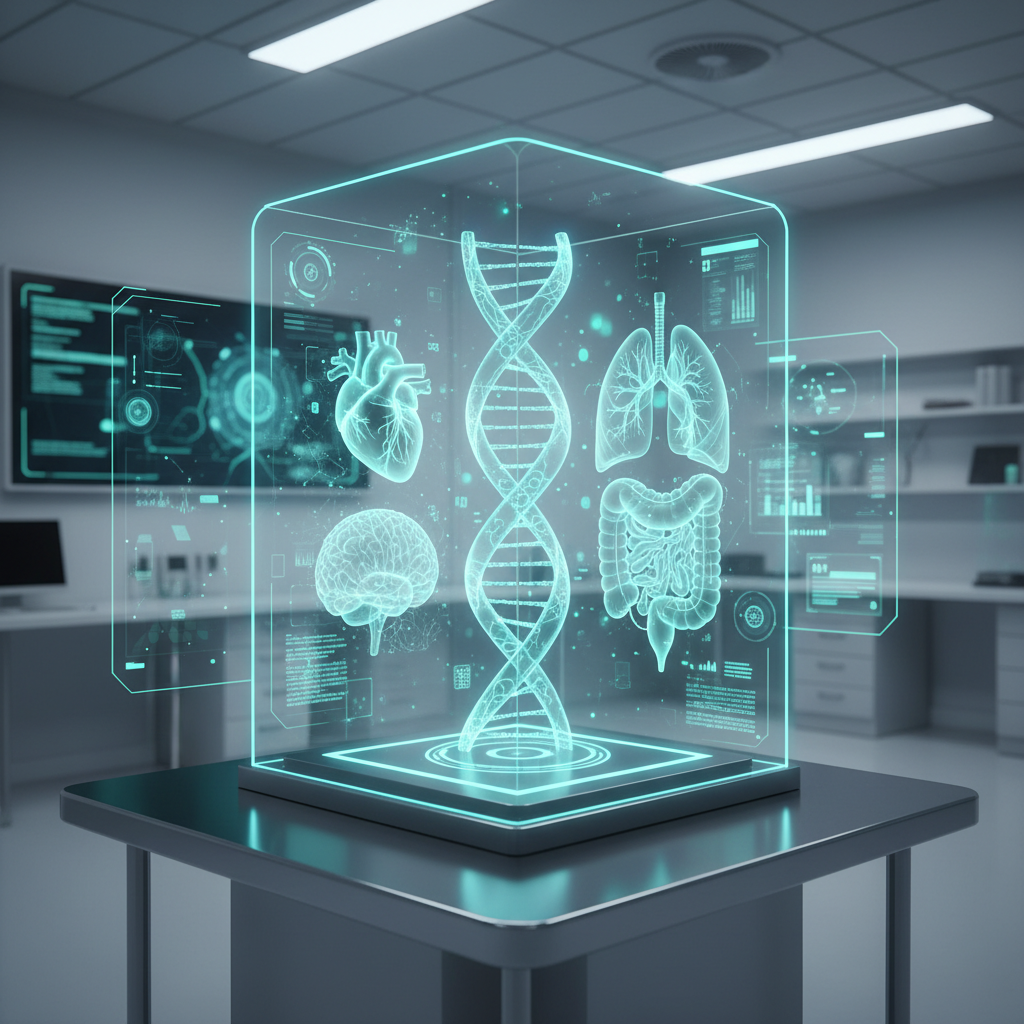
AI algorithms are now capable of detecting radiology abnormalities faster than human specialists. From protein folding research (AlphaFold) to personalized cancer treatments, AI is extending human longevity.
Benefits in Daily Life
Personalized Education: Adaptive learning platforms cater to individual student needs.
Enhanced Safety: AI in autonomous braking and collision detection systems reduces accidents.
Accessibility: Real-time speech-to-text and translation tools bridge communication gaps.
Success in creating AI would be the biggest event in human history. Unfortunately, it might also be the last, unless we learn how to avoid the risks.
Stephen Hawking
The Bad: Job Displacement Risks
While new jobs will be created, displacement will be severe in routine-heavy sectors. Automation potential is highest in manufacturing, food service, and retail.
The Bad: Algorithmic Bias
AI learns from human data, which often contains historical prejudices. This leads to biased decisions in hiring processes, loan approvals, and facial recognition technology, disproportionately affecting minorities.
Security & Misinformation
Deepfakes: AI-generated video and audio blur the line between truth and fiction, threatening political stability.
Cyber Warfare: Automated hacking tools can launch attacks faster than human defenders can respond.
Surveillance: Enhanced facial recognition enables unprecedented mass monitoring and loss of privacy.
The Verdict: Responsible Stewardship
AI is neither good nor bad—it is a tool. The outcome depends on our regulations, ethics, and control.
- artificial-intelligence
- ai-ethics
- tech-trends
- automation-impact
- future-of-work
- economic-growth
- algorithmic-bias