























Made byBobr AI

Understanding Elephantiasis: Lymphatic Filariasis Guide

Explore the causes, symptoms, and treatment of Elephantiasis (Lymphatic Filariasis). Learn about the Wuchereria bancrofti parasite and global elimination efforts.

#elephantiasis#lymphatic-filariasis#infectious-disease#tropical-medicine#wuchereria-bancrofti#parasitology#global-health
Watch
Pitch
INFECTIOUS DISEASE REPORT

ELEPHANTIASIS

Lymphatic Filariasis

A Neglected Tropical Disease caused by parasitic worms

Parasite
Tropical
Preventable
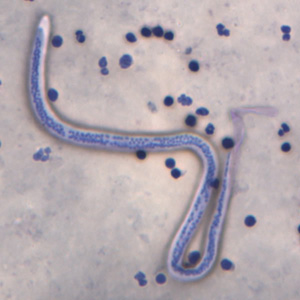
Wuchereria bancrofti microfilaria (×400)
Biology Infectious Disease Unit
Made byBobr AI
01 — NAME OF DISEASE

Common Name

ELEPHANTIASIS

From Greek: 'elephas' (ἐλέφας) meaning elephant — referring to the thick, rough skin resembling elephant hide

Also called: Lymphedema, Tropical Elephantiasis

Scientific Name

Lymphatic Filariasis

Named after the filarial worms (Filarioidea) that infect the lymphatic system

ICD-10 Code: B74.0

The word 'Elephantiasis' was first used to describe the dramatic swelling and skin thickening that resembles an elephant's leg.

Made byBobr AI

02 — THE PATHOGEN

Scientific Name

Wuchereria bancrofti

Named after Otto Wucherer & Joseph Bancroft, who discovered the worm in the 1800s

Also causes: Brugia malayi, Brugia timori (less common)

Type of Pathogen

Parasitic Nematode
(Roundworm)
Kingdom Animalia
Phylum Nematoda
Class Chromadorea
Family Onchocercidae

Size Range

Microfilaria: 280 μm long × 25 μm wide
Male adult worm: 40 mm long × 100 μm wide
Female adult worm: 60–100 mm long × 300 μm wide
L1 larvae: 124–250 μm
Female is 3× larger than male!

Wuchereria bancrofti accounts for ~90% of all lymphatic filariasis cases globally. It is transmitted by mosquito bite.

Made byBobr AI
03 — PATHOGEN STRUCTURE
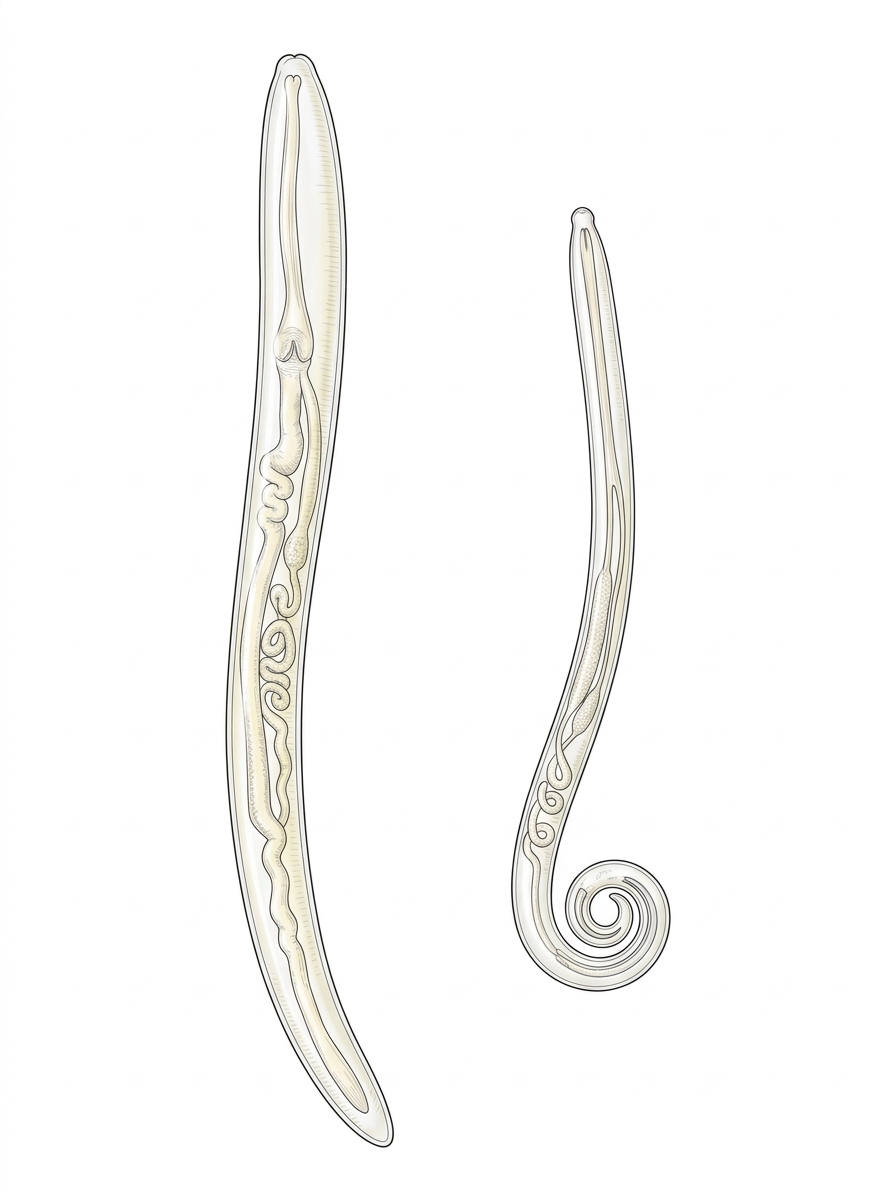
Cephalic region (head)
Neck constriction
Body cavity w/ scattered dark nuclei
Reproductive organs
Tail tip (no nuclei)
♀ FEMALE
♂ MALE
Relative Size
Female
8-10 cm
Male
4 cm

External Structure

  • Smooth, slender cylindrical body that is white/translucent
  • Characterized by rounded ends
  • Short cephalic (head) region connected by a neck constriction

Internal Structure

  • Scattered dark nuclei in body cavity & primitive digestive tract
  • Male: 15 pairs of caudal papillae (sensory organs)
  • Female: Elaborate reproductive tract continuously producing microfilariae

Microfilaria Stage

  • Microscopic size: 280 μm length × 25 μm width
  • Colorless and highly transparent
  • Contains a primitive gut, nerve ring, and a retained egg membrane (sheath)
Adult worms live coiled together inside lymphatic vessels for up to 7 years!
Made byBobr AI
04 — HISTORICAL TIMELINE
1
~600 BCE
Ancient Records
Hindu texts describe elephantiasis-like swelling. Ancient Egyptians also recorded the disease.
2
1863
Discovery
Jean-Nicolas Demarquay discovers microfilaria in lymphatic fluid. Timothy Lewis finds microfilaria in blood.
3
1877
Worm Identified
Joseph Bancroft discovers adult Wuchereria bancrofti worm in Australia.
4
1878
Mosquito Link
Patrick Manson proves mosquitoes transmit the parasite — first insect-disease transmission proven in history!
5
1900s
Naming
Disease officially named Wuchereria bancrofti after Wucherer & Bancroft.
6
1947
DEC Treatment
Diethylcarbamazine (DEC) developed as first effective drug treatment.
7
2000
WHO GPELF
Global Programme to Eliminate Lymphatic Filariasis launched. Mass drug administration begins worldwide.
8
2024
Progress
21 countries achieve elimination status. 69% reduction in global burden.
Patrick Manson's 1878 discovery was a landmark moment — it was the FIRST proof that insects can transmit human disease.
Made byBobr AI

05 — TRANSMISSION

Infected Person

Human host has microfilariae in bloodstream.

Mosquito Bite

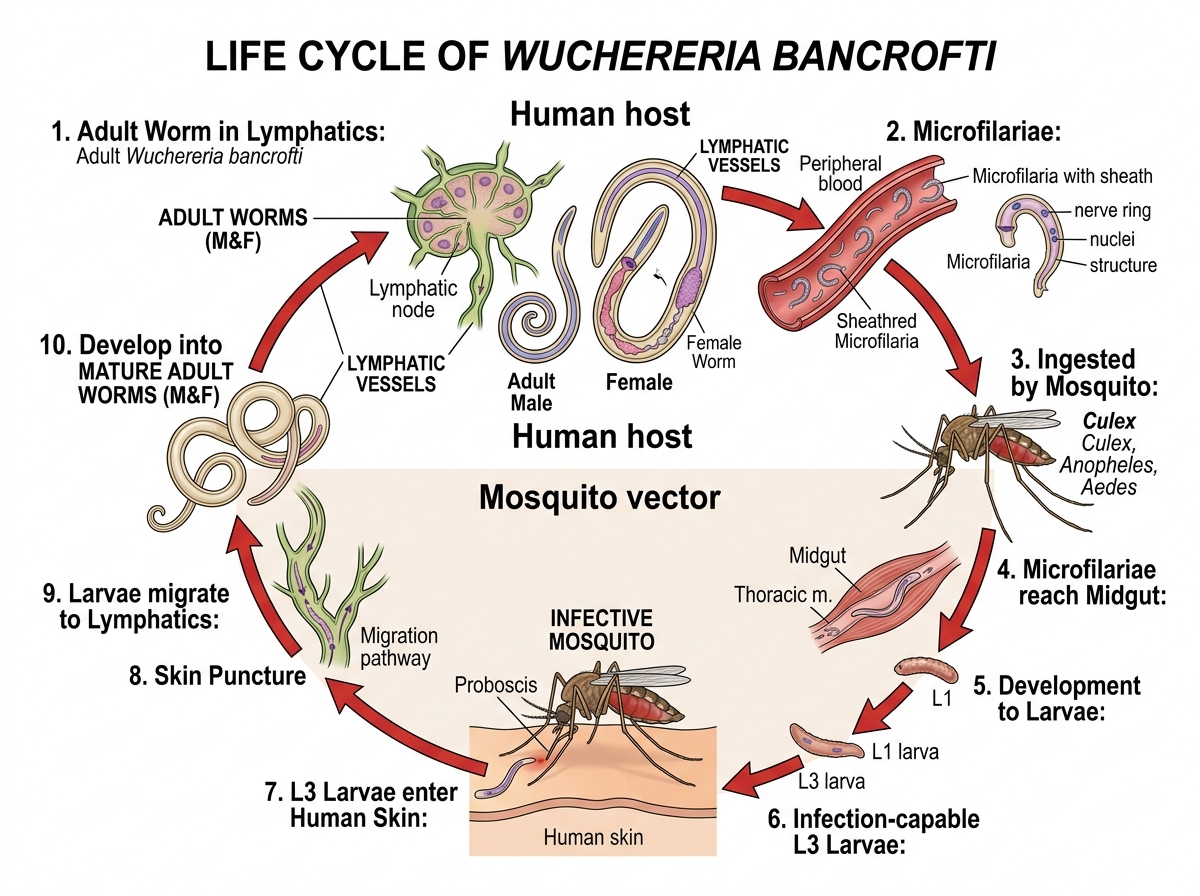
Female mosquito bites infected person and ingests microfilariae.

Inside Mosquito

Microfilariae develop into infective L3 larvae over 10–14 days.

New Human Host

Infected mosquito bites a new person; L3 larvae mature over 6–12 months.

Main Vector Mosquitoes

  • Culex quinquefasciatus (most common, 90%+)
  • Anopheles species
  • Aedes species

Note: ~70 mosquito species can transmit W. bancrofti.

How You CANNOT Catch It

NOT spread by: casual contact, touching, sharing food, coughing/sneezing.

Requires repeated mosquito bites in endemic areas.
You need MANY infected mosquito bites over time  —  a single bite rarely causes infection. Endemic regions: Africa, Asia, Pacific Islands.
Made byBobr AI
06 — INCUBATION PERIOD & SYMPTOMS
6–12
MONTHS
Incubation Period
Time between mosquito bite and first symptoms
Microfilariae may circulate in blood for MONTHS before symptoms appear
Many people remain asymptomatic despite being infected
Adult worms take months to mature in lymphatic vessels
🔴

Acute Stage

Lymphangitis (inflamed lymph vessels)
Lymphadenitis (swollen lymph nodes)
Recurring fever and chills
Pain and tenderness
Elevated eosinophils in blood
🟢

Chronic Stage (years later)

Lymphedema — massive swelling of limbs
Elephantiasis — thickened, rough "elephant skin"
Hydrocele — fluid in scrotum (males)
Chyluria — milky white urine
Breast/genital swelling
Most infected people never show visible symptoms — but lymphatic damage occurs silently inside the body.
Made byBobr AI

07 — RISK FACTORS & COMPLICATIONS

⚠️ RISK FACTORS

Living in endemic tropical/subtropical regions (Africa, Asia, Pacific)

High mosquito exposure — poor housing, no nets

💧

Lack of clean water & sanitation

Sleeping without mosquito protection

Long-term residence since childhood in endemic area

Limited access to healthcare/treatment

🚨 POTENTIAL COMPLICATIONS

Permanent Lymphedema

Irreversible swelling of limbs, causing lifelong disability

Elephantiasis

Gross enlargement of limbs/genitals; skin becomes thick, warty, darkened

Hydrocele

Accumulation of fluid around the testes; affects up to 25% of males in endemic areas

Secondary bacterial infections

Repeated skin infections due to damaged lymphatic defenses

Psychological & Social Impact

Stigma, depression, inability to work; major disability burden

Elephantiasis causes ~1.31 million DALYs (disability-adjusted life years) lost globally each year — it is a leading cause of permanent disability.

Made byBobr AI

08 — TREATMENT & MANAGEMENT

DRUG OF CHOICE

Diethylcarbamazine (DEC)

  • Kills BOTH microfilariae AND adult worms
  • Microfilaricidal + Macrofilaricidal
  • Most effective single drug
  • Used since 1947
  • NOT used where onchocerciasis is co-endemic
MICROFILARICIDE

Ivermectin

  • Kills microfilariae only (not adult worms)
  • Single-dose administration
  • Rapid clearance of microfilariae
  • Used in combination therapy
  • Effective alternative to DEC
COMBINATION THERAPY

Albendazole

  • Used in combination with DEC or Ivermectin
  • Microfilaricidal effect
  • Part of WHO Triple Drug Therapy (IDA)
  • IDA = Ivermectin + DEC + Albendazole (most effective regimen)

Lymphedema Management

Specialized lymphatic therapy Compression bandaging Hygiene care Elevation of affected limbs Gentle exercise

Surgical Options

Hydrocelectomy (fluid removal surgery)
Surgery for severe lymphedema cases
The WHO Triple Drug Therapy (IDA) — Ivermectin + DEC + Albendazole — is the MOST effective treatment and clears parasites faster than 2-drug regimens.
Made byBobr AI
09 — VACCINATION & CONTROL PROGRAMS
⚠️
NO VACCINE EXISTS
There is currently no approved vaccine for Lymphatic Filariasis. Prevention relies on drug treatment and mosquito control.

WHO Global Programme (GPELF)

Est. 2000
Largest disease elimination program in history
Goal: Eliminate LF as public health problem by 2030
Strategy: Annual Mass Drug Administration (MDA)
Over 10 BILLION treatments delivered since 2000
72 endemic countries targeted
21 countries have already achieved elimination (2024)

Mass Drug Administration (MDA)

Entire at-risk population treated once or twice per year
Minimum 80% population coverage required
Drugs used: DEC + Albendazole OR Ivermectin + Albendazole
Reduces microfilariae in blood → breaks transmission cycle
Free distribution in endemic communities

Vector (Mosquito) Control

Insecticide-treated bed nets (ITNs)
Indoor residual spraying (IRS)
DEET insect repellents
Eliminating standing water (breeding sites)
Community education programs
37
Countries no longer need MDA
924M
People free from required treatment
69%
Reduction in global burden achieved
Made byBobr AI

10 — EPIDEMIOLOGY

~57 MILLION
People infected globally (2021)
1.31 MILLION
DALYs lost per year (disability burden)
72 COUNTRIES
Endemic nations worldwide
10+ BILLION
Treatments delivered since 2000
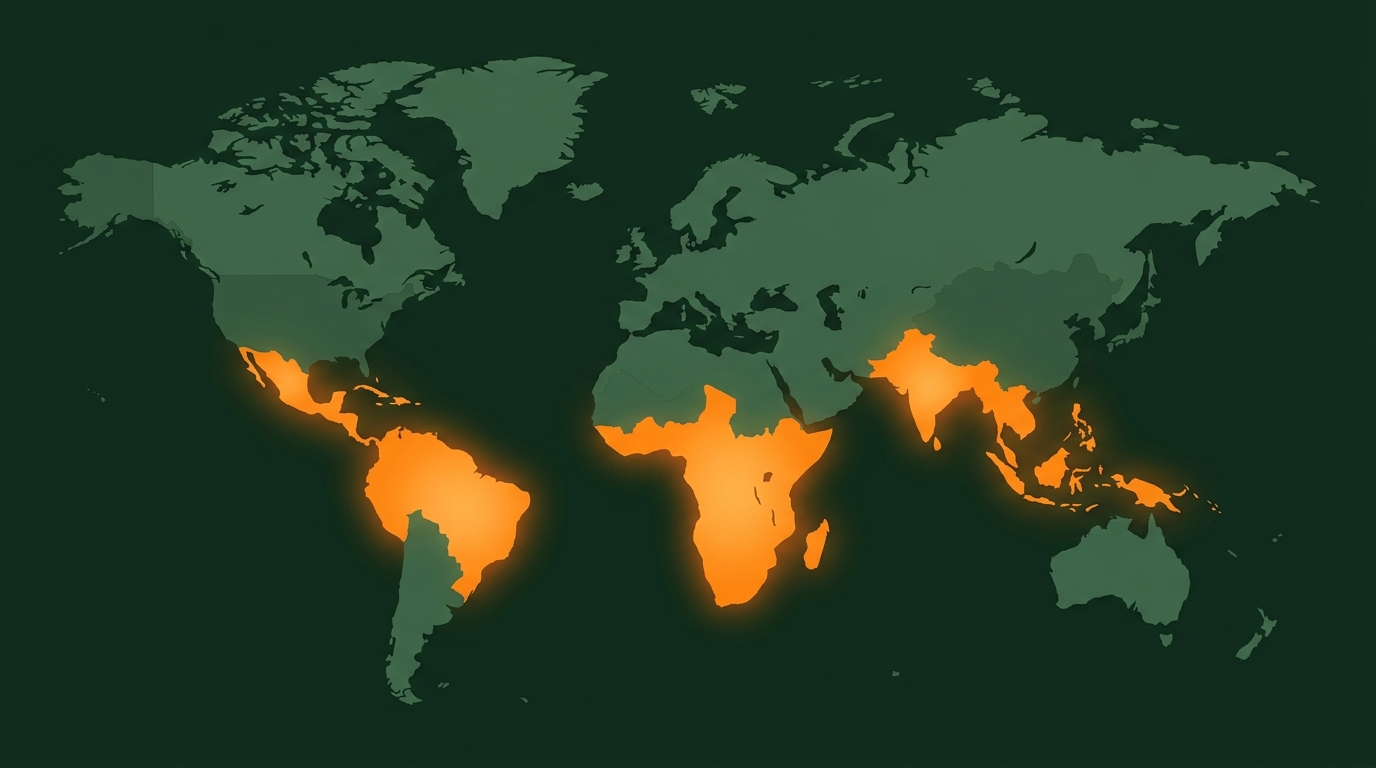
Endemic Regions: Sub-Saharan Africa, South Asia, Southeast Asia, Pacific Islands, Americas

Global Case Distribution

South Asia
61%
34.67 million cases
Southeast Asia
14%
7.88 million cases
Sub-Saharan Africa
12%
6.93 million cases
Rest of World
13%
7.52 million cases (est.)

Progress 2000–2024

69.2% reduction in people needing treatment. 21 countries eliminated the disease. 172 million people declared free in 2024 alone!

Mortality & Morbidity

Low mortality but HIGH morbidity. Leading cause of permanent disability in tropics. Major economic impact — affected people lose ~20% of working capacity.

Made byBobr AI

11 — IMAGES OF THE PATHOGEN & DISEASE

Wuchereria bancrofti microfilaria under light microscopy (CDC)
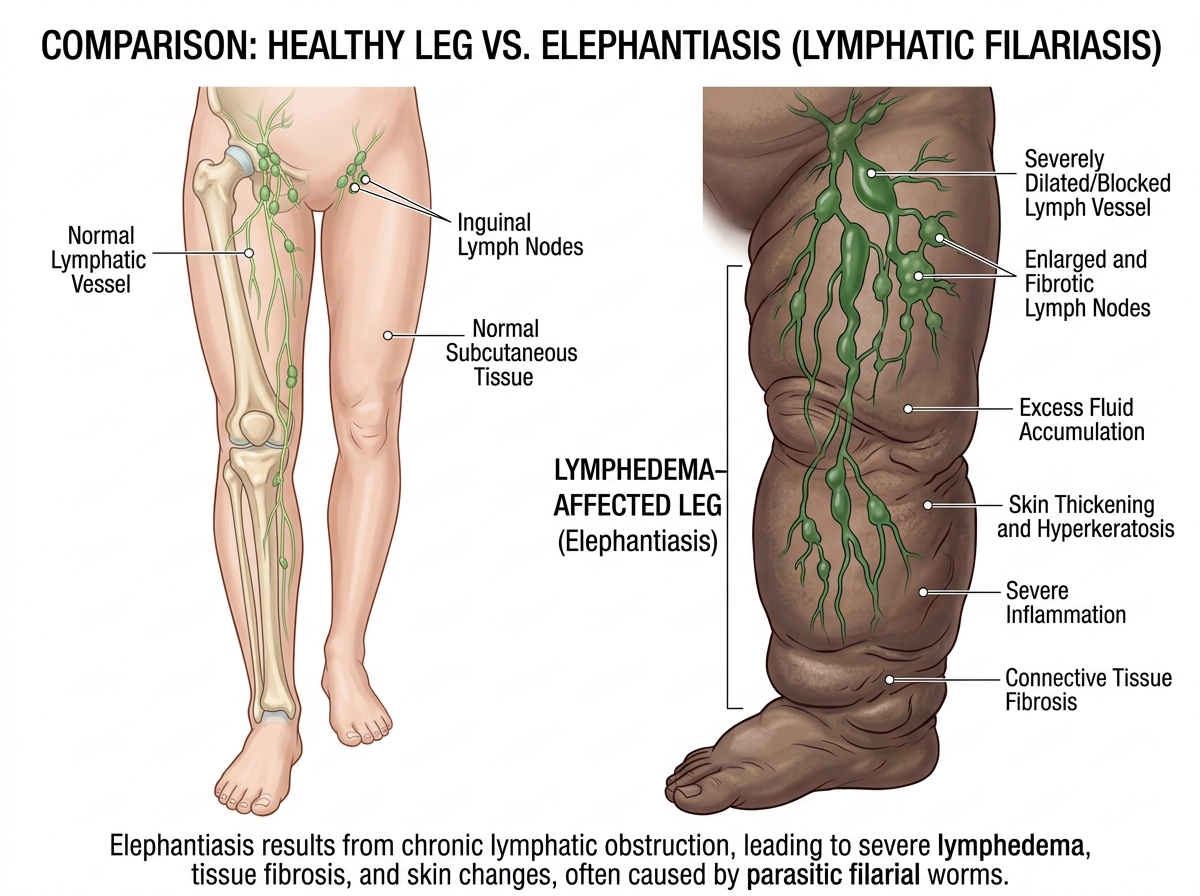
Elephantiasis: severe lymphedema of the leg
Life Cycle of W. bancrofti
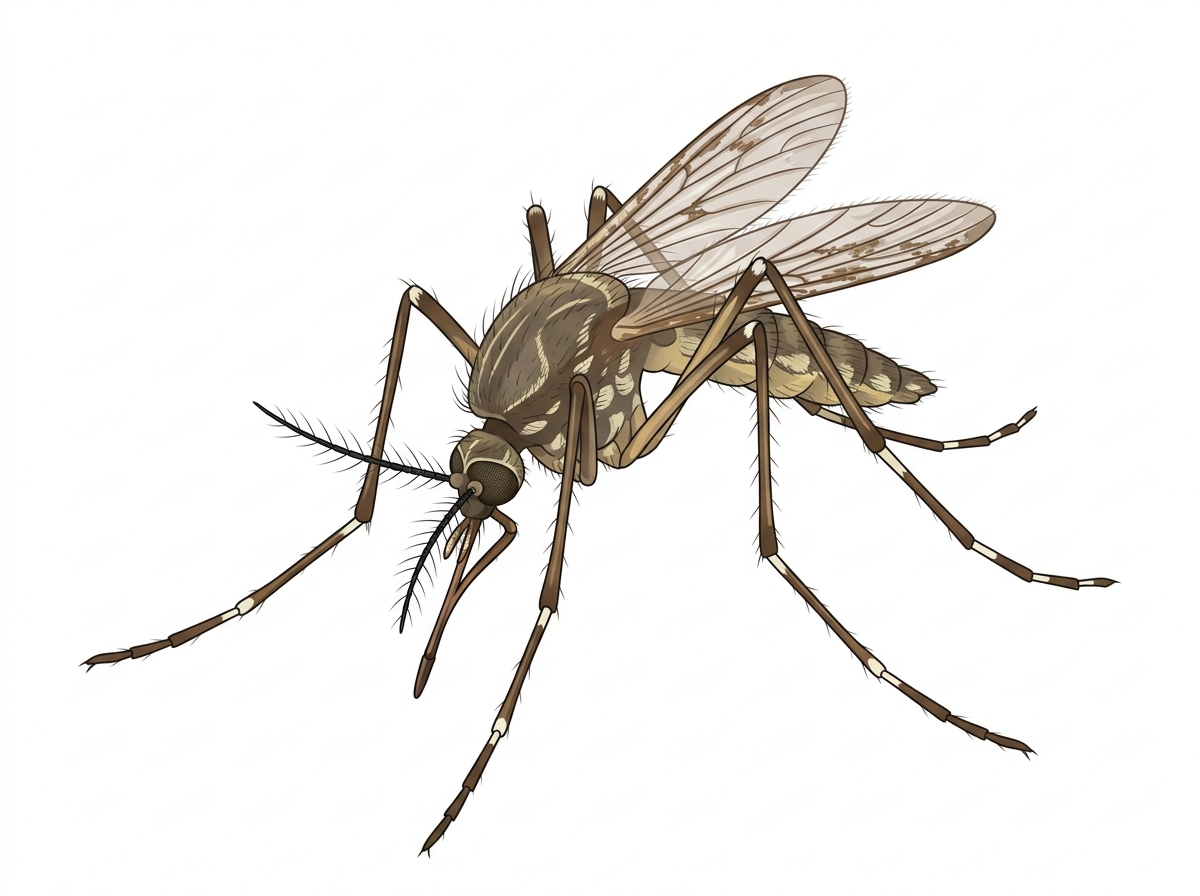
Culex quinquefasciatus — main vector mosquito
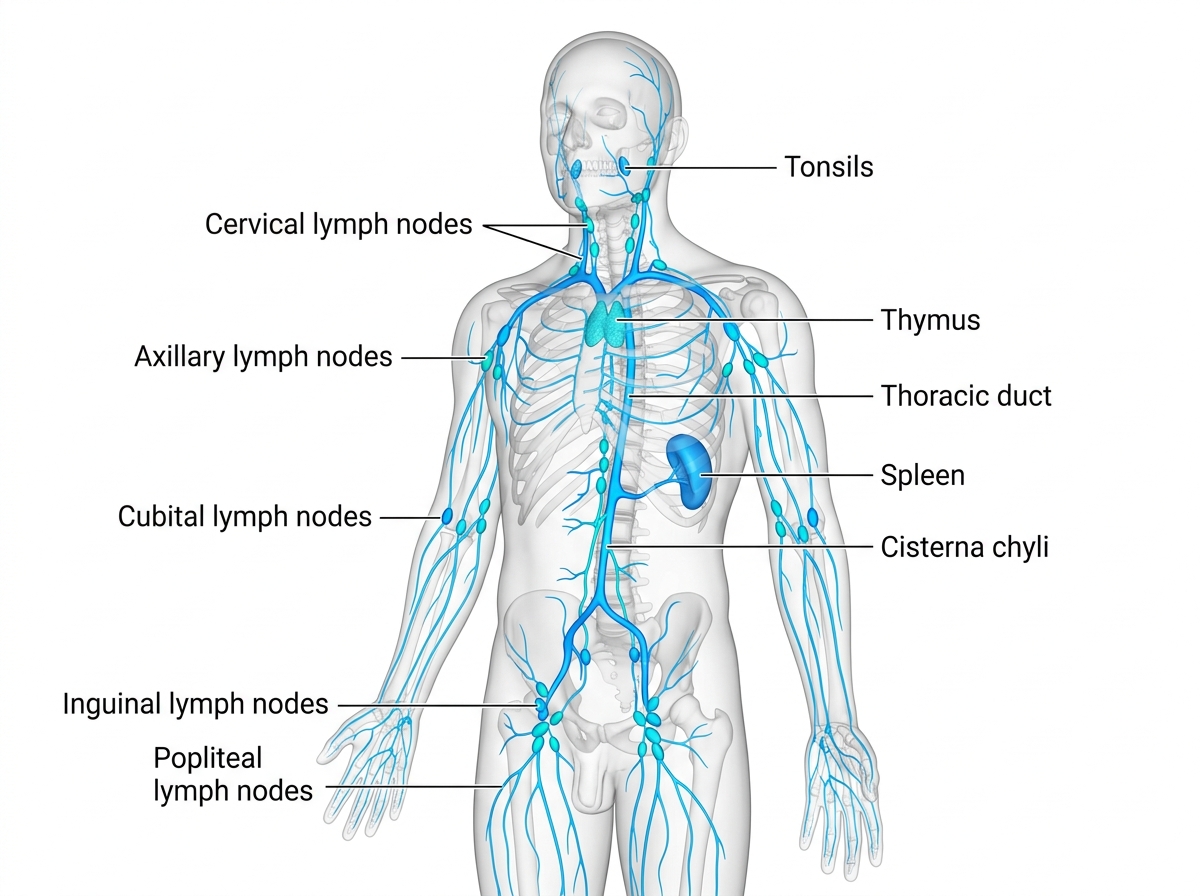
Human lymphatic system affected by LF
Made byBobr AI

KEY TAKEAWAYS

🦟
Spread by mosquito bites — NOT person to person
🪱
Caused by Wuchereria bancrofti — a parasitic roundworm
⏱️
6–12 month incubation — silent damage inside body
💊
Treatable with DEC, Ivermectin & Albendazole (IDA)
🌍
~57 million infected — a Neglected Tropical Disease
Eliminatable! 21 countries already disease-free (2024)
Elephantiasis is PREVENTABLE, TREATABLE & ELIMINATABLE — with the right tools and global commitment.
Sources: WHO, CDC, Global Burden of Disease Study 2021
Made byBobr AI
Bobr AI

DESIGNER-MADE
PRESENTATION,
GENERATED FROM
YOUR PROMPT

Create your own professional slide deck with real images, data charts, and unique design in under a minute.

Generate For Free

Understanding Elephantiasis: Lymphatic Filariasis Guide

Explore the causes, symptoms, and treatment of Elephantiasis (Lymphatic Filariasis). Learn about the Wuchereria bancrofti parasite and global elimination efforts.

INFECTIOUS DISEASE REPORT

ELEPHANTIASIS

Lymphatic Filariasis

A Neglected Tropical Disease caused by parasitic worms

Wuchereria bancrofti microfilaria (×400)

Biology Infectious Disease Unit

01 — NAME OF DISEASE

Common Name

ELEPHANTIASIS

From Greek: 'elephas' (ἐλέφας) meaning elephant — referring to the thick, rough skin resembling elephant hide

Also called: Lymphedema, Tropical Elephantiasis

Scientific Name

Lymphatic Filariasis

Named after the filarial worms (Filarioidea) that infect the lymphatic system

ICD-10 Code: B74.0

The word 'Elephantiasis' was first used to describe the dramatic swelling and skin thickening that resembles an elephant's leg.

02 — THE PATHOGEN

Scientific Name

Wuchereria bancrofti

Named after Otto Wucherer & Joseph Bancroft, who discovered the worm in the 1800s

Brugia malayi, Brugia timori (less common)

Type of Pathogen

Parasitic Nematode

(Roundworm)

Size Range

Microfilaria:

280 μm long × 25 μm wide

Male adult worm:

40 mm long × 100 μm wide

Female adult worm:

60–100 mm long × 300 μm wide

L1 larvae:

124–250 μm

Female is 3× larger than male!

accounts for ~90% of all lymphatic filariasis cases globally. It is transmitted by mosquito bite.

03 — PATHOGEN STRUCTURE

External Structure

Internal Structure

Microfilaria Stage

Adult worms live coiled together inside lymphatic vessels for up to 7 years!

04 — HISTORICAL TIMELINE

~600 BCE

Ancient Records

Hindu texts describe elephantiasis-like swelling. Ancient Egyptians also recorded the disease.

1863

Discovery

Jean-Nicolas Demarquay discovers microfilaria in lymphatic fluid. Timothy Lewis finds microfilaria in blood.

1877

Worm Identified

Joseph Bancroft discovers adult Wuchereria bancrofti worm in Australia.

1878

Mosquito Link

Patrick Manson proves mosquitoes transmit the parasite — first insect-disease transmission proven in history!

1900s

Naming

Disease officially named Wuchereria bancrofti after Wucherer & Bancroft.

1947

DEC Treatment

Diethylcarbamazine (DEC) developed as first effective drug treatment.

2000

WHO GPELF

Global Programme to Eliminate Lymphatic Filariasis launched. Mass drug administration begins worldwide.

2024

Progress

21 countries achieve elimination status. 69% reduction in global burden.

Patrick Manson's 1878 discovery was a landmark moment — it was the FIRST proof that insects can transmit human disease.

06 — INCUBATION PERIOD & SYMPTOMS

6–12

MONTHS

Incubation Period

Time between mosquito bite and first symptoms

Microfilariae may circulate in blood for <strong style="font-weight: 800; color: #fff; background-color: rgba(26, 74, 46, 0.4); padding: 0 8px; border-radius: 4px;">MONTHS</strong> before symptoms appear

Many people remain asymptomatic despite being infected

Adult worms take months to mature in lymphatic vessels

Acute Stage

<strong style="color: #f97316;">Lymphangitis</strong> (inflamed lymph vessels)

<strong style="color: #f97316;">Lymphadenitis</strong> (swollen lymph nodes)

Recurring fever and chills

Pain and tenderness

Elevated eosinophils in blood

Chronic Stage (years later)

<strong style="color: #10b981;">Lymphedema</strong> &mdash; massive swelling of limbs

<strong style="color: #10b981;">Elephantiasis</strong> &mdash; thickened, rough "elephant skin"

<strong style="color: #10b981;">Hydrocele</strong> &mdash; fluid in scrotum (males)

<strong style="color: #10b981;">Chyluria</strong> &mdash; milky white urine

Breast/genital swelling

Most infected people never show visible symptoms — but lymphatic damage occurs silently inside the body.

07 — RISK FACTORS & COMPLICATIONS

⚠️ RISK FACTORS

Living in endemic tropical/subtropical regions (Africa, Asia, Pacific)

High mosquito exposure — poor housing, no nets

Lack of clean water & sanitation

Sleeping without mosquito protection

Long-term residence since childhood in endemic area

Limited access to healthcare/treatment

🚨 POTENTIAL COMPLICATIONS

Permanent Lymphedema

Irreversible swelling of limbs, causing lifelong disability

Elephantiasis

Gross enlargement of limbs/genitals; skin becomes thick, warty, darkened

Hydrocele

Accumulation of fluid around the testes; affects up to 25% of males in endemic areas

Secondary bacterial infections

Repeated skin infections due to damaged lymphatic defenses

Psychological & Social Impact

Stigma, depression, inability to work; major disability burden

Elephantiasis causes ~1.31 million DALYs (disability-adjusted life years) lost globally each year — it is a leading cause of permanent disability.

08 — TREATMENT & MANAGEMENT

DRUG OF CHOICE

Diethylcarbamazine (DEC)

MICROFILARICIDE

Ivermectin

COMBINATION THERAPY

Albendazole

Lymphedema Management

Surgical Options

09 — VACCINATION & CONTROL PROGRAMS

NO VACCINE EXISTS

There is currently no approved vaccine for Lymphatic Filariasis. Prevention relies on drug treatment and mosquito control.

WHO Global Programme (GPELF)

Est. 2000

Mass Drug Administration (MDA)

Vector (Mosquito) Control

37

Countries no longer need MDA

924M

People free from required treatment

69%

Reduction in global burden achieved

~57 MILLION

People infected globally (2021)

1.31 MILLION

DALYs lost per year (disability burden)

72 COUNTRIES

Endemic nations worldwide

10+ BILLION

Treatments delivered since 2000

11 — IMAGES OF THE PATHOGEN & DISEASE

Wuchereria bancrofti microfilaria under light microscopy (CDC)

Elephantiasis: severe lymphedema of the leg

Life Cycle of W. bancrofti

Culex quinquefasciatus — main vector mosquito

Human lymphatic system affected by LF

KEY TAKEAWAYS

🦟

Spread by mosquito bites — NOT person to person

🪱

Caused by Wuchereria bancrofti — a parasitic roundworm

⏱️

6–12 month incubation — silent damage inside body

💊

Treatable with DEC, Ivermectin & Albendazole (IDA)

🌍

~57 million infected — a Neglected Tropical Disease

Eliminatable! 21 countries already disease-free (2024)

Elephantiasis is PREVENTABLE, TREATABLE & ELIMINATABLE — with the right tools and global commitment.

Sources: WHO, CDC, Global Burden of Disease Study 2021

  • elephantiasis
  • lymphatic-filariasis
  • infectious-disease
  • tropical-medicine
  • wuchereria-bancrofti
  • parasitology
  • global-health