



Made byBobr AI

Optimization Design: Balancing Engineering Objectives

Learn the fundamentals of optimization design, including objective functions, constraints, and variables with a practical soda can volume example.

#optimization-design#engineering#mathematical-optimization#design-variables#objective-function#product-design
Watch
Pitch
Abstract geometric composition representing balance and precision, dark blue and cyan lighting, minimalist 3d shapes, sleek engineering aesthetic

Optimization Design

Balancing Objectives and Constraints in Engineering Focus on: One Objective, One Constraint Reference

Made byBobr AI

What is Optimization Design?

Optimization design is the mathematical and logical process of finding the best possible solution for a problem within a given set of limitations. Instead of just 'making it work,' optimization asks, 'how can we make it work best?' It transforms subjective design choices into objective mathematical decisions.

Made byBobr AI

The Three Pillars of Optimization

  • Design Variables: The parameters we can change (e.g., length, thickness, material choice).
  • Objective Function: The goal we want to maximize or minimize (e.g., minimize weight).
  • Constraints: The strict limits the design must adhere to (e.g., maximum stress allowed).
Made byBobr AI

The Objective Function

The objective is the 'single truth' of the optimization. It is a mathematical function that returns a value indicating 'goodness'. In engineering, we typically aim to: • Minimize (Cost, Weight, Drag, Waste) • Maximize (Efficiency, Volume, Strength, Profit) For a single-objective problem, there is only one definition of success.
A single white feather on a digital scale demonstrating extreme lightness, blue hi-tech background, macro photography
Made byBobr AI
A glowing laser grid barrier forming a strict boundary in a dark futuristic environment, representing limitations

Defining Constraints

Constraints distinguish optimization from fantasy. They represent the boundaries of reality. A solution that meets the objective but violates a constraint is 'infeasible' and must be discarded. Examples: • Budget must be < $10,000 • Temperature must remain < 500°C • Wall thickness must be > 2mm
Made byBobr AI

Example: The Soda Can Problem

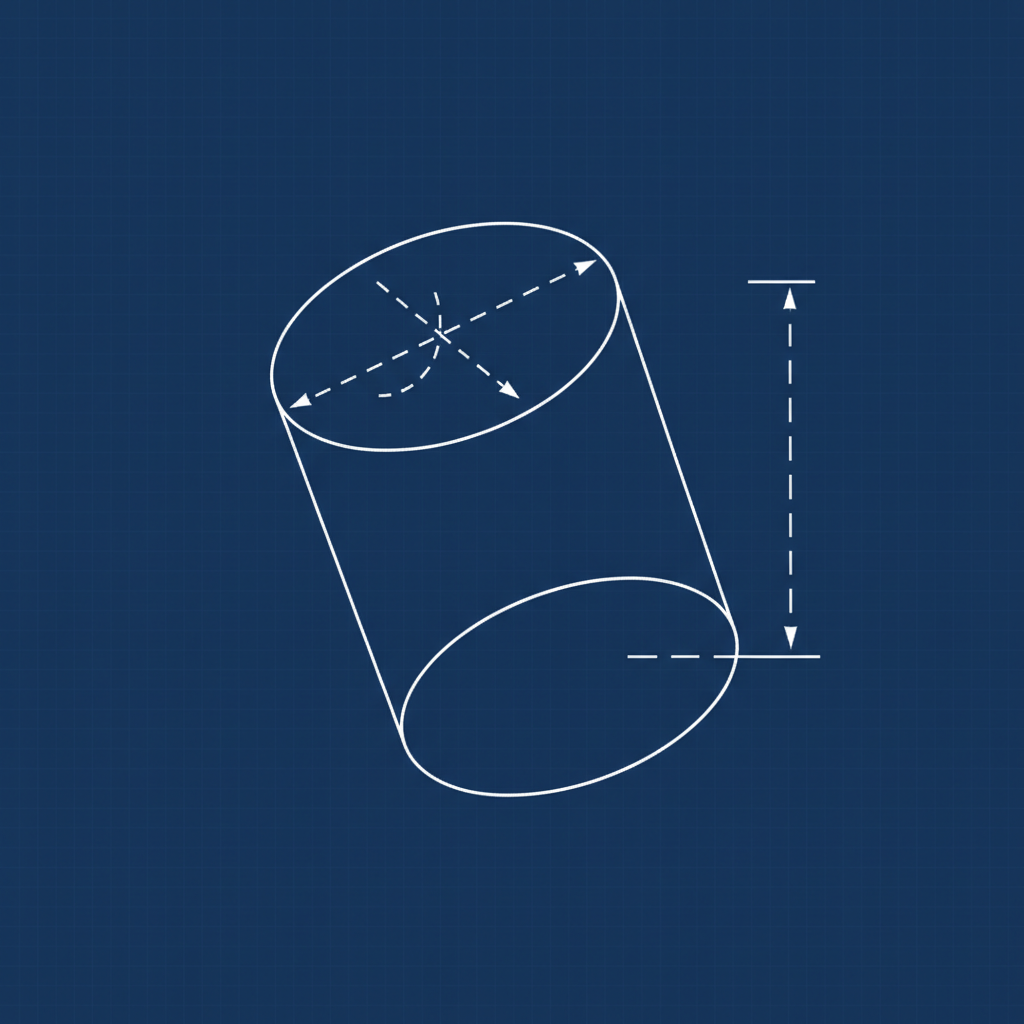
Let's apply this logic to a classic engineering problem: Designing a cylindrical can. We have independent design variables: Radius (r) and Height (h). We need to determine the optimal dimensions to hold the most liquid possible without using too much metal.

Made byBobr AI
A clean, technical blueprint style render of a cylinder, showing dimension lines for radius and height, white lines on blueprint blue background

Design Variables: Radius (r) and Height (h)

Made byBobr AI

Defining the Problem Scope

OBJECTIVE (Maximize): Volume (V). We want the customer to get the most product possible.
CONSTRAINT (Fixed): Surface Area (A). We only have a specific amount of aluminum sheet metal available per can (e.g., 300 cm²).
The challenge: As we increase radius, height must decrease to keep Surface Area constant. At what point is Volume maximized?
Made byBobr AI

Finding the Optimum: Volume vs. Radius

This chart plots the resulting Volume of the can as we change the Radius. The constraint (Fixed Surface Area = 300cm²) is mathematically baked into the curve. Notice the peak.

Chart
Made byBobr AI

Optimization Summary

  • Design is a trade-off. We rarely get everything we want.
  • The Objective Function defines what 'success' looks like (e.g., Max Volume).
  • Constraints define the 'playground' boundaries (e.g., Fixed Material).
  • The Optimal Solution is the single peak point where the objective is highest within the allowed constraints.
Made byBobr AI

“Optimization determines the difference between a structure that stands and a structure that stands efficiently.”

— Engineering Principles

Made byBobr AI
Bobr AI

DESIGNER-MADE
PRESENTATION,
GENERATED FROM
YOUR PROMPT

Create your own professional slide deck with real images, data charts, and unique design in under a minute.

Generate For Free

Optimization Design: Balancing Engineering Objectives

Learn the fundamentals of optimization design, including objective functions, constraints, and variables with a practical soda can volume example.

Optimization Design

Balancing Objectives and Constraints in Engineering Focus on: One Objective, One Constraint Reference

What is Optimization Design?

Optimization design is the mathematical and logical process of finding the best possible solution for a problem within a given set of limitations. Instead of just 'making it work,' optimization asks, 'how can we make it work best?' It transforms subjective design choices into objective mathematical decisions.

The Three Pillars of Optimization

Design Variables: The parameters we can change (e.g., length, thickness, material choice).

Objective Function: The goal we want to maximize or minimize (e.g., minimize weight).

Constraints: The strict limits the design must adhere to (e.g., maximum stress allowed).

The Objective Function

The objective is the 'single truth' of the optimization. It is a mathematical function that returns a value indicating 'goodness'. In engineering, we typically aim to: • Minimize (Cost, Weight, Drag, Waste) • Maximize (Efficiency, Volume, Strength, Profit) For a single-objective problem, there is only one definition of success.

Defining Constraints

Constraints distinguish optimization from fantasy. They represent the boundaries of reality. A solution that meets the objective but violates a constraint is 'infeasible' and must be discarded. Examples: • Budget must be < $10,000 • Temperature must remain < 500°C • Wall thickness must be > 2mm

Example: The Soda Can Problem

Let's apply this logic to a classic engineering problem: Designing a cylindrical can. We have independent design variables: Radius (r) and Height (h). We need to determine the optimal dimensions to hold the most liquid possible without using too much metal.

Design Variables: Radius (r) and Height (h)

Defining the Problem Scope

OBJECTIVE (Maximize): Volume (V). We want the customer to get the most product possible.

CONSTRAINT (Fixed): Surface Area (A). We only have a specific amount of aluminum sheet metal available per can (e.g., 300 cm²).

The challenge: As we increase radius, height must decrease to keep Surface Area constant. At what point is Volume maximized?

Finding the Optimum: Volume vs. Radius

This chart plots the resulting Volume of the can as we change the Radius. The constraint (Fixed Surface Area = 300cm²) is mathematically baked into the curve. Notice the peak.

Optimization Summary

Design is a trade-off. We rarely get everything we want.

The Objective Function defines what 'success' looks like (e.g., Max Volume).

Constraints define the 'playground' boundaries (e.g., Fixed Material).

The Optimal Solution is the single peak point where the objective is highest within the allowed constraints.

Optimization determines the difference between a structure that stands and a structure that stands efficiently.

Engineering Principles

  • optimization-design
  • engineering
  • mathematical-optimization
  • design-variables
  • objective-function
  • product-design