


Made byBobr AI

Mastering Form and Structure in Design

Learn why form and structure are the foundation of great design, from tattooing to UI/UX. Discover composition rules like the 60-30-10 law.

#design-principles#tattoo-art#visual-hierarchy#composition#art-education#graphic-design#ui-ux-basics
Watch
Pitch

FORM & STRUCTURE

The Single Foundation for Every Design Field

Made byBobr AI

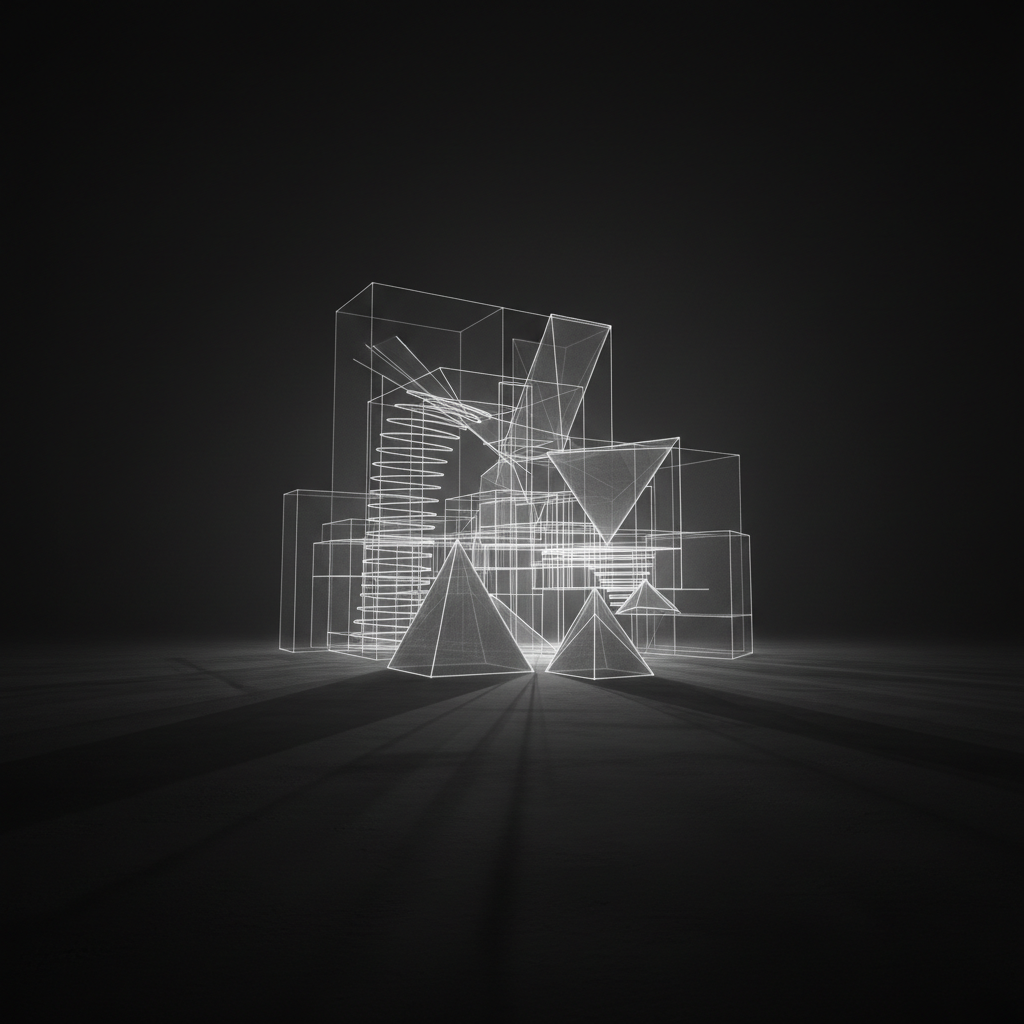
Before Details, There Is Form

Details never save a weak foundation. Form is the overall shape, mass, and flow. Structure is how those forms are arranged, balanced, and supported. Whether in architecture or tattooing, structure dictates success.

Made byBobr AI

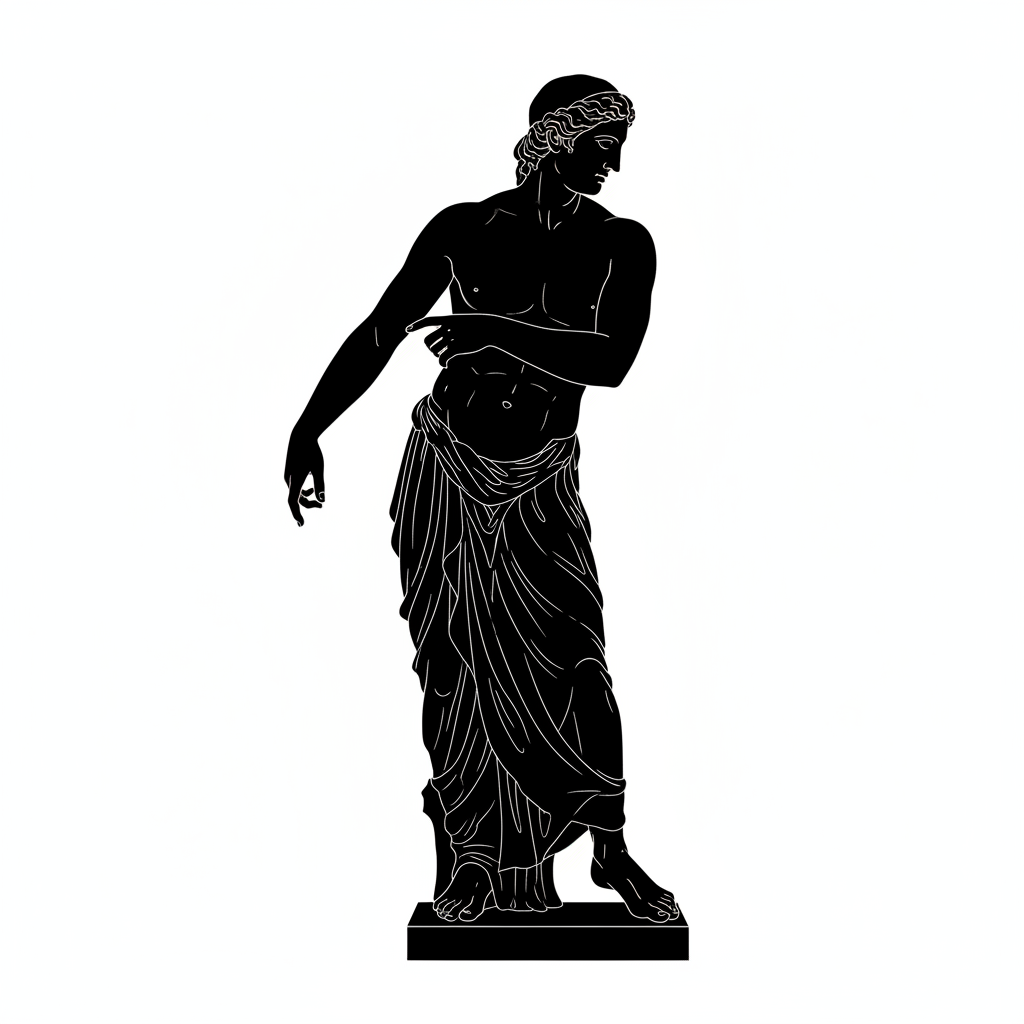
The Black Silhouette Test

If a design fails as a solid black shape, it is poorly composed. The human eye understands silhouette first. If it works in black, it will work with detail. This applies to logos, posters, and tattoos alike.

Made byBobr AI
Chart

Hierarchy of Perception

The human brain processes visuals in a strict order. If a design fails at Step 1 (Silhouette), Step 4 (Details) can never save it. This is why complex tattoos look muddy from a distance and why simplified logos are more memorable.

Made byBobr AI

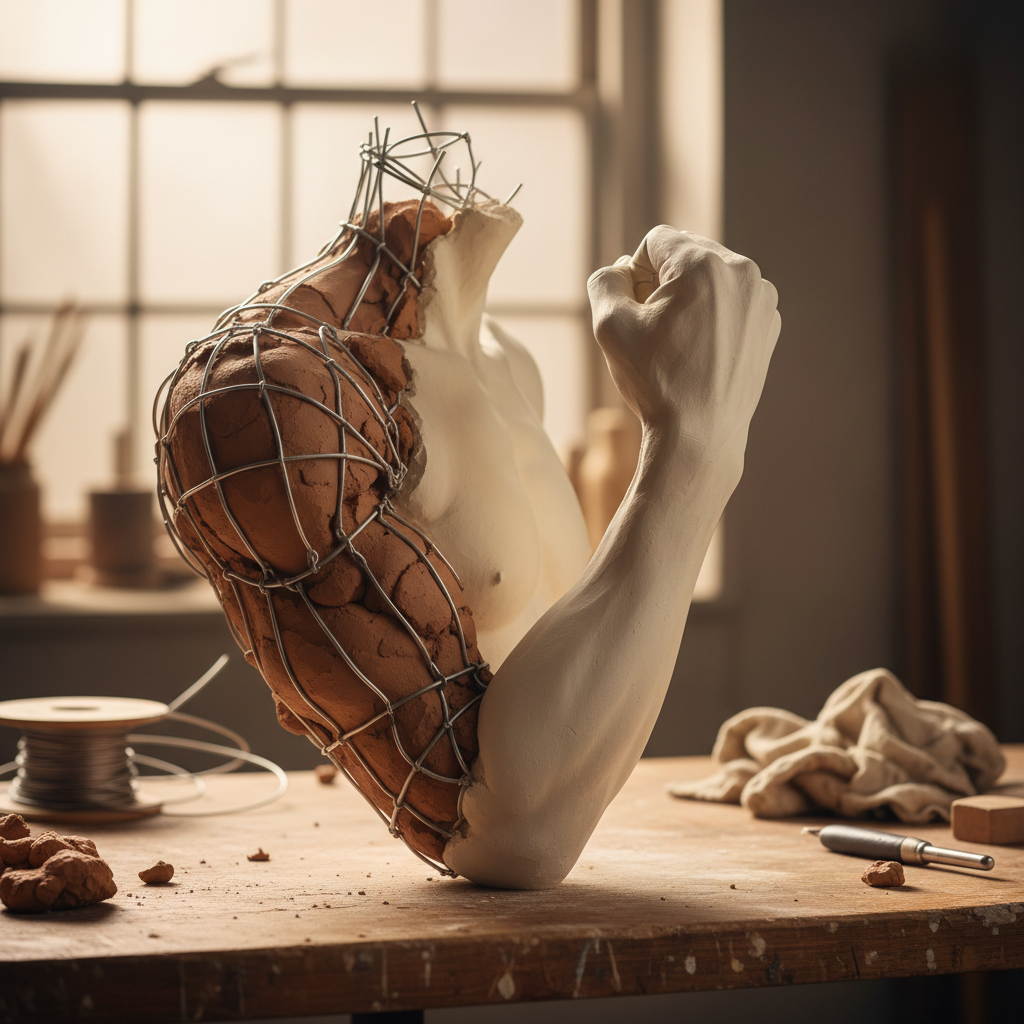
Universal Structure Across Fields

  • Tattoo: Flow with anatomical muscle structure & silhouette.
  • Architecture: Load-bearing framework & foundational grid.
  • Painting: Under-drawing composition & value arrangement.
  • UI/UX Design: Navigation flow, hierarchy, & layout grid.
Made byBobr AI

The 60-30-10 Rule

Every design should be built in layers. 60% is big shapes and overall silhouette. 30% is supporting direction and depth. Only 10% is texture and effects. Beginners often mistakenly focus 80% of their effort on the 10% that matters least.

Chart
Made byBobr AI

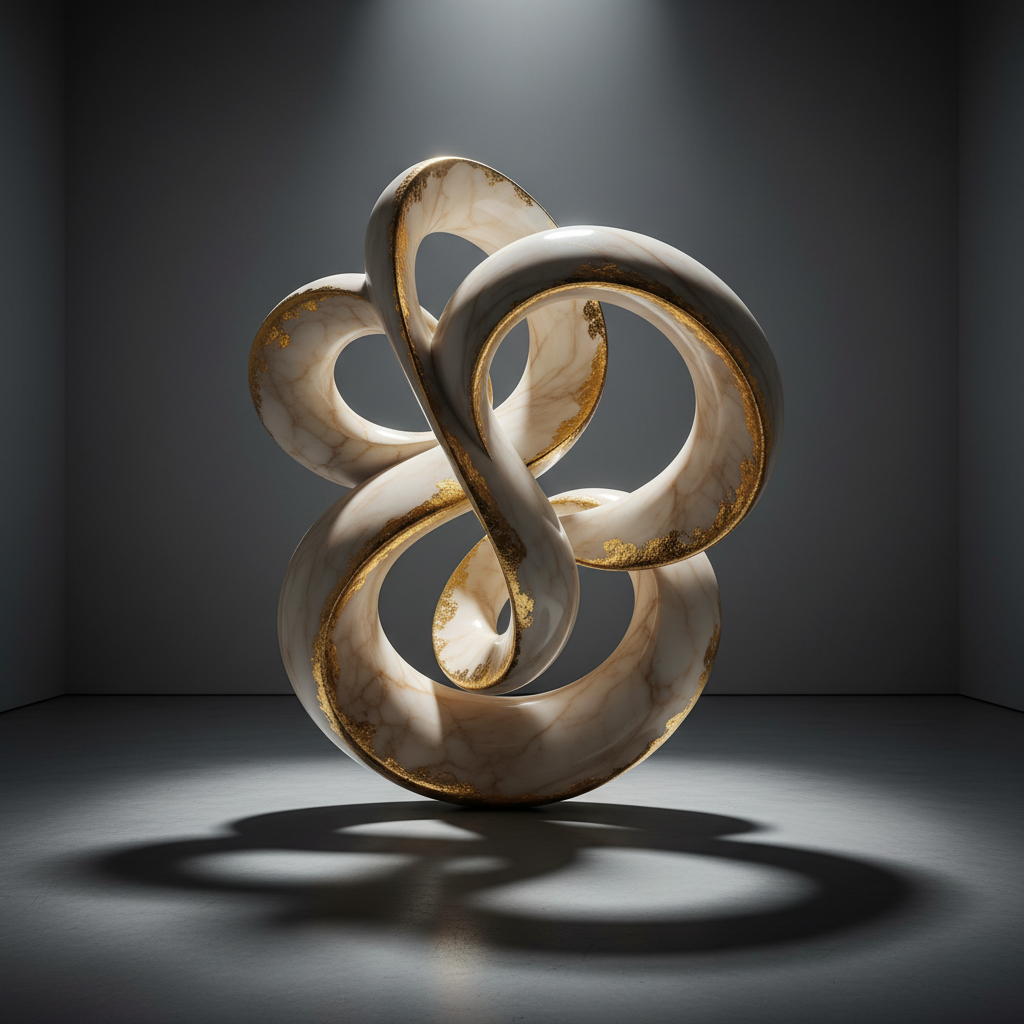
Structure Controls Flow


Structure is not just static stability; it is movement. It decides where the eye enters, where it rests, and where it exits. Good design has rhythm and direction. Bad design feels noisy because it lacks this directional skeleton.

Made byBobr AI

Why This is Critical for Tattooing

Skin acts as a living filter: it moves, ages, and spreads ink over time.
Micro-details are lost as ink expands; only strong forms survive decades.
Old-school tattoos last because they prioritize black structure over realism.
Tattooing punishes weak structure more severely than any other medium.
Made byBobr AI

Details Are Servants

Details exist to support form, never to compete with it. Beginners over-detail to hide mistakes. Masters simplify to reveal the core. If the main form is unclear, no amount of shading or texture will fix it.

Made byBobr AI

Teaching Methodology: The Rules

❌ No shading before structure is established.
❌ No detailing before the silhouette works.
❌ No realism before the form creates flow.
✅ Daily Habit: Start every design with simple shapes and flat values.
Made byBobr AI

If the form is right, everything works. If the form is wrong, nothing fixes it.

The Core Law of Design

Made byBobr AI
Bobr AI

DESIGNER-MADE
PRESENTATION,
GENERATED FROM
YOUR PROMPT

Create your own professional slide deck with real images, data charts, and unique design in under a minute.

Generate For Free

Mastering Form and Structure in Design

Learn why form and structure are the foundation of great design, from tattooing to UI/UX. Discover composition rules like the 60-30-10 law.

FORM & STRUCTURE

The Single Foundation for Every Design Field

Before Details, There Is Form

Details never save a weak foundation. Form is the overall shape, mass, and flow. Structure is how those forms are arranged, balanced, and supported. Whether in architecture or tattooing, structure dictates success.

The Black Silhouette Test

If a design fails as a solid black shape, it is poorly composed. The human eye understands silhouette first. If it works in black, it will work with detail. This applies to logos, posters, and tattoos alike.

Hierarchy of Perception

The human brain processes visuals in a strict order. If a design fails at Step 1 (Silhouette), Step 4 (Details) can never save it. This is why complex tattoos look muddy from a distance and why simplified logos are more memorable.

Universal Structure Across Fields

Tattoo: Flow with anatomical muscle structure & silhouette.

Architecture: Load-bearing framework & foundational grid.

Painting: Under-drawing composition & value arrangement.

UI/UX Design: Navigation flow, hierarchy, & layout grid.

The 60-30-10 Rule

Every design should be built in layers. 60% is big shapes and overall silhouette. 30% is supporting direction and depth. Only 10% is texture and effects. Beginners often mistakenly focus 80% of their effort on the 10% that matters least.

Structure Controls Flow

Structure is not just static stability; it is movement. It decides where the eye enters, where it rests, and where it exits. Good design has rhythm and direction. Bad design feels noisy because it lacks this directional skeleton.

Why This is Critical for Tattooing

Skin acts as a living filter: it moves, ages, and spreads ink over time.

Micro-details are lost as ink expands; only strong forms survive decades.

Old-school tattoos last because they prioritize black structure over realism.

Tattooing punishes weak structure more severely than any other medium.

Details Are Servants

Details exist to support form, never to compete with it. Beginners over-detail to hide mistakes. Masters simplify to reveal the core. If the main form is unclear, no amount of shading or texture will fix it.

Teaching Methodology: The Rules

❌ No shading before structure is established.

❌ No detailing before the silhouette works.

❌ No realism before the form creates flow.

✅ Daily Habit: Start every design with simple shapes and flat values.

If the form is right, everything works. If the form is wrong, nothing fixes it.

The Core Law of Design

  • design-principles
  • tattoo-art
  • visual-hierarchy
  • composition
  • art-education
  • graphic-design
  • ui-ux-basics