
Made byBobr AI

Aesthetic of Intimacy in A Night of Knowing Nothing

Explore Payal Kapadia's film theory and the counter-archive. Analysis of visual resistance, intimacy as politics, and student protests in India.

#film-analysis#payal-kapadia#documentary-theory#political-cinema#visual-culture#indian-cinema#archive-theory
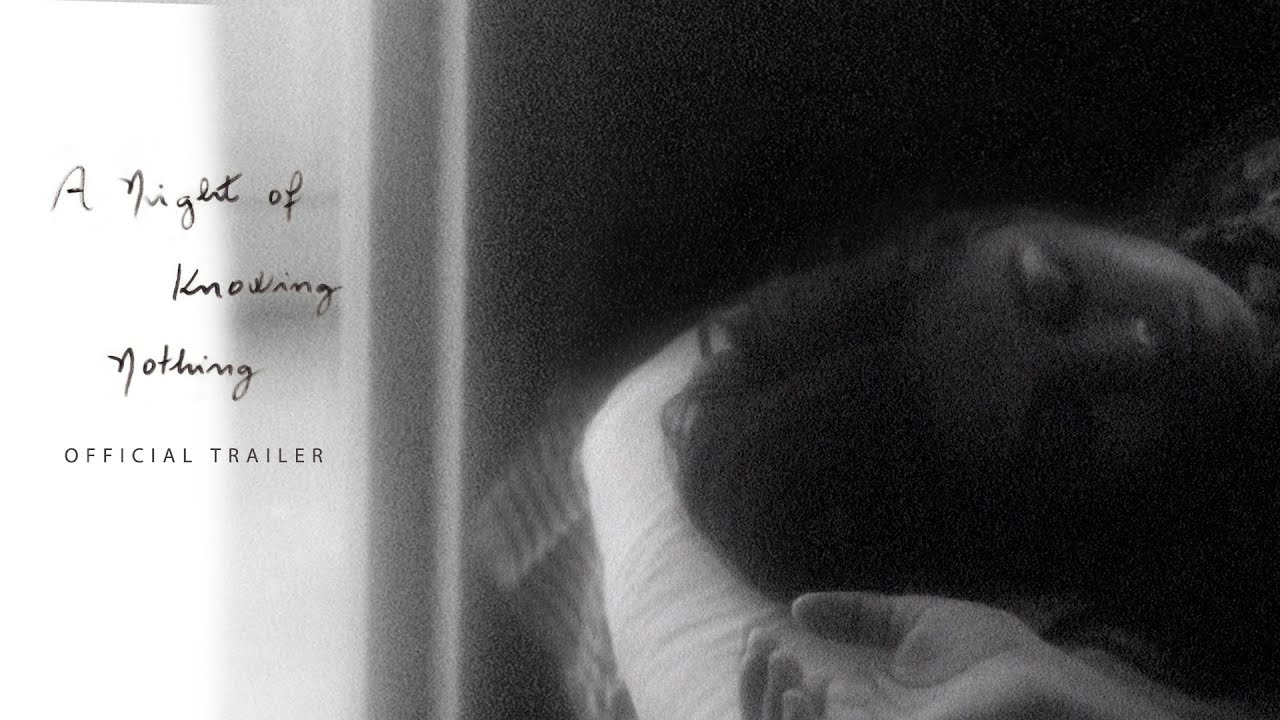
Watch
Pitch
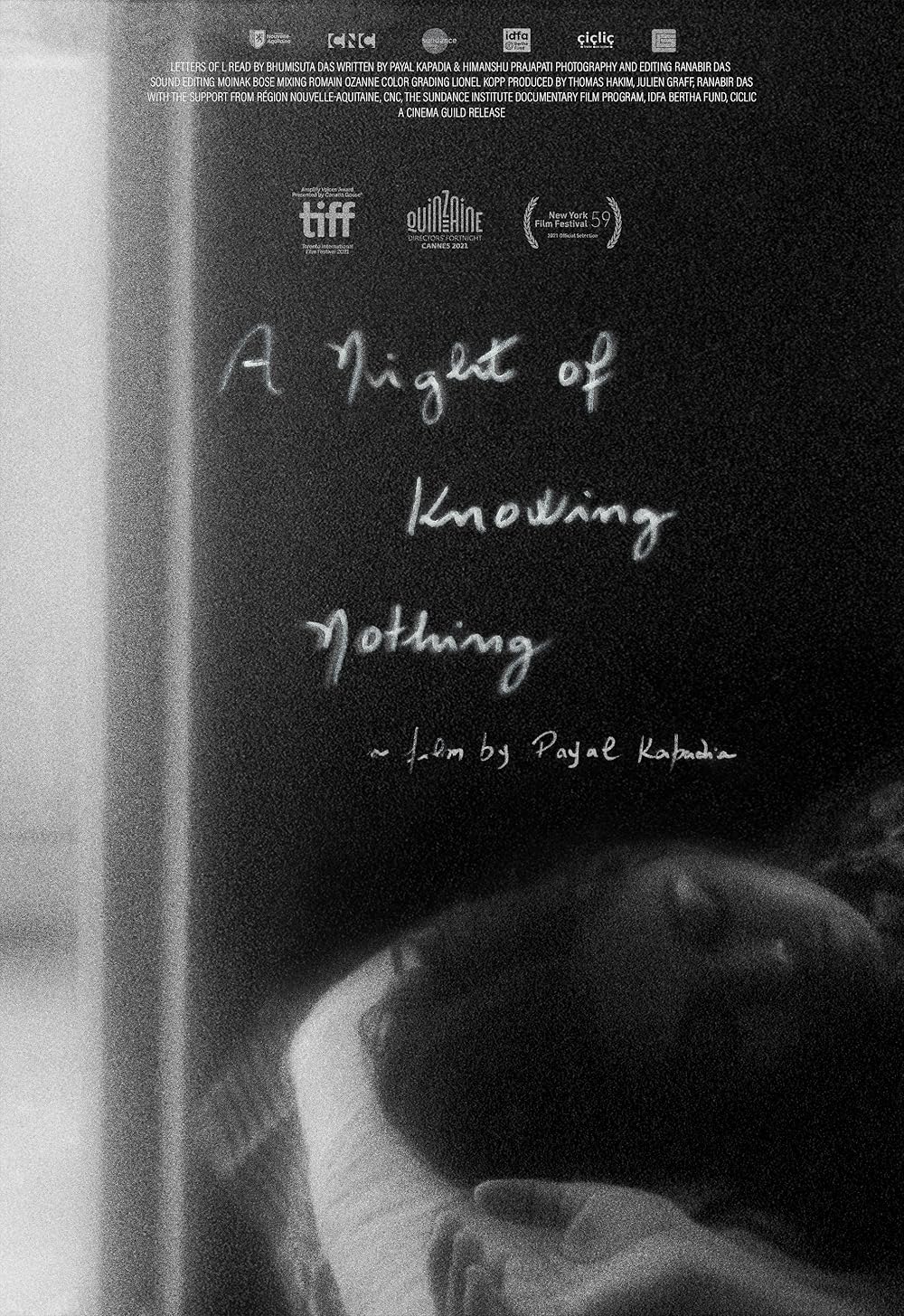
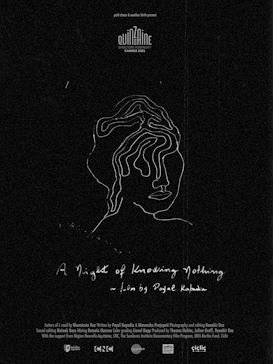
Poster

Reclaiming the Archive:
The Aesthetic of Intimacy in A Night of Knowing Nothing

Visual Cultures of Resistance — FMST 448

Jayde Lavergne | Instructor: Dr. Farah Atoui

Made byBobr AI
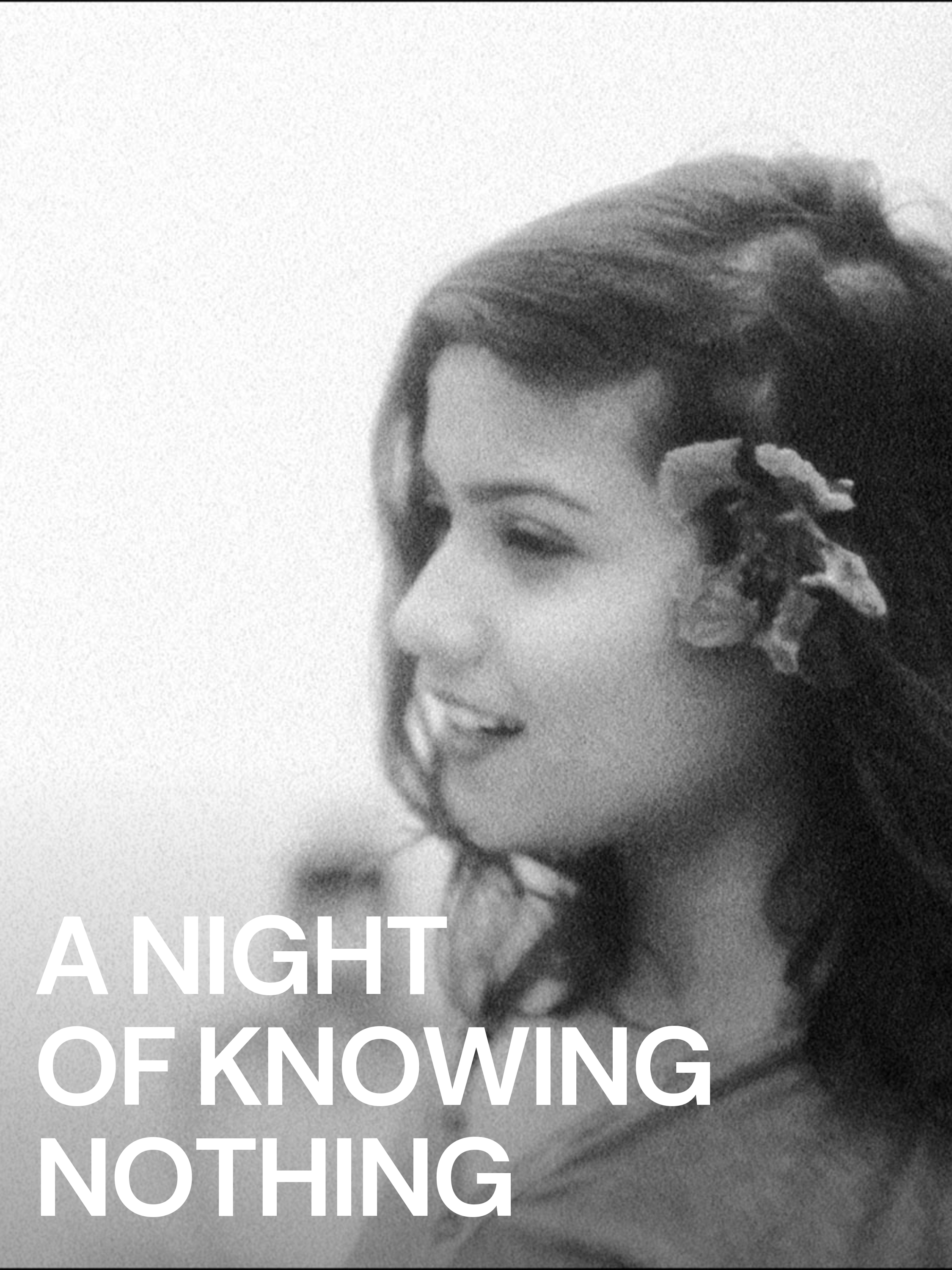
Film still

Subject Description:
The 'Found' Letters

What is this film?

A hybrid documentary-fiction ("creative docufiction") by Payal Kapadia, made over 5 years using personal recordings, friends' footage, and archival material.

The Framing Device

A box of unsent letters found in a dormitory at the Film and Television Institute of India (FTII). Letters written by student "L" to lover "K," separated by caste-based discrimination.

The Setting

139-day student strike (2015) and five years of national protest across India. Home videos, YouTube clips, CCTV, and phone recordings create a "vital tapestry" of personal and political.

"A film that weaves together private love and very public political violence."

Made byBobr AI

Central Research Argument

Kapadia uses an 'aesthetic of intimacy' to construct a counter-archive that challenges the official history of the Indian state.

The State's Frame

Protests labeled as public disorder and chaos. State "visuality" controls what is seen and silences dissent.

Kapadia's Counter

Private love letters layered over footage of riots prove that Hindu nationalism and caste discrimination reach into the most personal parts of life — who you are allowed to love.

Intimacy is not a distraction from politics — it is the very site where politics is most brutally felt.

Made byBobr AI

Theoretical Framework: Mirzoeff & Stoler

Nicholas Mirzoeff

“Visuality”

Definition

A system used by those in power to classify and separate — deciding what gets seen and what gets hidden. “Move on, there is nothing to see here.”

Counter

The “Right to Look” — a claim to political subjectivity that refuses state-controlled censorship.

Ann Laura Stoler

“The Archival Turn”

Definition

Archives are not neutral storage rooms — they are built by states and reflect what states want to remember. They are monuments of power.

Application

Kapadia exposes the “conditions of possibility” — the gaps in official records — and gives voice to those the state silences.

By creating her own archive from student footage, Kapadia moves from ‘knowledge retrieval’ to ‘knowledge production.’

Made byBobr AI
Film still

Formal Strategy 1: Visual Texture & The 'Poor Image'

01.

The Visual Mélange

Mix of 8mm family films, Super 16mm black-and-white shots, iPhone recordings, and CCTV clips — all unified into a single aesthetic world.

02.

Expert Impersonation

(critic Siddhant Adlakha) — Even digital footage is edited to look grainy, monochromatic, in a 4:3 square frame — mimicking old celluloid film stock.

03.

Nostalgia for the Times We Live In

Contemporary protests are made to look like historical footage, framing today's students as legendary figures already fighting battles worth remembering. The resistance of today is etched into history before the state can erase it.

“Making digital look like celluloid” — the present disguised as the past.

Made byBobr AI

Formal Strategy 2: Sound & Affective Authority

01

Asynchronous Sound Design

The audio deliberately does not sync with the image. Sound functions as a “skin” evoking internal feeling rather than illustrating what is explicitly on screen.

02

L's Whispering Voiceover

Mournful and trembling, the voice creates an immersive aesthetic space around the footage — establishing an undeniable emotional atmosphere rather than mere narration.

03

Affective Authority

Debashree Mukherjee: The emotional power of a personal voice guides audiences. Using private memory to challenge public lies, the “disembodied” voice feels collective.

“Sound transforms evidence — private testimony becomes universal witness.”

Made byBobr AI
CCTV Footage Still

Case Study: The Jamia Millia Islamia Library Raid

01

The Footage

3 minutes of actual, blurry CCTV footage: police in riot gear attacking students at their desks. Originally misused by state media to portray students as "terrorists."

02

Kapadia's Intervention

Original audio cut and replaced with L's whispering voice describing a dream — a nightmare where a water cannon "erases" her friends. A private nightmare merged with state evidence.

03

The Political Act

L names real activists: Devangana, Safoora, Natasha, and Umar — actually arrested and imprisoned. Surveillance footage is transformed from a tool of state control into a damning indictment.

"Repurposing surveillance to indict the state."

Made byBobr AI

Reclaiming the Andolan-jeevi

State Discourse

"Andolan-jeevi" (आंदोलनजीवी)
TRANSLATION: "Parasites" — people who supposedly feed off political unrest

Used by the Indian Prime Minister to brand protesters.

Mirzoeff's visuality in action: naming a group strips them of dignity, makes them "other," a threat.

Counter-Visuality

Kapadia's response: shows students through their own cameras as complex, fully human — funny, loving, scared, brave.

The film ends with students dancing in the rain at FTII.

"Andolan" (movement) is reclaimed as both political struggle and joyful, rhythmic expression.

The "right to look" transforms a slur into a symbol of beauty and collective resistance.

"Andolan" — from slur to celebration.

Made byBobr AI

What is at Stake? The Counter-Archive

Protest Media

Aims for immediate news-like impact. A clip, a viral video. A single moment in time.

VS

Counter-Archive

Uses “archiveology” to rework the past into a new language of resistance. A meta-intervention — doesn't just show what happened, but challenges how history is manufactured.

01

Intervening in the Police Version of History

Challenging Mirzoeff's concept of the authority that tells us "there is nothing to see here."

02

Found Footage as Public Construction Materials

Raw material reorganized into an alternative historical record.

03

Speculative Futures

The counter-archive allows the past to "speak back" to the present and imagine different futures.

"Not just documenting what happened — but arguing about how history gets made, and by whom."

Made byBobr AI
Film Poster

Conclusion & Course Integration

A Night of Knowing Nothing demonstrates that an aesthetic of intimacy is a powerful political tool. Even low-quality, fragmented footage can be used to reclaim the real.

By welding a doomed romance to a public revolt, Kapadia proves that in a time of fascism, the act of remembering and the act of loving are essential forms of resistance.

Archival Struggles (Module 3) Archiveology applied to rewrite cultural history
Witnessing Against Violence (Module 3) The 'poor image' as testimony
Digital Resistance (Module 4) Found footage as counter-institutional practice

Love as a Political Act.

Adlakha • Mirzoeff • Mukherjee • Sharma • Stoler • Allan

Made byBobr AI
Bobr AI

DESIGNER-MADE
PRESENTATION,
GENERATED FROM
YOUR PROMPT

Create your own professional slide deck with real images, data charts, and unique design in under a minute.

Generate For Free

Aesthetic of Intimacy in A Night of Knowing Nothing

Explore Payal Kapadia's film theory and the counter-archive. Analysis of visual resistance, intimacy as politics, and student protests in India.

Reclaiming the Archive:

The Aesthetic of Intimacy in A Night of Knowing Nothing

Visual Cultures of Resistance — FMST 448

Jayde Lavergne | Instructor: Dr. Farah Atoui

Subject Description:

The 'Found' Letters

What is this film?

A hybrid documentary-fiction ("creative docufiction") by Payal Kapadia, made over 5 years using personal recordings, friends' footage, and archival material.

The Framing Device

A box of unsent letters found in a dormitory at the Film and Television Institute of India (FTII). Letters written by student "L" to lover "K," separated by caste-based discrimination.

The Setting

139-day student strike (2015) and five years of national protest across India. Home videos, YouTube clips, CCTV, and phone recordings create a "vital tapestry" of personal and political.

"A film that weaves together private love and very public political violence."

Central Research Argument

Kapadia uses an 'aesthetic of intimacy' to construct a counter-archive that challenges the official history of the Indian state.

The State's Frame

Protests labeled as public disorder and chaos. State "visuality" controls what is seen and silences dissent.

Kapadia's Counter

Private love letters layered over footage of riots prove that Hindu nationalism and caste discrimination reach into the most personal parts of life — who you are allowed to love.

Intimacy is not a distraction from politics — it is the very site where politics is most brutally felt.

Theoretical Framework: Mirzoeff & Stoler

Nicholas Mirzoeff

“Visuality”

A system used by those in power to classify and separate — deciding what gets seen and what gets hidden. “Move on, there is nothing to see here.”

The “Right to Look” — a claim to political subjectivity that refuses state-controlled censorship.

Ann Laura Stoler

“The Archival Turn”

Archives are not neutral storage rooms — they are built by states and reflect what states want to remember. They are monuments of power.

Kapadia exposes the “conditions of possibility” — the gaps in official records — and gives voice to those the state silences.

By creating her own archive from student footage, Kapadia moves from ‘knowledge retrieval’ to ‘knowledge production.’

Formal Strategy 1: Visual Texture & The 'Poor Image'

The Visual Mélange

Mix of 8mm family films, Super 16mm black-and-white shots, iPhone recordings, and CCTV clips — all unified into a single aesthetic world.

Expert Impersonation

(critic Siddhant Adlakha) — Even digital footage is edited to look grainy, monochromatic, in a 4:3 square frame — mimicking old celluloid film stock.

Nostalgia for the Times We Live In

Contemporary protests are made to look like historical footage, framing today's students as legendary figures already fighting battles worth remembering. The resistance of today is etched into history before the state can erase it.

“Making digital look like celluloid” — the present disguised as the past.

Formal Strategy 2: Sound & Affective Authority

01

Asynchronous Sound Design

The audio deliberately does not sync with the image. Sound functions as a “skin” evoking internal feeling rather than illustrating what is explicitly on screen.

02

L's Whispering Voiceover

Mournful and trembling, the voice creates an immersive aesthetic space around the footage — establishing an undeniable emotional atmosphere rather than mere narration.

03

Affective Authority

<span style="font-weight: 600; color: #dfdcd3;">Debashree Mukherjee:</span> The emotional power of a personal voice guides audiences. Using private memory to challenge public lies, the “disembodied” voice feels collective.

“Sound transforms evidence — private testimony becomes universal witness.”

Case Study: The Jamia Millia Islamia Library Raid

The Footage

3 minutes of actual, blurry CCTV footage: police in riot gear attacking students at their desks. Originally misused by state media to portray students as "terrorists."

Kapadia's Intervention

Original audio cut and replaced with L's whispering voice describing a dream — a nightmare where a water cannon "erases" her friends. A private nightmare merged with state evidence.

The Political Act

L names real activists: Devangana, Safoora, Natasha, and Umar — actually arrested and imprisoned. Surveillance footage is transformed from a tool of state control into a damning indictment.

"Repurposing surveillance to indict the state."

Reclaiming the Andolan-jeevi

State Discourse

"Andolan-jeevi"

(आंदोलनजीवी)

<span style="font-weight: 600; letter-spacing: 2px;">TRANSLATION:</span> "Parasites" — people who supposedly feed off political unrest

Used by the Indian Prime Minister to brand protesters.

<strong style="font-weight: 600; color: #ffffff;">Mirzoeff's visuality in action:</strong> naming a group strips them of dignity, makes them "other," a threat.

Counter-Visuality

<strong style="color: #ecc976; font-weight: 600;">Kapadia's response:</strong> shows students through their own cameras as complex, fully human — funny, loving, scared, brave.

The film ends with students dancing in the rain at FTII.

<strong style="color: #ecc976; font-weight: 600;">"Andolan"</strong> (movement) is reclaimed as both political struggle and joyful, rhythmic expression.

The <strong style="color: #ecc976; font-weight: 600;">"right to look"</strong> transforms a slur into a symbol of beauty and collective resistance.

"Andolan" — from slur to celebration.

What is at Stake? The Counter-Archive

Protest Media

Aims for immediate news-like impact. A clip, a viral video. A single moment in time.

Counter-Archive

Uses “archiveology” to rework the past into a new language of resistance. A meta-intervention — doesn't just show what happened, but challenges how history is manufactured.

Intervening in the Police Version of History

Challenging Mirzoeff's concept of the authority that tells us "there is nothing to see here."

Found Footage as Public Construction Materials

Raw material reorganized into an alternative historical record.

Speculative Futures

The counter-archive allows the past to "speak back" to the present and imagine different futures.

Not just documenting what happened — but arguing about how history gets made, and by whom.

Conclusion & Course Integration

A Night of Knowing Nothing demonstrates that an aesthetic of intimacy is a powerful political tool. Even low-quality, fragmented footage can be used to reclaim the real.

By welding a doomed romance to a public revolt, Kapadia proves that in a time of fascism, the act of remembering and the act of loving are essential forms of resistance.

Archival Struggles (Module 3)

Archiveology applied to rewrite cultural history

Witnessing Against Violence (Module 3)

The 'poor image' as testimony

Digital Resistance (Module 4)

Found footage as counter-institutional practice

Love as a Political Act.

Adlakha • Mirzoeff • Mukherjee • Sharma • Stoler • Allan

  • film-analysis
  • payal-kapadia
  • documentary-theory
  • political-cinema
  • visual-culture
  • indian-cinema
  • archive-theory