


Teaching and Learning Approaches in Agricultural Education
A briefing on research-based teaching methods for agricultural education, including Progressive, Behaviorist, and Humanistic approaches for school hiring.
CONSULTANT BRIEFING
Teaching and Learning Approaches in Agricultural Education
A Consultant Briefing for Hiring Decisions
Demi Striglos
Educational Consultant
April 13, 2026
School District Board & Administration
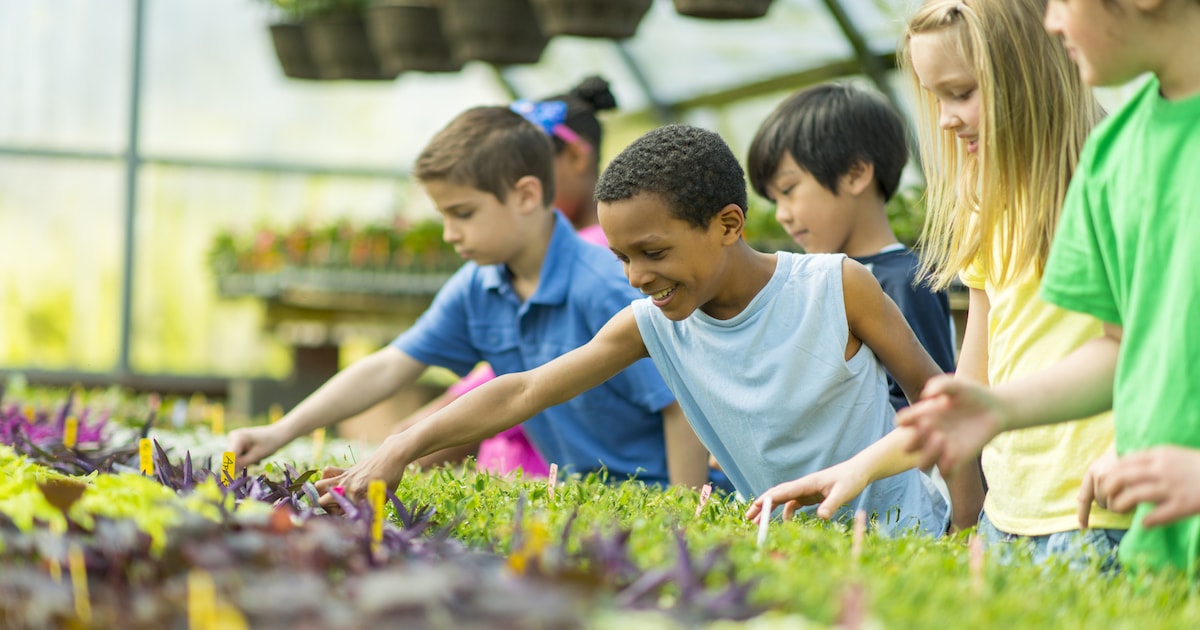
Image credit: Talbert et al., 2022, p. 224
SLIDE 02
Introduction – Context & Purpose
Why This Matters
<div style="display: flex; margin-bottom: 24px;"> <div style="color: #D4A017; font-size: 30px; line-height: 1.2; margin-right: 18px;">•</div> <div style="flex: 1;">Your district is considering adding agricultural education</div> </div> <div style="display: flex; margin-bottom: 24px;"> <div style="color: #D4A017; font-size: 30px; line-height: 1.2; margin-right: 18px;">•</div> <div style="flex: 1;">Ag ed uses a unique three-circle model: Classroom, FFA, SAEs (Talbert et al., 2022)</div> </div> <div style="display: flex; margin-bottom: 24px;"> <div style="color: #D4A017; font-size: 30px; line-height: 1.2; margin-right: 18px;">•</div> <div style="flex: 1;">Effective teaching requires matching methods to learning goals</div> </div> <div style="display: flex; margin-bottom: 0;"> <div style="color: #D4A017; font-size: 30px; line-height: 1.2; margin-right: 18px;">•</div> <div style="flex: 1;">Your teacher must understand how students learn, not just what to teach</div> </div>
Purpose of This Briefing
<div style="display: flex; margin-bottom: 24px;"> <div style="color: #D4A017; font-size: 30px; line-height: 1.2; margin-right: 18px;">•</div> <div style="flex: 1;">Identify 3 research-based teaching approaches</div> </div> <div style="display: flex; margin-bottom: 24px;"> <div style="color: #D4A017; font-size: 30px; line-height: 1.2; margin-right: 18px;">•</div> <div style="flex: 1;">Explain when and why to use each</div> </div> <div style="display: flex; margin-bottom: 0;"> <div style="color: #D4A017; font-size: 30px; line-height: 1.2; margin-right: 18px;">•</div> <div style="flex: 1;">Provide hiring guidance for your new ag teacher</div> </div>
Agricultural education isn't just 'farming class.' It combines classroom learning, leadership through FFA, and hands-on projects called SAEs.
SLIDE 03
Three Recommended Teaching Approaches
APPROACH
PHILOSOPHICAL FOUNDATION
BEST USED FOR
Problem-Solving (Progressive)
Learning by doing; experience-based (Elias & Merriam, 1980)
SAEs, community projects, FFA activities
Skill Training (Behaviorist)
Practice, feedback, mastery (Talbert et al., 2022)
Technical skills, safety training, CDE prep
Student-Centered (Humanistic)
Self-direction, personal growth (Gailbraith, 1990/1991)
Leadership development, student-led learning
Source: Elias & Merriam, 1980; Talbert et al., 2022; Gailbraith, 1990/1991
APPROACH 01 OF 03
Problem-Solving (Progressive)
Philosophical Foundation: Learning by doing; experience-based (Elias & Merriam, 1980)
Students identify a real issue (e.g., soil erosion, food insecurity)
Group researches solutions using scientific method (Parr & Edwards, 2004)
Students test ideas and share results with community
Connect learning to real-world impact
Promote social change through experience-based education (Elias & Merriam, 1980)
Advantages
Highly engaging; builds critical thinking
Connects classroom to community needs
Aligns with SAEs and FFA projects (Talbert et al., 2022)
Disadvantages
Takes more time to plan and facilitate
Outcomes can be unpredictable
Requires skilled classroom management
APPROACH 02 OF 03
Skill Training (Behaviorist)
Philosophical Foundation: Practice, feedback, mastery (Talbert et al., 2022)
What It Looks Like
Step-by-step demonstration (e.g., welding, animal handling)
Students practice with immediate feedback
Mastery measured through performance checks (Talbert et al., 2022)
Purpose
Ensure safety and competency in technical tasks
Promote behavioral change through practice and reinforcement (Elias & Merriam, 1980)
✓ Advantages
✓ Efficient for teaching concrete, high-stakes skills
✓ Provides clear, measurable outcomes
✓ Aligns with industry certifications and CDEs
✗ Disadvantages
✗ May not encourage deeper critical thinking
✗ Students may learn the "how" without the "why"
✗ Less engaging for complex, open-ended topics
APPROACH 03 OF 03
Student-Centered (Humanistic)
Philosophical Foundation: Self-direction, personal growth (Gailbraith, 1990/1991)
What It Looks Like
Students set personal learning goals for their SAE
Teacher acts as coach, not director
Reflection and peer feedback built into activities (Gailbraith, 1990/1991)
Purpose
Support personal growth and self-directed learning
Facilitate self-actualization through freedom and choice
Advantages
Empowers students to take ownership
Adapts to diverse learner interests and goals
Develops leadership and lifelong learning skills
Disadvantages
Can lack structure if not well-facilitated
Harder to assess with traditional grading
Requires teacher to trust student direction
SLIDE 07
Matching Method to Purpose
Guiding Questions for Lesson Design
What is the learning goal?
(Skill? Awareness? Change?)
Who are the learners?
(Experience level? Interests?)
What resources are available?
(Time? Budget? Facilities?)
Practical Examples
Learning Goal
Recommended Method
Example
Teach safe tractor operation
Behaviorist
Demonstration + practice + competency checklist
Address local food waste
Progressive
Problem-solving project: research, design, implement
Develop FFA leaders
Humanistic
Student-led meetings, self-directed projects
Source: Adapted from Talbert et al., 2022; Parr & Edwards, 2004
SLIDE 08
Hiring Recommendations
What to Look for in Your Ag Teacher
Candidate Checklist
Interview Questions to Ask
Understands the three-circle model of ag ed (Talbert et al., 2022)
Can facilitate projects, not just lecture
Assesses student needs before designing lessons
Adapts methods to context (Progressive, Behaviorist, or Humanistic)
Values student experience and community connection
Q1: "Describe a time you helped students solve a real problem rather than giving them the answer."
Q2: "How do you balance teaching technical skills with developing leadership?"
Q3: "Tell me about a lesson that didn't go as planned. What did you learn?"
SLIDE 09
Summary & Key Takeaways
Key Takeaways
Agricultural education serves diverse learners with unique goals
No single teaching method fits all situations
Progressive, Behaviorist, and Humanistic approaches each have strengths
Your teacher should be a flexible facilitator, not just a lecturer
Next Steps
Include instructional flexibility in the job description
Ask scenario-based questions in interviews
Support ongoing professional development in facilitation skills
"Learning is a permanent change in behavior as the result of an experience."
— Talbert et al., 2022, p. 212
Thank you for your time and for the important work you do preparing students for the future.
CONTACT
Demi Striglos
Educational Consultant
[Email Address]
[Phone Number]
References
APA 7TH EDITION
Elias, J., & Merriam, S. (1980).
Philosophical foundations of adult education.
Robert E. Krieger Publishing Company.
Gailbraith, M. W. (1990/1991).
Adult learning methods
(with corrections). Krieger Publishing Company.
Parr, B., & Edwards, M. C. (2004). Inquiry-based instruction in secondary agricultural education: Problem-solving – An old friend revisited.
Journal of Agricultural Education, 45
(4), 106–117. https://doi.org/10.5032/jae.2004.04106
Talbert, B. A., Croom, B., LaRose, S. E., Vaughn, R., & Lee, J. S. (2022).
Foundations of agricultural education
(4th ed.). Purdue University Press.
- agricultural-education
- teaching-methods
- ffa
- educational-consultant
- school-administration
- hiring-guide
- curriculum-design