


Made byBobr AI

Chain Stores & Multiple Shops: Class 11 Business Studies

Learn about chain stores (multiple shops), their operational models, advantages like economies of scale, and differences from departmental stores.

#chain-stores#multiple-shops#business-studies#class-11-bst#retail-management#internal-trade#marketing
Watch
Pitch

Chain Stores (Multiple Shops)

Class 11 Business Studies | Internal Trade

Made byBobr AI

Definition & Concept

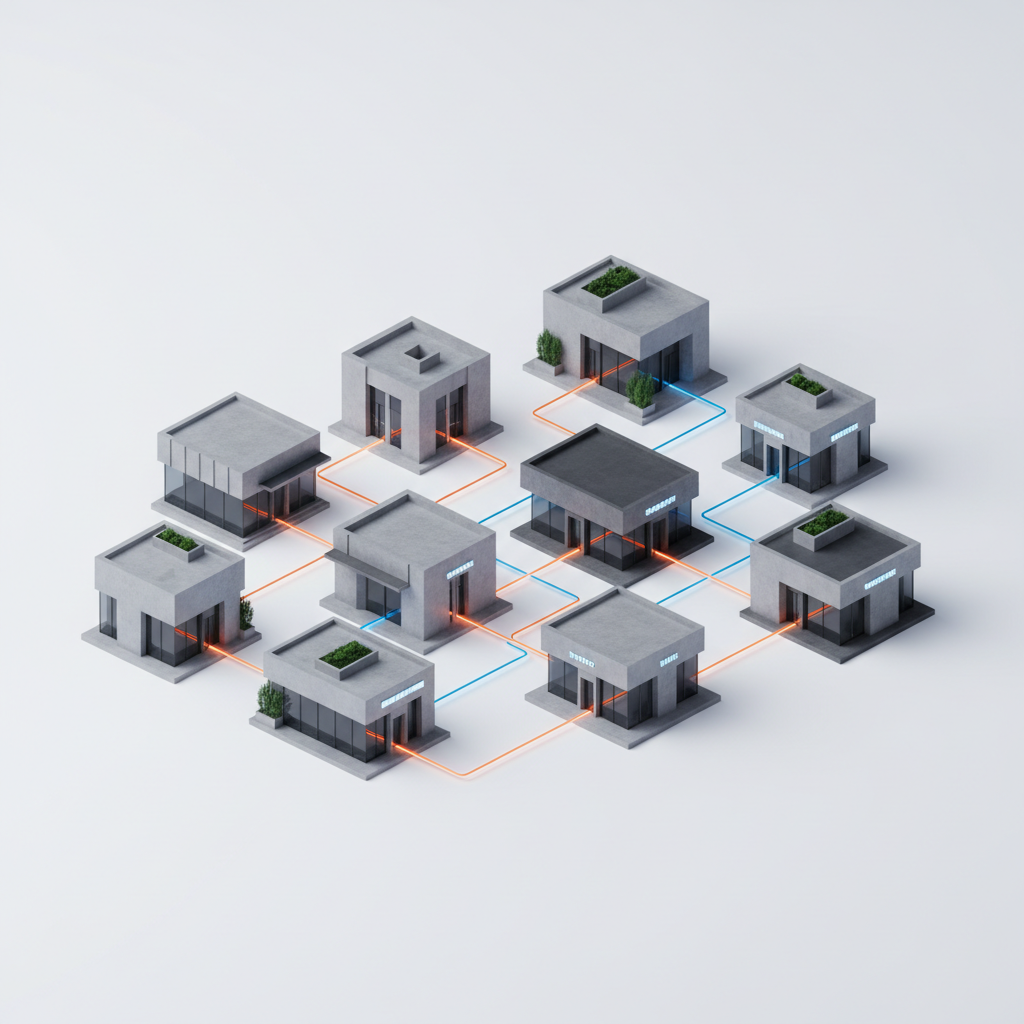
Chain stores, also known as multiple shops, are networks of retail shops owned and operated by a single business organization. They are located in different parts of a city or country but share identical merchandising strategies, products, and displays. Examples include Bata, McDonald's, and Domino's.

Made byBobr AI

Key Features of Chain Stores

Centralized Ownership: The Head Office manages procurement and policy-making.

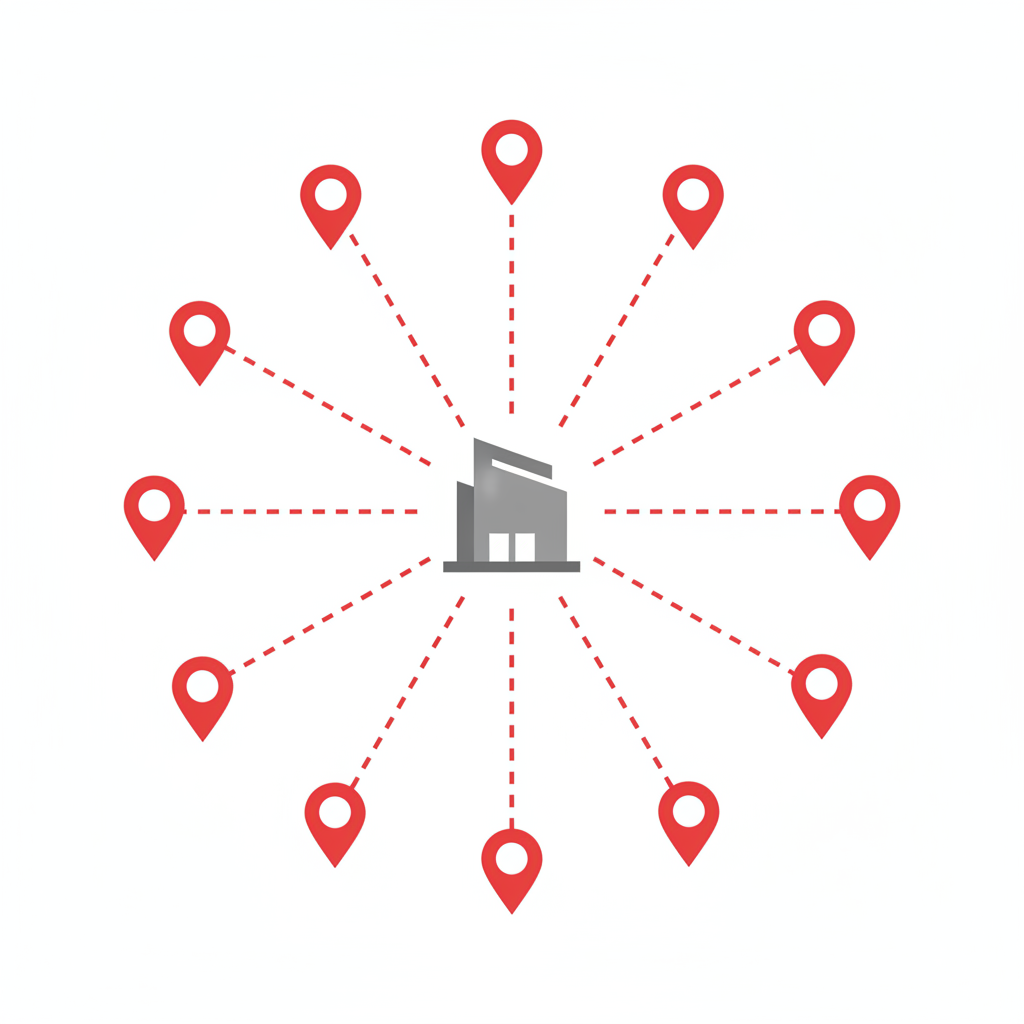
Decentralized Selling: Goods are sold through various branches scattered across locations.

Standardized Appearance: All shops have the same interior, decoration, and display.

Uniform Pricing: Prices are fixed by the head office and remain consistent across all branches.

Made byBobr AI

Operational Model

Chain stores operate on a strict Cash and Carry basis, eliminating bad debts. The head office supplies goods directly to branches, bypassing middlemen. Inspectors are appointed by the head office to monitor the quality of service and accounts at each branch.

Made byBobr AI

Advantage: Economies of Scale

Chain stores benefit significantly from bulk purchasing. This chart compares the procurement cost index between a Single Retailer and a Chain Store (Head Office), showing lower costs for chains due to volume discounts.

Chart
Made byBobr AI

Advantage: Diffusion of Risk

One of the biggest advantages is risk spreading. Unlike a single shop owner, a chain store organization is not crippled if one branch fails. The losses incurred by one shop can easily be absorbed by the profits earned by other branches in the network.

Made byBobr AI

Limitations of Chain Stores

  • Limited Selection: They usually deal in a limited range of products, often only those produced by the parent manufacturer.
  • Lack of Personal Touch: Store managers are employees, not owners. They clearly lack the personal interest to satisfy individual customer needs.
  • Lack of Initiative: Branch managers have to follow strict instructions from the Head Office and have no creative freedom.
Made byBobr AI

Chain stores deal in standardized products. If consumer tastes change rapidly, the organization faces heavy losses due to massive stocks accumulated at the central warehouse.

Limitation: Inflexibility
Made byBobr AI

Comparison: Departmental vs Chain Stores

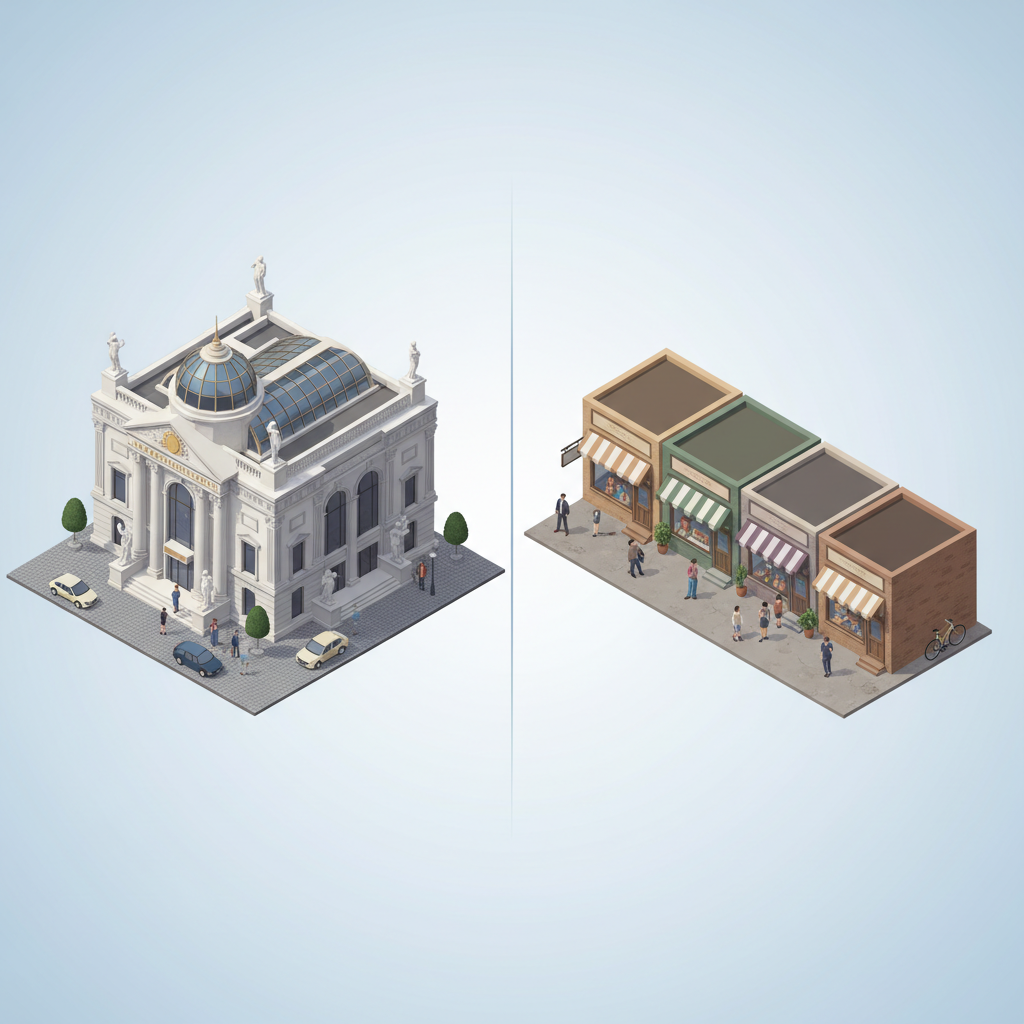
  • Location: Departmental stores are in central locations; Chain stores are scattered locally.
  • Variety: Departmental stores offer wide variety; Chain stores specialize in one line.
  • Services: Departmental stores offer credit/delivery; Chain stores are strictly cash & carry.
  • Pricing: Dept stores have flexible pricing; Chains have uniform fixed pricing.
Made byBobr AI

Summary

Chain stores successfully eliminate middlemen and offer standardized goods at lower prices to diverse locations. They are best suited for branded, durable, or standardized consumer goods.

Made byBobr AI
Bobr AI

DESIGNER-MADE
PRESENTATION,
GENERATED FROM
YOUR PROMPT

Create your own professional slide deck with real images, data charts, and unique design in under a minute.

Generate For Free

Chain Stores & Multiple Shops: Class 11 Business Studies

Learn about chain stores (multiple shops), their operational models, advantages like economies of scale, and differences from departmental stores.

Chain Stores (Multiple Shops)

Class 11 Business Studies | Internal Trade

Definition & Concept

Chain stores, also known as multiple shops, are networks of retail shops owned and operated by a single business organization. They are located in different parts of a city or country but share identical merchandising strategies, products, and displays. Examples include Bata, McDonald's, and Domino's.

Key Features of Chain Stores

<strong>Centralized Ownership:</strong> The Head Office manages procurement and policy-making.

<strong>Decentralized Selling:</strong> Goods are sold through various branches scattered across locations.

<strong>Standardized Appearance:</strong> All shops have the same interior, decoration, and display.

<strong>Uniform Pricing:</strong> Prices are fixed by the head office and remain consistent across all branches.

Operational Model

Chain stores operate on a strict <strong>Cash and Carry</strong> basis, eliminating bad debts. The head office supplies goods directly to branches, bypassing middlemen. Inspectors are appointed by the head office to monitor the quality of service and accounts at each branch.

Advantage: Economies of Scale

Chain stores benefit significantly from bulk purchasing. This chart compares the procurement cost index between a Single Retailer and a Chain Store (Head Office), showing lower costs for chains due to volume discounts.

Advantage: Diffusion of Risk

One of the biggest advantages is risk spreading. Unlike a single shop owner, a chain store organization is not crippled if one branch fails. The losses incurred by one shop can easily be absorbed by the profits earned by other branches in the network.

Limitations of Chain Stores

<strong>Limited Selection:</strong> They usually deal in a limited range of products, often only those produced by the parent manufacturer.

<strong>Lack of Personal Touch:</strong> Store managers are employees, not owners. They clearly lack the personal interest to satisfy individual customer needs.

<strong>Lack of Initiative:</strong> Branch managers have to follow strict instructions from the Head Office and have no creative freedom.

Chain stores deal in standardized products. If consumer tastes change rapidly, the organization faces heavy losses due to massive stocks accumulated at the central warehouse.

Limitation: Inflexibility

Comparison: Departmental vs Chain Stores

<ul><li><strong>Location:</strong> Departmental stores are in central locations; Chain stores are scattered locally.</li><li><strong>Variety:</strong> Departmental stores offer wide variety; Chain stores specialize in one line.</li><li><strong>Services:</strong> Departmental stores offer credit/delivery; Chain stores are strictly cash & carry.</li><li><strong>Pricing:</strong> Dept stores have flexible pricing; Chains have uniform fixed pricing.</li></ul>

Summary

Chain stores successfully eliminate middlemen and offer standardized goods at lower prices to diverse locations. They are best suited for branded, durable, or standardized consumer goods.

  • chain-stores
  • multiple-shops
  • business-studies
  • class-11-bst
  • retail-management
  • internal-trade
  • marketing