
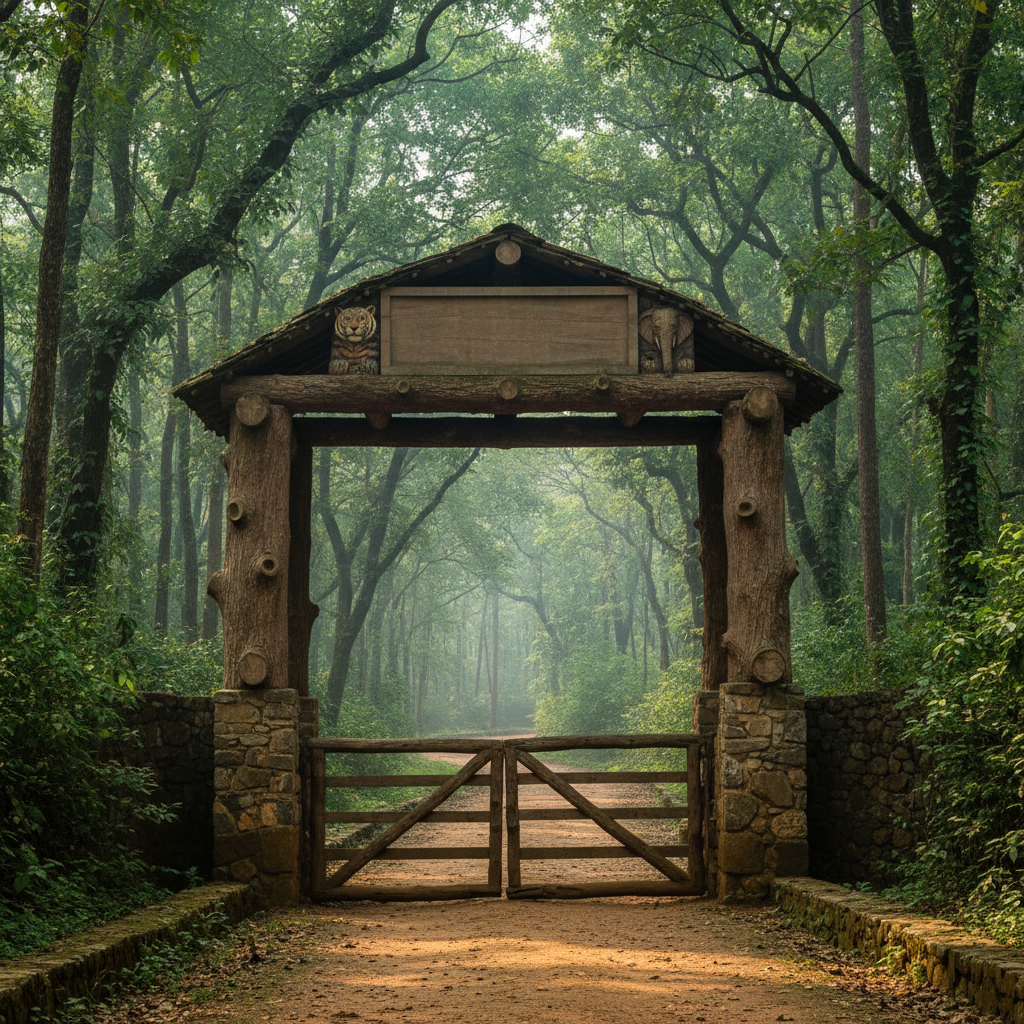

India's Natural Vegetation & Wildlife: Ecosystems & Laws
Explore India's diverse ecosystems, forest types, conservation laws, and the historical and cultural significance of its natural heritage.
Natural Vegetation & Wildlife in India
A Multidisciplinary Journey: Science, History, Economics, Civics, and Art
What is Natural Vegetation?
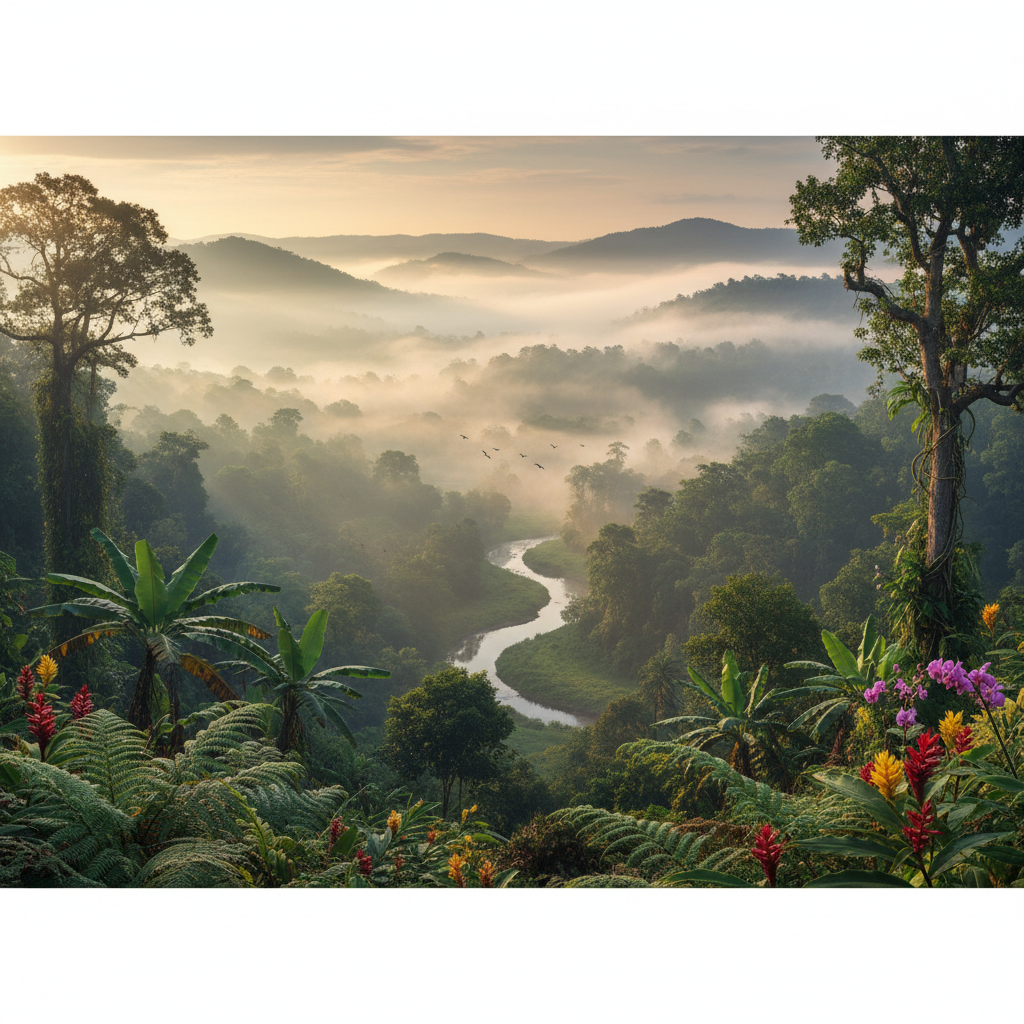
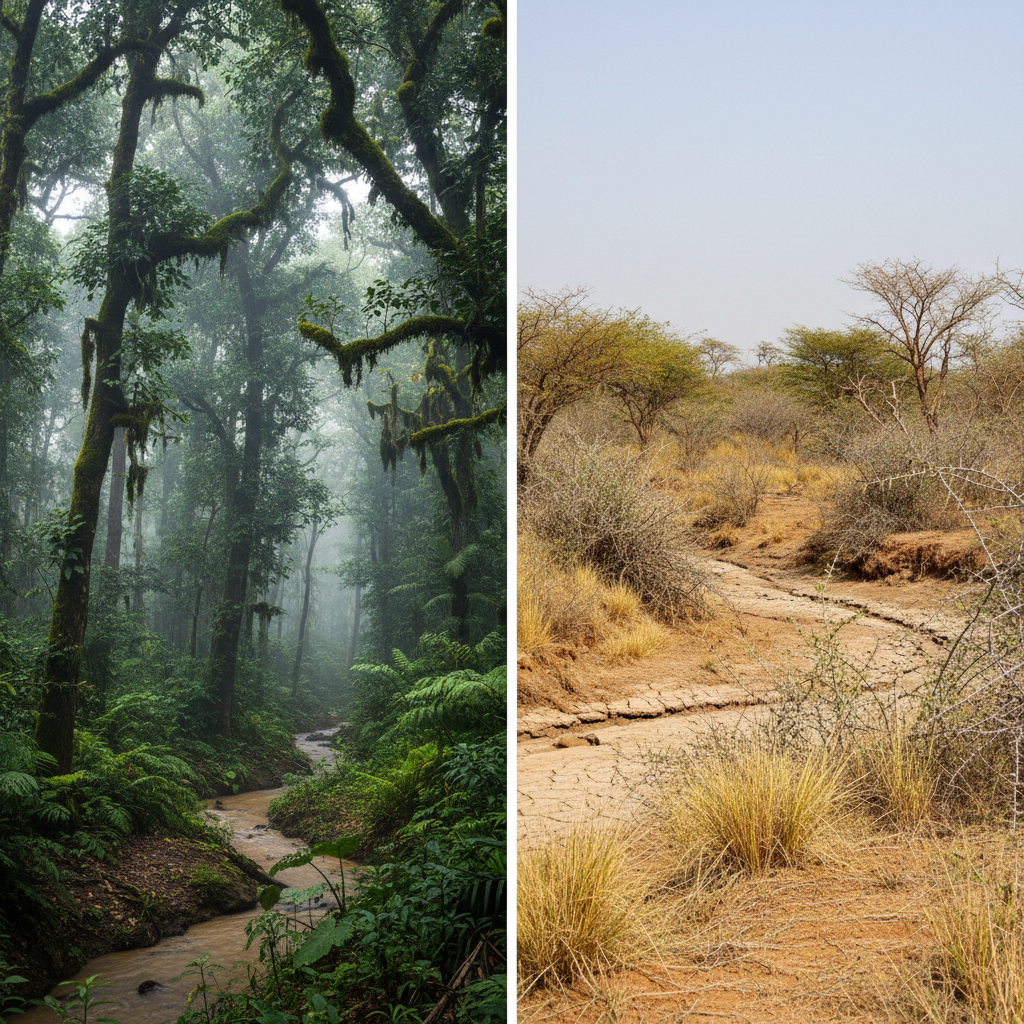
Natural vegetation refers to a plant community which has grown naturally without human aid and has been left undisturbed by humans for a long time. In India, this varies drastically based on factors like relief (land and soil) and climate (temperature, photoperiod, and precipitation).
Major Types of Vegetation in India
Tropical Evergreen Forests: Regions with heavy rainfall (Western Ghats, Northeast).
Tropical Deciduous Forests: The most widespread 'Monsoon Forests'.
Tropical Thorn Forests: Arid regions (Rajasthan, Gujarat).
Montane Forests: Vegetation in high altitude Himalayan regions.
Mangrove Forests: Coastal deltas influenced by tides (Sundarbans).
Science: Ecosystems & The Food Chain
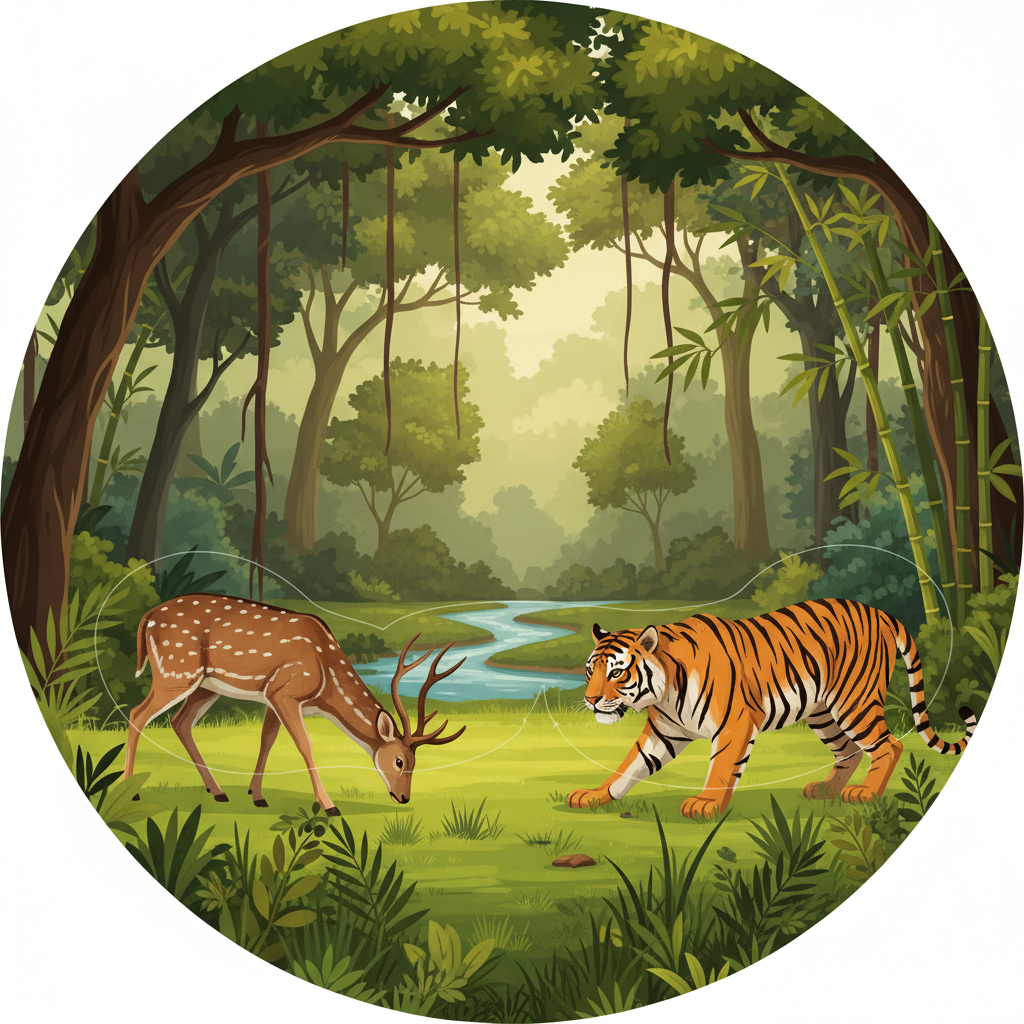
Forests are intricate ecosystems where energy flows from producers (plants) to consumers (herbivores and carnivores). In India's food chain, lush vegetation supports herbivores like the Chital and Sambar, which in turn support apex predators like the Tiger and Leopard, maintaining ecological balance.
Economics: Forest Resources
Forests provide essential raw materials for industries (paper, lac, rubber) and support the livelihoods of millions through non-timber forest produce. The chart shows the density composition of India's forest cover, indicating the potential for high-quality resource extraction versus open areas.
History: Forest Use & Sacred Groves
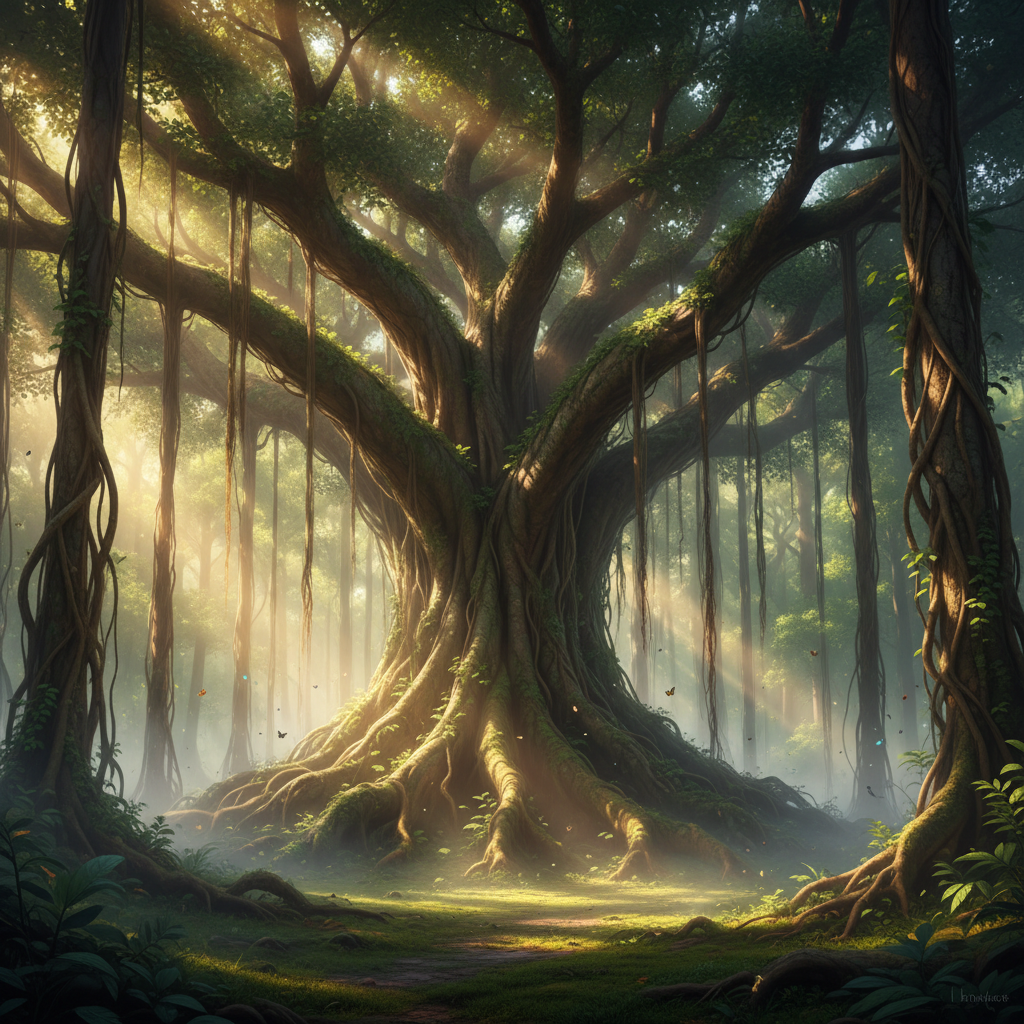
Historically, Indian communities revered nature. Special forest patches known as 'Sacred Groves' (e.g., in Meghalaya and Karnataka) were left untouched due to religious beliefs, acting as gene pools for biodiversity. Colonial rule later shifted the focus to commercial timber extraction, changing the forest landscape.
Civics: Conservation Laws
**Wildlife Protection Act (1972):** Provides legal framework for prohibiting hunting and protecting habitats.<br><br>**Project Tiger (1973):** One of the most successful conservation ventures to protect the Bengal Tiger.<br><br>**Biosphere Reserves:** 18 reserves established by the government to protect flora and fauna.
Art: Creative Representation of Nature
Indian art has always been deeply intertwined with nature. From the intricate Warli and Madhubani paintings depicting animals and trees to classical literature celebrating the seasons, art reflects our cultural bond with the environment.
The greatness of a nation and its moral progress can be judged by the way its animals are treated.
Mahatma Gandhi
Measures to Protect Our Heritage
Afforestation & Reforestation: Planting native species to restore canopy cover.
Strict Implementation of Laws: Cracking down on poaching and illegal logging.
Community Participation: Involving local tribes in forest management (Joint Forest Management).
Creating Awareness: Education in schools and eco-tourism initiatives.
- india-vegetation
- wildlife-conservation
- ecosystems
- tropical-forests
- wildlife-protection-act
- environmental-science
- sustainable-forestry