
Market Stall Success: Strategies for Pop-Up Retail
Discover essential strategies for street market success, covering startup costs, visual merchandising, logistics, and local marketing for new entrepreneurs.
The Modern Market Stall
Strategies for pop-up retail and street food success
The Resurgence of Markets
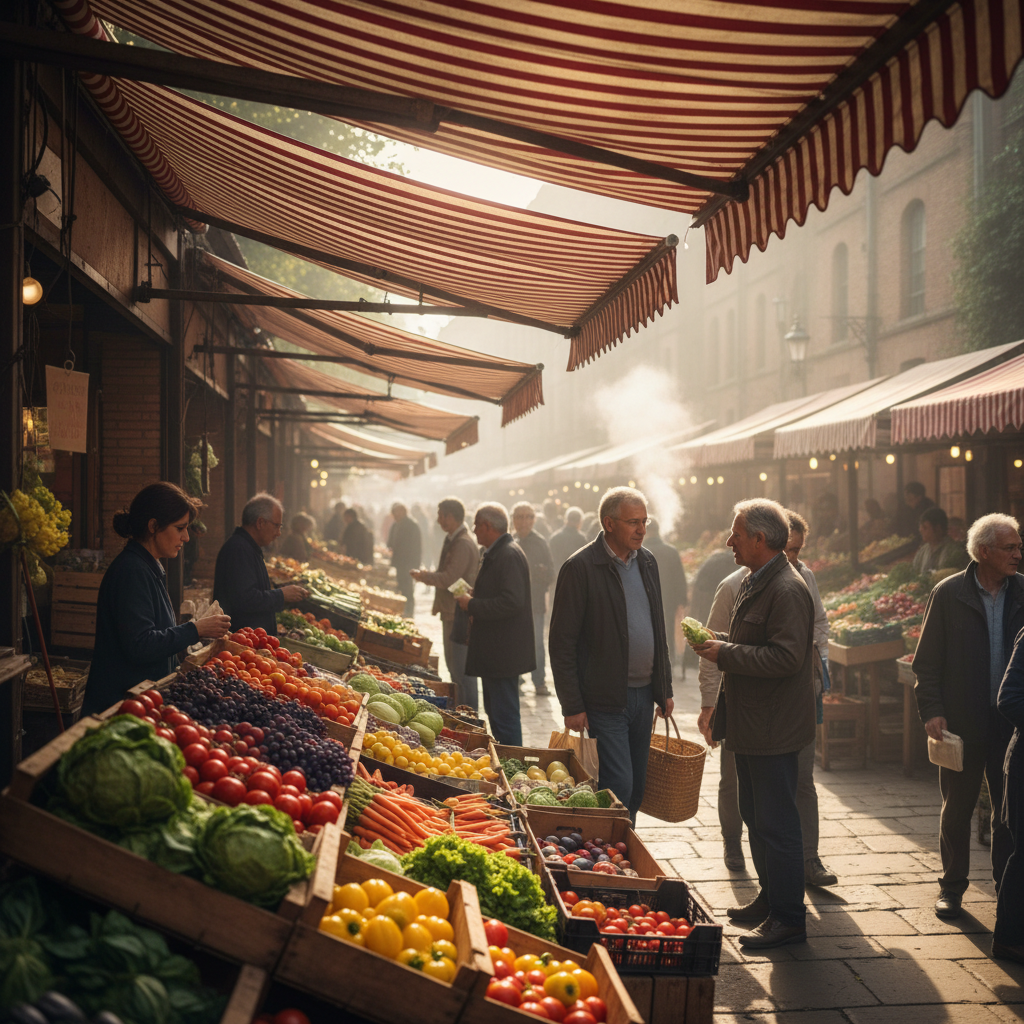
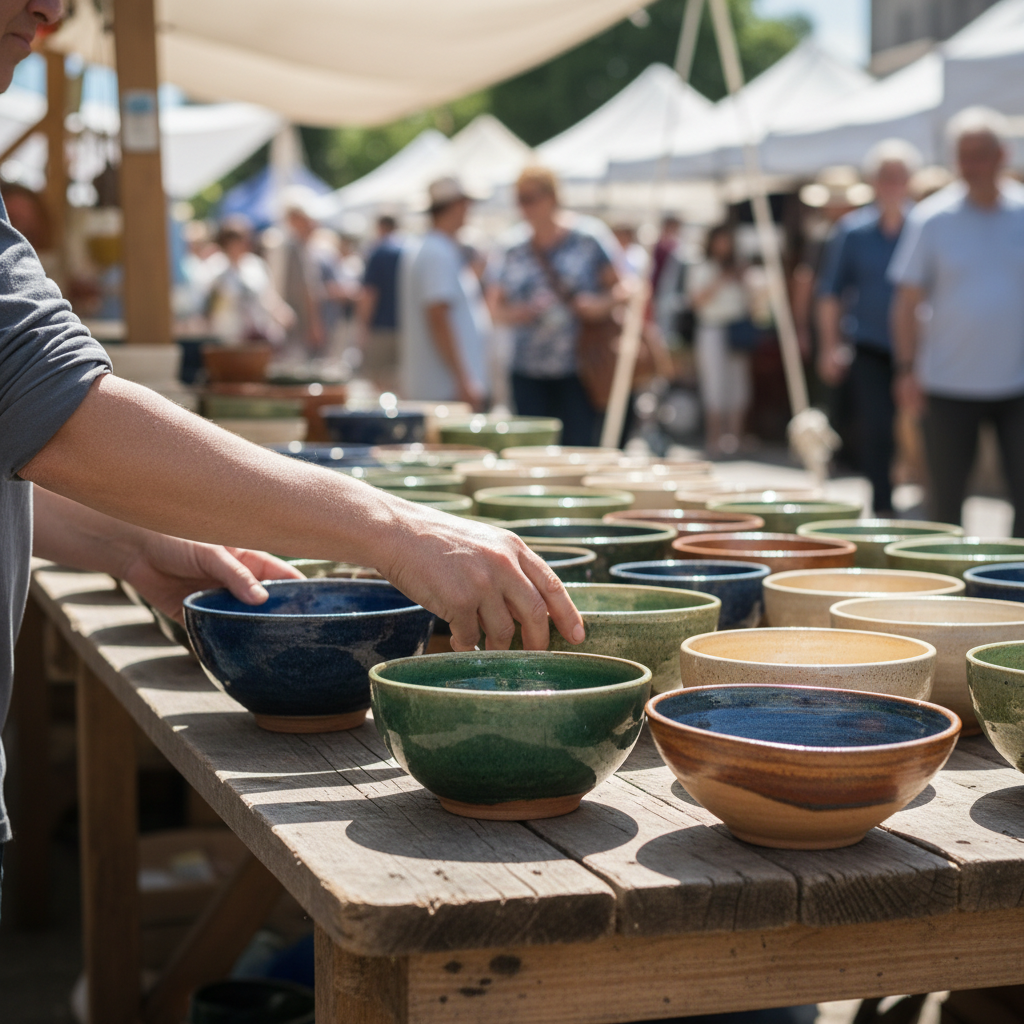
In an era of digital commerce, physical market stalls offer a unique sensory experience that online stores cannot replicate. From direct customer interaction to the tactile nature of goods, markets are seeing a revival as community hubs and incubators for new business concepts. They lower the barrier to entry for entrepreneurs.
Why Start a Market Stall?
Low Overhead Costs: Minimal rent compared to brick-and-mortar stores.
Direct Feedback: Instant reaction from customers to new products.
Agility: Ability to pivot branding or stock based on weekly trends.
Networking: Building relationships with other vendors and suppliers.
Consumer Spending Habits: Markets
Analysis of average customer spending distribution across different stall types shows a dominance in fresh produce and prepared foods, indicating the primary driver for market attendance is culinary.
Visual Merchandising
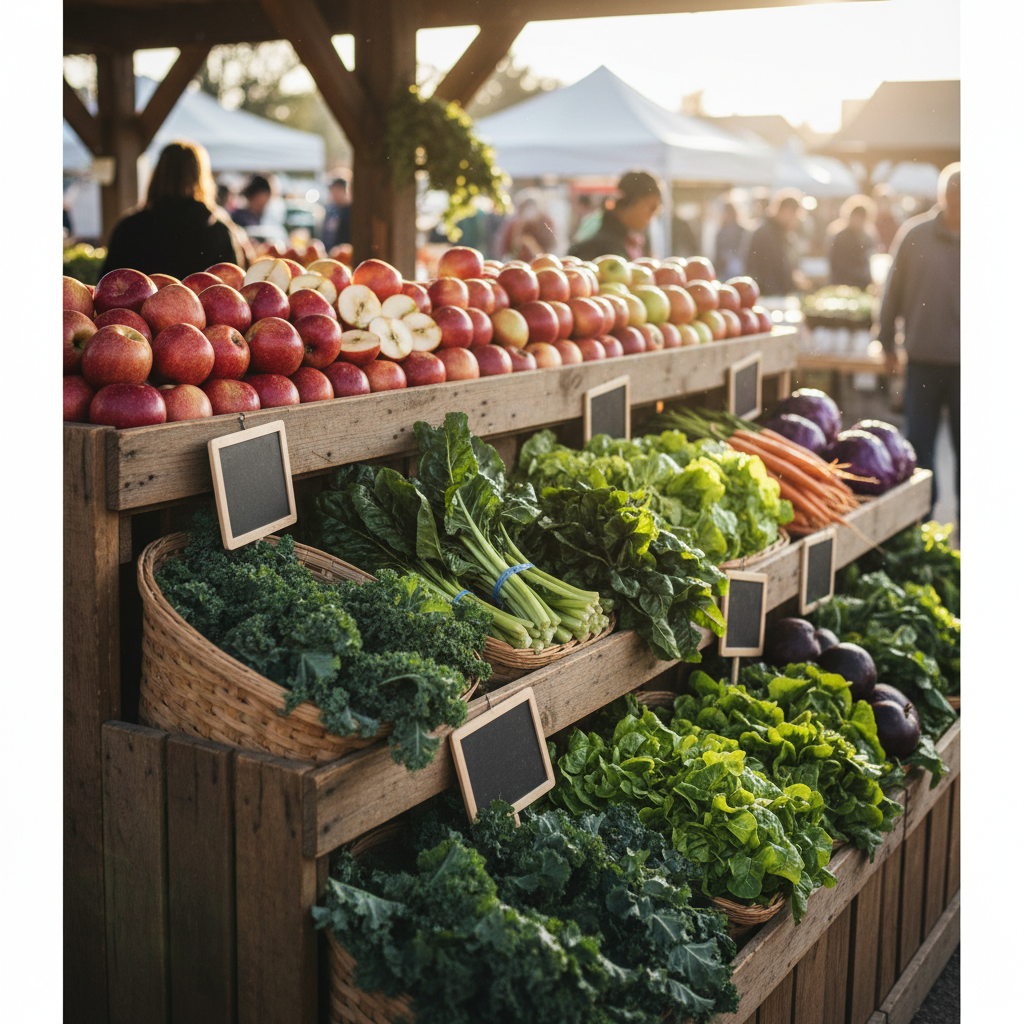
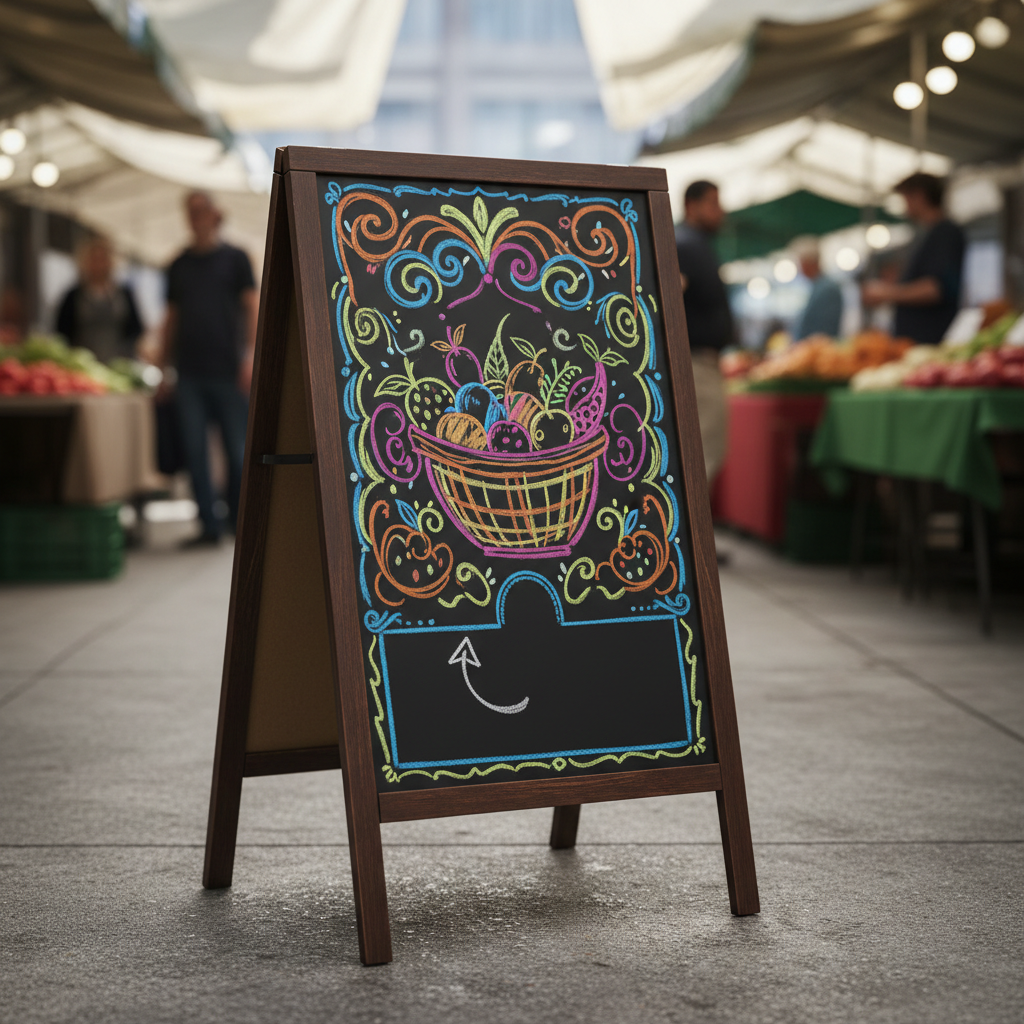
In a crowded market, your display is your silent salesman. Vertical height, abundant stocking, and clear pricing are critical. Using natural materials like wood and burlap creates an inviting, authentic aesthetic that encourages customers to stop and browse.
Initial Startup Investment
Starting a stall requires significantly less capital than a shop, but costs must be allocated wisely. Stock and equipment (tent, tables) consume the majority of the initial budget.
People don't just buy goods at a market; they buy stories, they buy connections, and they buy the passion of the maker standing in front of them.
Market Strategy Weekly
Operational Logistics
Logistical Checklist
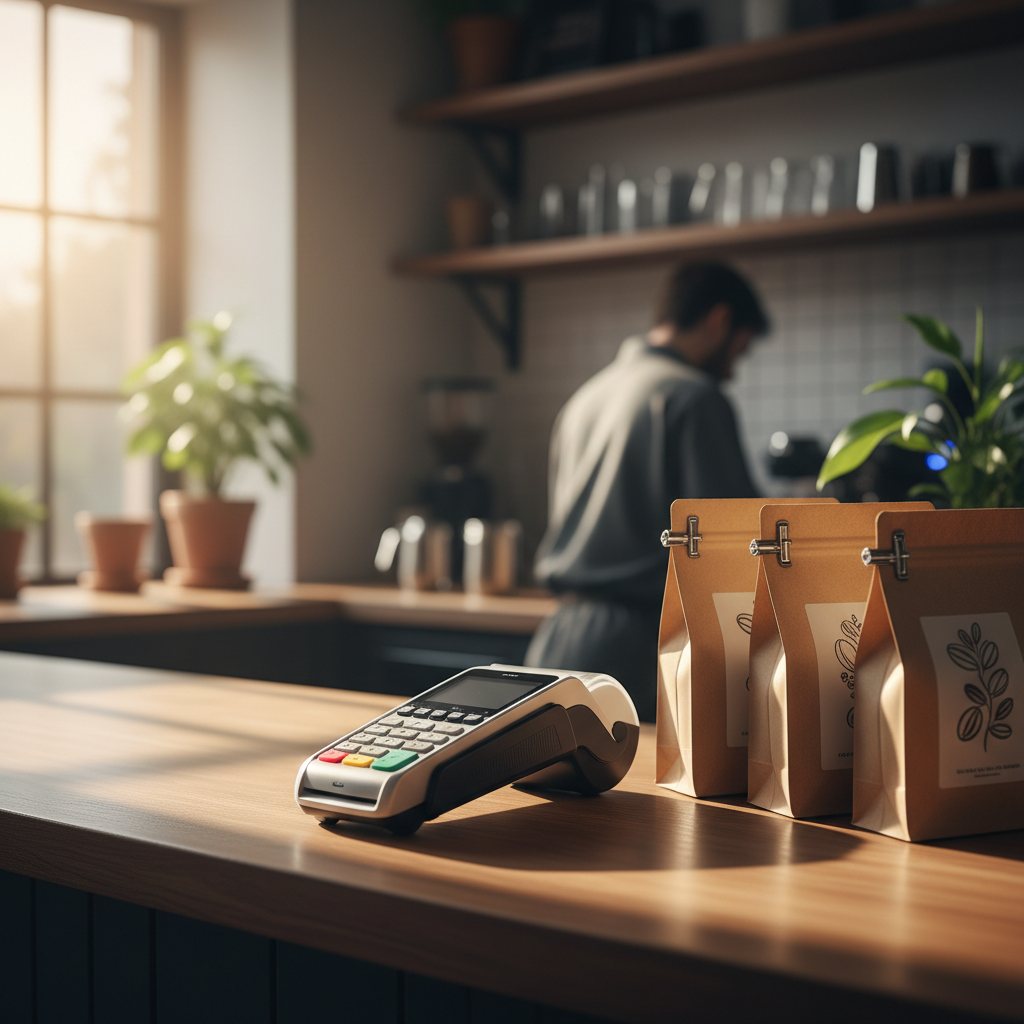
Payments: Ensure a reliable mobile POS system and carry cash float.
Weather: Weights for tents (leg weights) and waterproof covers are mandatory.
Hygiene: Access to handwashing stations and food safety compliance.
Transport: Efficient packing systems for quick setup and breakdown.
Local Marketing Integration
Success extends beyond market hours. Utilize geo-tagged social media posts to alert followers of your location. Collect email addresses at the stall for newsletters. Collaborate with market organizers for features on their main social channels.
Start Small, Grow Big
A market stall is the ultimate testing ground. By focusing on quality products, engaging displays, and operational efficiency, you can build a loyal customer base that supports sustainable growth.
- market-stall
- street-food
- pop-up-retail
- small-business
- entrepreneurship
- visual-merchandising
- business-strategy