

Made byBobr AI

Retail Pharma Margin Analysis: Strategies & Profitability

Analyze pharmaceutical supply chain margins, brand vs. generic profitability, PBM impact, and the shift from product to service-based pharmacy models.

#pharmacy-economics#retail-pharma#pbm-margins#healthcare-business#drug-pricing#supply-chain-analysis
Watch
Pitch

Margin Structure in Retail Pharma

An Economic Analysis from Manufacturer to Patient

2025 Market Analysis
Made byBobr AI

The Pharmaceutical Supply Chain

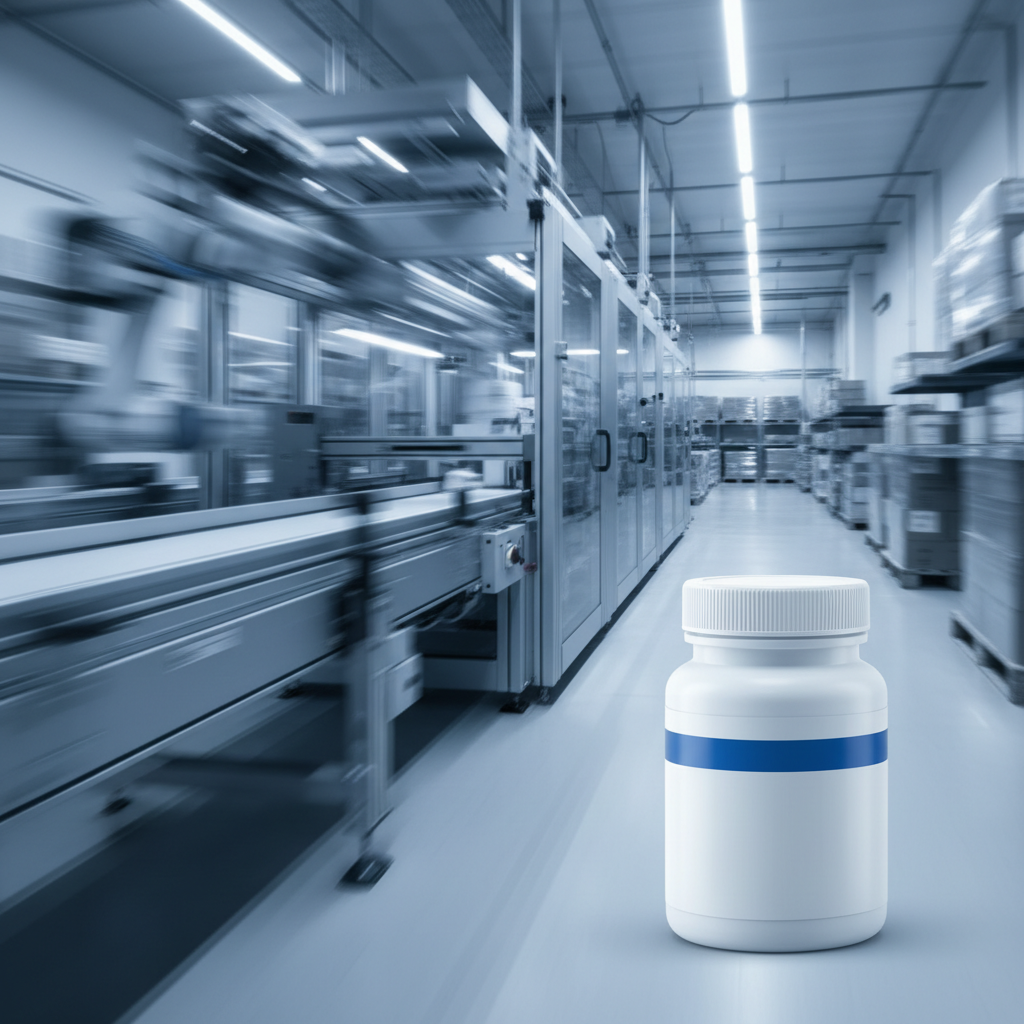
Understanding retail margins requires dissecting the complex flow of products and funds. The journey involves manufacturers, wholesalers, pharmacy benefit managers (PBMs), and the retail pharmacy itself. Each node in this chain extracts a specific margin, influencing the final acquisition cost and the net profit realized by the retailer.

Made byBobr AI

Margin Variance: Brand vs. Generic

A critical aspect of pharmacy economics is the disparity in margin percentages. While branded drugs have high prices, the retail margin percentage is thin. Conversely, generics offer significantly higher percentage margins, incentivizing substitution where possible.

Chart
Made byBobr AI

Purchase Pricing Dynamics

Retailers rarely pay the Wholesale Acquisition Cost (WAC). Instead, purchasing power drives discounts. Large chains negotiate direct contracts or utilize heavy wholesaler leverage, typically acquiring brands at WAC minus 3-5%, while independent pharmacies often face closer to WAC minus 2% unless part of a buying group (GPO).

Made byBobr AI

Key Profit Drivers

  • Dispensing Fees: Fixed flat fee paid by insurance per prescription to cover overhead.
  • Spread Pricing: The difference between the reimbursement rate and the acquisition cost.
  • Rebates: Volume-based manufacturers' rebates passed through wholesalers.
  • Cash Payers: Higher margins on patients without insurance coverage.
Made byBobr AI

Cost Breakdown of a $100 Prescription

For a typical branded medication, the retail pharmacy retains only a small fraction of the total cost. The majority flows back to the manufacturer and intermediaries. This squeeze highlights the importance of volume over margin per unit.

Chart
Made byBobr AI

"The 'DIR fee' clawback mechanism creates a scenario where a pharmacy may fill a prescription at a profitable margin today, only to have that profit retroactively removed months later by the PBM."

Pharmacy Economics Report, 2024

Made byBobr AI

Front-of-Store vs. Back-of-Store

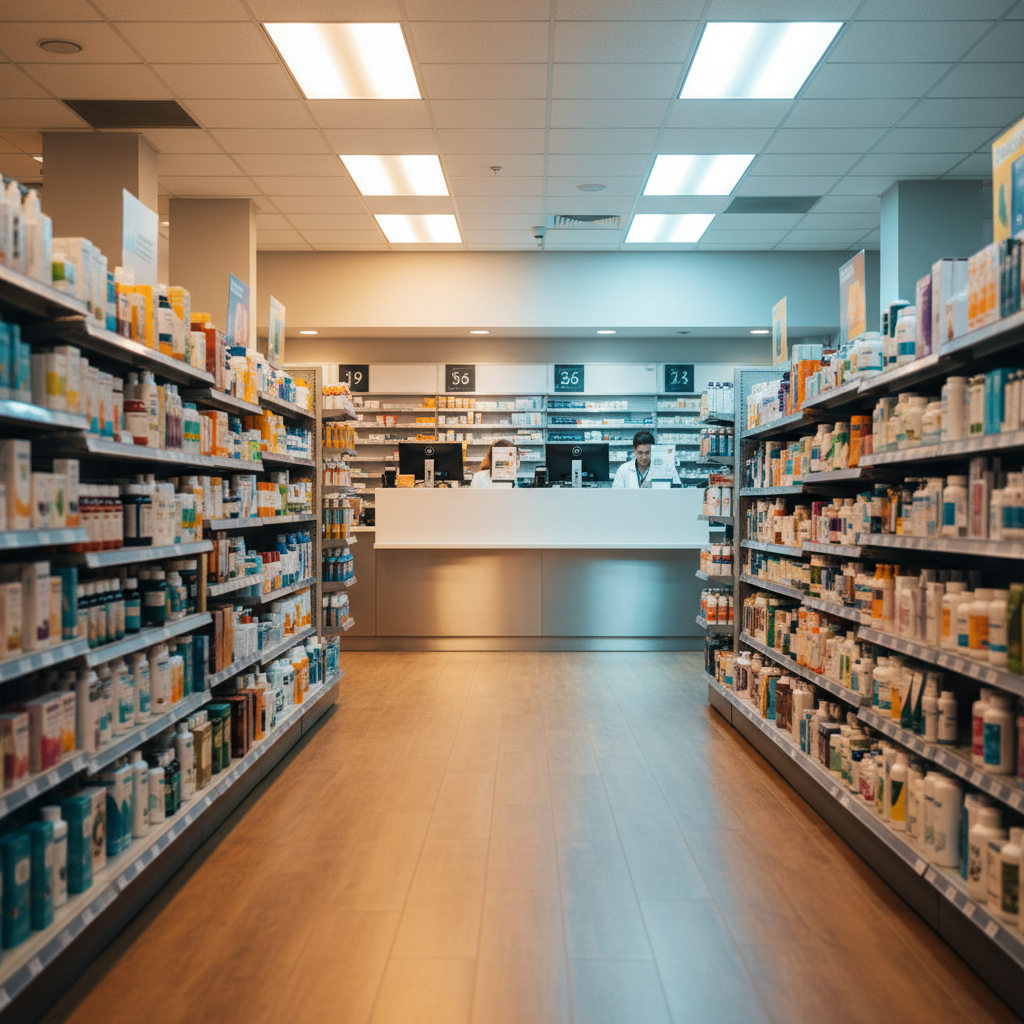
While the pharmacy counter (Back-of-Store) drives foot traffic, margins are under constant PBM pressure. Consequently, retail pharma relies heavily on Front-of-Store (OTC, beauty, grocery) sales where margins are roughly 30-40%, compared to the blending shrinking margins of dispensed medications.

Made byBobr AI

Current Market Pressures

Decreasng Reimbursements: MAC (Maximum Allowable Cost) lists tightening generic profits.

Vertical Integration: Insurers owning PBMs and pharmacies (e.g., CVS/Aetna) creates narrow networks.

Labor Costs: Rising pharmacist wages shrinking the operational net margin.

Made byBobr AI

The Future of Margin

To survive, the retail pharmacy model is shifting from a product-margin focus to a service-margin focus. Vaccinations, point-of-care testing, and medication therapy management (MTM) are becoming the new primary drivers of sustainable profitability, replacing the eroding margins of dispensing.

Made byBobr AI
Bobr AI

DESIGNER-MADE
PRESENTATION,
GENERATED FROM
YOUR PROMPT

Create your own professional slide deck with real images, data charts, and unique design in under a minute.

Generate For Free

Retail Pharma Margin Analysis: Strategies & Profitability

Analyze pharmaceutical supply chain margins, brand vs. generic profitability, PBM impact, and the shift from product to service-based pharmacy models.

Margin Structure in Retail Pharma

An Economic Analysis from Manufacturer to Patient

The Pharmaceutical Supply Chain

Understanding retail margins requires dissecting the complex flow of products and funds. The journey involves manufacturers, wholesalers, pharmacy benefit managers (PBMs), and the retail pharmacy itself. Each node in this chain extracts a specific margin, influencing the final acquisition cost and the net profit realized by the retailer.

Margin Variance: Brand vs. Generic

A critical aspect of pharmacy economics is the disparity in margin percentages. While branded drugs have high prices, the retail margin percentage is thin. Conversely, generics offer significantly higher percentage margins, incentivizing substitution where possible.

Purchase Pricing Dynamics

Retailers rarely pay the Wholesale Acquisition Cost (WAC). Instead, purchasing power drives discounts. Large chains negotiate direct contracts or utilize heavy wholesaler leverage, typically acquiring brands at WAC minus 3-5%, while independent pharmacies often face closer to WAC minus 2% unless part of a buying group (GPO).

Key Profit Drivers

Dispensing Fees: Fixed flat fee paid by insurance per prescription to cover overhead.

Spread Pricing: The difference between the reimbursement rate and the acquisition cost.

Rebates: Volume-based manufacturers' rebates passed through wholesalers.

Cash Payers: Higher margins on patients without insurance coverage.

Cost Breakdown of a $100 Prescription

For a typical branded medication, the retail pharmacy retains only a small fraction of the total cost. The majority flows back to the manufacturer and intermediaries. This squeeze highlights the importance of volume over margin per unit.

The 'DIR fee' clawback mechanism creates a scenario where a pharmacy may fill a prescription at a profitable margin today, only to have that profit retroactively removed months later by the PBM.

Pharmacy Economics Report, 2024

Front-of-Store vs. Back-of-Store

While the pharmacy counter (Back-of-Store) drives foot traffic, margins are under constant PBM pressure. Consequently, retail pharma relies heavily on Front-of-Store (OTC, beauty, grocery) sales where margins are roughly 30-40%, compared to the blending shrinking margins of dispensed medications.

Current Market Pressures

Decreasng Reimbursements: MAC (Maximum Allowable Cost) lists tightening generic profits.

Vertical Integration: Insurers owning PBMs and pharmacies (e.g., CVS/Aetna) creates narrow networks.

Labor Costs: Rising pharmacist wages shrinking the operational net margin.

The Future of Margin

To survive, the retail pharmacy model is shifting from a product-margin focus to a service-margin focus. Vaccinations, point-of-care testing, and medication therapy management (MTM) are becoming the new primary drivers of sustainable profitability, replacing the eroding margins of dispensing.

  • pharmacy-economics
  • retail-pharma
  • pbm-margins
  • healthcare-business
  • drug-pricing
  • supply-chain-analysis