










Made byBobr AI

Mastering the Game: A Beginner's Guide to Chess Basics

Learn chess basics: piece movements, board coordinates, special rules like castling and promotion, and essential opening principles for beginners.

#chess#board-game#beginner-guide#strategy#tactics#educational#chess-rules
Watch
Pitch

What is Chess?

Nature of the Game: Strategy, Logic, and Checkmate

“Chess is not about capturing all pieces — the goal is checkmate.”

Made byBobr AI

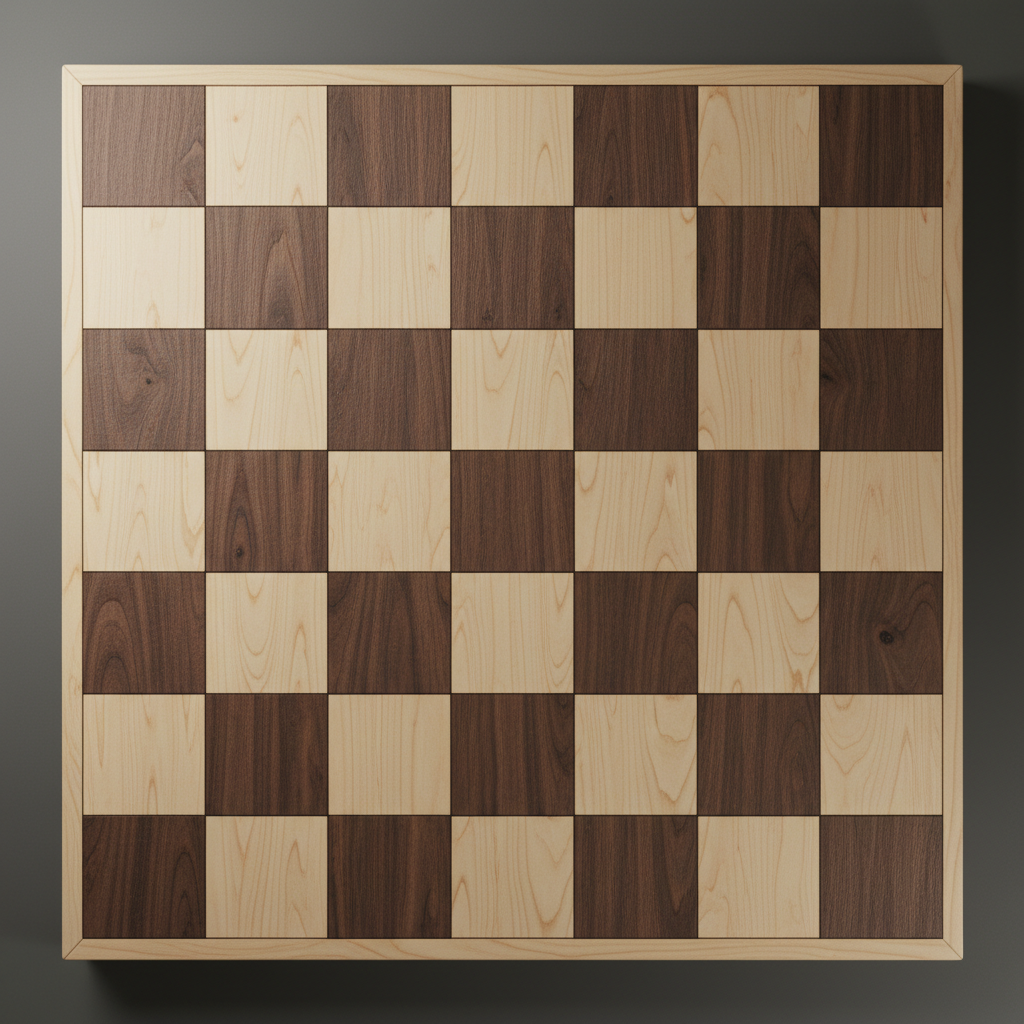
Understanding the Chessboard

  • An 8×8 grid totalling 64 squares.
  • Vertical lines are called Files (labeled a–h).
  • Horizontal lines are called Ranks (labeled 1–8).
Activity: Each square has a unique coordinate (e.g., e4, d5).
Made byBobr AI

The Chess Pieces

• Pawn (8)
• Rook (2)
• Knight (2)
• Bishop (2)
• Queen (1)
• King (1)

“Each piece moves differently — understanding this is the first step.”

Made byBobr AI

The Pawn


  • Moves forward one square at a time.
  • Captures diagonally (unlike movement).
  • First move: Option to advance two squares.
Promotion: Reaching the end transforms it into a Queen, Rook, Bishop, or Knight.
Made byBobr AI

The Knight

Movement: Moves in an 'L' shape (2 squares straight, then 1 to the side).

Unique Ability: The only piece that can jump over others.

Excellent for 'forking' multiple enemies at once.

Made byBobr AI

Long-Range Pieces

Bishop: Moves diagonally on its color complex (Light or Dark).
Rook: Moves straight along ranks and files.
Queen: Combines the power of Bishop and Rook. Extremely powerful.
Tip: The queen is powerful but should not be used too early.
Made byBobr AI

The King

Moves one square in any direction.

The King is the most important piece. The game ends if the King is checkmated.

The King cannot voluntarily move into check.

Made byBobr AI

Special Moves in Chess

Castling: A simultaneous move of King and Rook for safety and development.
Pawn Promotion: Reaching the 8th rank creates a new Queen (or other piece).
En Passant: A special pawn capture rule when an opponent moves two squares.
Made byBobr AI

CHECK

The King is under direct attack.

The player MUST respond immediately. Ignoring check is illegal.

Made byBobr AI

Escaping Check

There are three ways to save the king:

1. MOVE the King to a safe square.
2. CAPTURE the attacking piece.
3. BLOCK the line of fire (interpose another piece).
Made byBobr AI

Checkmate

  • ❌ The King is in Check.
  • ❌ There is NO legal move to escape.
The game ends immediately.
Made byBobr AI

Tactics: The Double Attack (Fork)

A single move that attacks two or more enemy pieces simultaneously.

Most commonly performed by the Knight due to its unique jump.

“Tactics win material quickly.”

Made byBobr AI

Discovered Attacks

1. Move a piece out of the way...

2. ...revealing an attack from a piece standing behind it.

⚠️ Discovered Check: When the revealed attack hits the King. Very dangerous!

Made byBobr AI

Top 3 Opening Principles

  • 1. Center: Control the Center: Occupy squares e4, d4, e5, d5.
  • 2. Develop: Develop Pieces: Bring Knights and Bishops out quickly.
  • 3. Safety: King Safety: Castle early (usually within the first 10 moves).
🚫 Don't bring the Queen out too early!
Made byBobr AI

Final Thoughts

“Once the foundation is strong, improvement becomes natural.”

Chess is about ideas, not just memorization.

Made byBobr AI
Bobr AI

DESIGNER-MADE
PRESENTATION,
GENERATED FROM
YOUR PROMPT

Create your own professional slide deck with real images, data charts, and unique design in under a minute.

Generate For Free

Mastering the Game: A Beginner's Guide to Chess Basics

Learn chess basics: piece movements, board coordinates, special rules like castling and promotion, and essential opening principles for beginners.

What is Chess?

Nature of the Game: Strategy, Logic, and Checkmate

Chess is not about capturing all pieces — the goal is checkmate.

Understanding the Chessboard

An 8×8 grid totalling 64 squares.

Vertical lines are called Files (labeled a–h).

Horizontal lines are called Ranks (labeled 1–8).

Activity: Each square has a unique coordinate (e.g., e4, d5).

The Chess Pieces

• Pawn (8)<br>• Rook (2)<br>• Knight (2)<br>• Bishop (2)<br>• Queen (1)<br>• King (1)

Each piece moves differently — understanding this is the first step.

The Pawn

Moves forward one square at a time.

Captures diagonally (unlike movement).

First move: Option to advance two squares.

Promotion: Reaching the end transforms it into a Queen, Rook, Bishop, or Knight.

The Knight

Moves in an 'L' shape (2 squares straight, then 1 to the side).

The only piece that can jump over others.

Excellent for 'forking' multiple enemies at once.

Long-Range Pieces

Bishop: Moves diagonally on its color complex (Light or Dark).

Rook: Moves straight along ranks and files.

Queen: Combines the power of Bishop and Rook. Extremely powerful.

Tip: The queen is powerful but should not be used too early.

The King

Moves one square in any direction.<br><br>The King is the most important piece. The game ends if the King is checkmated.<br><br>The King cannot voluntarily move into check.

Special Moves in Chess

Castling: A simultaneous move of King and Rook for safety and development.

Pawn Promotion: Reaching the 8th rank creates a new Queen (or other piece).

En Passant: A special pawn capture rule when an opponent moves two squares.

CHECK

The King is under direct attack.

The player MUST respond immediately. Ignoring check is illegal.

Escaping Check

There are three ways to save the king:

1. MOVE the King to a safe square.

2. CAPTURE the attacking piece.

3. BLOCK the line of fire (interpose another piece).

Checkmate

The King is in Check.

There is NO legal move to escape.

The game ends immediately.

Tactics: The Double Attack (Fork)

A single move that attacks two or more enemy pieces simultaneously.

Most commonly performed by the Knight due to its unique jump.

“Tactics win material quickly.”

Discovered Attacks

Move a piece out of the way...

...revealing an attack from a piece standing behind it.

Discovered Check: When the revealed attack hits the King. Very dangerous!

Top 3 Opening Principles

Control the Center: Occupy squares e4, d4, e5, d5.

Develop Pieces: Bring Knights and Bishops out quickly.

King Safety: Castle early (usually within the first 10 moves).

Don't bring the Queen out too early!

Final Thoughts

Once the foundation is strong, improvement becomes natural.

Chess is about ideas, not just memorization.

  • chess
  • board-game
  • beginner-guide
  • strategy
  • tactics
  • educational
  • chess-rules