
Microbes, Diseases, and Prevention | Viruses & Bacteria
Learn about diseases caused by viruses, bacteria, and protozoans. Explore essential principles of treatment, prevention, and the success of vaccines like Polio.
Diseases Caused by Microbes
Virus, Bacteria & Protozoans – Prevention & Treatment
What are Microbes?
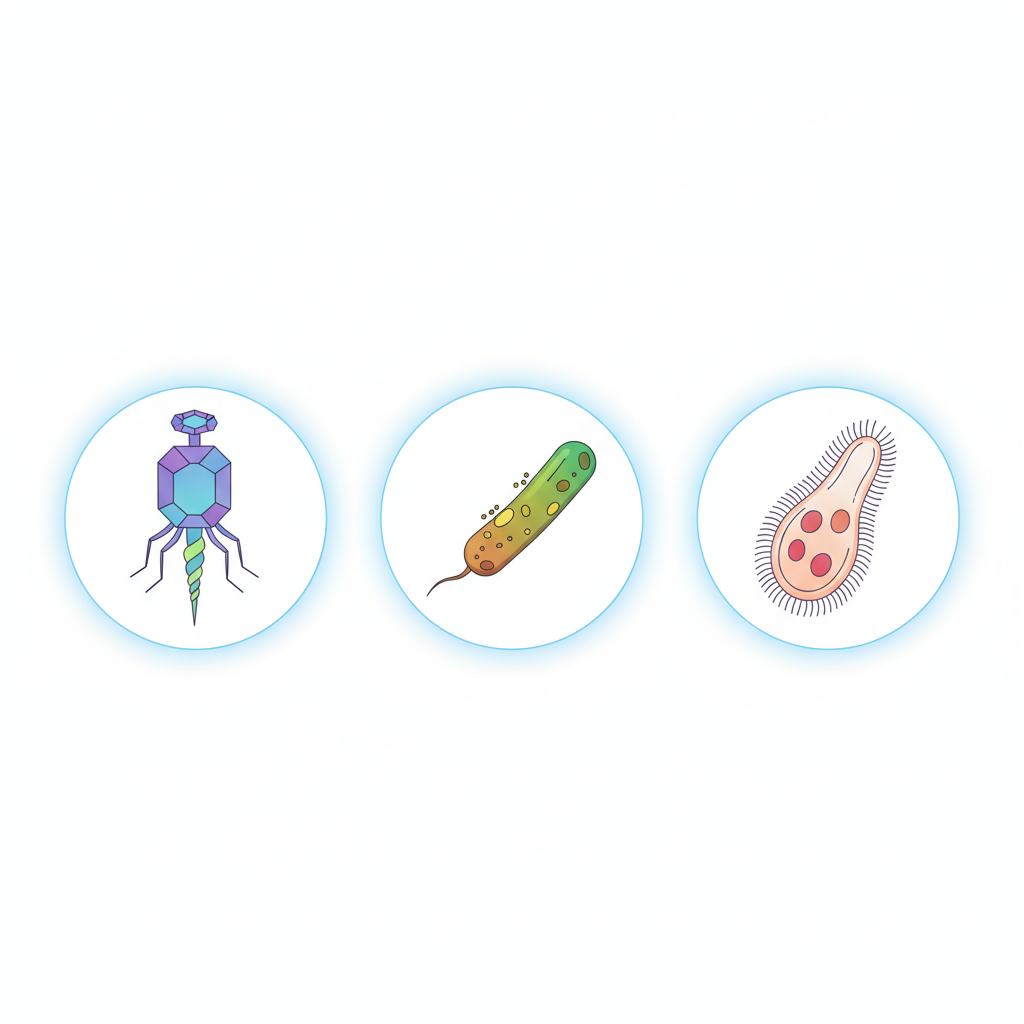
Microbes (or microorganisms) are tiny living things that are too small to be seen with the naked eye. While some are helpful, others cause diseases.<br><br><b>Three Main Types Covered:</b><br>• <b>Viruses:</b> The smallest type, live inside cells.<br>• <b>Bacteria:</b> Single-celled organisms.<br>• <b>Protozoans:</b> Single-celled, often found in water.
Diseases Caused by Viruses
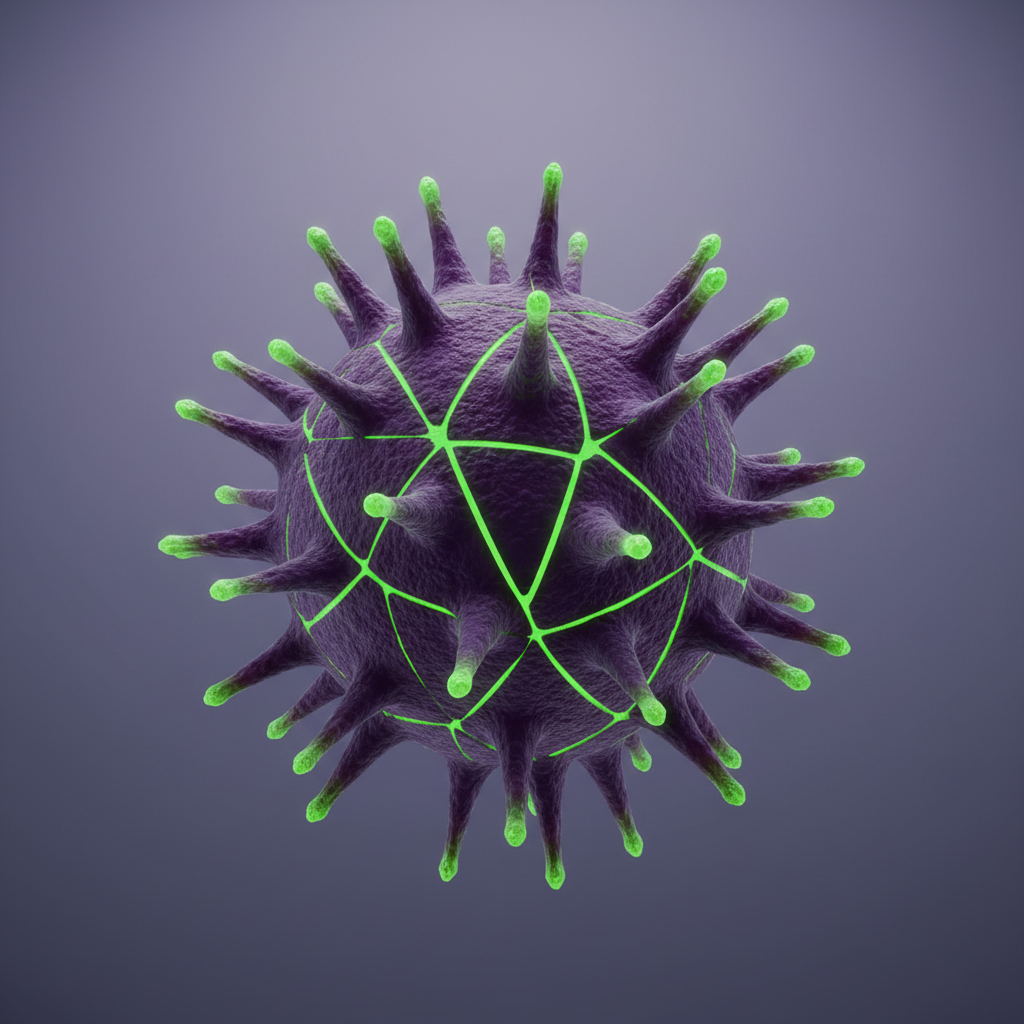
<b>Common Examples:</b> Polio, Dengue, Measles, Common Cold, COVID-19.
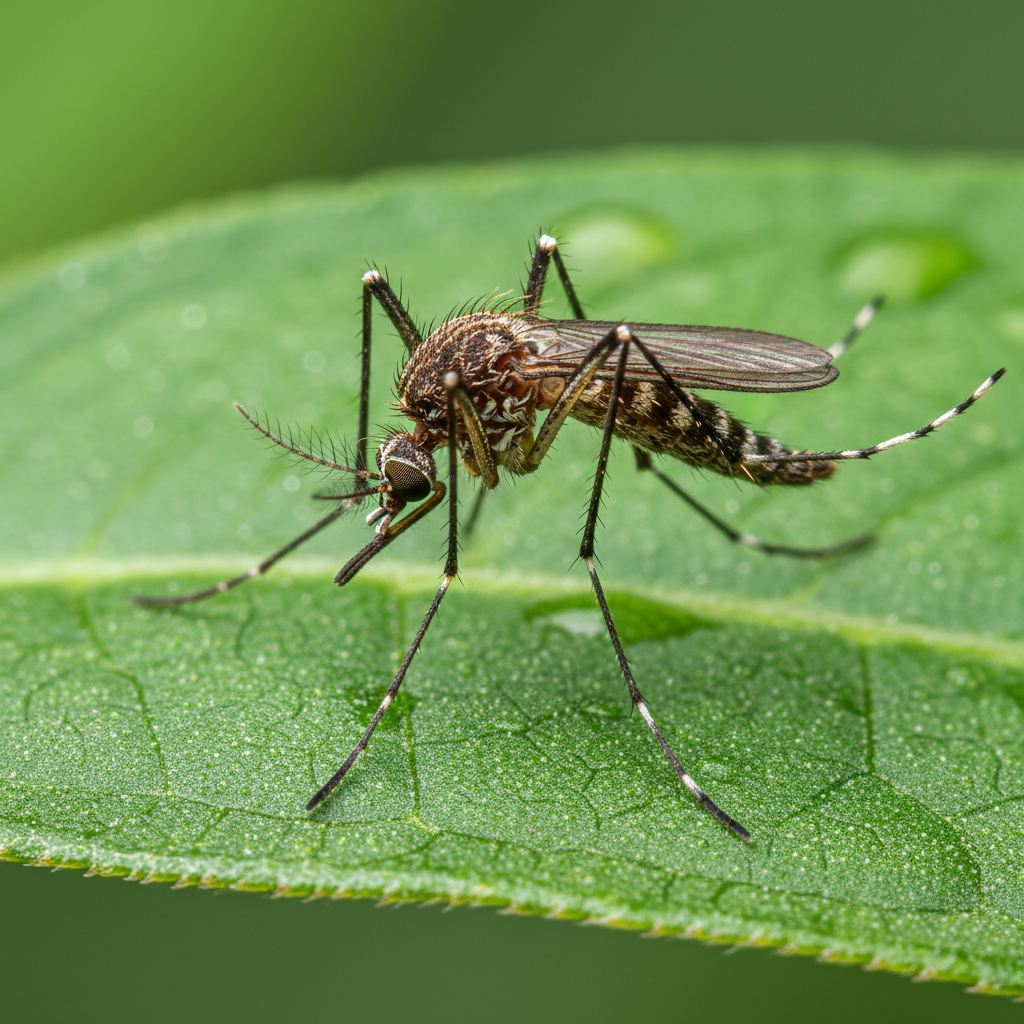
<b>How They Spread:</b> Through air (coughing/sneezing), contaminated water, insect bites (vectors like mosquitoes), or direct contact.
<b>Nature of Viruses:</b> They act like non-living particle outside the body but multiply rapidly once inside a host.
<b>Prevention:</b> Vaccination and avoiding contact with infected persons.
Diseases Caused by Bacteria
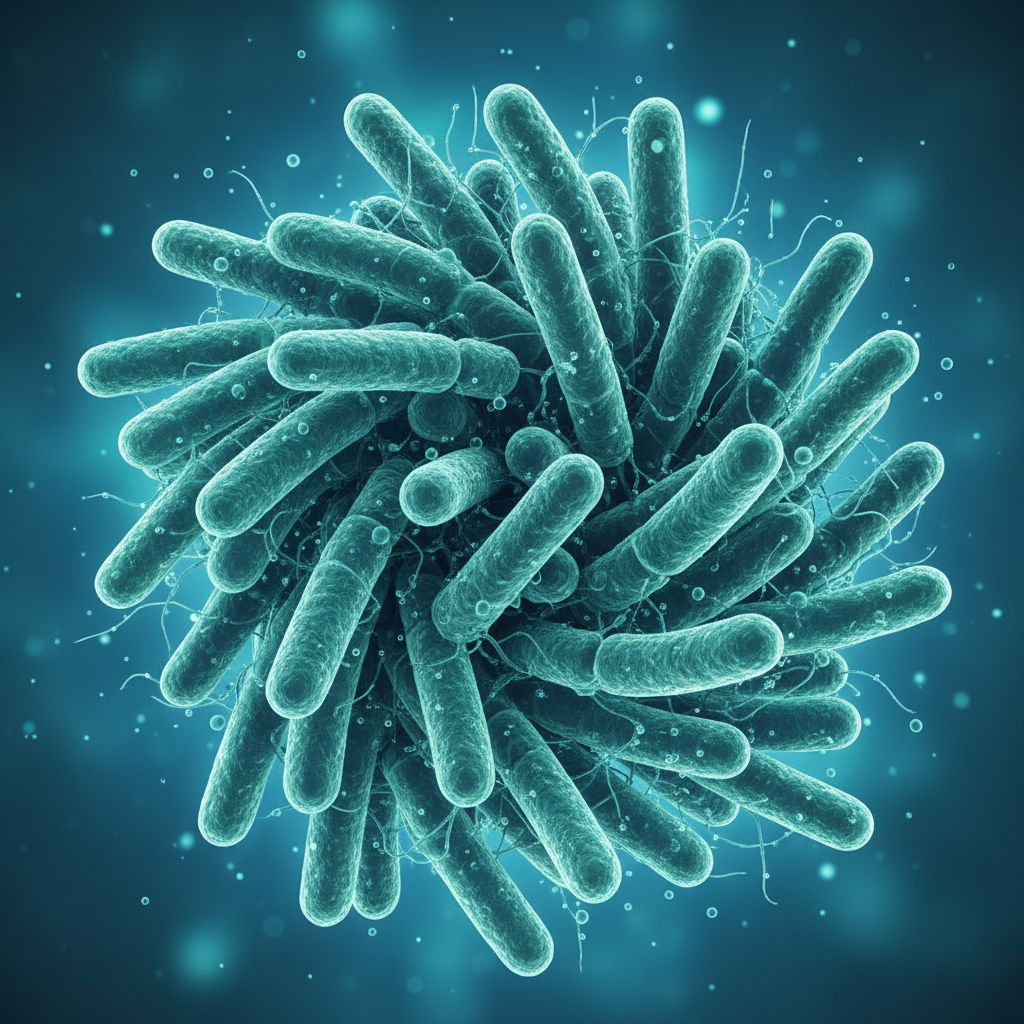
Bacteria are single-celled organisms found everywhere. While many are good for us (like in yogurt), some cause serious infections.<br><br><b>Key Diseases:</b><br>• <b>Tuberculosis (TB):</b> Affects lungs.<br>• <b>Cholera:</b> Severe diarrhea from dirty water.<br>• <b>Typhoid:</b> High fever from contaminated food.<br><br><b>Transmission Mode:</b><br>Usually spreads through contaminated food, water, or inhaling droplets from infected people.
Diseases Caused by Protozoans
Protozoans are more complex than bacteria and often behave like tiny animals. They thrive in moisture.<br><br><b>Malaria:</b><br>Caused by <i>Plasmodium</i> protozoa. It is spread by the bite of an infected female Anopheles mosquito.<br><br><b>Amoebic Dysentery:</b><br>Caused by <i>Entamoeba</i>. Spread through contaminated drinking water and food.<br><br><b>Focus:</b> Clean water and mosquito control are the best defenses.
Principles of Treatment
<b>Kill the Microbe:</b> Doctors prescribe specific medicines to kill the disease-causing germs (e.g., Antibiotics, Antivirals).
<b>Reduce Symptoms:</b> Medicines are also given to bring down fever, reduce pain, or control loose motions.
<b>Antibiotics Rule:</b> ONLY work against Bacterial infections. They do not kill viruses (like Cold or Flu).
<b>Medical Advice:</b> Never take medicines without a doctor's consultation. Completing the full course of medicine is vital.
Success of Prevention: Polio Decline
This chart shows how effective vaccination campaigns have been globally. From over 350,000 cases in 1988, wild polio cases dropped to near zero by 2022 thanks to global prevention efforts.
Principles of Prevention
<b>Personal Hygiene:</b> Washing hands with soap, bathing regularly, and keeping surroundings clean.
<b>Safe Water & Food:</b> Always drink filtered or boiled water. Cover food to protect it from flies.
<b>Vector Control:</b> Stop mosquitoes from breeding. Use mosquito nets and repellents (Important for Malaria/Dengue).
<b>Vaccination (Immunization):</b> Taking vaccines at the right age prepares the body to fight diseases like Polio, Measles, and Hepatitis.
Pulse Polio Programme
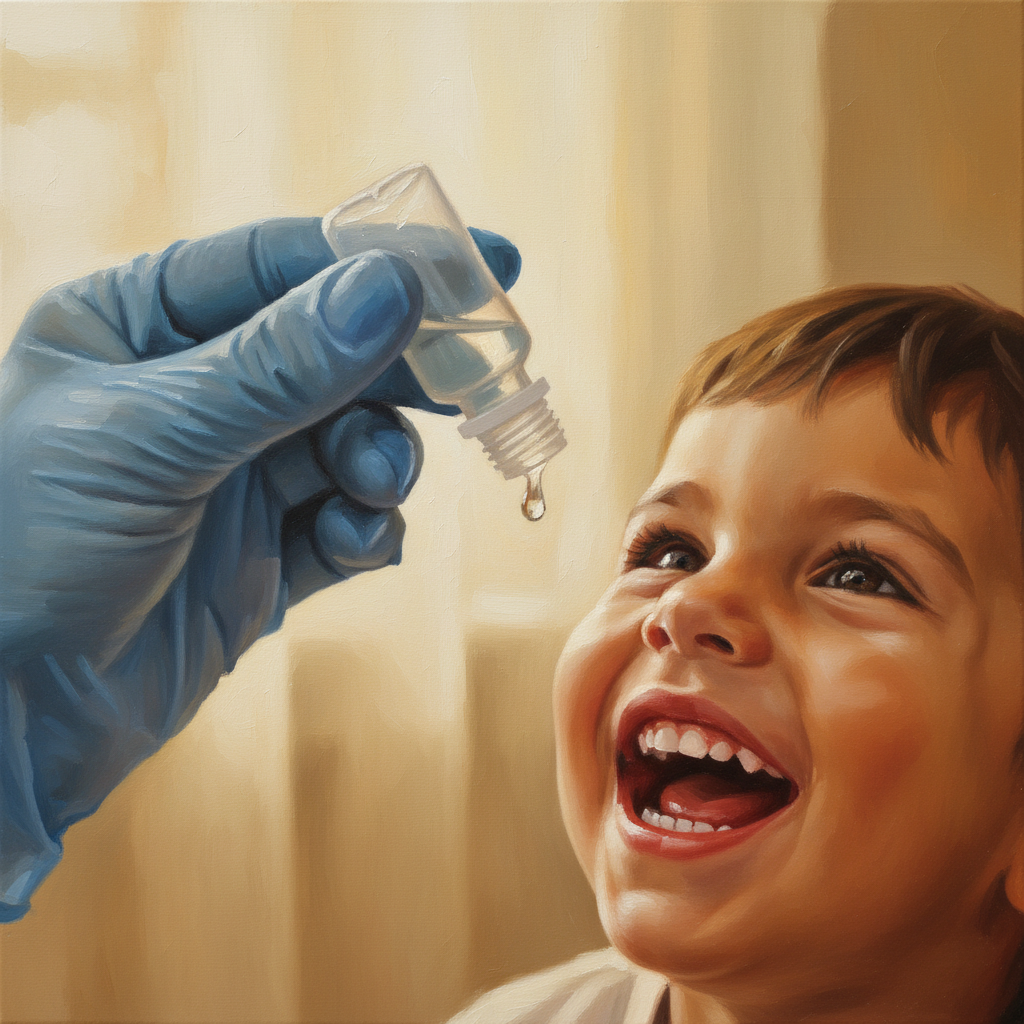
The Pulse Polio Initiative was established to eradicate polio ensuring not a single child is missed.<br><br><b>Key Points:</b><br><br>• <b>Oral Polio Vaccine (OPV):</b> Given to all children under 5 years of age.<br>• <b>Goal:</b> Replaced the wild virus with immunity in the population.<br>• <b>"Dos Boond Zindagi Ki":</b> Two drops of the vaccine can save a child from lifelong paralysis.
Prevention is Better than Cure.
Adopt healthy habits: Eat clean, drink safe water, and maintain hygiene.
- microbiology
- disease-prevention
- vaccination
- health-education
- viruses
- bacteria
- public-health
- polio-eradication