




Made byBobr AI

Perception & Decision Making: Bias Awareness in Business

Learn how perception influences professional decision-making. Explore the perceptual process, common cognitive biases, and strategies for better judgment.

#decision-making#workplace-psychology#cognitive-bias#leadership#professional-development#management-skills
Watch
Pitch

Perception & Decision Making

Understanding the Reality Gap in Professional Environments

Made byBobr AI

What is Perception?

Perception is the process by which individuals organize and interpret sensory impressions to give meaning to their environment.

The Reality Gap: People behave based on their perception of reality, not reality itself. Two people can look at the same data and draw opposite conclusions.

Made byBobr AI

The Perceptual Process

  • Receiving Stimuli: Collecting raw data through the five senses.
  • Selection: Filtering out noise to practice 'Selective Attention'.
  • Organization: Grouping stimuli into recognizable patterns (Gestalt).
  • Interpretation: Assigning meaning based on past experiences.
  • Response: The final behavior or thought resulting from the cycle.
Made byBobr AI

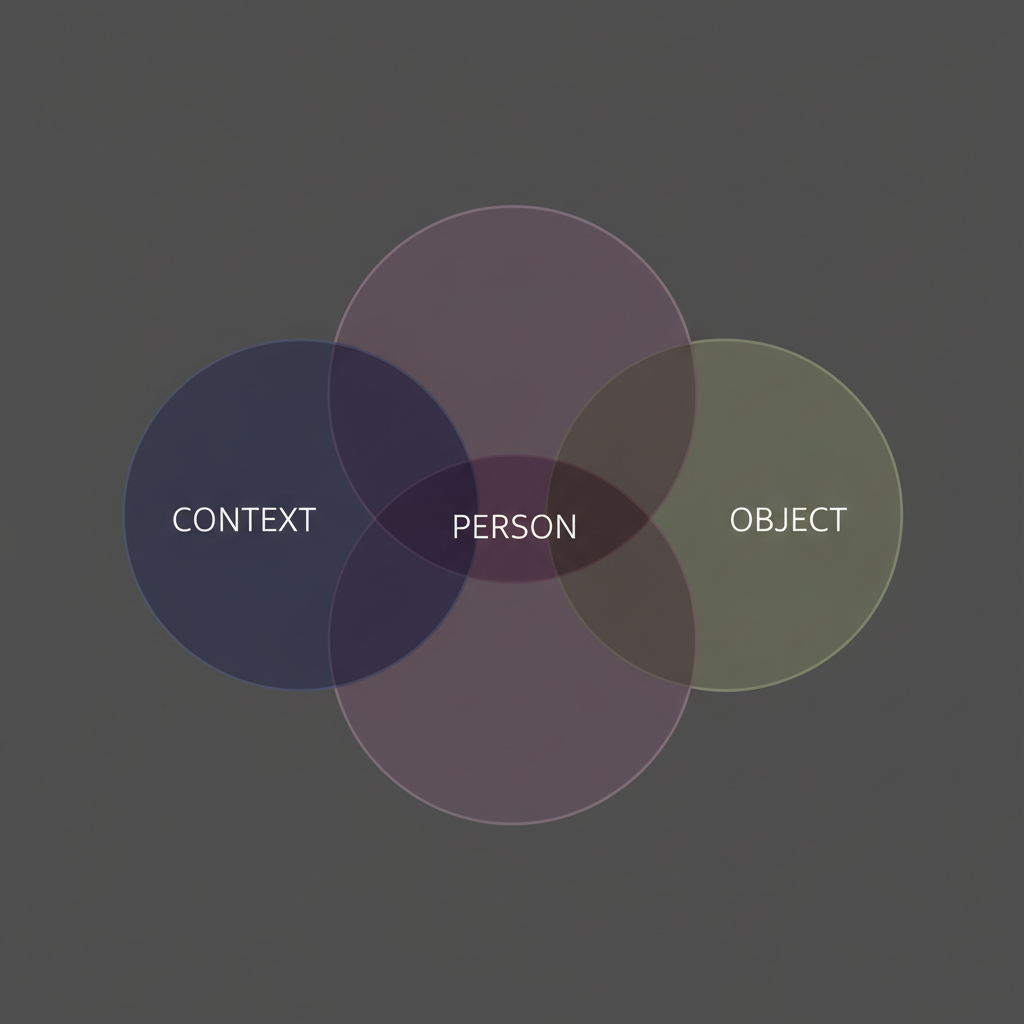
Factors Influencing Perception

  • The Perceiver: Influenced by personal needs, motives, past experiences, and personality traits.
  • The Target: Characteristics like contrast, intensity, novelty, motion, and repetition attract attention.
  • The Situation: Context matters. The physical setting, time of day, and social surroundings shape meaning.
Made byBobr AI

"We don't see things as they are; we see things as we are."

— Core Principle of Perception

Made byBobr AI

Managing Perception in the Workplace

Self-Awareness: Recognize your own biases and blind spots before judging others.

Empathy: Actively try to see a situation from a colleague’s perspective.

Impression Management: Strategically project behaviors that align with your professional goals.

Made byBobr AI

Perception & Decision Making Link

Decisions are reactions to problems—perceived discrepancies between a current state and a desired state.

The quality of a decision is heavily reliant on:
1. Information Filtering: Perception determines what data is deemed 'important'.
2. Problem Identification: If you perceive the wrong problem, the solution will fail.
Made byBobr AI

Common Biases: The Decision Killers (Part 1)

Selective Perception: Only noticing information that supports our current beliefs.

Halo Effect: Drawing a general positive impression based on a single characteristic (e.g., appearance).

Contrast Effect: Evaluating a person or option solely by comparing them to others recently encountered.

Made byBobr AI

Common Biases: The Decision Killers (Part 2)

Stereotyping: Judging someone based on the group to which they belong rather than individual merit.


Self-Serving Bias: attributing our successes to internal factors (talent, effort) but blaming failures on external factors (bad luck, difficult colleagues).

Made byBobr AI

Strategies for Better Decision-Making

Seek Disconfirming Evidence: Actively look for reasons why your initial perception might be wrong.

Diverse Perspectives: Consult others to broaden the 'perceptual field'.

Standardized Criteria: Use specific rubrics to minimize subjective interpretation.

The 'Sleep On It' Rule: Allowing time to pass to reduce emotional triggers.

Made byBobr AI
Bobr AI

DESIGNER-MADE
PRESENTATION,
GENERATED FROM
YOUR PROMPT

Create your own professional slide deck with real images, data charts, and unique design in under a minute.

Generate For Free

Perception & Decision Making: Bias Awareness in Business

Learn how perception influences professional decision-making. Explore the perceptual process, common cognitive biases, and strategies for better judgment.

Perception & Decision Making

Understanding the Reality Gap in Professional Environments

What is Perception?

<p style='margin-bottom:20px; font-size:28px;'>Perception is the process by which individuals organize and interpret sensory impressions to give meaning to their environment.</p><p style='margin-bottom:20px; font-size:28px;'><strong>The Reality Gap:</strong> People behave based on their perception of reality, not reality itself. Two people can look at the same data and draw opposite conclusions.</p>

The Perceptual Process

Receiving Stimuli: Collecting raw data through the five senses.

Selection: Filtering out noise to practice 'Selective Attention'.

Organization: Grouping stimuli into recognizable patterns (Gestalt).

Interpretation: Assigning meaning based on past experiences.

Response: The final behavior or thought resulting from the cycle.

Factors Influencing Perception

<ul><li><strong>The Perceiver:</strong> Influenced by personal needs, motives, past experiences, and personality traits.</li><li><strong>The Target:</strong> Characteristics like contrast, intensity, novelty, motion, and repetition attract attention.</li><li><strong>The Situation:</strong> Context matters. The physical setting, time of day, and social surroundings shape meaning.</li></ul>

"We don't see things as they are; we see things as we are."

Core Principle of Perception

Managing Perception in the Workplace

<p style='margin-bottom:24px;'><strong>Self-Awareness:</strong> Recognize your own biases and blind spots before judging others.</p><p style='margin-bottom:24px;'><strong>Empathy:</strong> Actively try to see a situation from a colleague’s perspective.</p><p style='margin-bottom:24px;'><strong>Impression Management:</strong> Strategically project behaviors that align with your professional goals.</p>

Perception & Decision Making Link

Decisions are reactions to problems—perceived discrepancies between a current state and a desired state. <br><br>The quality of a decision is heavily reliant on: <br>1. <strong>Information Filtering:</strong> Perception determines what data is deemed 'important'. <br>2. <strong>Problem Identification:</strong> If you perceive the wrong problem, the solution will fail.

Common Biases: The Decision Killers (Part 1)

Selective Perception: Only noticing information that supports our current beliefs.

Halo Effect: Drawing a general positive impression based on a single characteristic (e.g., appearance).

Contrast Effect: Evaluating a person or option solely by comparing them to others recently encountered.

Common Biases: The Decision Killers (Part 2)

<p><strong>Stereotyping:</strong> Judging someone based on the group to which they belong rather than individual merit.</p><br><p><strong>Self-Serving Bias:</strong> attributing our successes to internal factors (talent, effort) but blaming failures on external factors (bad luck, difficult colleagues).</p>

Strategies for Better Decision-Making

Seek Disconfirming Evidence: Actively look for reasons why your initial perception might be wrong.

Diverse Perspectives: Consult others to broaden the 'perceptual field'.

Standardized Criteria: Use specific rubrics to minimize subjective interpretation.

The 'Sleep On It' Rule: Allowing time to pass to reduce emotional triggers.

  • decision-making
  • workplace-psychology
  • cognitive-bias
  • leadership
  • professional-development
  • management-skills